
Completing a marathon requires months of disciplined training, physical endurance, and a carefully planned gear strategy. Among your most critical race-day accessories is the marathon running belt bag, a compact storage solution designed to carry your fuel, communication devices, and emergency essentials over 42.195 kilometers. Unlike casual waist packs, a dedicated running belt must withstand the repetitive impact of your stride while remaining virtually imperceptible against your body. Finding the right balance between storage capacity, stability, and skin comfort can make the difference between a smooth, focused race and a painful struggle with chafing and bouncing gear.
In tropical climates like the Philippines, where high humidity and intense heat are constant factors, your gear choices become even more critical. Sweat can quickly saturate standard fabrics, and heavy downpours can occur without warning during early morning races. Evaluating how a belt bag handles these environmental challenges, alongside its storage and fit characteristics, is essential before you line up at the starting gate.
Evaluating Capacity and Organization for Race Day
When preparing for a marathon, your nutrition and hydration strategy dictates your storage needs. A high-quality marathon running belt bag must offer organized compartments that allow you to separate items based on their vulnerability to moisture and how quickly you need to access them. In high-humidity environments, sweat will inevitably soak through the outer layers of your apparel, meaning any sensitive electronics like your smartphone require a dedicated, sweat-resistant compartment. Look for pockets lined with water-resistant barriers or TPU coatings to keep your phone dry and functional throughout the race.
Products mentioned in this guide
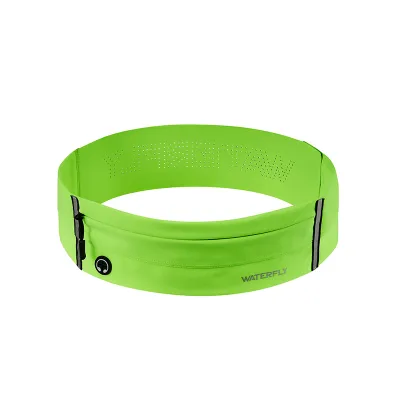
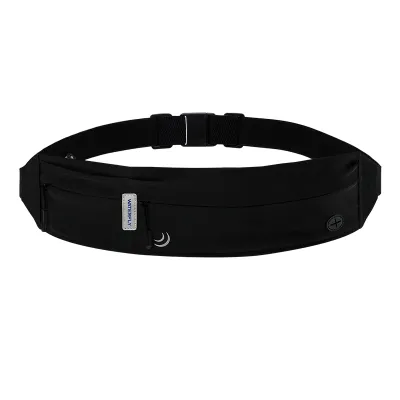
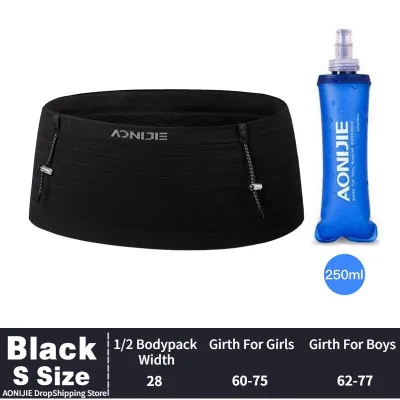

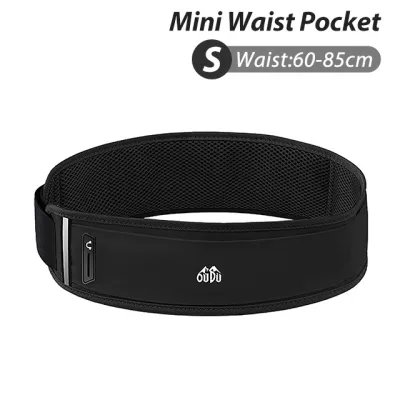
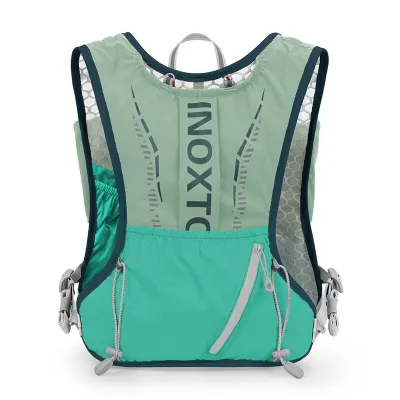
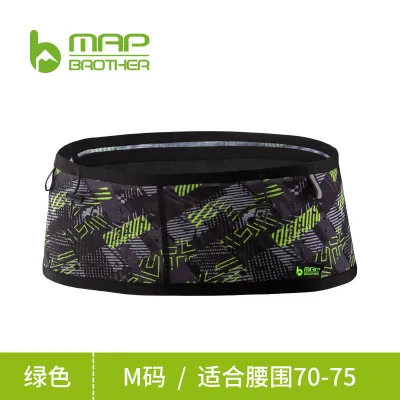
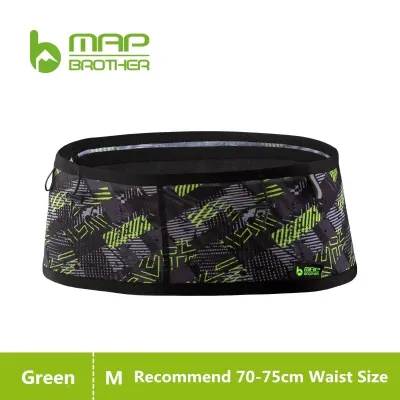
Prices are valid at publication and may change. Please refer to the product page for the latest price.
Pocket dimensions must be verified against your actual gear before race day. Modern smartphones with protective cases require a flexible, expandable main pocket that holds the device flat against your body to prevent shifting. Beyond your phone, you need dedicated space for energy gels, salt tablets, and small personal items. Some belts feature individual elastic loops on the exterior specifically sized for standard gel packets, allowing you to slide them out instantly without fumbling with zippers.
Choosing between secure zippered pockets and quick-grab open slots depends on your personal accessibility preferences. Zippered pockets are essential for high-value items such as car keys, identification cards, and emergency cash, such as a few ₱500 bills for unexpected transport or purchases. Open mesh slots, on the other hand, are ideal for empty gel wrappers or items you need to grab on the fly. A well-organized belt ensures you do not have to dig through a single, cluttered compartment while running at your target marathon pace.
Checking Fit and Bounce Prevention
The constant up-and-down motion of running can turn a poorly fitting belt into a major source of frustration and physical discomfort. To ensure your marathon running belt bag remains stable, you must carefully inspect the waistband material. Look for high-quality elastic blends that offer a balance of stretch and recovery. The band should be wide enough—typically at least one to two inches—to distribute the weight of your gear evenly across your hips rather than digging into your waist or stomach.

Non-slip properties are crucial for preventing the belt from riding up your torso as you run. Many specialized running belts feature internal silicone grippers or textured backing materials that cling gently to your running shorts or singlet. When trying on a belt, pay close attention to the buckle or closure mechanism. It should lock securely into place without slipping under tension, yet allow for micro-adjustments on the move as your body shape shifts slightly due to dehydration and muscle fatigue.
Weight distribution is the final element of bounce prevention. The heaviest items, such as your phone, should be positioned flat against the center of your lower back or the center of your pelvis. This placement aligns the weight with your center of gravity, minimizing the rotational forces that cause a belt to twist or bounce during your natural stride cycle. A well-designed belt will compress its contents tightly against your body, eliminating any internal movement of the gear itself.
Assessing Hydration and Quick-Access Options
While most organized marathons provide regular aid stations along the course, carrying your own hydration can be a major advantage, especially during long training runs or in hot tropical weather. If you plan to carry fluids, evaluate whether the belt bag features integrated hydration options. Some belts include specialized holsters or external bungee cords designed to secure lightweight, compressible soft flasks. These flasks shrink as you drink, preventing fluid sloshing and keeping the load stable.
Quick-access pocket placement is essential for maintaining your running rhythm. You should be able to reach your nutrition, such as energy gels or salt tablets, without looking down or breaking your stride. Test the accessibility of the pockets with one hand; you should be able to slide a gel out, consume it, and tuck the empty wrapper away using a single, fluid motion. If a belt requires two hands to open a pocket or adjust a strap, it can disrupt your arm swing and waste valuable energy.
If the belt utilizes external loops or bungee cords for gear attachment, verify that they are easy to operate when your hands are sweaty and tired. In the later stages of a marathon, fine motor skills decline due to physical exhaustion. Simple, intuitive attachment systems, such as elasticated slip pockets or magnetic closures, are often much easier to manage under fatigue than complex plastic clips or tight toggle cords.
Verifying Weather Resistance and Skin Comfort
Over the course of a four-to-six-hour marathon, any minor point of friction can develop into a painful blister or raw skin abrasion. Skin comfort is heavily influenced by the materials and construction of your running belt. Inspect the inner lining that sits directly against your body or clothing. It should be made of a soft, moisture-wicking, and highly breathable mesh fabric that allows heat to dissipate and sweat to evaporate quickly, reducing the risk of heat rash.
Seam construction is another critical factor in preventing chafing. Look for belts with flatlock seams, bonded edges, or soft fabric piping covering any rough stitching. Stiff, exposed seams or sharp plastic edges will quickly wear through thin running singlets or irritate bare skin. If you prefer to wear your belt directly against your skin beneath your shirt, choosing a seamless or ultra-soft fabric construction is paramount.
Weather resistance is equally important for protecting your gear from external moisture. While a completely waterproof belt can sometimes trap heat and sweat against your body, water-resistant outer fabrics and coated zippers provide excellent protection against sudden tropical rain showers. If you frequently train in heavy rain, consider placing your phone in a simple plastic zip-top bag before sliding it into your running belt for an extra layer of reliable protection.
Building Your Race-Day Gear Checklist
To ensure your marathon running belt bag performs flawlessly on race day, you must conduct a thorough dress rehearsal during your peak training phase. Never use a brand-new belt or carry unfamiliar gear during the actual race. Use your longest training runs—typically those exceeding 20 kilometers—to test your entire setup under realistic conditions of physical fatigue and sweat accumulation.
Begin by creating a precise loadout list based on the specific marathon’s course map and aid station offerings. If the race organizers provide your preferred brand of sports drink and gels, you can carry less weight on your waist. Pack your belt exactly as you plan to on race day, including your phone, keys, nutrition, and emergency cash. Put on the exact running shorts and singlet you plan to wear, as different fabrics can affect how the belt grips or rubs against your body.
During your test runs, pay close attention to any potential failure points. Note if the adjustment straps loosen over time, requiring you to tighten them repeatedly. Check if the zippers glide smoothly when your hands are wet with sweat or sports drink, and listen for any annoying rattling sounds from keys or loose items. Identifying and resolving these minor issues during training ensures that your gear remains a silent, supportive partner when you finally cross the starting line.
Frequently Asked Questions (FAQ)
Can I use a regular waist bag instead of a specialized running belt?
Using a casual fashion waist bag or fanny pack for a marathon is highly discouraged. Casual bags are designed for walking and lack the technical features required for high-impact running. They typically use heavy, non-breathable fabrics like canvas or thick nylon, which trap heat and sweat against your skin. Furthermore, casual bags lack the elastic tension, non-slip backings, and compression designs needed to prevent bouncing. Running a marathon with a standard waist bag almost guarantees severe skin chafing, bruised hips, and a highly distracting bounce that can disrupt your running posture and waste energy.
How should I clean my running belt bag after a sweaty long run?
To preserve the elasticity, technical fabrics, and water-resistant coatings of your running belt, you should avoid machine washing and tumble drying. Instead, hand-wash the belt in cool water using a mild, sports-specific detergent to break down sweat oils, body salts, and dirt. Gently agitate the fabric with your hands, paying extra attention to the mesh backing and zipper areas. Rinse the belt thoroughly with clean water, and gently squeeze out excess moisture without wringing or twisting the elastic. Hang the belt to air-dry in a shaded, well-ventilated indoor or outdoor area, keeping it out of direct sunlight to prevent the elastic fibers and reflective safety elements from degrading.

Community discussion
Share your experience or ask a question. Comments are reviewed before publication.