
Setting up a new fishing rod and reel in the Philippines requires a specialized set of rigging tools to handle both the corrosive marine environments of coastal saltwater and the humid inland freshwater lakes. To properly assemble your gear, secure your line, and tie reliable knots, you need a core set of tools: a pair of split ring pliers, a dedicated line cutter, a basic screwdriver or wrench set for reel maintenance, and a reliable crimping tool. Having these tools on hand ensures that your connections hold up against powerful local species like saltwater giant trevally (talakitok) or freshwater snakehead (dalag), while protecting your investment from premature wear.
Core Hand Tools for Rod and Reel Assembly
Before you even spool your line, you must ensure your reel is properly mounted and configured. Most modern reels require minor adjustments out of the box, such as tightening the handle nut, adjusting the drag clicker, or securing the reel foot to the rod’s reel seat. A set of precision screwdrivers and small wrenches is essential for these initial steps. Using the wrong size screwdriver can easily strip the delicate brass or aluminum screws on your reel’s sideplates, so always verify the fit before applying torque.
Standard pliers are also useful during assembly, but they should be used with caution. Avoid using heavy-toothed pliers directly on your rod blank or reel seat, as they can scratch the protective epoxy coating and weaken the structural integrity of the graphite or fiberglass. If you must use pliers to tighten a locking nut, wrap the nut in a soft cloth or a piece of rubber tubing first to prevent metal-on-metal damage.
Products mentioned in this guide
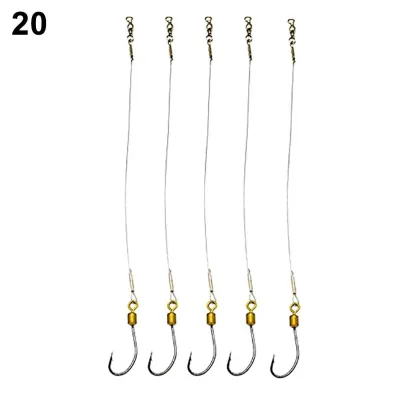
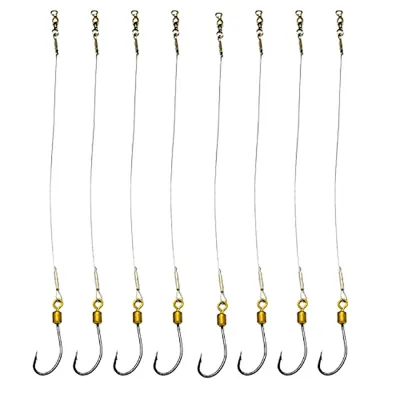
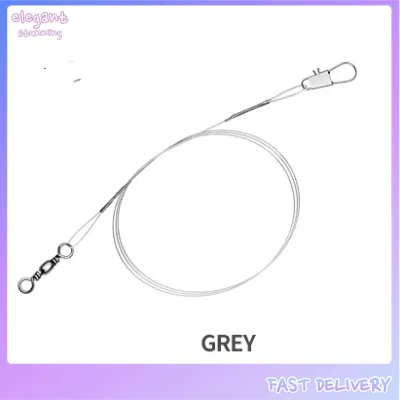
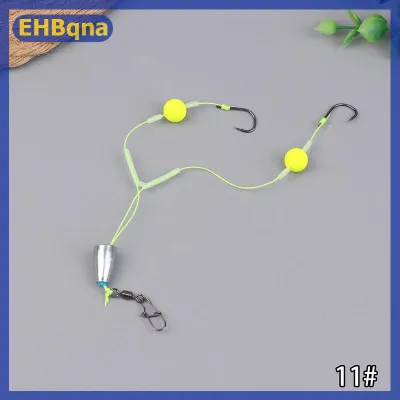
Prices are valid at publication and may change. Please refer to the product page for the latest price.
Additionally, check the compatibility of your reel foot with the rod’s hood. Some heavy-duty saltwater reels have wider feet that may require a specific reel seat spacer or a stabilizing clamp. Verifying these physical connections at home prevents frustrating failures when you are out on the water.
Saltwater vs. Freshwater Rigging Requirements
The tropical climate of the Philippines presents a major challenge to fishing gear: extreme humidity combined with high salinity. Saltwater rigging demands tools made from highly corrosion-resistant materials. Standard carbon steel tools will begin to rust within hours of exposure to sea spray. Look for rigging tools constructed from marine-grade stainless steel, anodized aluminum, or titanium-coated alloys to ensure longevity.

In contrast, freshwater rigging for inland lakes and rivers allows for lighter, less specialized tool materials, though moisture protection remains important. The actual rigging tasks also differ significantly between these two environments. Saltwater setups often require heavy-duty crimping pliers to secure thick fluorocarbon or wire leaders, which are necessary when targeting toothy marine species like barracuda or mackerels. Freshwater rigging typically involves lighter lines and smaller knots, where precision split ring pliers and delicate line snips are more appropriate.
Regardless of where you fish, establishing a strict post-trip maintenance routine is the best way to protect your tools. After every outing, rinse your pliers, cutters, and crimpers under clean, running fresh water to remove salt deposits and grime. Dry them thoroughly with a clean towel, and apply a light coat of multi-purpose marine lubricant to the joints and moving parts before storing them in your tackle bag.
Line Management and Knot Tying Essentials
Spooling your new reel correctly is the foundation of a successful fishing trip. Improperly spooled line leads to wind knots, twists, and severe casting issues. A line spooling station or a simple tensioning tool helps keep the line taut as it transfers from the supply spool to your reel. If you do not have a dedicated station, you can have a partner hold the spool on a screwdriver while applying light pressure, or run the line through a heavy book to maintain consistent tension.
Once the line is spooled, you will need to cut it cleanly. Braided line, which is highly popular for its strength and sensitivity, is notoriously difficult to cut with standard household scissors. Dull blades will fray the braid, making it nearly impossible to thread through guide eyes or tie clean knots. Invest in a pair of specialized braid shears or micro-serrated cutters that can slice through limp braided lines without slipping.
For monofilament and fluorocarbon lines, standard line snips or nail clippers work well, but they must still be sharp enough to avoid crushing the line end. When tying knots, friction creates heat that can severely weaken your line. Always lubricate your knots with water or saliva before pulling them tight, and use a knot-pulling tool or the handle of your pliers to seat the knot firmly without risking cuts to your hands.
Terminal Tackle and Rigging Accessories
Connecting your main line to leaders, swivels, and hooks requires specialized terminal tackle tools. Split ring pliers are a must-have accessory for any angler using hard lures. These pliers feature a unique hooked tip designed to pry open split rings easily, allowing you to swap out dull hooks or attach new lures without bending the ring out of shape. Attempting to open split rings with your fingernails or standard pliers often ruins the ring’s spring tension, leading to lost fish.
When working with heavy leader materials, a dedicated crimping tool is far superior to standard pliers. Crimping sleeves must be compressed with even, calibrated pressure to prevent the line from slipping out under tension. Ensure your crimping tool has slots that match the specific diameter of the aluminum or brass sleeves you are using for your leader setup.
Safety should always be your top priority when rigging terminal tackle. Sharp hooks, wire leaders, and heavy weights can easily cause injuries if handled carelessly. Always use hook guards when rigging lures at home, and keep your pliers closed and locked when they are not in use. If you are working with wire leaders, wear protective rigging gloves to prevent painful wire punctures and cuts.
Building a Versatile Starter Rigging Kit
If you are setting up your first rod and reel, you do not need to buy dozens of individual tools. Instead, focus on building a compact, versatile starter kit centered around multi-purpose tools. A high-quality pair of aluminum fishing pliers with built-in tungsten carbide cutters and integrated crimping slots can handle about eighty percent of your rigging needs, from cutting braid to opening split rings and crimping light sleeves.
When selecting tools, balance your budget against long-term durability. While cheap steel tools are tempting, they often rust quickly in tropical conditions, requiring frequent replacements. Investing in a mid-range, corrosion-resistant tool is generally more cost-effective over time. Look for tools with ergonomic, non-slip grips that provide a secure hold even when your hands are wet or covered in fish slime.
Finally, keep your rigging kit organized and protected. Store your tools in a heavy-duty, waterproof utility box or a dedicated roll-up tool pouch. Adding a few packets of silica gel to your tackle box helps absorb excess moisture from the air, providing an extra layer of protection against rust and ensuring your tools are ready for your next adventure.
Frequently Asked Questions (FAQ)
How do I prevent my rigging tools from rusting after saltwater fishing?
To prevent rust, rinse your tools thoroughly with fresh water immediately after your fishing trip to remove all salt residue. Dry them completely with a clean cloth, and apply a light spray of marine-grade lubricant or mineral oil to the pivot points and blades. Store them in a well-ventilated area rather than a sealed, damp tackle box.
Can I use the same line cutters for both braided and monofilament lines?
While you can use high-quality braid shears to cut monofilament, using standard monofilament cutters on braided line is not recommended. Braided line requires ultra-sharp, serrated blades to cut cleanly without fraying. Dedicated braid cutters will handle both line types easily, whereas standard snips will quickly dull and fail when used on braid.

Community discussion
Share your experience or ask a question. Comments are reviewed before publication.