
To start inline skating safely in the Philippines, every beginner needs a core protective pad set consisting of three essential items: wrist guards, knee pads, and elbow pads. When you are first learning to balance on eight wheels, falls are an inevitable part of the learning curve. Having this trio of joint protection ensures that minor slips do not turn into painful injuries that sideline your progress.
The physical environment where you practice plays a major role in your safety needs. In many local neighborhoods, beginners practice on concrete barangay basketball courts, public parks, or paved roads. These surfaces are often rough, uneven, and unforgiving. Falling on hard asphalt or concrete without protection can cause severe abrasions, deep cuts, and joint fractures.
Understanding the mechanics of a fall helps explain why these specific joints are so vulnerable. When a beginner loses balance, the body’s natural instinct is to reach out to break the fall. In a forward fall, your hands and knees are the first points of contact with the ground, bearing the full force of your body weight. In a backward fall, you are more likely to land on your elbows or tailbone.
Products mentioned in this guide
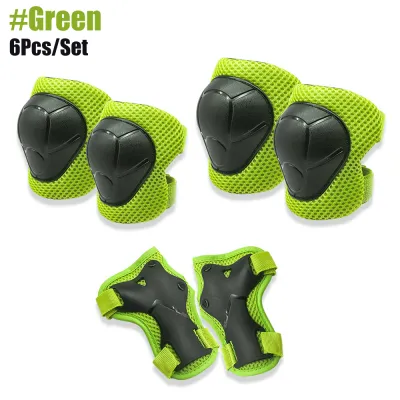
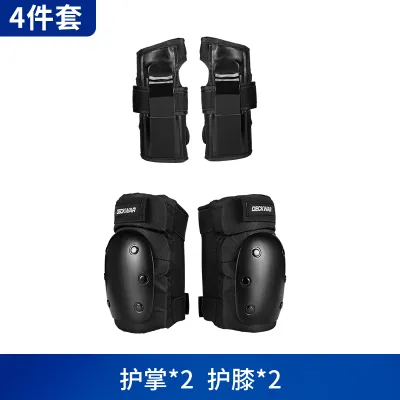
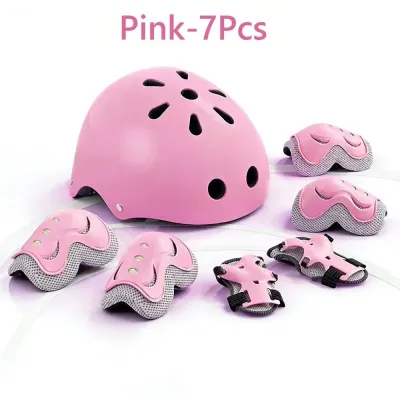
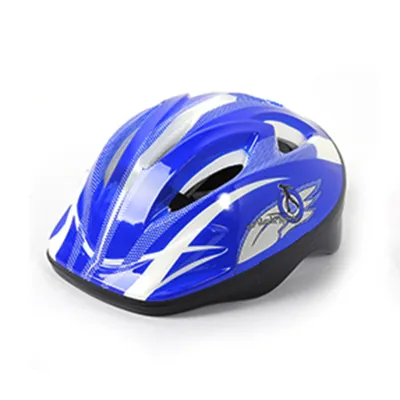
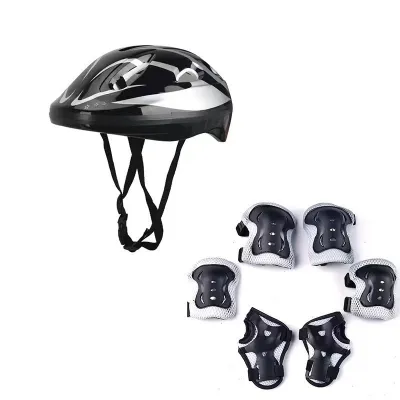
Prices are valid at publication and may change. Please refer to the product page for the latest price.
While advanced skaters might eventually invest in specialized gear like padded crash shorts, shin guards, or slide gloves, these are generally optional for those just starting out. Your primary focus should be on securing high-quality versions of the three core pads. This keeps your initial investment manageable while still protecting the areas most prone to injury.
It is important to remember that protective gear is a safety net, not a substitute for proper technique. Wearing pads should give you the confidence to practice, but you must still focus on learning basic skills like the ready position, safe braking, and controlled falling. Learning to fall forward onto your pads, rather than resisting the fall or falling backward, is a fundamental skill that works in tandem with your gear.
Wrist Guards: Your First Line of Defense
When you lose your balance, your immediate reflex is to extend your arms to catch yourself. This instinctive reaction makes wrist guards the single most critical piece of safety equipment for any inline skater. Without them, a simple forward fall can easily result in severe wrist sprains, hyperextension, or fractures.
To prevent these injuries, look for wrist guards that feature a rigid, impact-resistant plastic splint running along the palm. This splint serves two vital purposes: it supports the wrist joint to prevent it from bending too far backward, and it acts as a slider. When you fall forward, the plastic slides along the pavement, dispersing the forward kinetic energy and reducing the jarring impact transmitted up your arm.
Given the tropical climate of the Philippines, heat and humidity are significant factors to consider when choosing gear. Standard, fully enclosed wrist guards can quickly become hot, sweaty, and uncomfortable. Look for models designed with breathable nylon mesh, open-back structures, or moisture-wicking fabrics to help keep your hands cool and dry during outdoor sessions.
Before making a purchase, always verify the manufacturer’s sizing chart. Do not rely on your standard glove size, as protective gear sizing can vary greatly between brands. Use a flexible measuring tape to measure your hand circumference around the knuckles (excluding the thumb) and your wrist circumference just below the palm to find the correct fit.
Finally, ensure the wrist guards allow full finger mobility. You need to be able to bend your fingers freely to maintain balance, carry your gear, and adjust your skate straps. The guard should firmly immobilize the wrist joint while leaving your fingers completely unrestricted and comfortable.
Knee Pads: Protecting the Most Common Impact Zone
Knee pads are essential for absorbing the shock of forward falls, which are the most common type of fall for beginner skaters. When choosing knee pads, you will primarily decide between hard-shell and soft-shell designs. Hard-shell pads feature a durable plastic cap over thick foam, which is ideal for rough outdoor pavement because it allows you to slide safely during a fall. Soft-shell pads are more flexible and low-profile, but they are generally better suited for smooth indoor rinks or light recreational gliding where sliding protection is less critical.

A proper knee pad must provide full coverage over your entire kneecap and extend slightly above and below the joint. When you bend your knees into a basic skating crouch, the pads should remain centered without pinching the back of your legs or restricting your movement.
Pay close attention to how the pads secure to your legs. Many high-quality models use a sleeve design combined with adjustable Velcro straps. The sleeve, made of elastic neoprene or mesh, helps keep the pad from sliding down your leg during a fall, while the straps allow you to fine-tune the tightness. This dual-fastening system is highly recommended for beginners, as simple strap-on pads without sleeves can easily shift out of place during a hard impact.
Before buying, inspect the product specifications or labels for details on the inner foam. Look for high-density EVA foam, which offers excellent shock absorption. The foam should feel firm to the touch rather than soft and easily compressed, ensuring it can cushion your knees against hard concrete.
Elbow Pads: Assessing the Need for Upper Arm Protection
While wrist and knee pads handle the majority of forward falls, elbow pads are your primary defense against unexpected backward slips. Beginners often struggle with maintaining their center of gravity, occasionally leaning too far back and landing on their elbows. Having reliable elbow protection prevents painful joint contusions, swelling, and skin abrasions during these sudden balance losses.
For recreational inline skating, look for lightweight, low-profile elbow pads. These designs provide sufficient impact protection without feeling bulky or restricting your natural arm swing. Your arms play a vital role in maintaining balance, so your elbow pads should allow you to bend and straighten your arms without resistance.
If you are buying gear for the first time, look for pre-packaged three-piece protective sets that include wrist, knee, and elbow pads. These bundles are often highly cost-effective and ensure that all your pads share a consistent sizing standard and material quality.
Always check the manufacturer’s packaging or online product description to verify the intended use. Ensure the elbow pads are rated for action sports like inline skating or skateboarding, which involve high-velocity impacts on hard surfaces, rather than lighter activities.
Sizing, Fit, and Material Considerations
Finding the right fit is just as important as choosing the right type of pad. Ill-fitting gear can slip out of place during a fall or cause discomfort that discourages you from wearing it. Avoid relying on generic small, medium, or large labels, as sizing standards vary significantly between brands. Instead, use a physical tape measure to measure the circumference of your knees, elbows, and wrists, and compare these numbers directly to the brand’s sizing guide.
In the humid Philippine climate, sweat can cause pads to slip down your limbs. To combat this, look for pads featuring moisture-wicking inner liners and wide, high-quality Velcro straps. Breathable materials not only keep you cooler but also maintain the friction needed to keep the pads securely in place when you sweat.
Once your pads arrive, perform a movement test at home before heading outside. Put on the full set and drop into a basic skating stance—knees bent, torso slightly forward, and arms out. Walk around, bend your joints, and ensure the pads do not restrict your range of motion or pinch your skin.
Be vigilant for signs of a poor fit. If a pad causes numbness, tingling, restricts blood circulation, or leaves deep, painful red marks after a few minutes of wear, it is too tight. Conversely, if you can easily slide a finger under the pad or if it shifts when you shake your limb, it is too loose and will not protect you during a fall.
Budgeting and Building Your Starter Kit
If you are working with a limited budget, prioritize investing in high-quality wrist guards and knee pads first, as these are the areas most likely to sustain impacts. However, for most beginners, purchasing a pre-packaged three-piece pad set is the most economical route. These sets are widely available and offer a balanced level of protection across all three critical joints for a lower total cost than buying each piece individually.
When browsing local sports retailers or established e-commerce platforms in the Philippines, you will find starter pad sets ranging from around ₱800 for basic recreational sets to ₱3,000 or more for heavy-duty, brand-name options. While it is tempting to choose the cheapest option, ensure the pads meet basic safety standards and feature durable hard shells and thick foam.
When purchasing online through e-commerce platforms, always verify the seller’s authenticity. Look for official brand stores or highly rated local distributors to avoid counterfeit products. Check customer reviews specifically for feedback on sizing accuracy and material durability.
Additionally, review the seller’s return and exchange policies before finalizing your purchase. Because precise fit is critical for safety gear, you want the flexibility to exchange your pads for a different size if your home measurements do not translate to a perfect fit.
Pre-Skate Safety Checks and Pad Maintenance
To ensure your protective gear continues to keep you safe, establish a routine of quick pre-skate inspections. Before putting on your pads, check the plastic shells for deep cracks or structural damage. Inspect the Velcro straps for fraying, and ensure the stitching holding the straps to the pad remains secure. If any part of the fastening system is compromised, the pad may fly off during a fall.
Proper maintenance is also essential, especially in warm, humid conditions where sweat and dirt can quickly degrade materials. If your pads have removable liners, wash them regularly according to the manufacturer’s instructions. For non-removable designs, wipe down the hard shells and inner fabric with a damp cloth and mild soap, then allow them to air dry completely.
Know when it is time to retire your gear. Protective pads are designed to absorb impact by sacrificing their own structural integrity. If you experience a severe fall and notice the inner foam has become permanently compressed, or if a plastic splint or shell has cracked, replace the affected pad immediately. Using compromised gear significantly reduces your protection.
Finally, store your pads in a cool, dry, and well-ventilated space. Avoid leaving them in direct sunlight, inside a hot car, or stuffed at the bottom of a damp gear bag. Prolonged exposure to heat and moisture can break down the elastic in the straps and degrade the protective foam, shortening the lifespan of your investment.
Frequently Asked Questions (FAQ)
Do I need a helmet if I already have a full pad set?
Yes, a helmet is an absolute necessity alongside your pad set. While wrist, knee, and elbow pads protect your limbs from fractures and painful road rash, a helmet is designed to protect your head from traumatic brain injuries. Even a minor fall at slow speeds can result in a head impact if you lose your balance backward. Always check local park regulations, community guidelines, or skate spot rules, as many public spaces in the Philippines require helmets for all wheeled sports.
Can I use skateboard pads for inline skating?
In many cases, high-quality skateboard pads can be used for inline skating, but you must check the manufacturer’s intended use and design features first. Skateboard wrist guards and knee pads often share similar hard-shell designs to slide on concrete. However, some skateboard pads are designed specifically for vertical ramp riding and may be bulkier than what you need for recreational inline skating. Always inspect the product label to ensure the pads are rated for multi-sport or roller sports use before substituting them.
How tight should inline skating protective pads be?
Your protective pads should fit snugly enough to stay firmly in place during a fall, but not so tight that they restrict your blood circulation or pinch your skin. A good rule of thumb is that the pads should move with your skin when you twist them slightly, rather than sliding freely over your limbs. Test the fit by putting on the pads and dropping into a slight skating crouch; if you feel any pinching behind your knees or elbows, or if your fingers begin to feel cold or numb, loosen the straps or try a larger size.

Community discussion
Share your experience or ask a question. Comments are reviewed before publication.