
Roller skating is an exciting, fast-paced activity that offers an excellent cardiovascular workout and a great way to explore outdoor spaces. However, for beginners, learning to balance on eight wheels inevitably involves a learning curve that includes slips, trips, and falls. Equipping yourself with the right roller skate safety gear is the single most important step you can take before stepping onto the pavement. This gear does not prevent you from falling, but it is designed to manage impact, absorb shock, and protect your joints and head from serious injury while you build your balance and confidence.
While it can be tempting to focus solely on finding the perfect pair of skates, your protective gear deserves just as much attention. Skates provide the movement, but your safety gear provides the confidence to learn, fail, and get back up again. For beginners, wearing a complete set of protective equipment is not an optional accessory or a sign of weakness; it is a mandatory prerequisite for a safe and sustainable skating journey. By understanding what gear you need and how to select the right fit, you can protect your body and focus on enjoying the ride.
The Core Protective Gear Every Beginner Needs
To skate safely, every beginner should invest in a complete set of protective gear consisting of four essential components: a helmet, wrist guards, knee pads, and elbow pads. Each of these items serves a distinct purpose, targeting the specific areas of the body that are most vulnerable during a fall. Together, they form a comprehensive shield that allows you to practice new skills with peace of mind.
Products mentioned in this guide
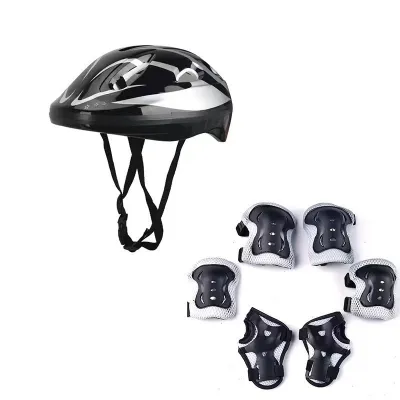
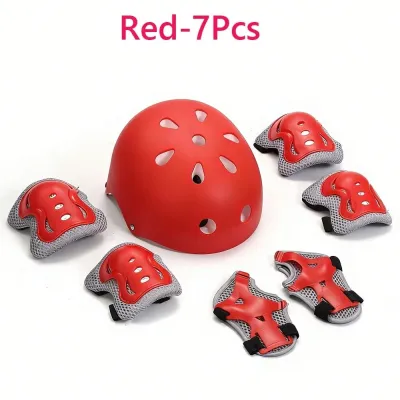
Prices are valid at publication and may change. Please refer to the product page for the latest price.
Understanding beginner fall mechanics helps explain why each piece of gear is non-negotiable. When you lose your balance on roller skates, your body’s natural reflex is to reach out and catch yourself. This instinctual reaction puts immense pressure on your hands and wrists, making wrist guards critical for preventing hyperextension and severe abrasions. Alternatively, if you lose your balance backward, your tailbone and the back of your head become the primary points of concern. Without proper protection, a backward fall can result in significant head trauma.
This risk of backward falls highlights the structural differences between roller skating helmets and standard bicycle helmets. Bicycle helmets are primarily designed to protect the front and top of the head from forward-pitching falls common in cycling. In contrast, roller skating helmets feature a deep-back design that extends lower down the skull. This extra coverage is specifically engineered to protect the occipital lobe at the back of your head during backward slips on wheels.
Skipping even one piece of this core setup leaves a critical vulnerability. A common mistake among beginners is wearing only knee pads or opting out of wrist guards because they feel restrictive. However, a single fall on unprotected wrists or elbows can result in painful injuries that sideline your progress for weeks. Treating your safety gear as a unified, mandatory system ensures that you are prepared for any direction a fall might take you.
How to Choose the Right Helmet for Roller Skating
Selecting a helmet is the most critical decision in your safety gear setup. When shopping, you must look beyond aesthetic designs and focus on verified safety standards. Always check for physical safety certification labels printed on the inside liner of the helmet, such as CPSC (Consumer Product Safety Commission) or EN 1078 certifications. These labels indicate that the helmet has undergone standardized testing to verify its impact-absorption capabilities, whereas uncertified helmets may offer little more than cosmetic appeal.

The construction of the helmet determines how it handles impact. A reliable skating helmet features a hard outer shell, typically made of ABS plastic, which resists punctures and spreads the force of an impact across a wider area. Beneath this shell lies an impact-absorbing inner liner made of expanded polystyrene (EPS) foam. This foam is designed to compress upon impact, absorbing the energy that would otherwise be transferred to your skull. Ensure the manufacturer specifications confirm the presence of a high-density EPS liner rather than soft, non-impact-rated foam.
A secure retention system is equally important for keeping the helmet in place during dynamic movement. Look for helmets equipped with an adjustable dial-fit system at the back of the head, which allows you to fine-tune the snugness of the inner frame. The chin straps should form a clean “Y” shape around your ears and feature a secure, heavy-duty buckle. If a helmet slides forward over your eyes or shifts backward when you shake your head, the retention system is inadequate, and the helmet will not protect you correctly during a fall.
In the warm and humid climate of the Philippines, ventilation is a key comfort and safety factor. Wearing a heavy, unventilated helmet in high temperatures can lead to rapid overheating, dizziness, and excessive sweating, which may tempt you to remove your gear. Look for helmets designed with multiple aerodynamic ventilation ports on the top, front, and back. These vents allow air to circulate over your scalp, keeping you cool during outdoor sessions along local baywalks, subdivision roads, or public parks.
Selecting Wrist, Knee, and Elbow Pads
Joint pads must balance robust impact protection with the flexibility needed to skate comfortably. For wrist guards, look for designs that feature rigid plastic splints on both the palm side and the back of the wrist. The palm splint is particularly crucial; it should be made of a durable, contoured plastic that can slide along the concrete. When you fall forward, this splint absorbs the initial impact and allows your hands to slide forward, dissipating the kinetic energy and preventing your wrist joint from bending backward.
Knee and elbow pads should feature hard plastic caps secured to heavy-duty fabric sleeves. Hard-shell caps are preferable for beginners because they allow you to slide out of a fall on rough surfaces. If your pads grip the ground too abruptly, the sudden stop can transfer the force to your joints or cause you to tumble forward. The backing material of these pads should consist of breathable, moisture-wicking fabric to manage sweat in tropical conditions, preventing skin irritation and keeping the pads from slipping down your limbs.
When evaluating the attachment systems of your pads, look for a combination of sleeve and strap designs. Sleeve-style pads require you to slide your arms and legs through a neoprene or elastic sleeve before securing the Velcro straps. This design ensures that even if a strap comes loose, the pad remains positioned over your joint. The Velcro straps themselves should be wide, elastic, and highly adjustable, allowing you to customize the compression without pinching your skin or restricting your range of motion.
To ensure your pads perform effectively, you must select the correct size based on physical measurements rather than general estimates. Do not rely on your clothing size, age, or height to choose your pads. Instead, use a flexible measuring tape to measure the circumference of your thigh (above the knee), your knee joint, your elbow, and your hand (around the knuckles). Compare these exact measurements to the manufacturer’s specific sizing chart to find a secure, non-slip fit.
Fitting and Adjusting Your Safety Gear Correctly
Even the highest-quality safety gear will fail to protect you if it is worn incorrectly. When putting on your helmet, position it level on your head, sitting approximately two finger-widths above your eyebrows. If the helmet is tilted too far back, your forehead is left exposed; if it is tilted too far forward, it can block your vision. Use the two-finger rule for the chin strap: adjust the tension so that no more than two fingers can fit snugly between the strap and your chin when your mouth is closed.
For wrist guards, ensure the contoured plastic splint is aligned directly with the natural curve of your palm. The curved portion of the splint should sit over the heel of your hand, ready to take the brunt of a forward fall. Secure the middle strap first to lock the splint in place, followed by the top and bottom straps. The guard should feel firm and supportive, restricting your wrist from bending backward while still allowing you to wiggle your fingers freely.
It is vital to recognize the physical signs of an improper fit before you begin skating. If you feel tingling, numbness, or coldness in your fingers or toes, your straps are too tight and are restricting your blood flow. Conversely, if you can easily slide a pad side-to-side or if there are visible gaps between the protective cup and your skin, the gear is too loose. Loose pads will shift during a fall, exposing your bare skin and joints to the hard ground.
Establish a mandatory pre-skate check routine before every single session. Take a moment to inspect all buckles for cracks, ensure the Velcro straps are free of lint and debris that could compromise their grip, and verify that your laces are tied securely. Give each pad a quick tug to confirm it is locked in place. This simple habit takes less than a minute but ensures that your protective gear is fully prepared to perform its job when you need it most.
Budgeting and Buying Tips for Your First Setup
When budgeting for your first roller skating setup, prioritize the quality of your safety gear over aesthetic upgrades or cheap bundled packages. Many entry-level skate packages include low-cost, uncertified pads as a bonus, but these items often lack the structural integrity required for real-world impacts. It is far wiser to allocate a dedicated portion of your budget to a certified helmet and high-quality wrist guards, even if it means choosing a simpler design for your skates.
If you are purchasing your gear from online marketplaces or ecommerce platforms, take the time to evaluate customer reviews carefully. Look for feedback from verified buyers who have actually fallen in the gear, as this provides realistic insights into the durability of the plastic caps and the longevity of the Velcro straps. Avoid listings from unofficial, unbranded sellers that do not clearly state safety certifications or material specifications, as these products may use cheap plastics that crack easily under pressure.
Whenever possible, visit a physical sports store to try on safety gear before making a purchase. Trying on the gear in person allows you to test your range of motion, check for pressure points, and ensure the pads do not pinch your skin when you bend your knees or elbows. If you must buy online, ensure the retailer has a reliable return or exchange policy so you can swap your gear if your initial measurements do not yield a comfortable fit.
Frequently Asked Questions (FAQ)
Can I use a standard bicycle helmet for roller skating?
It is not recommended to use a standard bicycle helmet for roller skating unless the manufacturer explicitly states it is certified for multi-impact skate use. Bicycle helmets are designed to protect against single, high-energy impacts typical of road cycling falls, and they lack the lower back-of-head coverage needed to protect against backward slips on roller skates. Always check the physical certification labels inside the helmet to verify its intended use before skating.
Do I really need elbow pads as a beginner?
Yes, elbow pads are highly recommended for beginners. When you are learning to balance, backward falls can cause your elbows to strike the ground hard, leading to painful joint bruises, bursitis, or severe skin abrasions. Elbow pads provide a cushioned barrier that absorbs these impacts, allowing you to practice your balance on rough outdoor surfaces with significantly reduced risk of joint injury.

Community discussion
Share your experience or ask a question. Comments are reviewed before publication.