
When preparing for family adventures on the water, finding the right safety gear is the most critical step. While many parents search online for a “lifestyle vest for kids,” it is vital to understand the difference between a fashion-focused swim aid and a certified life vest or personal flotation device (PFD). A lifestyle vest for kids might look appealing with bright cartoon characters or trendy patterns, but water sports demand rigorous safety features that go far beyond aesthetics. Whether your family is planning a weekend of island hopping, banana boat rides, or wakeboarding in the tropical waters of the Philippines, a child’s safety depends on verifying specific structural elements, ensuring a precise physical fit, and confirming that the manufacturer’s certifications match the intended activity.
Water sports introduce dynamic risks, including high-speed falls, sudden immersion, and strong currents. Standard swimwear or uncertified flotation toys cannot provide the buoyancy or structural integrity required to keep a child safe in these conditions. Before letting your child step onto a boat or paddleboard, you must know exactly how to inspect a life vest for safety. This guide provides a comprehensive breakdown of the critical safety features, fit requirements, and certification marks you must verify to ensure your child remains safe and secure on the water. Remember that even the most advanced safety equipment can never replace active adult supervision and basic water safety training.
Understanding Flotation Types and Proper Fit
Selecting the correct life vest begins with understanding how flotation devices are categorized and sized. Unlike everyday clothing, which is typically purchased based on a child’s age, life vests must be selected using precise physical measurements. Relying on generalized age ranges like “4 to 6 years” is a common mistake that can lead to a dangerously loose or restrictive fit. Instead, parents must check the manufacturer’s permanent label for the exact weight range and chest size measurements.
Products mentioned in this guide
![[Local Delivery] Kids Swimming Life Vest Cartoon Animals Print Flotage Life Jacket with Lockable Buckles for Girls Boys 2-12 Years](https://img.lazcdn.com/g/p/c663b7d7a306cf5c0523f9e58d0e8bb0.jpg_400x400q80.jpg_.webp)
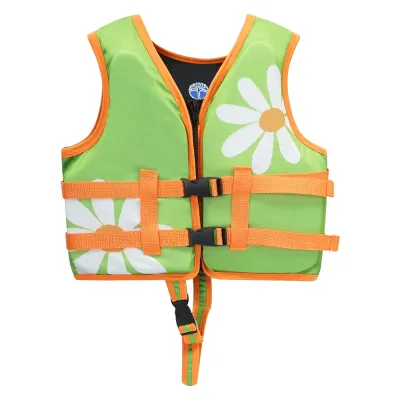
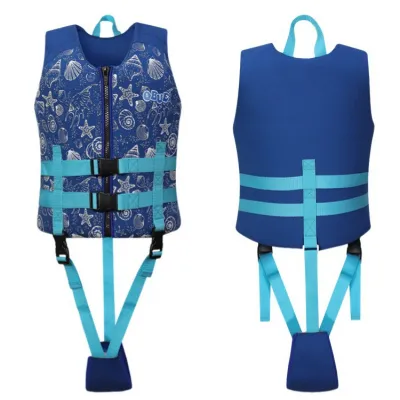
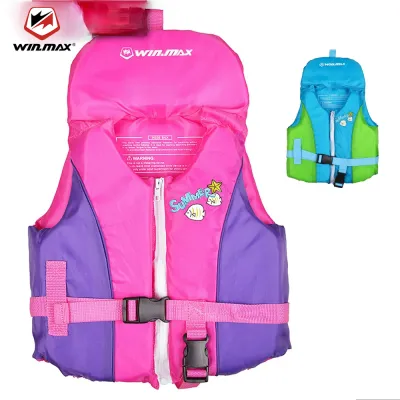
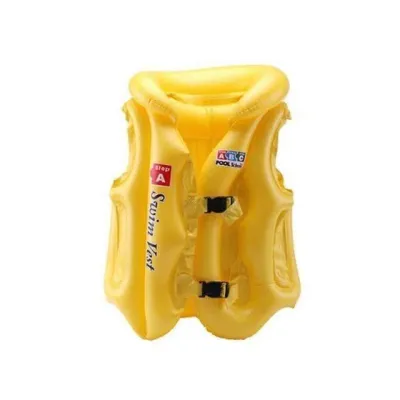
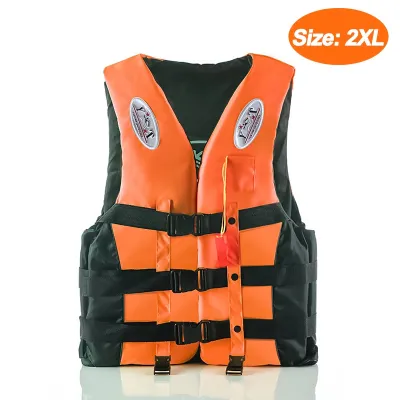
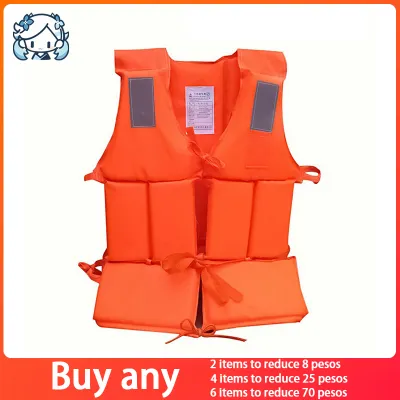
Prices are valid at publication and may change. Please refer to the product page for the latest price.
To find the correct size, weigh your child and measure the widest part of their chest just under the armpits. Compare these measurements directly to the sizing chart printed on the vest’s interior label. A proper fit ensures that the vest’s buoyancy chambers are positioned correctly relative to the child’s center of gravity, allowing the device to perform as designed in the water.
Additionally, you must identify the intended use case printed on the label. Life vests are rated for different types of water activities, ranging from calm, near-shore recreation to high-speed water sports. For active water sports like water skiing, tubing, or riding on a personal watercraft, the vest must be specifically rated for high-impact use. These vests are constructed with durable materials and secure fastening systems designed to withstand the forces of a fall at higher speeds.
Finally, verify the buoyancy rating provided by the manufacturer. Buoyancy is the upward force required to keep a person’s head and shoulders above the water surface. Children’s vests are engineered with specific amounts of flotation foam distributed to support their smaller body mass. Ensuring the vest’s buoyancy rating matches your child’s current weight is essential for preventing fatigue and keeping them in a stable, safe floating position.
Critical Structural Safety Features to Inspect
When evaluating a life vest, you must conduct a thorough physical inspection of its structural components. The materials, stitching, and hardware must be robust enough to withstand the harsh combination of saltwater, intense tropical sun, and physical wear. Inspecting these features before purchase ensures the vest will perform reliably in an emergency.

Secure Straps and Crotch Straps
The fastening system is the primary line of defense keeping the life vest secured to your child’s body. Begin your inspection by examining the number, quality, and securing mechanisms of all adjustable buckles, zippers, and ties. High-quality vests typically feature heavy-duty plastic buckles that snap shut with a distinct, audible click. Zippers should be corrosion-resistant, slide smoothly, and feature a locking mechanism or a hook-and-loop tab at the top to prevent accidental unzipping during active movement.
For infants and young children, a crotch strap is an absolutely non-negotiable safety feature. This strap runs between the child’s legs and connects the front and back of the vest. Without a crotch strap, a child who falls into the water can easily slip straight down through the vest, or the vest can ride up over their chin and ears, blocking their airway and obstructing their vision. Ensure the crotch strap is fully adjustable, padded to prevent chafing, and secured with a heavy-duty buckle.
Once the vest is on, test the tension of all straps. They must be adjusted to fit snugly against the child’s body. A snug fit prevents the vest from shifting in the water, but it must not be so tight that it restricts the child’s breathing or limits their natural range of motion. If you cannot tighten the straps sufficiently without causing discomfort, the vest may be too large.
Grab Handles and Head Support
In an emergency, quick retrieval is paramount. A high-quality kids’ life vest must feature a reinforced grab handle located at the top of the shoulders or collar. This handle allows a parent, lifeguard, or rescuer to quickly grab and lift the child out of the water and onto a boat, dock, or paddleboard. Physically test the stitching strength and attachment points of this handle; it must be securely sewn into the main structural seams of the vest to support the child’s wet weight without tearing.
For infants and toddlers who may not yet know how to swim or keep their heads upright, a built-in head support or flotation collar is essential. This extra cushion of foam is positioned behind the child’s head. In the water, it is designed to naturally roll a fatigued or unconscious child onto their back, keeping their face up and their airway clear of the water.
When testing the vest on dry land, ensure this head support does not push the child’s head forward uncomfortably or block their peripheral vision. The collar should rest flat when the child is upright but provide immediate support the moment they lean back. If the collar forces the chin downward toward the chest, it can create a breathing hazard and should be avoided.
Visibility and Emergency Add-ons
Visibility is a critical factor in water safety, especially in open water or busy boating areas. When selecting a life vest, look for high-visibility base colors such as bright orange, neon yellow, or vibrant pink. These colors stand out sharply against the blue and green hues of the ocean or lake water, making it much easier to keep track of your child from a distance or locate them quickly in an emergency. Avoid dark or muted colors like blue, green, or grey, which can blend in with the water and make a floating child nearly invisible.
In addition to bright base colors, check for reflective tape or panels placed strategically on the shoulders, chest, and back of the vest. These reflective elements are designed to catch and bounce back light, which is crucial for low-light visibility, such as during late afternoon outings, overcast weather, or search-and-rescue operations. Evaluate the placement of these elements to ensure they remain positioned above the waterline when the child is floating upright.
Another essential emergency feature is a marine whistle. Verify if the vest comes equipped with a securely attached, pea-less marine whistle, or if it features a dedicated, reinforced loop where you can attach one. A whistle allows a child to signal for help over the loud noise of wind, waves, and boat engines. Teach your child how to use the whistle and explain that it is strictly for emergencies, ensuring they understand its vital role in their safety.
How to Verify Certifications and Manufacturer Labels
Never purchase a life vest based on its appearance alone. To guarantee that a vest meets rigorous safety standards, you must verify its certifications. Locate the permanent manufacturer label, which is typically printed or sewn onto the inside lining of the vest. This label serves as the official record of the vest’s safety compliance and performance capabilities.
Look for recognized maritime, coast guard, or national safety authority approval marks. In many regions, certifications from the United States Coast Guard (USCG), Transport Canada, or European CE standards are widely recognized as benchmarks of quality. In the Philippines, look for approval marks recognized by local maritime authorities or international safety bodies. These marks indicate that the vest design has undergone rigorous testing for buoyancy, material durability, and structural integrity.
Take the time to read the specific limitations, warnings, maintenance instructions, and intended use cases printed directly on the label. The label will specify whether the vest is suitable for high-speed water sports, calm inland waters, or near-shore activities. It will also outline care instructions, such as rinsing the vest with fresh water after use in saltwater and drying it out of direct sunlight to prevent the degradation of the flotation foam.
Reject any vest that has a missing, faded, or illegible certification label. Without a clear, readable label, you cannot verify the vest’s weight limits, buoyancy rating, or safety compliance. Using an uncertified or unlabelled vest puts your child at significant risk, as there is no guarantee the materials will hold up under pressure or provide the necessary flotation.
Testing the Fit and Function Before Water Entry
Before your child gets anywhere near the water, you must perform a dry-land fit test to ensure the vest is correctly adjusted and safe for immediate use. Start by putting the vest on the child, fastening all zippers and buckles, and tightening the straps until they are snug.
Perform the “lift test” to verify the fit. Stand behind your child, slide your hands under the shoulder straps of the vest, and pull upward firmly. If the vest slides up past the child’s chin, nose, or ears, it is too loose or too large. A properly fitted vest will stay securely in place, and the child’s shoulders will lift along with the vest. If it slides up, tighten the straps further and test again; if it still slides up, you need a smaller size.
Next, have your child move around to test their range of motion. Ask them to swing their arms in circles, bend over to touch their toes, and simulate swimming strokes. Check for any areas where the fabric or straps rub against their skin, particularly around the armpits and neck, as friction can cause painful chafing during extended water activities. The vest should feel secure and comfortable, allowing them to move naturally without restriction.
Finally, establish a routine to re-evaluate the fit periodically. Children grow rapidly, and a vest that fit perfectly at the start of the summer may become too small or tight within a few months. Additionally, always re-check the fit if your child changes their swimwear. A vest adjusted for a thin swimsuit may fit differently when worn over a thick UV-protection rash guard or a neoprene wetsuit. Regular checks ensure your child is always protected by a perfectly fitted device.
Frequently Asked Questions (FAQ)
Can a child use an adult life vest if it is tightened completely?
No, a child must never wear an adult life vest, regardless of how tightly you adjust the straps. Adult vests are engineered for adult body proportions, chest sizes, and weight distribution. When a child wears an adult vest, the armholes and neck openings are far too large. If the child falls into the water, the vest will immediately float upward, and the child can easily slip out through the bottom of the vest. Furthermore, the excess flotation material in an adult vest can force a child’s head forward or prevent them from maintaining a stable, face-up floating position, creating a severe drowning hazard.
Are inflatable life vests safe for young children in water sports?
Inflatable life vests are generally not safe or recommended for young children. Most manufacturers and maritime safety authorities restrict the use of inflatable personal flotation devices to older children (typically 16 years and older) and adults. Inflatable vests require manual activation via a pull-cord or rely on automatic inflation mechanisms that require meticulous maintenance and testing. Young children may lack the cognitive ability, physical strength, or presence of mind to manually inflate a vest during a high-stress emergency. For children, always choose an inherently buoyant vest filled with high-quality flotation foam, which provides instant, reliable buoyancy the moment they touch the water.

Community discussion
Share your experience or ask a question. Comments are reviewed before publication.