
Starting your roller skating journey is exciting, but stepping onto wheels for the first time can feel unstable. To begin safely without overspending, you only need a specific, high-priority set of gear. The absolute minimum protective gear set consists of a helmet, wrist guards, and knee pads. This combination directly targets the most common impact zones for beginner skaters. While high-quality gear significantly reduces the risk of scrapes, bruises, and joint injuries, it is important to remember that equipment cannot replace basic balance training and learning how to fall correctly. Before you roll out onto your local street or basketball court, securing this core set is your first and most important step.
The Absolute Minimum Gear Every Beginner Needs
When you are learning to balance on skates, your body will naturally try to correct itself in unpredictable ways. The universal baseline protection set—comprising a helmet, wrist guards, and knee pads—is non-negotiable for every beginner. These three items protect the areas most vulnerable to sudden impacts during your initial learning phase.
Most beginner falls occur in two primary directions: forward drops and backward slips. When you lose balance forward, your instinct is to drop to your knees and reach out with your hands. This action puts immense pressure on your wrists and kneecaps. Conversely, slipping backward can cause your feet to shoot forward, risking a direct impact to the back of your head.
Products mentioned in this guide
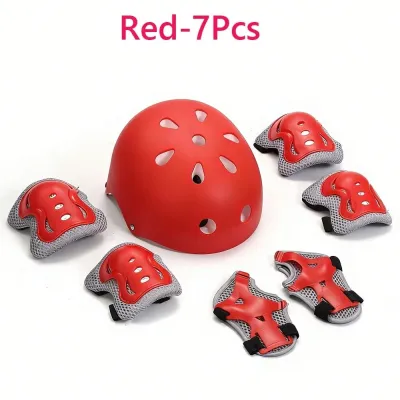
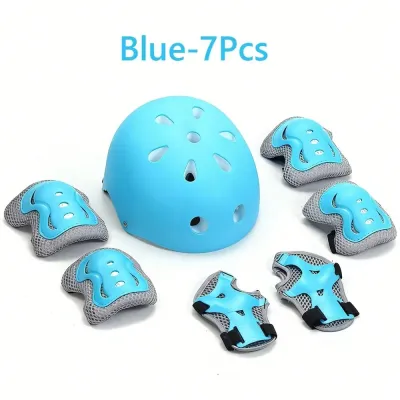
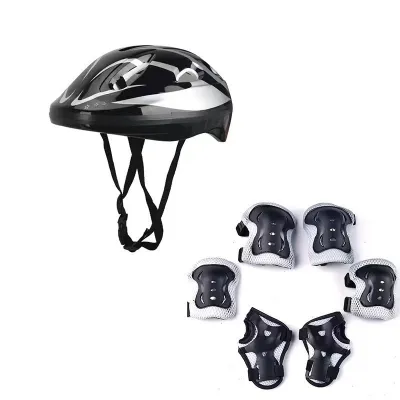
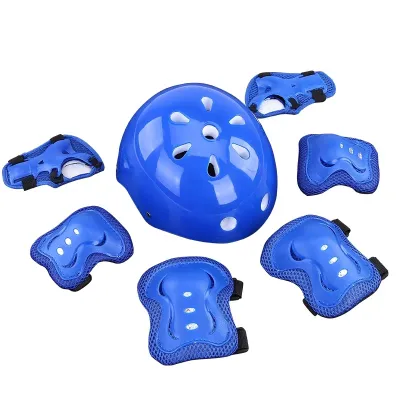
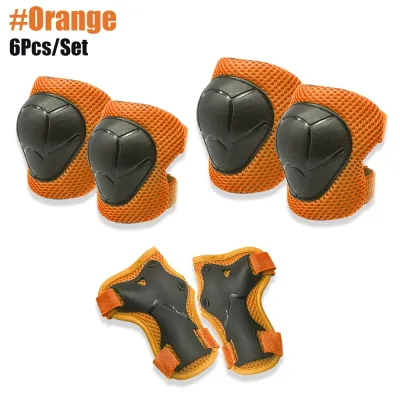
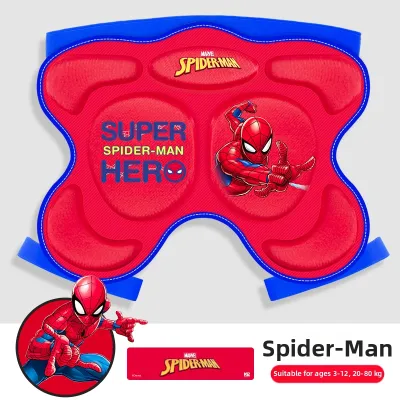
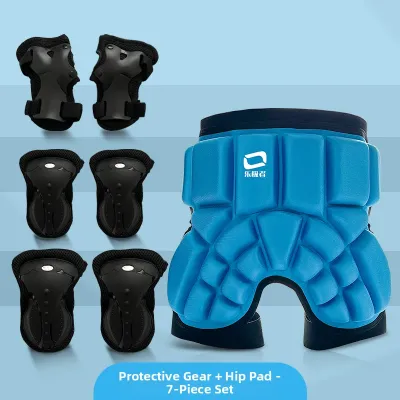
Prices are valid at publication and may change. Please refer to the product page for the latest price.
Because these fall patterns are so common, you should never practice skating without this core set properly fitted. Even if you are only practicing basic standing postures on a carpet or a smooth living room floor, a sudden slip can happen in a split second. Establishing a strict habit of wearing your core gear from day one builds safety discipline and gives you the confidence needed to progress.
Match Your Protection to Your Skating Style
Your risk profile changes depending on the type of skates you wear and where you choose to practice. Understanding these variables helps you select the right gear specifications without overbuying unnecessary items.

Quad roller skates and inline skates have different balance mechanics that influence how you fall. Quad skates, with their wider, rectangular wheel base, offer excellent lateral stability but are more prone to tipping backward or forward if you lean too far. Inline skates, with wheels arranged in a single line, provide great forward-and-backward stability but require more ankle strength to prevent side-to-side wobbling. Consequently, inline skaters often trip forward over small obstacles, while quad skaters are more susceptible to slipping backward when their center of gravity shifts behind their heels.
The skating environment also dictates your protection needs. Indoor rinks feature smooth, polished wood or concrete surfaces that offer predictable grip and less abrasive falls. Outdoor settings, such as public parks, neighborhood roads, or local concrete basketball courts, present rough asphalt, cracks, twigs, and loose gravel. Outdoor skating increases both the likelihood of tripping and the severity of skin abrasions, making durable, impact-resistant gear essential.
Finally, consider your skating intensity. Casual cruising at slow speeds requires lightweight, highly breathable gear, especially in hot and humid tropical climates. If you plan to transition into aggressive skatepark skating, roller derby, or high-speed downhill coasting, the risk of high-velocity impacts rises dramatically. These advanced disciplines require specialized, heavy-duty gear designed to withstand repetitive, hard impacts against ramps and rails.
The Core Protective Gear Checklist and Fit Guide
Selecting the right gear requires looking past bright colors and focusing on structural design and physical fit. Each piece of equipment must be evaluated against specific criteria to ensure it performs when needed.
Helmets
When choosing a helmet, look for skate-specific designs rather than general bicycle helmets. Skate helmets are characterized by a lower profile that extends down the back of the skull to protect the occipital lobe during backward falls. To check the fit, place the helmet level on your head; it should sit about two finger-widths above your eyebrows and should not tilt backward, exposing your forehead. The straps must form a clean “Y” shape just below your earlobes, and the chin strap should be snug enough that opening your mouth wide pulls the helmet down slightly.
Wrist Guards
Wrist guards are arguably the most critical piece of safety gear for beginners. A functional wrist guard must feature a rigid, contoured plastic splint on the palm side. This splint absorbs the force of a fall and allows your hand to slide forward on the pavement, preventing the wrist from hyperextending. When fitting wrist guards, ensure the straps secure the splint firmly against your palm and wrist without cutting off blood circulation or causing your fingers to tingle.
Knee Pads
For beginners, hard-shell knee pads are highly recommended over soft-shell options. Hard-shell pads feature a durable plastic cap over thick foam padding, allowing you to slide safely on your knees during a forward fall. Soft-shell pads are lighter and more flexible but offer less protection against hard impacts and rough asphalt. To verify the fit, bend your knee to a 90-degree angle; the pad must remain centered over your kneecap without shifting or gaping at the edges.
Elbow Pads
Elbow pads are often sold alongside knee and wrist guards in convenient three-pack sets. While flat-ground beginners skating at slow speeds may find elbow pads optional, they quickly transition to essential gear if you skate outdoors on rough surfaces or begin practicing transitions and spins. If your local skating venue features rough concrete, wearing elbow pads prevents painful scrapes on a joint that has very little natural padding.
Gear You Can Safely Skip or Delay Buying
As a beginner, it is easy to get overwhelmed by the wide variety of protective accessories available. Knowing what you can safely skip helps you allocate your budget toward high-quality core gear.
Padded shorts, often called crash pants, feature foam or plastic inserts designed to protect the hips, thighs, and tailbone. While highly beneficial for ice skaters, aggressive ramp skaters, or those learning complex artistic jumps, they are generally an unnecessary expense for flat-ground beginners. By practicing a proper “derby stance”—keeping your knees bent, your chest forward, and your weight centered over your toes—you naturally lower your center of gravity and reduce the likelihood of falling directly onto your tailbone.
Mouthguards and heavy-duty body armor are also unnecessary for general beginner cruising. These items are designed for high-impact contact sports like roller derby or extreme skatepark tricks. Wearing heavy body armor in warm, humid climates can lead to rapid overheating and fatigue, which actually increases your risk of losing balance.
Additionally, you should avoid relying on external ankle braces or rigid supports unless prescribed by a medical professional. While beginners often worry about weak ankles, relying on a rigid brace prevents the natural development of the tendons and muscles needed for skating balance. Instead, focus on purchasing a supportive, properly fitting skate boot that wraps snugly around your ankle joint, allowing your body to build strength naturally over time.
How to Verify Fit and Read Safety Labels
Before you head outside, you must perform practical checks to ensure your gear will function correctly during a fall. Do not rely solely on size charts or marketing claims.
Once your gear is fully strapped on, perform a physical “shake test.” Bend your knees, swing your arms, and walk around. If any pad slides down your leg, twists around your arm, or gaps away from your joints, the fit is incorrect. The gear should feel snug and secure, acting as an extension of your body without restricting your natural range of motion.
Always read the manufacturer labels inside your gear. Look for certifications indicating the gear has been evaluated for roller sports. The label should also specify weight limits and age ranges. Avoid using generic, unbranded toy-grade pads, which often use thin foam and brittle plastics that can crack upon first impact.
Establish clear stop conditions for your gear. If you experience numbness, tingling, or restricted blood flow while wearing your pads, stop skating immediately and loosen the straps or try a larger size. Furthermore, if a piece of gear suffers a major impact, inspect it closely; cracked plastic shells or compressed foam liners mean the gear has done its job and must be replaced to maintain safety.
Frequently Asked Questions (FAQ)
Can I use a bicycle helmet for roller skating?
While a bicycle helmet is better than no protection, it is not ideal for roller skating. Bicycle helmets are specifically designed to protect against single, high-impact forward falls common in cycling, and they typically leave the back of the head exposed. Skate-specific helmets offer lower coverage at the rear of the skull to protect against backward slips and are often constructed to withstand multiple minor impacts.
Should I buy used protective gear to save money?
You should avoid buying used helmets, as internal foam damage from a previous impact can be completely invisible from the outside. However, you can safely purchase second-hand soft goods like knee, elbow, and wrist pads if you inspect them thoroughly. Ensure the plastic caps have no deep cracks, the velcro straps still hold firmly, and the fabric can be thoroughly washed to maintain hygiene in warm, humid climates.

Community discussion
Share your experience or ask a question. Comments are reviewed before publication.