
Starting spearfishing in the warm, biodiverse waters of the Philippines is an exhilarating way to connect with the ocean and harvest your own sustainable meals. However, transitioning from simple snorkeling to active underwater hunting requires a specialized set of gear designed for safety, efficiency, and respect for the marine environment. Selecting the right pana sa isda sa dagat (sea fishing spear) and its supporting equipment is the first critical step for any aspiring local spearo.
To begin spearfishing safely, you must view your gear as a complete life-support and harvesting system. Unlike land-based fishing, spearfishing is a physical discipline rooted in freediving. Your equipment must allow you to move silently, conserve oxygen, and manage catches without attracting unwanted marine predators or putting yourself in danger.
Core Safety and Dive Essentials
Before you ever touch a speargun, you must secure the foundational freediving equipment that keeps you safe and comfortable underwater. Standard snorkeling gear is rarely sufficient for the demands of breath-hold diving and hunting. Investing in dedicated freediving gear ensures you can focus on your surroundings rather than struggling with your equipment.
Products mentioned in this guide
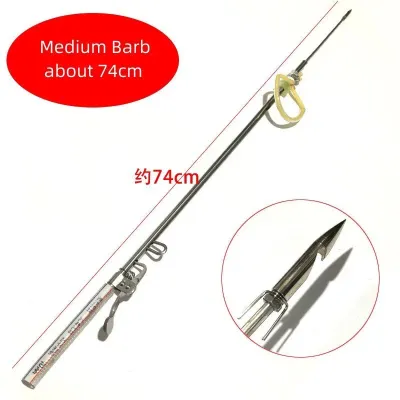
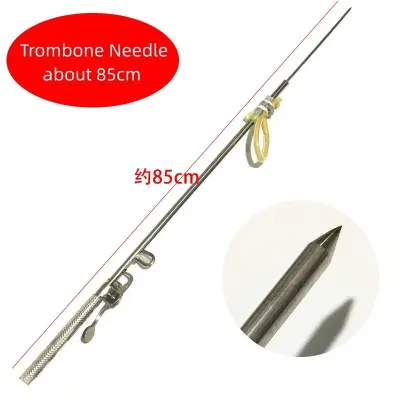
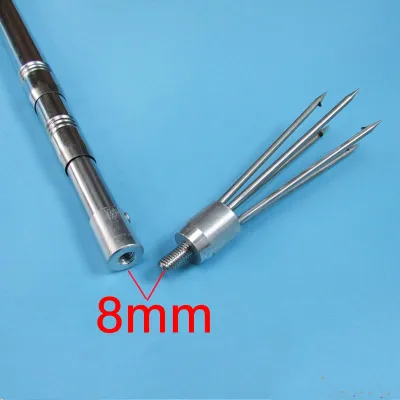
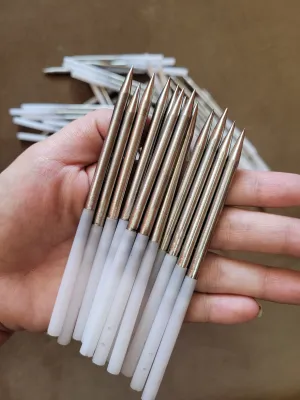
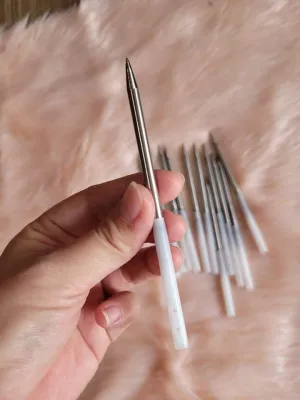
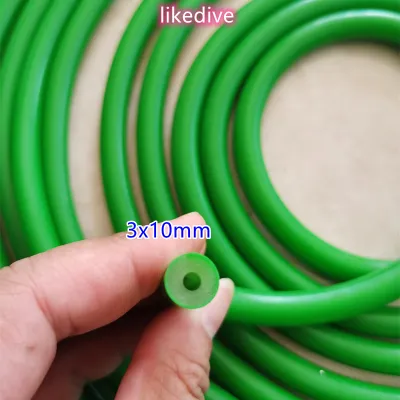
Prices are valid at publication and may change. Please refer to the product page for the latest price.
Your mask is your window to the underwater world, and a low-volume freediving mask is highly recommended. Low-volume masks have less air space inside, which means you use less precious breath to equalize the pressure as you descend. Pair this with a simple, highly flexible snorkel that lacks purge valves or dry-top mechanisms. Flexible snorkels bend easily when moving through rocky crevices and do not vibrate or pull on your mask strap in strong coastal currents.
Propulsion in saltwater requires long-blade freediving fins. These fins are significantly longer than standard snorkeling fins, providing maximum thrust with minimal leg movement to conserve your oxygen. To offset the natural buoyancy of your body and exposure suit, you will need a weight belt. A rubber weight belt is far superior to nylon because it stretches and stays in place on your hips as your wetsuit compresses at depth. Ensure your belt features a quick-release buckle that can be discarded instantly in an emergency.
Tropical waters may feel warm, but prolonged exposure will drain your body heat and leave you shivering. A thin wetsuit (1.5mm to 2mm) or a high-quality rash guard provides essential thermal protection. More importantly, exposure suits shield your skin from the intense tropical sun, stinging jellyfish, and accidental contact with sharp coral reefs or stinging hydroids.
Never enter the water without two non-negotiable safety tools: a sharp dive knife and a highly visible dive float. Your knife should be mounted in an easily reachable position, such as on your forearm or the inside of your calf, to cut yourself free from discarded fishing lines or nets. A bright orange or red dive float equipped with a diver-down flag is your only protection against local motorized outrigger boats, known as bangkas, which frequent shallow coastal waters.
Choosing Your First Speargun
Selecting your first pana sa isda sa dagat requires balancing power, maneuverability, and ease of use. For absolute beginners, the choice generally comes down to a simple pole spear or a mechanical, band-powered speargun. Understanding the environments where you will hunt will help you make the right choice.

A pole spear is a long shaft with an attached elastic rubber loop at the back. It is highly affordable, incredibly durable, and teaches you the essential skill of stalking fish closely. However, its range is limited. A band-powered speargun uses a trigger mechanism to hold and release a spear shaft under tension, offering significantly greater range, accuracy, and power for targeting reef fish.
For the shallow reefs, rocky outcrops, and typical coastal visibility found in the Philippines, a speargun length of 75cm to 90cm is the ideal starting point. This size is short enough to maneuver easily around tight coral structures and underwater caves, yet long enough to provide sufficient range when fish keep their distance. Longer guns are difficult to load and track through the water, especially for beginners building their technique.
When evaluating a speargun, look for a setup with a single or double 14mm or 16mm rubber band. The shaft should be made of durable stainless steel or spring steel, typically 6.5mm to 7mm in thickness, to resist bending when striking rocky bottoms. Ensure the trigger mechanism is constructed from high-quality stainless steel rather than cheap plastic, and verify that it engages and releases smoothly under tension.
Keep in mind that entry-level spearguns have clear limitations. They are designed for targeting small to medium reef species, such as surgeonfish, rabbitfish, and small snappers. Attempting to use a light reef gun in deep bluewater environments or strong offshore currents will likely result in bent shafts, broken lines, and lost fish, as these settings require heavy-duty multi-band guns with breakaway float lines.
Terminal Tackle and Retrieval Gear
The components that connect your spear shaft to your gun and float are just as critical as the gun itself. This terminal tackle ensures that once you shoot a fish, you can retrieve it safely without damaging your gear or losing the catch to the reef.
Most beginner spear shafts come equipped with a flopper, also known as a Tahitian style shaft. A flopper is a small, hinged metal barb near the tip of the spear that lies flat during flight but opens up once it passes through a fish, preventing the catch from sliding off. For larger, soft-fleshed fish, some divers use slip tips, which detach from the shaft and remain on a small cable to prevent the fish from tearing itself free. However, for general reef hunting, a standard flopper is simpler and highly effective.
Your shaft must be rigged to your gun using a durable shooting line, typically made of heavy monofilament or braided Dyneema. A rubber shock absorber, or bungee, should be integrated into this line system. The shock absorber cushions the sudden impact when a shot fish runs, preventing the line from snapping and reducing the wear on your gun’s connection points.
Managing your catch safely is a major priority in tropical waters. Never attach a fish stringer or catch bag directly to your body, weight belt, or speargun. The scent of a struggling, bleeding fish can quickly attract predators like moray eels, barracudas, or reef sharks. Instead, attach your fish stringer strictly to your trailing dive float, keeping the catch several meters away from your body at all times.
Before every single dive, perform a thorough inspection of your terminal tackle. Check the monofilament line for nicks or abrasions caused by sharp coral, ensure the metal crimps are secure, and verify that the swivels spin freely. A single weak point in your rigging can result in a lost shaft and a ruined day of diving.
Pre-Dive Checks and Responsible Practices
Spearfishing is a sport where safety and environmental stewardship must always come first. Establishing a strict pre-dive routine and understanding local marine laws will protect both you and the delicate ecosystems you explore.
Before entering the water, execute a systematic gear check with your dive buddy. Confirm that your mask seal is clean, your snorkel is clear, your weight belt quick-release is functioning, and your dive knife is easily accessible. Test your speargun safety switch, and ensure your bands are free of deep cracks or dry rot. Always dive with a partner using the “one diver down, one diver watching” system to monitor for shallow water blackout.
In the Philippines, coastal waters are heavily regulated. You must verify the boundaries of local Marine Protected Areas (MPAs) and municipal fishing ordinances before you dive. Many municipalities prohibit spearfishing entirely within designated sanctuaries, while others require specific permits. Always check in with the local barangay hall, municipal tourism office, or Bantay Dagat (sea patrol) representatives to ensure you are diving legally.
Practice sustainable harvesting by targeting only abundant, non-protected species that you intend to eat. Avoid shooting undersized juvenile fish, spawning aggregations, or ecologically vital species like parrotfish, which play a crucial role in maintaining coral reef health. Never shoot at a fish unless you can clearly identify the species and are confident of a clean, ethical shot.
Finally, establish clear abort conditions before your fins touch the water. If you experience difficulty equalizing your ears, muscle cramps, or sudden equipment malfunctions, terminate the dive immediately. Pay close attention to changing weather patterns, such as sudden wind shifts or rising swells, and exit the water well before conditions become hazardous.
Building Your Starter Kit on a Budget
Assembling your first spearfishing kit does not require spending a fortune, but it does require smart prioritization. Knowing where to invest your money and where you can safely economize will help you build a reliable setup without compromising your safety.
Your primary financial investment should go toward gear that requires a perfect personal fit. A high-quality, low-volume mask and comfortable freediving fins cannot be compromised. An ill-fitting mask that constantly leaks or fins that cause painful blisters will ruin your dive and can create dangerous distractions underwater. These items should be purchased new after trying them on in a local dive shop.
Conversely, several accessories can be sourced affordably or safely improvised. A highly functional dive float can be constructed from a bright orange, heavy-duty plastic container or an old buoy, provided you securely attach a weighted dive flag to it. You can also source lead weights locally and thread them onto a basic, durable rubber strap rather than buying expensive imported weight systems.
Avoid the temptation to buy heavily discounted, unbranded spearguns or safety gear from unverified online marketplaces. Cheap trigger mechanisms are prone to sudden failure, which can lead to accidental discharges that threaten your life or the lives of those around you. Stick to established, reputable brands for your speargun, shaft, and safety knife.
Lastly, remember to budget for ongoing maintenance costs. Tropical heat, intense sunlight, and saltwater are highly corrosive and degrade rubber quickly. Expect to replace your speargun bands and shooting lines at least once a year. Keeping a small budget aside for replacement crimps, line, and a metal file to sharpen your spear tips will keep your gear performing reliably for years to come.
Frequently Asked Questions (FAQ)
Do I need a permit to spearfish in Philippine waters?
Yes, depending on the municipality. Under national fisheries laws, municipal waters (up to 15 kilometers from the shoreline) are managed by local government units. Many municipalities require recreational fishers and spearos to register, pay a environmental fee, or secure a local permit. Always consult the local barangay hall, municipal agriculture office, or tourism desk before entering the water to ensure you comply with local ordinances.
Is it legal to use scuba gear while spearfishing?
No. Using scuba or any other compressed air breathing apparatus for spearfishing is strictly prohibited under Philippine national law (specifically Republic Act 8550, as amended by Republic Act 10654). This regulation is designed to protect marine life from overexploitation, as scuba gear allows divers to stay underwater indefinitely and target fish without the natural limits of breath-hold diving. Spearfishing must only be practiced while freediving.
How should I clean my speargun after saltwater use?
To prevent corrosion and maintain the integrity of your gear, rinse your speargun thoroughly with clean fresh water after every dive. Pay special attention to flushing out the trigger mechanism and the shaft track to remove salt crystals and sand. Soak the gun’s muzzle and trigger area in fresh water for a few minutes, then allow the entire setup to dry completely in a shaded, well-ventilated area. Never leave your speargun drying in direct sunlight, as UV rays rapidly degrade the rubber bands.

Community discussion
Share your experience or ask a question. Comments are reviewed before publication.