
When you first lace up a pair of roller skates, the sheer volume of available add-ons can be overwhelming. To start safely and avoid overspending, you only need to focus on two categories: protective gear to prevent immediate injury and basic maintenance tools to keep your skates rolling. Everything else, from flashy light-up wheels to high-end bearings, can wait until you establish your skating style and preferred terrain.
The Non-Negotiables: Safety Gear You Must Have
Roller skating is a high-risk sport where falls are part of the learning curve. Before stepping onto any pavement or rink floor, you must prioritize protective gear. Equipment cannot replace proper training, balance, or judgment, but it serves as your primary defense when a fall occurs.
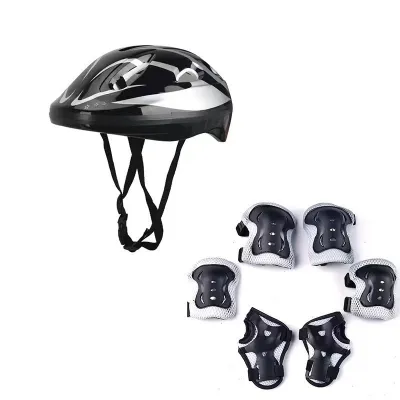
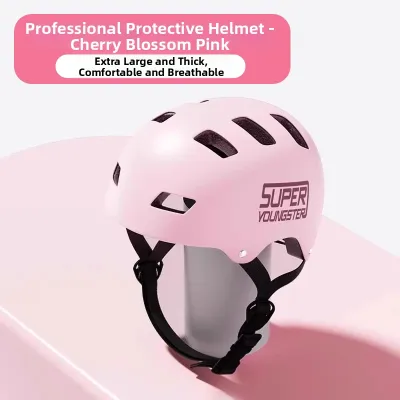
A properly fitted helmet is the most critical piece of safety gear. When selecting a helmet, check the product packaging or the interior liner for recognized safety certification labels, such as CPSC or ASTM standards. The helmet must sit level on your head, covering your forehead, with the straps forming a clean “V” shape under your ears. Ensure the chin strap is snug enough that opening your mouth pulls the helmet down slightly, preventing it from shifting during an impact.
Products mentioned in this guide
Prices are valid at publication and may change. Please refer to the product page for the latest price.
Wrist guards, knee pads, and elbow pads complete your protective suite. To find the correct size, use a flexible measuring tape to measure the circumference of your joints according to the manufacturer’s guidelines. Hard-shell pads feature plastic caps that slide on rough concrete, dispersing impact energy, while soft-shell pads offer more flexibility but less abrasion resistance on outdoor surfaces. Perform a quick mobility check by bending your joints; the pads should stay firmly in place without pinching your skin or restricting your natural range of motion.
If your physical measurements fall directly between two standard sizes on a brand’s chart, do not guess. Stop and consult the manufacturer’s specific sizing recommendations or customer support. A pad that is too loose will slide off during a fall, while one that is too tight can restrict blood circulation and cause cramping during your sessions.
Essential Maintenance and Comfort Accessories
Once safety is secured, a few practical accessories will keep your skates functional and comfortable. Roller skates are mechanical assemblies subjected to constant vibration, meaning nuts and bolts will naturally loosen over time.

A dedicated skate tool, such as a multi-functional T-tool or a set of Allen wrenches, is indispensable. You must match the sockets and wrenches of the tool to your skate’s specific axle nuts, kingpins, and toe stop mounting bolts. Regularly checking these connections before each session prevents wheels from flying off or toe stops from spinning loose mid-stride.
Toe guards or scuff protectors are simple covers that shield the front of your skate boots from drag damage. Beginners frequently scrape their toes against the ground when falling or practicing stops. Verify that the toe guard material—typically thick leather, durable synthetic suede, or molded plastic—is compatible with your boot shape, and apply it securely under your toe stop or front laces to preserve your boots.
In tropical climates where high humidity and heat lead to heavy sweating, moisture-wicking socks are a necessity rather than a luxury. Standard cotton socks tend to retain moisture, which softens the skin and leads to painful friction blisters. Opt for synthetic or merino wool blends that pull sweat away from your feet. Pay close attention to thickness; a sock that is too thick can make a snug boot painfully tight, while a sock that is too thin might fail to cushion high-friction areas around your ankles.
Optional Upgrades: What to Skip for Now
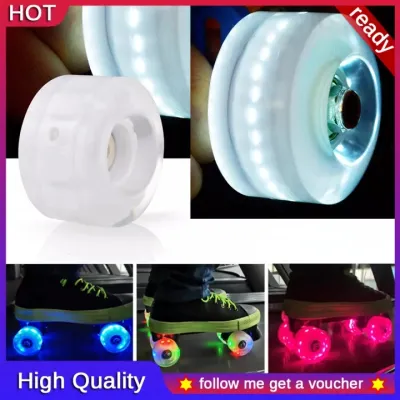
It is easy to get distracted by the vibrant array of aesthetic upgrades available on online marketplaces. However, decorative additions like light-up wheels, custom-colored laces, and wing charms do not improve your skating performance or stability. As a beginner, your focus should remain on mastering basic balance, strides, and stops rather than customizing your look.
High-end bearing upgrades and specialized skate bags are also unnecessary expenses during your first few months. Standard bearings that come pre-installed on beginner skates are more than adequate for learning control at moderate speeds. You only need to upgrade your bearings when you start skating in wet or dusty conditions that compromise their rotation, or when you transition to advanced disciplines. Similarly, any sturdy backpack with external straps or a simple duffel bag can transport your skates safely; a dedicated skate bag is only required when you travel frequently or need specialized compartments.
Additionally, avoid purchasing specialized indoor or outdoor wheel sets immediately. Most beginner skates come with hybrid wheels designed to handle a variety of surfaces. Wait until you have determined where you skate most often—whether it is a smooth indoor rink or a rough outdoor asphalt park—before investing in wheels with specific hardness ratings (durometers) tailored to those environments.
How to Build Your First Accessory Kit on a Budget
Building your first kit does not require a massive financial investment if you prioritize your purchases logically. Allocate the majority of your ₱ budget toward certified safety gear and ensuring your skates fit perfectly. Saving money on cheap, uncertified helmets or pads is a safety risk that can lead to costly medical bills later.
Before buying everything new, inspect any existing sports gear you might own. For example, a multi-sport helmet or heavy-duty knee pads from skateboarding or aggressive inline skating may safely meet your roller skating needs, provided they are free of cracks, deep gouges, or degraded foam. However, standard cycling helmets often lack the rear-head coverage required for backward falls common in roller skating, so inspect their design carefully before relying on them.
Establish clear trigger conditions for when to upgrade your gear. You should only replace your initial accessories when you observe clear signs of wear, such as frayed straps, cracked plastic shells, or compressed foam that no longer cushions impacts. If you experience persistent physical discomfort or find that your current wheels are slipping excessively on your local skating surface, that is your cue to invest in targeted upgrades that directly address those limitations.
Frequently Asked Questions (FAQ)
Can I use a bicycle helmet for roller skating?
Standard bicycle helmets are primarily designed to protect against forward-impact falls common in cycling, often leaving the back of the head exposed. Roller skating, especially for beginners, frequently results in backward falls where the back of the skull is highly vulnerable. Check the helmet’s interior certification label to verify if it meets multi-impact standards or is explicitly rated for roller skating. If your bicycle helmet lacks this specific coverage and design, you should purchase a dedicated skate helmet to ensure adequate protection.
Do I need special socks for roller skating?
You do not necessarily need to buy expensive, skate-specific socks, but your choice of footwear is critical for comfort and control. The sock’s thickness directly influences how your foot sits inside the boot; a sock that is too thick can restrict toe movement, while a thin sock can cause your heel to slip, reducing your stability. Standard athletic socks made of moisture-wicking synthetic blends are usually sufficient for beginners. Invest in specialized, reinforced skate socks only if you experience persistent blisters, ankle chafing, or if you skate in extremely hot, humid conditions where standard socks fail to manage sweat.

Community discussion
Share your experience or ask a question. Comments are reviewed before publication.