
A Xiaomi walking pad can be quiet enough for condo living, but its suitability depends heavily on how you manage physical vibration and sound transmission. While the motor itself operates at a relatively low hum, the impact of your feet striking the deck can easily travel through shared walls and floors. Achieving a neighbor-friendly setup requires understanding how sound travels in your specific building and taking proactive steps to isolate the machine.
Identifying Noise and Vibration Sources in Walking Pads
To address noise concerns, it helps to distinguish between airborne sound and structure-borne vibration. Airborne noise includes the hum of the electric motor and the physical friction of the belt sliding over the deck. This is generally a consistent, mid-frequency sound that is easily blocked by standard drywall and closed doors.
Structure-borne vibration, however, is the primary source of neighbor complaints. When your heel strikes the walking deck, it sends low-frequency kinetic energy directly into the frame and down into the floor. This energy travels through solid building materials, turning your floor into a giant speaker diaphragm for the unit below.
Products mentioned in this guide
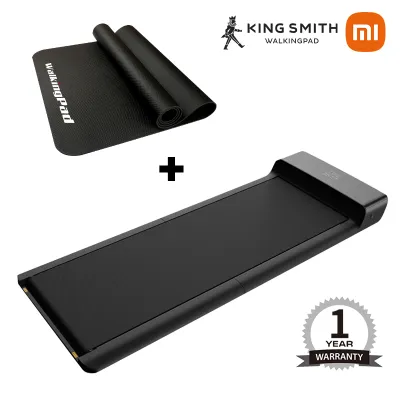
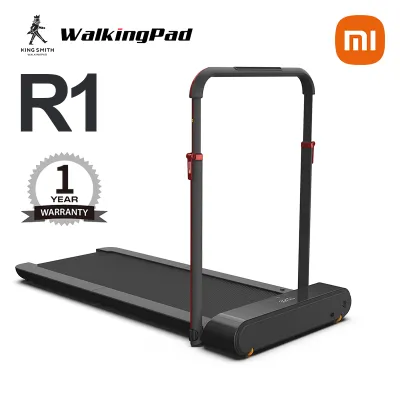
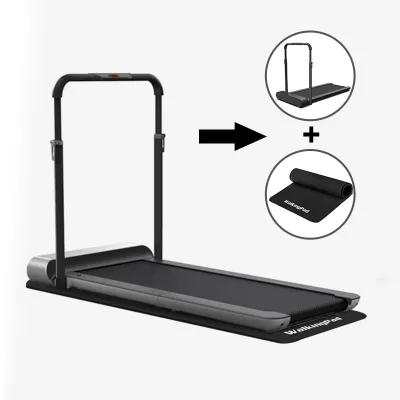
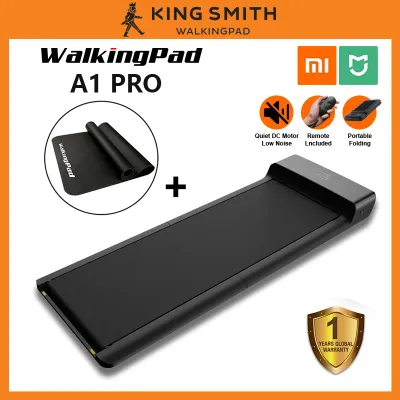
![Xiaomi Kingsmith Walkingpad R2 Foldable Treadmill [ International Edition Exclusive Distribution Brushless Motor CE Certified Running Walking 1.25hp 12km/h Low Noise 110kg Load Capacity LED Display APP Control Remote Control Home Gym ]](https://img.lazcdn.com/g/p/a6ceb707a445e9ca0f3cd948962e282c.jpg_400x400q80.jpg_.webp)
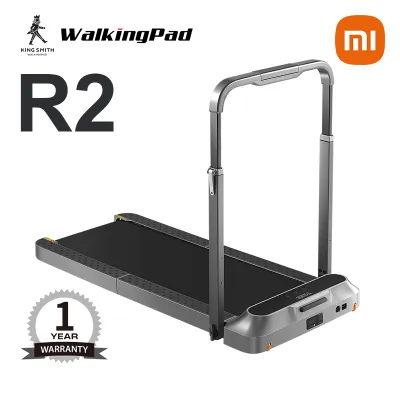
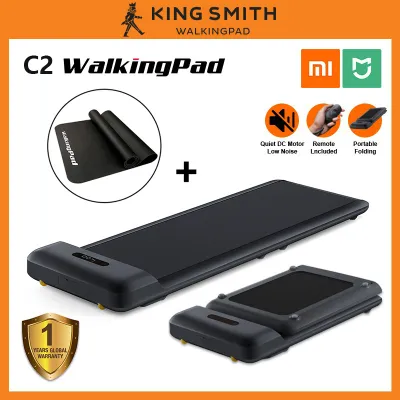
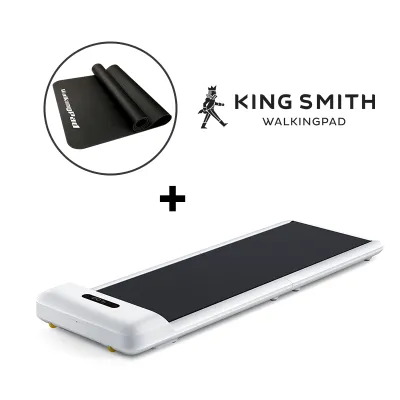
Prices are valid at publication and may change. Please refer to the product page for the latest price.
In many condominiums, floors are constructed with concrete slabs. While concrete is excellent at blocking airborne noise, it is highly efficient at transmitting impact vibrations. If your unit has ceramic tiles or thin vinyl planks laid directly over the concrete, the impact of each step can resonate loudly in the space beneath you.
Additionally, room acoustics play a major role in how loud the machine feels. A sparse room with bare walls and no curtains will amplify the motor’s hum through echo, whereas a furnished space with soft textiles helps absorb ambient sound and lower the perceived volume.
Evaluating the Xiaomi Walking Pad Before Purchase
Before ordering a Xiaomi walking pad from an online marketplace, check the manufacturer’s technical specifications. Look closely at the motor type; brushless motors generally operate more quietly and smoothly than brushed alternatives. Note the continuous horsepower rating, as a motor working at its absolute limit will produce more strain and noise than one running comfortably within its capacity.

Read through customer feedback on local ecommerce platforms, filtering specifically for reviews written by condo dwellers. Look for mentions of floor vibration, belt friction, or complaints from downstairs neighbors to gauge real-world performance in shared buildings.
Finally, verify the seller’s return policy and warranty terms. Because individual building tolerances and personal noise sensitivities vary, having a clear return window allows you to test the machine in your actual living space without financial risk if the noise proves too disruptive.
Optimizing Your Condo Setup to Minimize Disturbance
The most effective way to prevent complaints is to isolate the walking pad from your floor. Placing a high-density, specialized fitness mat directly under the machine is essential. These mats are engineered to absorb the kinetic energy of your footsteps before it can turn into structure-borne vibration.
Ensure the walking pad sits on a completely level surface. In tropical climates, floor tiles can sometimes unevenly settle, or subfloors can warp slightly. An uneven base causes the frame to rock and rattle against the floor with every step, significantly increasing the noise level. Use a spirit level to check the placement and adjust the leveling feet if your model has them.
Regular maintenance is also vital for keeping the machine running quietly. Over time, the belt can stretch or shift off-center, causing it to scrape against the side rails. Refer to the user manual to check the belt alignment and apply silicone lubricant to the underside of the belt periodically. Proper lubrication reduces friction, which lowers both the motor strain and the high-pitched squeaking sounds during use.
Establishing Considerate Usage Habits for Shared Spaces
Even with a perfect setup, timing is everything when living in close proximity to others. Schedule your walking sessions during daytime hours or early evening, avoiding early mornings or late nights when ambient city noise drops and building quiet hours are in effect.
Your walking style also dictates how much noise you generate. Walking at a moderate pace of 2 to 4 kilometers per hour produces far less impact than jogging or running. Focus on a soft, mid-foot strike rather than landing heavily on your heels, which minimizes the thudding sound transmitted through the floor.
To be absolutely sure of your setup, conduct a simple sound test. Have a family member or roommate walk on the pad at your typical speed while you stand in the hallway or an adjacent room. This practical check helps you identify whether the sound carries through your front door or shared walls, allowing you to adjust your positioning or matting before a neighbor raises a concern.
Frequently Asked Questions (FAQ)
Do walking pads vibrate through the floor to the unit below?
Yes, walking pads can transmit significant vibration to the unit directly below. When your heel strikes the deck, it creates low-frequency energy that travels through the rigid structure of the building’s floor joists and concrete slabs. Without proper isolation, this vibration is heard downstairs as a dull, repetitive thudding sound, which is often more disruptive than the airborne hum of the motor.
Is a treadmill mat necessary for a Xiaomi walking pad in a condo?
Yes, a dedicated high-density treadmill mat is highly recommended for condo use. Standard yoga mats are too soft and compress completely under the weight of the machine, failing to absorb the impact. A proper fitness mat dampens both the physical vibrations and the mechanical noise, while also protecting your condo’s flooring from scratches and sweat.

Community discussion
Share your experience or ask a question. Comments are reviewed before publication.