
Quick Answer: Which Core Gear Fits Your Condo Best?
Choosing between an exercise ball and a yoga mat for your condo core workouts comes down to a balance of available square footage, storage options, and your preferred style of movement. There is no single winner that suits every home gym setup.
A yoga mat is the go-to option if your living area is highly compact, such as a studio unit where floor space is shared with multi-functional furniture. It rolls up tightly to slide under a bed or stand in a closet corner, and it provides a stable, grounded surface for classic floor-based core exercises.
An exercise ball, on the other hand, introduces dynamic instability that challenges your deep stabilizing muscles in ways a flat floor cannot. However, it demands a permanent physical footprint in your room unless you are willing to inflate and deflate it for every session. Your decision should align with your physical space constraints and your specific training mechanics.
Products mentioned in this guide
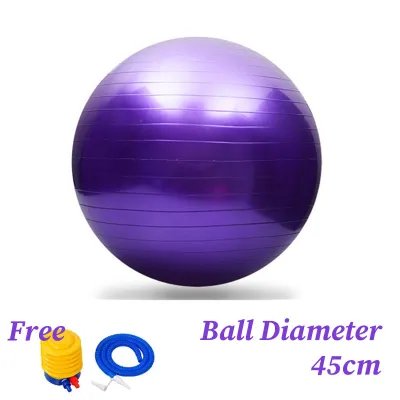
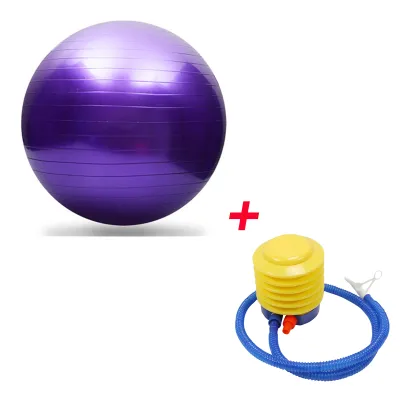
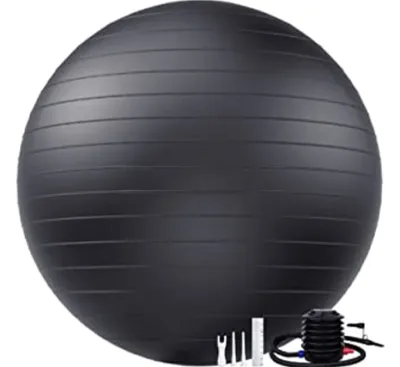
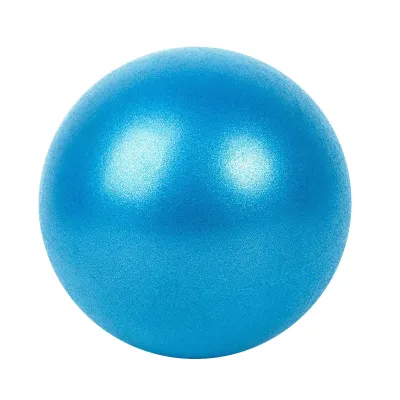
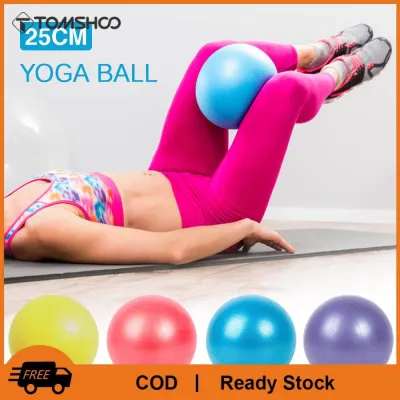
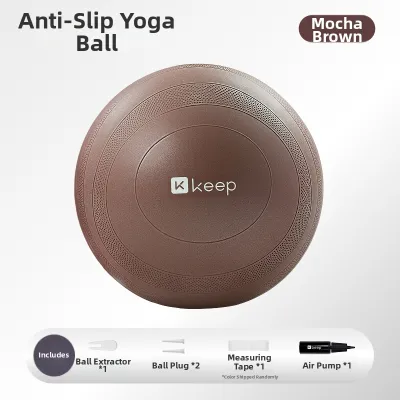
Prices are valid at publication and may change. Please refer to the product page for the latest price.
Space Efficiency and Storage in Small Living Areas
In a typical high-rise condo where every square meter is at a premium, the physical footprint of your fitness gear during and after a workout is a critical consideration. A standard yoga mat typically requires a fixed rectangular clearance of about 180 centimeters by 60 centimeters. This predictable shape makes it easy to clear a temporary exercise zone between your sofa and television console, knowing exactly where your boundaries lie.

An exercise ball presents a different spatial challenge. While its static diameter might only range from 55 to 75 centimeters, the actual space required during use is significantly larger. Because the ball rolls and shifts, you must account for a wider clearance zone to prevent your limbs or the ball itself from colliding with coffee tables, TV stands, or glass balcony doors. You need to maintain a safe buffer of at least one meter of clear space around the ball in all directions during dynamic movements.
Storage is where the contrast between these two tools becomes most apparent. A yoga mat can be rolled up in seconds and secured with a strap. It easily tucks away behind a bedroom door, stands upright in a narrow wardrobe corner, or slides flat under a bed frame. This makes it virtually invisible when you are not actively training, preserving the clean aesthetic of your living space.
Storing an inflated exercise ball in a small condo requires more creativity. It cannot be easily hidden away unless you have a large walk-in closet or a dedicated utility room. Many condo dwellers end up leaving the ball in a corner of the living room or bedroom, where it can become a visual distraction or a dust magnet. While you can deflate the ball for long-term storage, doing so daily is highly impractical due to the time and effort required to pump it back up before each workout.
Ceiling height and furniture clearance also play a role when performing dynamic movements on a ball. In units with low ceilings or hanging light fixtures, lifting your legs or torso while balanced on a ball can bring you surprisingly close to overhead obstacles. Before choosing a ball, look upward and ensure your overhead clearance is sufficient for seated or elevated movements.
Core Activation and Workout Versatility Compared
The mechanical differences between a flat mat and a spherical ball fundamentally alter how your core muscles are recruited during a workout. Training on a yoga mat relies on grounded stability. When you perform planks, dead bugs, or hollow body holds, the floor provides a solid, unyielding surface. This allows you to focus on isometric tension, precise spinal alignment, and progressive overload without the added challenge of maintaining balance.
An exercise ball introduces the element of three-dimensional instability. When you perform crunches, pikes, or rollouts on a ball, your body must constantly adjust to keep the ball from rolling away. This instability forces your deep core stabilizers, including the transverse abdominis and multifidus, to work continuously to maintain equilibrium. This can lead to high muscle activation even during relatively simple movements.
Beyond dedicated core workouts, the exercise ball offers unique multi-use potential in a home office environment. Many people use an exercise ball as a temporary desk chair during the workday. Sitting on the ball encourages active sitting, requiring subtle, continuous micro-adjustments from your core and back muscles to maintain an upright posture. This can help break up long periods of sedentary behavior, though it should not completely replace an ergonomic office chair.
A yoga mat is strictly designed for active floor routines and cannot double as furniture. However, its versatility lies in the wide variety of exercise modalities it supports. Beyond core-specific training, a high-quality mat is essential for yoga, Pilates, mobility work, stretching, and general bodyweight strength training. It serves as a dedicated, clean zone for any routine that requires contact with the floor.
To make the best choice, review your current fitness programs or the workout apps you follow. If your preferred routines consist primarily of floor-based Pilates, high-intensity interval training (HIIT), or traditional bodyweight exercises, a yoga mat is often the primary tool required. If your program emphasizes stability training, balance progression, or physical therapy exercises, an exercise ball may be the more beneficial investment.
Safety, Floor Protection, and Noise Factors
Living in a shared multi-story building means your workouts can impact your downstairs neighbors and your condo’s interior finishes. Floor protection is a major consideration, especially if your unit features polished ceramic tiles, vinyl planks, or delicate wood laminates. A yoga mat acts as a protective barrier, absorbing sweat and preventing friction damage from your hands, feet, or light hand weights.
An exercise ball does not scratch floors on its own, but its smooth surface can struggle for traction on highly polished condo tiles. If the floor is dusty or slightly damp from tropical humidity, the ball can slip during dynamic movements, potentially leading to falls. To ensure safety, you may need to place a non-slip rug or even a yoga mat underneath the ball to keep it securely anchored during your exercises.
Noise transmission is another factor that can affect your relationship with neighbors. High-impact movements, jumping planks, or dropping small accessories on bare floors can create loud thuds that travel easily through concrete floor slabs. A dense yoga mat helps muffle these vibrations, keeping your workouts quiet and neighbor-friendly. An exercise ball is naturally quiet and rolling, making it an excellent low-noise option, provided you do not drop heavy weights nearby.
When shopping for an exercise ball, safety specifications are paramount. Because a puncture during a workout can cause a sudden fall, you must verify the ball’s weight capacity and anti-burst rating on the product packaging. High-quality balls are designed to deflate slowly if punctured, rather than popping suddenly. Look for materials that are thick and slip-resistant to withstand regular use on various indoor surfaces.
For yoga mats, material thickness and density are key safety factors. A mat that is too thin can cause discomfort in your knees and wrists during planks, while a mat that is too soft and thick can compromise your balance and joint stability. Checking the manufacturer’s specifications for density and grip will help you select a mat that supports your joints without sacrificing stability.
Final Decision Framework: When to Buy Which
To finalize your decision, evaluate your living space and fitness goals against these practical guidelines.
Choose the yoga mat if:
- Your storage space is strictly limited to under-bed areas, narrow closets, or small shelves.
- You prefer grounded, high-stability core exercises like planks, side planks, and dead bugs.
- You want a versatile surface that also supports stretching, yoga, or high-intensity interval training.
- You need direct floor protection against sweat, friction, and minor impacts on polished tiles or wood laminates.
Choose the exercise ball if:
- You have an unused corner, a wide closet, or a balcony nook where an inflated ball can sit when not in use.
- You want to focus on instability training to target deep core stabilizers and improve balance.
- You plan to use the ball as a temporary active-sitting chair at your desk during working hours.
- Your workout space is wide enough to allow at least one meter of clear space around the ball in all directions.
Verify first if:
- You have measured your actual clear floor space to ensure you can move safely without hitting furniture.
- You have checked your condo association's guidelines regarding noise and floor protection if you plan to do high-impact routines.
- You have inspected your flooring material to determine if you need additional non-slip support for an exercise ball.
Frequently Asked Questions (FAQ)
Can I use an exercise ball on smooth condo tiles without slipping?
Using an exercise ball on polished ceramic or porcelain tiles can present a slip hazard, especially if the floor has accumulated dust or is exposed to high tropical humidity. To prevent the ball from sliding out from under you during dynamic movements, ensure the floor is clean and dry before your workout. You can also place a thin, high-grip yoga mat or a rubberized utility rug underneath the ball to create a stable, high-traction surface.
How do I properly store an exercise ball when not in use?
If you live in a compact condo, storing a fully inflated exercise ball can be challenging. You can use a dedicated plastic storage ring or a small inflatable base to keep the ball from rolling around your living room. Alternatively, you can store it on top of a wardrobe, in a corner hammock net, or inside a deep closet. Avoid placing the ball near sharp objects, hot appliances, or in direct sunlight from balcony windows, as prolonged heat and UV exposure can degrade the material over time.
Is a thick yoga mat better for core workouts?
A thicker mat is not always better for core training. While extra cushioning can protect sensitive knees and elbows during planks, a mat that is too thick or made of low-density foam can compress excessively under your weight. This compression can make it difficult to maintain balance and can strain your wrists during hand-supported exercises. For core workouts, a medium-density mat with a thickness of 4 to 6 millimeters generally offers the best balance of joint comfort and solid floor connection.

Community discussion
Share your experience or ask a question. Comments are reviewed before publication.