
Choosing the right cardio machine for your home workout depends on balancing your fitness goals, joint health, and the physical constraints of your living space. An exercise bike at home offers a compact, low-impact option that fits easily into tight spaces, while a treadmill provides high-impact, functional running training, and a rowing machine delivers a comprehensive full-body workout. There is no single machine that suits everyone; the ideal choice is the one that aligns with your physical needs and that you will consistently use.
Core Differences in Workout Impact and Fitness Goals
Caloric burn and cardiovascular conditioning are highly dependent on user effort, resistance settings, and workout duration. While running on a treadmill can yield high energy expenditure because you are carrying your own body weight, a high-intensity session on an exercise bike or rowing machine can match this output without the associated joint stress. Your choice should reflect whether you prioritize raw caloric burn or sustainable, low-impact conditioning.
Joint impact is a critical differentiator among these three machines. Treadmills involve repetitive foot strikes, creating high-impact forces that load the bones and joints. This is beneficial for building bone density but can be problematic for individuals with knee, hip, or lower back issues. In contrast, exercise bikes and rowing machines are low-impact. The seated position on a bike removes weight-bearing stress from the lower joints, while the rolling seat of a rowing machine distributes effort across the body without any foot-to-ground impact.
Products mentioned in this guide
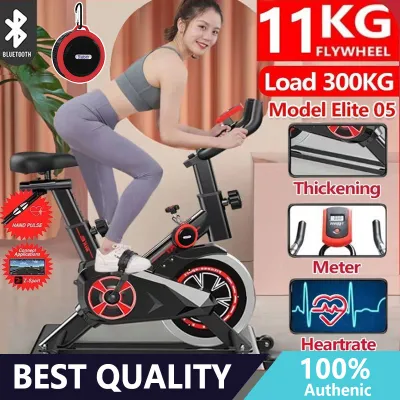
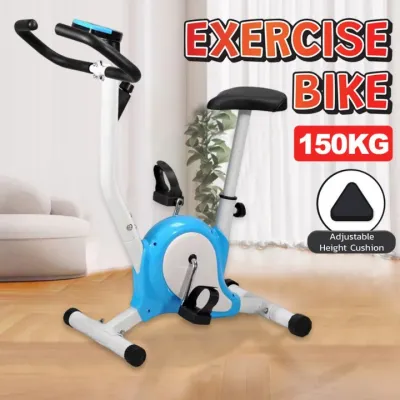
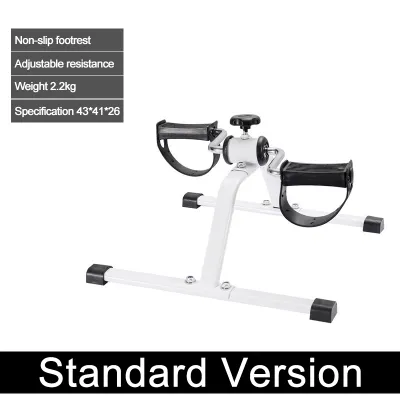
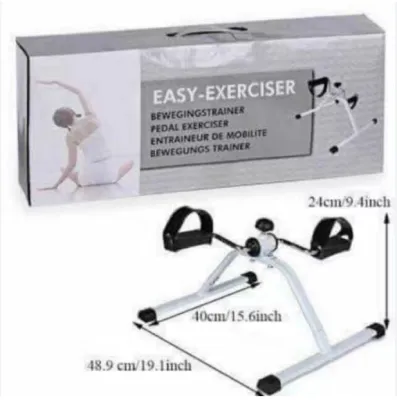
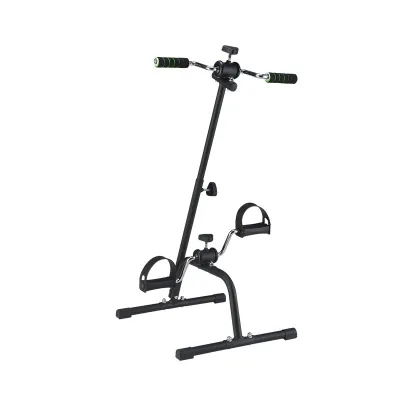
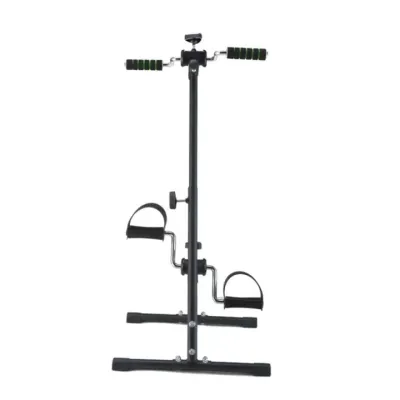
Prices are valid at publication and may change. Please refer to the product page for the latest price.
Muscle engagement patterns also vary significantly. Treadmills and exercise bikes primarily target the lower body, including the quadriceps, hamstrings, glutes, and calves. Rowing machines, however, offer a true full-body workout, engaging the upper back, shoulders, arms, core, and legs with every stroke. This makes rowing highly efficient for overall muscular endurance, while cycling and running are excellent for targeted lower-body conditioning and cardiovascular development.
Space, Storage, and Home Environment Constraints
Treadmills typically require the largest dedicated footprint, often measuring around 1.5 to 2 meters in length and nearly a meter in width during active use. While many home treadmills fold upward, they still occupy significant vertical and floor space. Rowing machines have a long, narrow footprint that can stretch over 2 meters, but many models are designed to stand vertically against a wall when not in use. An exercise bike at home is generally the most space-efficient option, requiring a small, fixed footprint of about 1.2 by 0.6 meters, making it highly suitable for compact rooms or condo units.

In multi-story homes or typical condominium buildings, noise and vibration transfer are critical considerations. Treadmills generate significant impact noise from footfalls, alongside motor hum, which can easily travel through concrete or wooden floors to neighbors below. Rowing machines with air resistance produce a steady wind whoosh, while water rowers make a splashing sound. Exercise bikes, particularly those utilizing magnetic resistance and belt drives, operate almost silently, making them the preferred choice for early morning or late-night workouts in shared living spaces.
Ceiling clearance is a frequently overlooked factor, especially for taller users. When running on a treadmill, your body is elevated by the height of the deck plus any incline angle, requiring ample clearance to avoid head injuries. Rowing machines and exercise bikes keep your center of gravity much lower, making them safer options for rooms with low ceilings or exposed beams.
Budget, Maintenance, and Long-Term Value
Upfront costs vary widely across all three categories. Entry-level exercise bikes and basic manual rowers can start around ₱5,000 to ₱12,000, offering simple mechanical resistance. Mid-range options with magnetic resistance, sturdier frames, and basic digital consoles typically range from ₱15,000 to ₱35,000. Premium machines, including motorized treadmills with large touchscreens, high-end water rowers, or smart studio bikes, can exceed ₱50,000 to ₱100,000.
Mechanical complexity directly correlates with long-term maintenance needs. Treadmills are the most complex, featuring electric motors, moving belts, and deck cushioning systems that require regular lubrication and tension adjustments to prevent wear. Rowing machines utilize chains or nylon straps and rollers that must be kept clean and occasionally lubricated. Exercise bikes are mechanically simpler, especially magnetic models, which experience virtually no wear on the resistance mechanism, though friction-based felt pads will eventually require replacement.
Given the tropical humidity in the Philippines, electronic consoles and metal frames are susceptible to moisture damage and corrosion from sweat. It is essential to verify that the brand you choose offers a robust warranty and has accessible local service centers or technicians who can source replacement parts. Purchasing from established local distributors ensures you can obtain technical support, belt replacements, or motor repairs without facing prohibitive international shipping costs.
Key Specifications to Verify Before Purchase
Always check the manufacturer’s maximum weight capacity, ensuring it accommodates the heaviest user in your household with a safety margin of at least 10 to 15 kilograms. For exercise bikes, verify the adjustable seat and handlebar ranges to ensure they accommodate your inseam length. For rowing machines, check the monorail length to confirm it allows a full leg extension if you are tall.
Understand the resistance mechanism before buying. Magnetic resistance is quiet and virtually maintenance-free, adjusting via a dial or digital console. Friction resistance uses felt or leather pads, offering infinite adjustment but requiring eventual replacement. Air resistance scales naturally with your effort but generates noticeable noise, while water resistance provides a smooth, realistic rowing feel with a soothing sound but requires periodic water treatment tablets to prevent algae growth in the tank.
Determine if the machine requires a continuous mains power connection or if it can run on batteries or self-generated power. Motorized treadmills and smart bikes with large screens must be plugged into a reliable power outlet, which may require a surge protector to safeguard sensitive electronics against local power fluctuations. Additionally, check if the console requires a paid subscription to access workout programs or if it can connect to free third-party fitness apps via Bluetooth.
Decision Matrix: Which Machine Should You Choose?
Choose an exercise bike if you have limited floor space, live in an apartment where noise must be kept to an absolute minimum, prefer a low-impact workout that protects your knees, or want to multitask (such as reading or watching a screen) while exercising.
Choose a treadmill if your primary fitness goal is running or walking conditioning, you want to build bone density through weight-bearing exercise, you have a dedicated workout room with high ceilings, and noise transfer to lower floors is not a concern.
Choose a rowing machine if you want an efficient, low-impact workout that engages both your upper and lower body simultaneously, you are focused on improving posture and core strength, and you have the wall space to store the machine vertically when it is not in use.
Verify first if the designated workout area matches the machine’s fully extended dimensions. Check your floor’s load-bearing capacity if placing heavy equipment on upper levels, and test the ergonomics of similar models in a local showroom to ensure the seat, handles, and stride length feel comfortable for your body type.
Frequently Asked Questions (FAQ)
Can I use an exercise bike at home for effective weight loss?
Yes, an exercise bike at home can be highly effective for weight loss when combined with a consistent caloric deficit. To maximize energy expenditure, you must actively adjust the resistance and your pedaling cadence to elevate your heart rate into target training zones. Alternating between high-intensity intervals and steady-state recovery periods keeps workouts challenging and helps increase your overall daily caloric burn.
Which cardio machine is the quietest for apartment living?
An exercise bike equipped with magnetic resistance and a belt-drive system is typically among the quietest options for apartment living. Unlike motorized treadmills that create heavy footfall vibrations or air rowers that produce loud wind noise, magnetic bikes operate almost silently. To further minimize sound and protect your floors from sweat and vibration transfer, always place a high-density equipment mat underneath your machine.

Community discussion
Share your experience or ask a question. Comments are reviewed before publication.