
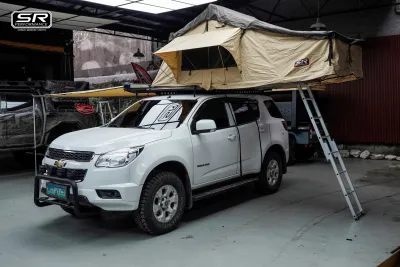
The choice between an EZnest rooftop tent and other brands in the Philippines depends on your vehicle’s weight limits, your budget, and how often you camp in high-humidity or rainy environments. While EZnest offers accessible entry points for local campers, other established brands provide alternative shell designs, materials, and mounting systems that might better suit specific off-road setups. To determine which is worth your investment, you must evaluate how each tent’s weight, setup mechanism, and weatherproofing align with your vehicle’s specifications and your typical camping destinations.
Investing in a rooftop tent is a significant decision that alters your vehicle’s center of gravity, fuel efficiency, and overall camping workflow. Rather than searching for a universal winner, campers should focus on matching the technical specifications of the tent to their specific vehicle and travel habits. This guide breaks down the critical environmental demands, product features, and installation safety checks required to make an informed choice.
Key Selection Criteria for Philippine Camping Conditions
Camping in the Philippines presents unique environmental challenges that directly impact the longevity and performance of a rooftop tent. The local climate is characterized by high relative humidity, intense solar exposure, and sudden tropical downpours, particularly during the southwest monsoon season. These conditions require careful evaluation of tent materials, ventilation features, and structural integrity before making a purchase.
Products mentioned in this guide
Prices are valid at publication and may change. Please refer to the product page for the latest price.
Waterproofing and ventilation are the most critical factors for comfort in tropical climates. A tent fabric must feature a high waterproof rating, typically indicated by a polyurethane (PU) coating of 2000mm or more, to withstand heavy rain. However, high waterproofing can trap heat and moisture inside the tent, leading to severe condensation. To combat this, look for tents with large mesh windows, rainfly designs that allow airflow even during downpours, and dedicated ventilation ports that prevent the interior from becoming humid and stuffy.
Road conditions and terrain also dictate the type of tent your vehicle can safely carry. Traveling to popular camping destinations in Benguet, Rizal, or coastal areas in Zambales often involves navigating steep inclines, sharp curves, and unpaved trails. A heavy rooftop tent raises your vehicle’s center of gravity, which can increase body roll and affect handling on winding mountain roads. Additionally, coastal camping exposes the tent’s hardware to salty air, making corrosion-resistant materials like stainless steel or anodized aluminum essential.
Finally, you must understand your vehicle’s roof load limits. Vehicle manufacturers specify two distinct weight limits: dynamic and static. The dynamic weight limit is the maximum weight the roof can safely support while the vehicle is in motion, which is typically between 50kg and 75kg for mid-sized SUVs and crossovers. The static weight limit is the capacity when the vehicle is parked and stationary, which is significantly higher to accommodate the weight of the tent, occupants, and gear. Exceeding these limits can damage your vehicle’s roof structure and compromise road safety.
Evaluating the EZnest Rooftop Tent
When considering an EZnest rooftop tent, campers should systematically inspect the physical specifications and construction details of the specific model they intend to buy. EZnest offers various designs, and understanding the mechanical and material differences between them is key to determining if they suit your camping style.

Begin by evaluating the deployment mechanism of the tent. EZnest models generally fall into either the hard-shell or soft-shell category. Hard-shell designs typically utilize gas struts or manual scissor lifts, allowing the tent to pop up or open like a clamshell in under a minute. Soft-shell designs require unfolding a platform and manually setting up tension poles, which takes more time but often provides a larger sleeping footprint. Inspect the quality of the gas struts or folding hinges, ensuring they operate smoothly without binding.
Material quality is another critical area of inspection. Examine the fabric labels to verify the denier rating and material composition, such as poly-cotton ripstop canvas. Thicker fabrics offer better durability and light blockage but add significant weight to the setup. Check the seams to ensure they are fully taped and sealed against water intrusion. Additionally, inspect the mattress included with the tent; look for high-density foam with a removable, washable cover, and check if there is space to add an anti-condensation mat underneath.
Accessories and integration options can greatly enhance your camping experience. Verify what accessories come standard with the EZnest model, such as a telescopic aluminum ladder, shoe storage bags, and internal LED lighting strips. If you plan to expand your campsite, check if the tent is compatible with an annex room or awning. For off-grid travelers, inspect whether the hard-shell models feature integrated mounting tracks on top for solar panels or recovery boards.
Lastly, investigate the local warranty terms and after-sales support. Because rooftop tents are subject to harsh outdoor conditions, having access to replacement parts like zippers, mounting brackets, and replacement gas struts is vital. Confirm whether the seller provides a local warranty in the Philippines and if they stock spare parts, as importing replacement components independently can be costly and time-consuming.
Comparing EZnest Against Other Market Alternatives
To determine if EZnest is the right choice for your setup, it is helpful to compare its general characteristics against other market alternatives across several key performance dimensions.
Setup and Pack-down Time
Hard-shell rooftop tents, whether from EZnest or premium international brands, offer the fastest setup times, often taking less than two minutes to fully deploy and secure. This is highly advantageous when arriving at a campsite in the dark or during a sudden downpour. Soft-shell alternatives, while more affordable, require removing a heavy PVC travel cover, unfolding the ladder to leverage the tent open, and inserting multiple rainfly poles. This process can take 10 to 15 minutes and requires more physical effort, especially on taller vehicles.
Weight and Aerodynamics
Weight varies significantly across brands and designs. Hard-shell tents with aluminum or fiberglass shells tend to be heavier, often weighing between 60kg and 80kg, which may push the limits of smaller SUVs and crossovers. However, their low-profile, aerodynamic shape when closed minimizes wind resistance and fuel consumption during highway driving. Soft-shell tents are generally lighter, often weighing between 45kg and 60kg, making them compatible with a wider range of vehicles, but their bulky, fabric-covered profiles create more aerodynamic drag.
Interior Space and Comfort
Soft-shell tents typically fold out beyond the footprint of the vehicle’s roof, offering spacious sleeping areas that can comfortably accommodate three to four people, making them ideal for families. Hard-shell tents are physically constrained by the dimensions of the shell itself, usually limiting capacity to one or two occupants. When comparing interior comfort, look closely at the peak height of the tent to ensure you can sit up comfortably, and check the placement of windows to ensure adequate cross-ventilation in warm weather.
Price-to-Value Ratio
Evaluating the price-to-value ratio requires balancing the upfront cost in ₱ against the expected lifespan of the materials. Premium off-road brands often command a high price tag in ₱ due to specialized materials, extensive engineering, and global brand recognition. EZnest and similar mid-tier brands often present a more accessible price point in ₱, making them attractive for campers who want to try rooftop camping without a massive financial commitment. When comparing, inspect the quality of the zippers, mounting hardware, and fabric thickness to ensure the lower price does not result in premature wear.
Decision Framework: Which Rooftop Tent Fits Your Needs?
Selecting the right rooftop tent is a matter of matching your vehicle’s capabilities, your budget, and your camping frequency to the right design.
Choose EZnest if:
- The specific model's weight falls safely within your vehicle's dynamic roof load limit.
- You want the convenience of a quick-setup hard-shell tent but prefer a more accessible price point in ₱ compared to premium imported brands.
- You value having a local distributor or seller in the Philippines for direct communication, installation assistance, and potential warranty claims.
Choose Established Off-Road Brands if:
- You engage in extreme off-roading, travel through highly demanding terrain regularly, and require a tent with proven long-term durability under harsh conditions.
- You require specialized features, such as heavy-duty aluminum hard-shells that can carry additional cargo like kayaks or mountain bikes on top.
- You want a globally recognized warranty and a wide network of international users who can share model-specific tips and modifications.
Choose Budget-Friendly Soft-Shell Alternatives if:
- You camp infrequently, primarily during the dry season, and want to minimize your initial investment in ₱.
- You travel with a family and require the larger sleeping area that only a fold-out soft-shell design can provide.
- Your vehicle has a lower dynamic roof load limit that cannot safely support a heavy hard-shell tent.
Verify First if:
- Your vehicle's manufacturer explicitly advises against mounting rooftop loads, or if your existing roof rack is not rated for dynamic off-road use.
- You plan to camp in areas with active severe weather warnings; in such cases, ground shelter or solid structures are always safer than any rooftop tent.
Essential Pre-Purchase and Installation Checks
Before purchasing any rooftop tent, you must perform several critical safety and compatibility checks to protect your vehicle and ensure safe operation on the road.
First, consult your vehicle’s owner’s manual to locate the exact dynamic and static roof load limits. Do not rely on general online forums, as weight limits can vary by model year, trim level, and roof type (such as bare roof, flush rails, or raised side rails). Ensure you subtract the weight of your roof rack and crossbars from the vehicle’s dynamic limit to find the maximum allowable weight for the tent itself.
Second, inspect your roof rack or crossbars. Factory-installed crossbars on many SUVs are often made of plastic or light alloy and are designed only for light luggage; they are rarely rated for the dynamic weight of a rooftop tent. You will likely need to upgrade to heavy-duty, aftermarket steel or aluminum crossbars or a dedicated platform rack that is explicitly rated for off-road use and the weight of your chosen tent.
Third, plan the installation carefully. Rooftop tents are heavy and awkward to handle, requiring at least two to three people to lift onto a vehicle. If you are self-installing, strictly follow the manufacturer’s torque specifications for all mounting brackets and bolts. Use nylon-locking nuts to prevent the hardware from vibrating loose over time, and inspect the tightness of all bolts after your first 50 kilometers of driving and before every camping trip.
Finally, monitor your vehicle’s handling after installation. If you notice excessive body roll when cornering, a significant increase in braking distance, or if the rear suspension sags excessively under the load, stop using the setup. You may need to consult a qualified mechanic to discuss upgrading your vehicle’s suspension, such as installing heavy-duty springs or shock absorbers, to safely handle the additional weight.
Frequently Asked Questions (FAQ)
Can I install a rooftop tent on any SUV or pickup truck?
No, you cannot install a rooftop tent on just any vehicle. Compatibility depends entirely on your vehicle’s specific dynamic and static roof load limits, as well as the type of roof rack system you use. Many compact SUVs, crossovers, and sedans have low dynamic weight limits that cannot safely support the weight of a tent while driving. Always verify your vehicle’s manual and ensure you have heavy-duty, aftermarket crossbars rated for the load before purchasing a tent.
How do I prevent mold and mildew in a rooftop tent?
Preventing mold and mildew in the humid Philippine climate requires diligent maintenance. Never store your tent while it is wet or damp. If you must pack up the tent in the rain, deploy it fully to dry in a well-ventilated area as soon as you return home. Regularly remove the mattress to check for condensation underneath, use an anti-condensation mat to improve airflow, and place moisture-absorbing packets inside the tent during long-term storage.
Are hard-shell tents better than soft-shell tents for local weather?
Hard-shell tents generally offer better protection against heavy tropical rain and high winds because of their rigid outer structure and aerodynamic shape. They are also much faster to set up and pack away, which is highly beneficial during sudden downpours. However, soft-shell tents typically offer more interior space and are more budget-friendly. Campers must weigh the convenience and weather resistance of a hard-shell against the space and lower cost of a soft-shell.

Community discussion
Share your experience or ask a question. Comments are reviewed before publication.