
Choosing between feather and nylon shuttlecocks comes down to where you play, your budget, and what you value most during your badminton sessions. If your regular games take place in an indoor, wind-free commercial gym and you prioritize authentic flight control, feather shuttlecocks are the standard choice. However, if you play on open-air barangay courts or multi-purpose covered courts where wind and rough surfaces are constant factors, nylon shuttlecocks offer far better durability and cost-effectiveness.
Understanding how these two materials perform under different environmental conditions will help you make an informed purchase. By matching the shuttlecock type to your primary playing venue, you can avoid wasting money on gear that degrades too quickly or ruins the quality of your games.
Flight Characteristics and Playability
Feather and nylon shuttlecocks behave very differently once they leave the racket strings. Feather shuttlecocks, typically made from goose or duck feathers, offer a distinct deceleration curve. When hit, the feathers expand slightly to catch the air, causing the shuttlecock to fly fast initially and then drop steeply at the end of its trajectory. This natural drag allows players to execute precise drop shots, tight net plays, and sharp smashes with high accuracy.
Products mentioned in this guide
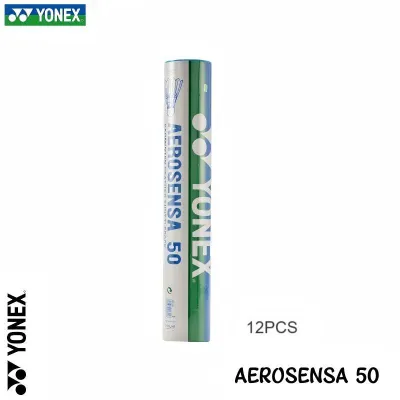
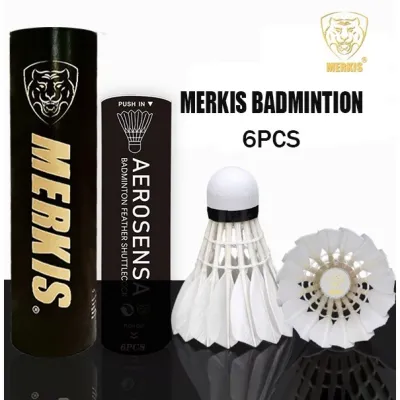
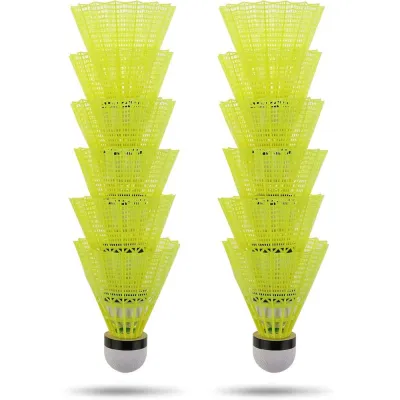
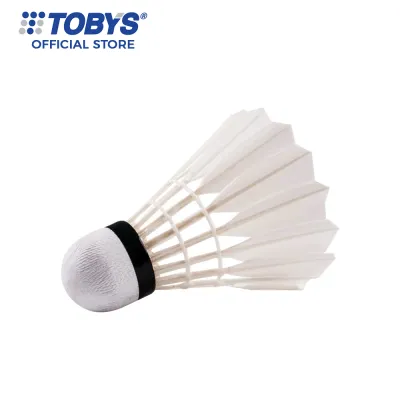
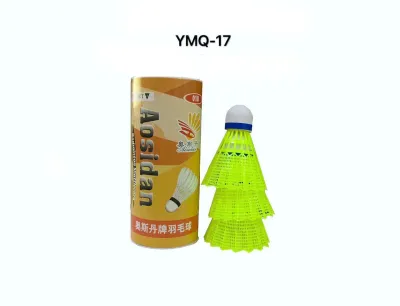
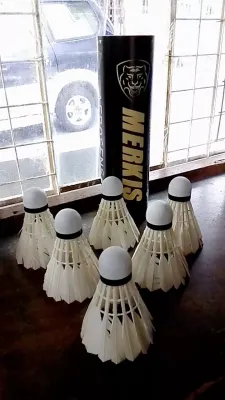
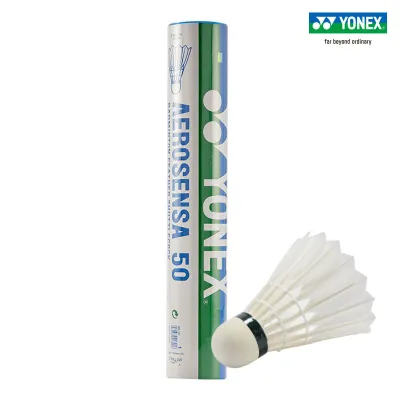
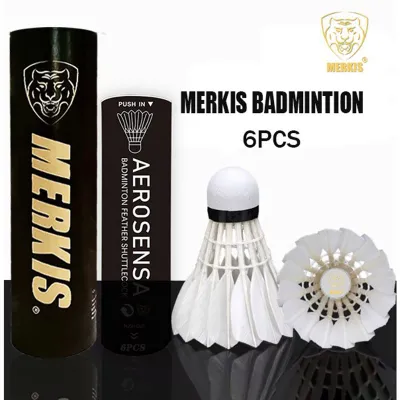
Prices are valid at publication and may change. Please refer to the product page for the latest price.
In contrast, nylon shuttlecocks feature a synthetic plastic skirt that behaves differently in flight. Nylon models tend to maintain a more constant speed throughout their path, resulting in a flatter trajectory. Because they do not slow down as abruptly as feathers, defensive lifts and deep clears can easily sail out of bounds if you do not adjust your hitting power. This difference in flight dynamics is why competitive players generally prefer feathers for skill development.
Environmental factors also play a massive role in how these materials perform. In the Philippines, many recreational games occur on open-air barangay courts or street setups where cross-breezes are common. Even a slight gust of wind can heavily disrupt a feather shuttlecock, causing it to drift unpredictably and making consistent play nearly impossible. Nylon skirts, being slightly heavier and more rigid, offer more consistent wind resistance, allowing you to maintain a rally even in outdoor settings.
Regardless of the material you choose, actual flight performance depends on the specific speed grade printed on the tube. Manufacturers design shuttlecocks to perform optimally at specific temperatures and altitudes. In hot, humid tropical climates, air density is lower, which causes shuttlecocks to fly faster. Before buying, you must verify the speed grade against your local conditions; slower speed grades are typically recommended for warm, sea-level environments to prevent the shuttlecock from constantly flying past the baseline.
Durability and Lifespan on Different Courts
The physical environment of your regular venue directly impacts how long your shuttlecocks will last. Indoor commercial sports centers usually feature wooden floors or specialized rubberized mats. These smooth surfaces are highly forgiving on equipment. However, outdoor barangay courts, public parks, and concrete driveways present a much harsher environment for delicate gear.

Feather shuttlecocks are highly fragile and prone to rapid wear. When a feather shuttlecock contacts rough concrete or asphalt, the natural feathers fray, split, or snap almost immediately. Even a single mis-hit on a rough surface can ruin the structural integrity of the shuttle, causing it to wobble or veer off course. Consequently, using feathers on outdoor concrete courts quickly becomes an expensive and frustrating experience.
Nylon shuttlecocks are engineered to withstand much tougher treatment. Their synthetic skirts can handle repeated contact with rough ground without immediately ruining the flight path. However, nylon is not indestructible. Over time, repeated heavy smashes cause the plastic skirt to deform, stretch, or eventually tear. Once the skirt loses its symmetrical shape or develops cracks, the shuttlecock will begin to wobble and lose its flight consistency, regardless of the court surface.
To get the most out of your gear, you should inspect the shuttlecock’s structural integrity before and during each session. Look for loose or broken feathers, bent shafts, or visible cracks in the nylon skirt. Rather than relying on a fixed number of games to decide when to switch, replace the shuttlecock as soon as you notice a significant wobble or an unpredictable flight path, as playing with damaged gear can negatively affect your stroke mechanics.
Cost-Effectiveness and Long-Term Value
Calculating the true cost of your badminton gear requires looking beyond the initial retail price. A standard tube of feather shuttlecocks usually contains 12 pieces and can range from ₱600 to over ₱1,500, depending on the brand and quality grade. Nylon shuttlecocks are typically sold in tubes of six, with prices ranging from ₱400 to ₱900. While the upfront cost per tube might seem comparable, the difference in lifespan changes the financial equation entirely.
In indoor commercial gyms, the higher initial cost of feather shuttlecocks is often justified. Because the smooth indoor courts and lack of wind reduce physical wear, a single feather shuttlecock can sometimes last for an entire game or two. When playing in a regular group where players split the cost of the court and shuttles, the price per player remains relatively low, allowing you to enjoy premium playability without breaking the bank.
For outdoor or multi-purpose covered courts, nylon shuttlecocks offer vastly superior cost-per-game value. A single high-quality nylon shuttlecock can easily survive multiple intense sessions, whereas a feather shuttlecock might be ruined after just a few rallies on concrete. If you play several times a week in an outdoor setting, switching to nylon can save you thousands of pesos over a few months.
To determine your personal break-even point, keep a simple log of how many games a single shuttlecock survives in your typical venue. If you find that your group is burning through three or four feather shuttlecocks per game, the cumulative cost will quickly add up. Tracking this wear rate allows you to make a practical, budget-friendly decision based on real-world usage rather than estimates.
Decision Framework: Match the Shuttlecock to Your Venue
To finalize your purchase decision, evaluate your primary playing environment and group preferences using this straightforward framework.
Choose feather shuttlecocks if:
- You play exclusively in enclosed, wind-free commercial indoor gyms.
- You prioritize precise drop shots, net play, and authentic deceleration patterns.
- You are actively training for competitive tournaments that use feather standards.
- Your playing group is willing to split the higher ongoing cost of premium shuttles.
Choose nylon shuttlecocks if:
- You play on open-air barangay courts, concrete driveways, or outdoor parks.
- You play in multi-purpose covered courts where cross-breezes and wind are constant factors.
- Your primary goal is to maximize playing time per peso and reduce equipment replacement frequency.
- You are playing casual, recreational matches where flight precision is secondary to continuous rallies.
Before purchasing in bulk, always verify the venue guidelines and group preferences. Some indoor sports centers have specific rules regarding shuttlecock types to protect their flooring or maintain standard playing conditions. Additionally, consulting with your regular playing group ensures everyone is aligned on the budget and the preferred style of play, making for a much more enjoyable and cohesive badminton experience.
Frequently Asked Questions (FAQ)
How should I store feather shuttlecocks to prevent them from drying out?
Feather shuttlecocks are highly sensitive to humidity levels. In dry or heavily air-conditioned environments, the natural feathers can lose their moisture, making them brittle and prone to snapping upon impact. To prevent this, always store the tube vertically with the cap securely closed in a cool, shaded place away from direct sunlight. You should also check the manufacturer’s storage guidelines printed on the tube. If you gently bend a feather and it feels stiff or cracks easily, the shuttlecock has dried out and will have a significantly shorter lifespan during play.
Can I use a nylon shuttlecock for official tournament practice?
While nylon shuttlecocks are excellent for recreational play, official badminton tournaments almost exclusively mandate specific grades of feather shuttlecocks. If you are training for an upcoming competitive event, practicing solely with nylon can alter your timing, stroke mechanics, and power control due to the flatter flight trajectory of synthetic skirts. It is highly recommended to check the specific tournament rulebook or consult the organizers before purchasing your training gear. If the tournament uses feathers, you should transition to practicing with feather shuttlecocks well in advance to ensure your shots remain accurate during match play.

Community discussion
Share your experience or ask a question. Comments are reviewed before publication.