
When selecting a back support pillow for exercise in the Philippines, the ideal choice is not a universal, one-size-fits-all product. Instead, the right support depends entirely on your specific workout routine, your body mechanics, and how well the equipment handles the local tropical climate. A pillow that provides excellent stability during a restorative yoga session will fail to offer the rigid support needed during heavy weightlifting, while a dense lifting pad will be far too hard for comfortable floor stretches.
In the warm and humid Philippine climate, prioritizing a back pillow that balances structural integrity with high breathability is crucial. Sweat and humidity can quickly degrade low-quality foams and create breeding grounds for mold and bacteria if the materials are not carefully chosen. By understanding the physical demands of your exercises and the material specifications of different cushions, you can select a back pillow that enhances your performance, protects your spine, and remains hygienic over years of active use.
Identifying Your Workout Needs and Pillow Categories
Before browsing online marketplaces or local sports shops, you must clarify the exact role a back support pillow will play in your fitness routine. Back pillows for exercise generally fall into three distinct categories, each engineered for a specific physical purpose. Misusing a pillow from one category in another setting can lead to poor form, discomfort, or even muscle strain.
Products mentioned in this guide

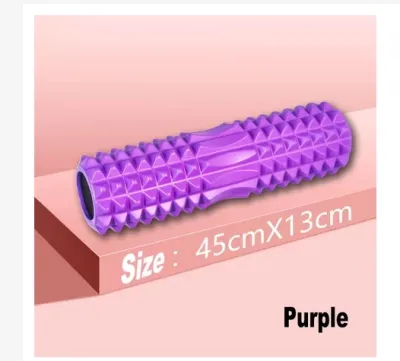
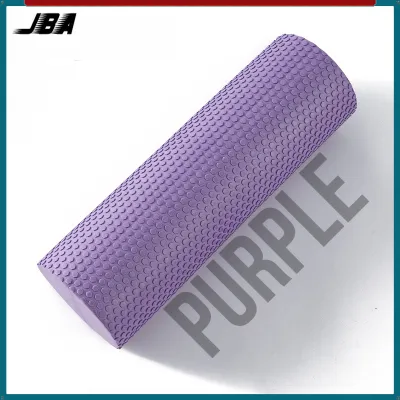
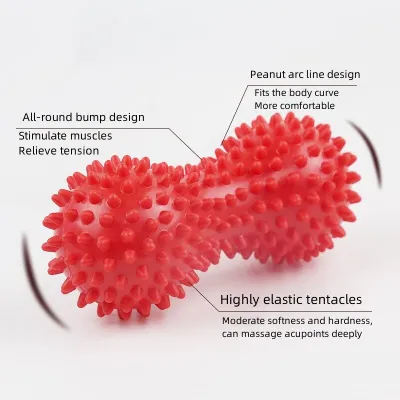
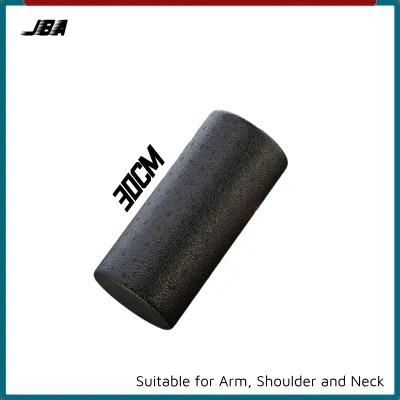
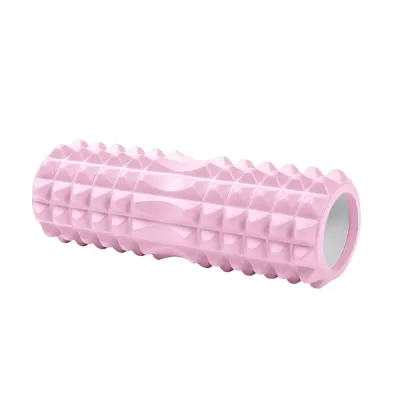
![[COD] CISWGE SPORTS Yoga Roller Round EVA Foam Cylinder Roller For Pilates Exercise Enhanced Home Workouts Diameter 10cm Length 30cm](https://img.lazcdn.com/g/p/e1184ff0e0155ec4e063fb5ae66bf790.jpg_400x400q80.jpg_.webp)
Prices are valid at publication and may change. Please refer to the product page for the latest price.
Yoga bolsters are large, dense cushions designed primarily for floor-based work, restorative poses, and deep stretching. They are built to support a significant portion of your body weight over extended periods, helping to open the chest, elevate the hips, or support the spine during passive stretches. Because they are meant to facilitate relaxation and gradual flexibility, they offer a firm yet yielding surface that conforms slightly to the body without collapsing.
Lumbar support cushions for weightlifting and strength training serve a completely different purpose. These are compact, highly contoured pads designed to fit snugly into the natural inward curve of your lower back. They are typically used during seated exercises, such as shoulder presses or lat pulldowns, to prevent the lower back from rounding under load. Rather than promoting relaxation, these cushions act as a rigid physical barrier that encourages active spinal alignment and core engagement.
Rehabilitation wedges are angled foam blocks used to elevate specific joints or the torso during targeted physical therapy and stretching routines. These wedges help modify exercises for individuals with limited mobility or those recovering from injuries, allowing for controlled movement without excessive strain on the lower back. They provide a highly stable, non-slip surface that keeps the body in a precise, elevated position.
Your primary movement patterns dictate the necessary support structure and firmness of the pillow. If your routine involves seated stretching, you need a pillow that tilts your pelvis slightly forward to maintain natural lumbar lordosis. For supine core work, a low-profile, firm support is required to prevent the lower back from arching excessively or flattening completely against the floor. Heavy lifting, on the other hand, demands a rigid, non-compressible support that acts as a tactile cue for spinal alignment under load.
It is also essential to distinguish between active support and passive recovery. Active support involves stabilizing the spine during dynamic movements where your muscles are actively engaged. The pillow must resist compression, stay securely in place, and withstand shear forces as your body moves. Passive recovery occurs post-workout, where the goal is to decompress the spine and relax the surrounding muscles. A recovery pillow focuses on gentle contouring and pressure relief, allowing your body to rest without resisting high physical forces.
Evaluating Materials and Structural Features for Active Use
Evaluating the build quality, hygiene, and comfort of a back pillow requires looking closely at its material specifications rather than relying on vague marketing claims. The fill material is the most critical factor determining how the pillow performs under physical load and how well it retains its shape over time.

High-density polyurethane foam is one of the most common and reliable fills for active exercise pillows. It offers excellent structural support and shape retention, meaning it will not flatten out when you lean your full weight against it during a workout. While it provides the rigid resistance needed for spinal stabilization, it can retain heat, which is an important consideration for workouts in non-air-conditioned spaces.
Memory foam is highly popular for its ability to contour closely to the body using heat and pressure. However, standard memory foam is often too soft for active exercise, compressing completely under heavy loads and offering little actual support. Additionally, memory foam tends to trap heat, which can feel uncomfortably warm and sweaty in the tropical climate of the Philippines. If you choose memory foam, look for open-cell structures or ventilated designs that allow air to circulate.
Buckwheat hulls offer a traditional, highly effective alternative for yoga bolsters and floor cushions. This natural fill consists of thousands of tiny, hard hulls that slide against each other to conform to your body’s shape, then lock into place to provide an incredibly stable, non-shifting base. Buckwheat is exceptionally breathable, allowing air to flow freely through the pillow, which keeps it cool and dry even during intense, sweaty sessions. Many buckwheat pillows also allow you to add or remove hulls to customize the firmness.
Firm cotton or kapok fills are the standard for traditional yoga bolsters. They provide a dense, supportive feel that is softer than polyurethane foam but far more stable than standard polyester fiberfill. Kapok, a natural fiber harvested from the seed pods of the kapok tree, is naturally moisture-resistant and quick-drying, making it highly suitable for humid environments where mold prevention is a priority.
Beyond the fill, the cover fabric is your primary line of defense against sweat, dirt, and wear. In the Philippines, high humidity means that sweat-soaked fabrics can quickly develop mold, mildew, and unpleasant odors if not properly managed. Look for technical fabrics like polyester-spandex blends, bamboo-derived rayon, or heavy-duty cotton canvas that offer moisture-wicking properties to pull sweat away from your skin.
A removable, machine-washable cover is an absolute necessity for any exercise pillow. Check the zipper construction; it should be durable, smooth, and ideally recessed or covered by a fabric flap. An exposed metal zipper can scratch your skin, snag your workout clothes, or damage your yoga mat and gym flooring during dynamic movements.
Finally, look for structural features that keep the pillow secure during use. A non-slip base, often featuring rubberized dots or a textured silicone pattern, is essential for keeping floor cushions and bolsters from sliding on smooth tiles or polished gym floors. If you are using a lumbar support cushion on a gym bench or chair, adjustable elastic straps with heavy-duty buckles are crucial to keep the cushion locked at the correct height throughout your exercise sets.
Matching Pillow Shapes to Specific Exercise Routines
Selecting the right pillow shape is a matter of matching the equipment’s geometry to the specific physical demands of your exercise routine. Using the wrong shape can compromise your form and reduce the effectiveness of your workout.
For yoga and Pilates, cylindrical and rectangular bolsters are the standard shapes. Cylindrical bolsters are highly effective for placing along the length of the spine during chest-opening poses, or crosswise under the knees to relieve tension in the lower back during deep relaxation. Their rounded profile allows for a gradual, comfortable stretch over the cushion. Rectangular bolsters offer a wider, flatter surface that provides greater stability, making them excellent for supporting the hips in seated forward folds or acting as a secure platform for restorative backbends.
For weightlifting and core training, contoured lumbar pads and firm wedges are the preferred choices. A contoured lumbar pad is designed to mirror the natural inward curve of the lower back, providing targeted support when placed against the backrest of a weight bench, leg press machine, or gym chair. This support helps prevent the lower back from rounding or flattening under heavy loads, reducing the risk of spinal strain. Firm wedges can be placed under the heels during squats to improve depth and maintain an upright torso, or placed behind the lower back during sit-ups to support the lumbar spine through its full range of motion.
For rehabilitation and targeted stretching, adjustable wedges and half-round cushions are highly useful. Half-round cushions provide a low-profile, stable support that can be placed under the neck, lower back, or knees to facilitate gentle stretching and joint alignment. Wedges allow for controlled elevation of the torso or limbs, which is often necessary when modifying exercises to accommodate physical limitations.
However, if you are using a back support pillow as part of an injury recovery or rehabilitation program, it is critical to consult a qualified physical therapist or healthcare professional first. Using support equipment without professional guidance can mask pain, encourage improper movement patterns, or worsen an existing injury. A physical therapist can provide a tailored exercise plan and recommend the exact specifications and placement of any support pillows to ensure your recovery is safe and effective.
Shopping Checklist and Verification for Local Buyers
When shopping for a back pillow for exercise in the Philippines, whether browsing local sports specialty stores or navigating online marketplaces, a systematic verification process will help you avoid low-quality products that flatten quickly or harbor bacteria.
First, inspect the manufacturer’s product labels and specifications carefully. Look for explicit weight capacity limits to ensure the pillow can support your body weight during active movements without bottoming out. Check the care instructions to verify how the pillow should be cleaned; some fills, like memory foam, cannot be washed or exposed to direct sunlight, while others require specific drying protocols. Additionally, look for material safety certifications, such as CertiPUR-US for foam products or OEKO-TEX for fabrics, which verify that the materials are free from harmful chemicals and heavy metals.
Second, verify the seller’s return policies, trial periods, and warranty terms. Because physical testing is often impossible when purchasing from online marketplaces, having a reliable return policy is essential. Look for sellers that offer a clear return window or a satisfaction guarantee, allowing you to test the pillow’s firmness and fit in your home environment. Check the warranty terms specifically for coverage against premature foam flattening, seam splitting, or zipper failure, which are common issues with lower-quality exercise cushions.
Third, cross-reference user reviews with a critical eye. Instead of focusing on the overall star rating or initial unboxing reviews, search the feedback for specific mentions of long-term performance. Look for comments regarding shape retention over several months of regular use, the durability of the seams and zippers under physical tension, and how quickly any initial chemical odors (off-gassing) dissipate. In the humid Philippine climate, pay close attention to reviews mentioning how well the cover handles sweat and whether it is prone to developing musty odors or mold.
Frequently Asked Questions (FAQ)
Can I use a regular bed pillow for back support during exercise?
No, regular bed pillows are not suitable for back support during exercise because they lack the structural integrity and density required to support your body weight under dynamic physical loads. Bed pillows are engineered to support the relatively light weight of the head and neck during sleep, meaning they will flatten completely when subjected to the weight of your torso or lower back during a workout. This lack of resistance offers zero functional support for your spine. Furthermore, standard bed pillows and pillowcases are made from materials that absorb and retain moisture, making them highly susceptible to trapping sweat, dirt, and bacteria, which leads to rapid hygiene degradation and mold growth in humid environments.
How do I clean a back pillow after heavy sweating?
To clean your back pillow properly, always start by checking the manufacturer’s care label, as cleaning methods vary significantly depending on the fill material. For pillows with removable covers, unzip the cover and machine wash it in cold water with a mild detergent; avoid using fabric softeners, as they can coat the fibers and destroy the fabric’s moisture-wicking properties. Hang the cover to dry in a well-ventilated area out of direct, harsh sunlight to prevent the fabric from weakening. For the inner fill, never submerge memory foam or polyurethane foam in water, as this will destroy the foam’s cell structure; instead, spot-clean the foam with a damp cloth and a mild soap solution, then allow it to air dry completely. For natural fills like buckwheat hulls, keep the inner casing completely dry and only wash the outer cover, as wetting the hulls will ruin them and cause mold. Ensure all components are completely dry before reassembling and using the pillow to prevent mold and mildew growth in the humid Philippine climate.

Community discussion
Share your experience or ask a question. Comments are reviewed before publication.