
Selecting the right roller skates is the most critical decision you will make when starting your skating journey. For beginners in the Philippines looking at Engrise roller skates, the primary focus should be on finding a configuration that offers a balance of ankle support, stable wheel performance, and a comfortable fit on local paved surfaces. Since individual balance, body size, and skating environments vary, there is no single universal model that suits everyone; instead, you must evaluate specific structural features to find the setup that matches your needs.
Roller skating is an active sport that carries inherent risks of falls and minor injuries, especially during the initial learning phase. High-quality equipment is designed to assist your progress, but it cannot replace proper training, physical conditioning, and situational awareness. Beginners should always assess their physical limits, practice in controlled, flat environments, and recognize when to stop—such as during sudden tropical downpours, on steep inclines, or when experiencing physical fatigue. By prioritizing safety and choosing the right structural design, you can build confidence and enjoy a smooth learning experience.
Core Features to Prioritize in Beginner Engrise Skates
When evaluating beginner skates, the boot construction is your first line of defense against fatigue and injury. Hard shell boots, made of molded plastic, provide rigid lateral support that prevents your ankles from rolling inward or outward. This rigidity is highly beneficial for novices who have not yet developed the stabilizing muscles in their lower legs. Soft boots, constructed from fabric and mesh, offer more breathability—a significant advantage in the hot, humid climate of the Philippines—but they require more natural ankle strength to maintain proper alignment.
Products mentioned in this guide
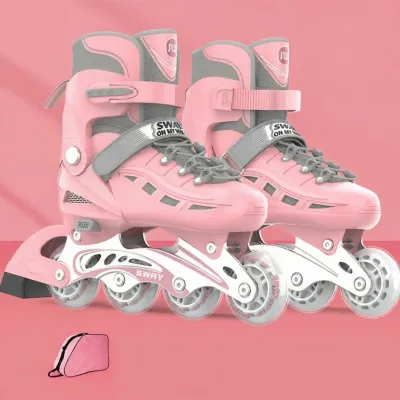
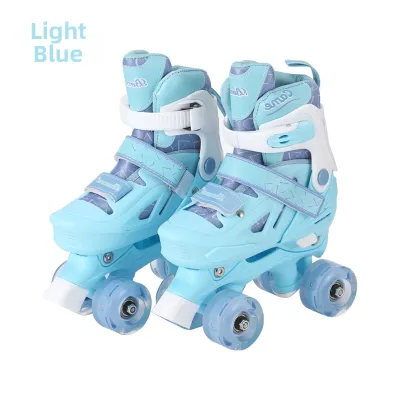
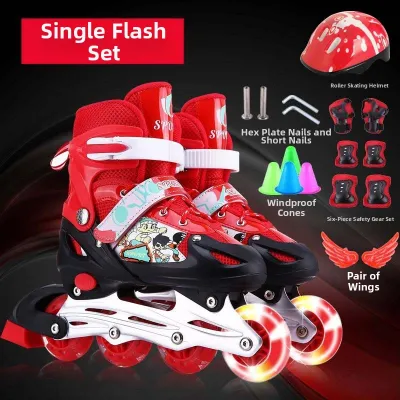
Prices are valid at publication and may change. Please refer to the product page for the latest price.
Wheel hardness and size directly impact how the skates handle local outdoor surfaces. Outdoor skating in the Philippines often takes place on rough concrete barangay courts, asphalt subdivision roads, or public parks. Softer wheels, typically rated between 78A and 82A on the durometer scale, offer excellent shock absorption and grip on these uneven surfaces, making the ride smoother. Harder wheels, rated 85A and above, are better suited for smooth indoor rinks as they slide easily but transmit heavy vibrations on rough pavement. For wheel size, smaller diameters between 72mm and 80mm keep your center of gravity lower, which significantly improves your balance and control.
The frame material holds the wheels in place and affects the overall weight and feel of the skate. Nylon or composite frames are highly recommended for beginners because they are lightweight and naturally absorb road vibrations, reducing foot fatigue on rough roads. Aluminum frames are stiffer and more durable, offering precise power transfer and longevity, but they transmit more road vibration directly to your feet. Beginners should weigh these trade-offs based on the typical roughness of their local skating venue.
Brake placement and stopping mechanisms are essential safety features that you must verify before skating. Inline skates designed for beginners should feature a reliable rear heel brake, which allows for a simple, intuitive stopping motion by lifting the toe. Quad skates utilize a front toe stop, which is essential for pushing off, stopping at slow speeds, or performing controlled transitions. Always verify that the brake pad is made of a high-grip rubber compound rather than hard, slippery plastic to ensure reliable stopping power.
Matching Engrise Skate Designs to Your Learning Goals
Choosing between quad skates and inline skates depends largely on where you plan to skate and your personal style goals. Quad skates feature a two-by-two wheel configuration, providing a wide, stable platform when standing still, which makes them highly popular for dance, artistic skating, and casual indoor rink sessions. However, their wide profile makes them more susceptible to tripping over small stones or cracks on outdoor roads. Inline skates, with wheels arranged in a single line, offer superior forward-and-backward stability and roll over cracks, twigs, and uneven pavement much more easily, making them the preferred choice for outdoor fitness on typical Philippine streets.

Adjustable sizing mechanisms are a highly practical feature found in many beginner-focused skates. These designs often operate via a simple push-button or dial system, allowing the boot to expand across three to four sizes. This is an economical choice for growing children or for shared use among family members in a household. When evaluating adjustable models, inspect the locking mechanism to ensure it remains rigid and secure under body weight, and verify that the inner liner stretches comfortably without creating awkward ridges.
Recreational skates are designed with thick padding, supportive cuffs, and moderate wheel sizes to prioritize comfort and ease of learning. Fitness skates, on the other hand, often feature longer frames and larger wheels designed for maintaining high speeds over long distances, which can make balancing and turning much more difficult for a beginner. Novices should stick to recreational profiles that offer a more forgiving learning curve and better maneuverability at slower speeds.
Sizing, Fit, and Pre-Purchase Verification
Never buy skates based solely on your standard shoe size, as skate sizing is highly brand-specific and often runs smaller or larger than everyday footwear. To get an accurate measurement, place a piece of paper against a wall, stand on it with your heel touching the wall, and trace the outline of your foot. Measure the distance from the heel to the longest toe in millimeters or centimeters, and compare this exact measurement to the manufacturer’s official size chart.
When trying on the skates, stand up and bend your knees into a skating stance to check the fit. Your toes should gently feather the front of the toe box when standing straight, but they should pull back slightly and not feel cramped when your knees are bent. Your heel must remain locked securely in the back of the boot; if your heel lifts significantly when you walk or bend, the skates are too large, which can lead to friction blisters and a loss of control. Check for any painful pressure points around your ankle bones or the sides of your feet, as these will become highly uncomfortable during longer skating sessions.
Always perform these measurements and fit checks while wearing the exact socks you plan to use for skating. In the tropical climate of the Philippines, thick, moisture-wicking athletic socks are highly recommended to absorb sweat, reduce friction, and prevent painful blisters. If your foot measurements fall between two sizes on the chart, or if you have particularly wide feet, do not guess; stop and contact the seller or manufacturer directly to ask for specific fit recommendations before making your purchase.
Essential Protective Gear to Pair With Your Skates
Investing in high-quality protective gear is just as important as choosing the skates themselves to mitigate fall risks and build confidence. A complete safety kit should include a helmet, wrist guards, knee pads, and elbow pads. This gear acts as a vital buffer during the learning process, allowing you to practice new skills with peace of mind.
The helmet must meet recognized safety standards, such as CPSC or EN1078, and fit snugly on your head without wobbling. It should sit level—covering your forehead and resting about two finger-widths above your eyebrows—and the straps must form a secure “Y” shape around your ears without obstructing your vision. Avoid helmets that tilt backward, as this leaves your forehead vulnerable during forward falls.
Knee and elbow pads should feature thick, impact-resistant plastic shells and secure, adjustable elastic straps that keep the pads firmly in place during a fall. Wrist guards are especially critical for beginners, as the natural instinct during a loss of balance is to reach out with your hands; high-quality wrist guards feature rigid splints that absorb impact and prevent hyperextension. When planning your purchase, treat protective gear as a mandatory part of your equipment budget, allocating a portion of your funds in Philippine Pesos (₱) specifically for safety gear to ensure you do not compromise on protection.
Purchasing Channels and Delivery Inspection in the Philippines
To ensure you receive genuine products with reliable structural integrity, purchase your skates from authorized brand distributors or highly rated, reputable online marketplaces. Avoid suspiciously cheap listings on generic ecommerce platforms, as these are often counterfeit products made with substandard plastics and weak frames that can fail under stress, posing a significant safety hazard.
As soon as your skates are delivered, perform a comprehensive physical inspection before taking them outside. Check the packaging for any signs of damage during transit. Use the included tools to verify that all hardware—including axle bolts, frame mounting screws, and brake attachments—is tight and secure. Spin each wheel individually; they should spin smoothly and quietly without grinding noises or excessive lateral wobbling.
Review the seller’s warranty terms and return policies, particularly regarding size exchanges, as a proper fit is essential for safety. Additionally, check if replacement parts, such as replacement brake pads, wheels, and bearings, are easily accessible in the local Philippine market. Because these components wear out over time, knowing you can source replacements locally ensures your skates remain safe and functional for the long term.
Frequently Asked Questions (FAQ)
How do I maintain the wheels and bearings of my Engrise skates?
Regular maintenance is key to ensuring a smooth ride and extending the lifespan of your equipment. After every skating session, perform a quick visual inspection of your wheels to check for embedded debris, such as small stones or sand, which are common on outdoor Philippine roads. Wipe down the boots and frames with a damp cloth to remove dust and sweat. To maintain the bearings, avoid skating through water, puddles, or wet sand, as moisture can quickly cause the internal steel components to rust and seize. If the bearings become noisy or dirty, clean them and apply a specialized bearing lubricant strictly according to the manufacturer’s instructions. Finally, rotate your wheels periodically—swapping the worn inner edges to the outside and moving the front wheels to the middle or rear positions—to ensure even wear and prolong their usable life.
Can I upgrade the wheels on my beginner Engrise skates later?
Yes, upgrading your wheels is an excellent way to adapt your skates as your skills progress, but you must verify compatibility first. Before purchasing aftermarket wheels, check your skate frame’s specifications to determine the maximum wheel diameter it can accommodate; installing wheels that are too large can cause them to rub against the frame or boot, creating a severe safety hazard. Ensure that the new wheels are compatible with your existing axle diameter and bearing spacers. Understanding how different wheel specifications affect your ride is crucial: larger wheels will increase your top speed but raise your center of gravity, making balance more challenging, while softer or harder durometers will alter your grip on local concrete. Always consult your user manual or contact the manufacturer before modifying any structural components of your skates to ensure you do not compromise their safety or void the warranty.

Community discussion
Share your experience or ask a question. Comments are reviewed before publication.