
Selecting the right jumping rope for your workout in the Philippines requires balancing your personal fitness goals with the unique demands of your training environment. In a tropical climate where high humidity can affect your grip and outdoor concrete surfaces can rapidly wear down equipment, a generic choice often leads to frustration or premature wear. By matching the rope’s material, weight, and design to your skill level and primary workout space, you can establish a highly effective, low-cost cardio routine that fits seamlessly into your lifestyle.
Matching the Rope to Your Fitness Goals and Skill Level
To get the most out of your workouts, you must first define your primary objective. If your goal is cardiovascular conditioning and fat loss, you need a rope that allows for sustained, moderate-tempo jumping. This requires a balanced weight that provides enough physical feedback to help you maintain a steady rhythm without exhausting your upper body too quickly. For those focusing on high-intensity interval training (HIIT) or competitive speed skipping, a lightweight rope designed for rapid rotation is essential. Conversely, if you want to build upper body strength and muscular endurance, a weighted rope will force your shoulders, arms, and core to work much harder to keep the cable in motion.
Your current skill level also dictates the type of rope that will serve you best. Beginners often struggle with timing and coordination, frequently tripping over the cable. If you are just starting, you need a rope that moves at a manageable pace and provides clear tactile feedback so you can feel when the rope is passing under your feet. Intermediate jumpers who have mastered basic single-unders and are transitioning to footwork variations or double-unders benefit from more responsive, adjustable ropes. Advanced fitness enthusiasts who perform complex tricks, crossovers, and high-speed double-unders require precision equipment with minimal drag and highly efficient rotation mechanisms.
Products mentioned in this guide
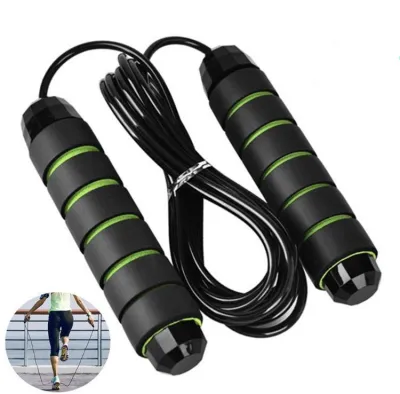
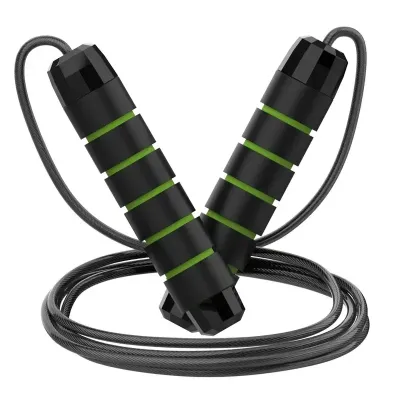
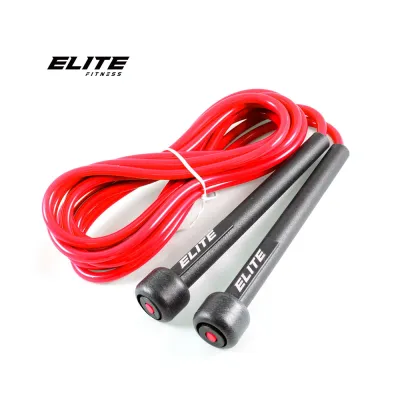
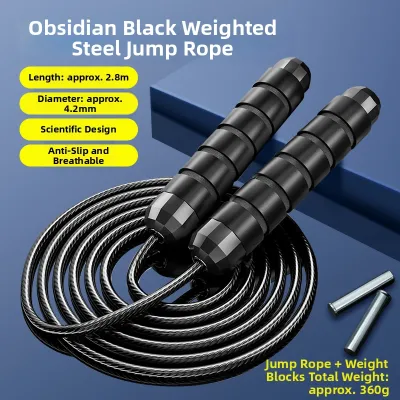
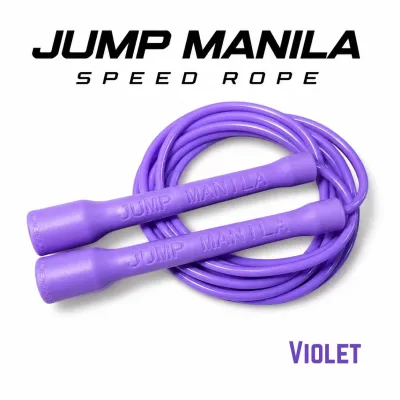
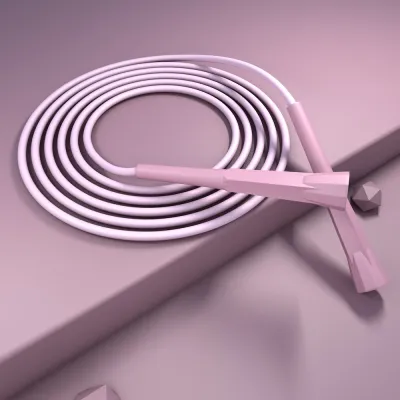
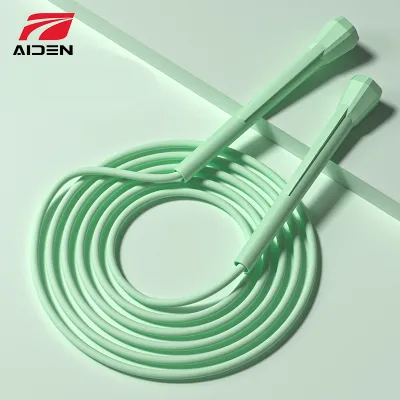
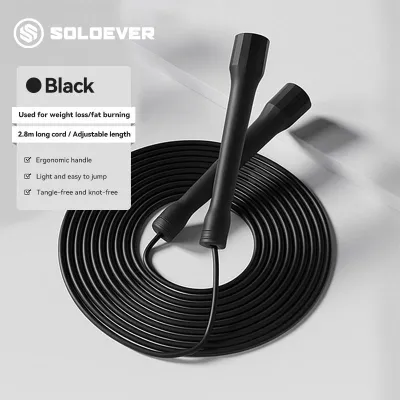
Prices are valid at publication and may change. Please refer to the product page for the latest price.
Finally, consider where you will perform your workouts. Indoor spaces with rubber gym flooring or wooden panels are highly forgiving, allowing you to use almost any type of rope without worrying about wear. However, many fitness enthusiasts in the Philippines train in outdoor spaces, such as concrete driveways, garage setups, or local barangay basketball courts. These abrasive surfaces will quickly shred delicate cables. If you live in an apartment or a shared household, the noise of the rope slapping against tiled or wooden floors is another critical factor to manage, as heavy or beaded ropes can create a loud, disruptive rhythm.
Comparing the Main Types of Jumping Ropes
Speed ropes are engineered specifically for maximum velocity and efficiency. They typically feature very thin, vinyl-coated steel cables attached to the handles at a 90-degree angle, often utilizing high-quality ball bearings to ensure frictionless rotation. This design allows the rope to spin incredibly fast with minimal wrist movement, making them the standard choice for CrossFit athletes and those practicing double-unders. However, because they are so light, they offer very little tactile feedback, which can make it difficult for beginners to time their jumps correctly.

Weighted ropes introduce physical resistance to your training session. These ropes generally fall into two categories: those with weighted handles and those with weighted cables. Ropes with weighted cables, where the actual rope weighs anywhere from half a pound to two pounds or more, are highly recommended because they distribute the weight evenly throughout the swing. This even distribution engages the shoulders, forearms, and core, providing an intense upper-body workout alongside your cardio. Ropes that only feature weighted handles simply increase the load on your grip and wrists, which can build forearm strength but do not offer the same full-body engagement.
Beaded ropes consist of a braided nylon inner cord threaded with hard, cylindrical plastic beads. The collective weight of these beads keeps the rope in a consistent, open arc even at slower speeds, making them highly resistant to kinking and tangling. The distinct “click-clack” sound the beads make when they strike the ground provides an invaluable auditory cue, helping beginners establish and maintain a steady jumping rhythm. Furthermore, the thick plastic beads act as a protective shield for the inner cord, making beaded ropes exceptionally durable and highly suited for rough outdoor concrete surfaces.
PVC or licorice ropes are the classic, versatile option for general fitness. Made of solid polyvinyl chloride, usually measuring between 4mm and 5mm in thickness, these ropes offer an excellent balance of speed, weight, and feedback. They are flexible enough to perform basic tricks and crossovers, yet heavy enough to provide the tactile feedback necessary for beginners to learn proper timing. PVC ropes are also highly affordable and widely available, making them an ideal entry-point accessory for everyday home cardio workouts.
Essential Sizing and Hardware Checks Before You Buy
Before purchasing a jumping rope, verifying the correct length is crucial for safety and performance. A rope that is too long will drag excessively on the ground, causing it to bounce unpredictably and trip you up. A rope that is too short will force you to hunch your shoulders or jump excessively high, leading to poor form and joint strain. To check the size, stand on the center of the rope with one foot and pull the handles straight up along the sides of your body. For beginners, the tips of the handles should reach your armpits. As your technique improves and your hands stay closer to your hips, you can shorten the rope so the handles reach your lower chest. Look for ropes that feature adjustable screw clamps or snap-lock mechanisms, allowing you to easily customize the length as your skills progress.
Handle ergonomics play a major role in preventing hand fatigue during longer workout sessions. In the warm, humid climate of the Philippines, sweaty palms can easily cause plastic handles to slip from your grip. Prioritize handles that feature textured surfaces, foam wraps, or sweat-absorbent grip tape similar to what is used on tennis rackets. The length and shape of the handles should also match your hand size and workout style; longer handles provide better leverage for executing tricks and crossovers, while shorter, contoured handles are preferred for compact, high-speed training.
The internal mechanism connecting the cable to the handle determines the smoothness of the rope’s rotation. Basic, inexpensive ropes often use a simple plastic peg or loop connection, which can cause the rope to twist, bunch, and tangle during use. High-quality ropes utilize ball bearings or cylindrical swivels inside the handles to allow the cable to rotate independently. When buying, check if the bearings are sealed; open metal bearings can easily accumulate dust, sweat, and moisture in humid environments, leading to rust and friction. A quick application of light machine oil can help maintain open bearings, but sealed bearings generally offer better long-term durability.
Cable durability is the final hardware check, especially if you plan to train on high-friction surfaces. Bare steel cables should never be used on concrete or asphalt, as they will fray rapidly and can snap, posing a risk of painful cuts. Look for steel cables coated in tough nylon or thick PVC, which provide a protective barrier against abrasive ground. Some ropes come with a removable plastic protective sleeve that sits on the center of the cable to absorb the impact of concrete contact. If you anticipate training outdoors frequently, check if the manufacturer sells individual replacement cables, as replacing a worn wire is much cheaper than buying a whole new handle assembly.
Navigating Online Purchases and Delivery Inspections
When shopping for fitness equipment on e-commerce platforms, navigating the vast array of options requires a careful approach to ensure you receive a genuine, high-quality product. To avoid poorly made counterfeits or generic ropes that degrade quickly, look for official brand stores or authorized local fitness distributors. Read through customer reviews carefully, paying close attention to user-uploaded photos and videos that demonstrate the rope’s flexibility and the smoothness of the handle rotation. Avoid listings with overly generic descriptions or those that lack clear specifications regarding cable thickness and handle materials.
Once your jumping rope is delivered, perform a thorough physical inspection before discarding any packaging or finalizing your order. Unbox the rope and unroll the cable completely to check for permanent kinks or severe memory loops; a quality cable should straighten out relatively easily under its own weight. Spin each handle individually to verify that the internal bearings rotate smoothly without any grinding noises, catching, or resistance. Ensure that all advertised adjustment hardware, such as spare screws, rubber end caps, or hex keys, are present in the package.
Finally, review the seller’s return policies and warranty conditions. While cables and beads are naturally subject to wear and tear, reputable brands often provide a warranty on the handles and internal bearing mechanisms. Check if the seller or brand offers easily accessible replacement parts. Being able to purchase a replacement cable for ₱150 to ₱250 is far more economical and sustainable than having to spend ₱1,000 or more on an entirely new rope system when your original cable eventually wears out from consistent training.
Frequently Asked Questions (FAQ)
How often should I replace my jumping rope cable?
The frequency of cable replacement depends on your workout volume, the surface you jump on, and the cable material. If you jump three to four times a week on bare concrete, a coated steel cable may wear down and require replacement every two to three months. However, if you jump on a rubber mat or a wooden gym floor, the same cable can easily last for over a year. Inspect your cable weekly for visible signs of damage, such as cracked plastic coating, exposed steel wires, or severe kinking that distorts the rope’s arc. If you notice any fraying of the inner metal wire, stop using the rope immediately and replace the cable to prevent it from snapping mid-workout and causing injury.
Can I use a speed rope on concrete or rough outdoor surfaces?
Using a standard speed rope directly on concrete, asphalt, or rough outdoor tiles is highly discouraged. The thin protective coating on speed cables is designed primarily for indoor gym floors or rubber mats; abrasive outdoor surfaces will quickly strip away this coating, exposing the steel core and causing it to fray. If you must train outdoors, use a dedicated rubber jump rope mat to protect your equipment and cushion your joints. Alternatively, switch to a beaded rope or a thick, solid PVC rope, both of which are much more resilient against rough ground and will last significantly longer in outdoor environments. Always check the manufacturer’s specifications, as many speed rope brands explicitly warn against outdoor use on abrasive surfaces and may void the warranty if the cable is damaged this way.
Is a weighted jumping rope better for burning calories?
A weighted jumping rope increases the physical demand on your upper body, particularly engaging your shoulders, upper back, forearms, and core to keep the heavy cable moving. This increased muscle recruitment can elevate your heart rate more quickly compared to using a lightweight speed rope. However, the total number of calories burned during a workout ultimately depends on your overall training intensity, heart rate, and the duration of the session. A lightweight rope may allow you to jump longer and at a faster pace, while a weighted rope provides a high-intensity strength-endurance workout in a shorter timeframe. For personalized advice on integrating different rope types into your conditioning routine, consider consulting a certified fitness professional.

Community discussion
Share your experience or ask a question. Comments are reviewed before publication.