
Finding the right roller skates for girls in the Philippines involves balancing comfort, safety, and adaptability to local skating environments. Whether your child is gliding across a smooth indoor rink or navigating a concrete neighborhood basketball court, the right pair of skates must provide proper ankle support, a secure fit, and wheels suited for the terrain. Because children grow rapidly, adjustable skates offer excellent longevity, while high-quality safety gear remains an absolute prerequisite for every session. By understanding the differences between quad and inline configurations, you can select a pair that matches your child’s skill level and ensures a safe, enjoyable ride.
Quick Guide: What to Look for in Girls' Roller Skates
When shopping for a child’s first pair of roller skates, ankle support should be your primary concern. A stiff boot structure prevents the ankles from rolling inward or outward, which is a common challenge for beginners learning to find their center of gravity. Without adequate structural support, young skaters will tire quickly and face a higher risk of strain or injury.
The choice between quad skates and inline skates depends largely on your child’s balance and goals. Quad skates, with their classic two-by-two wheel layout, offer a stable platform that makes standing still and balancing much easier for young beginners. Inline skates, or rollerblades, arrange the wheels in a single line, promoting greater speed and maneuverability once the child develops basic coordination.
Products mentioned in this guide
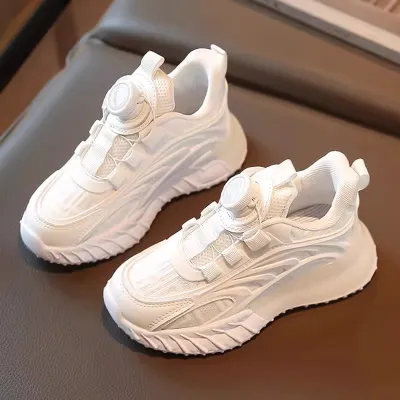
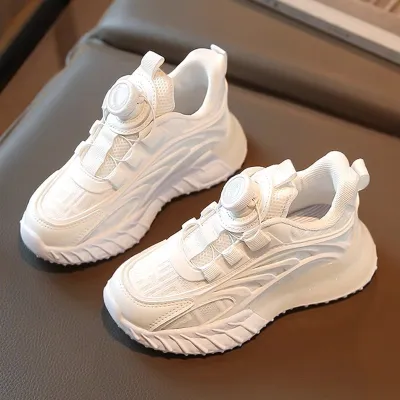
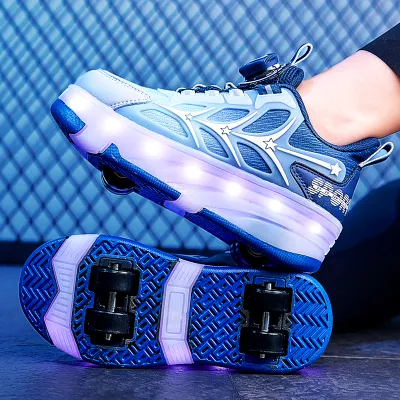
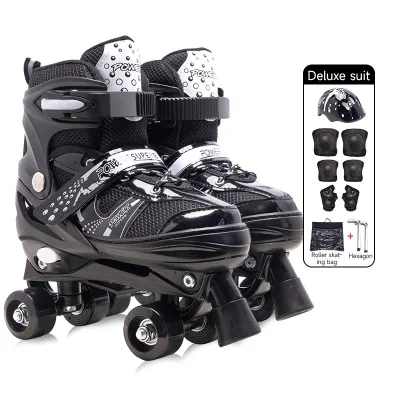
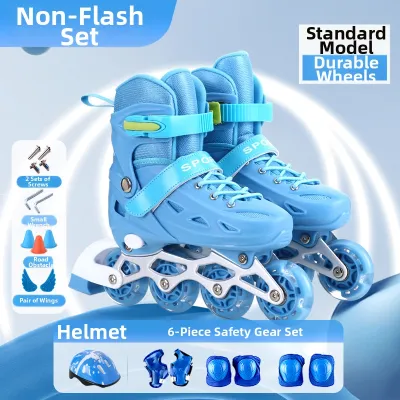
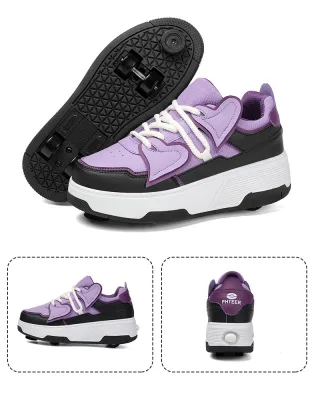
Prices are valid at publication and may change. Please refer to the product page for the latest price.
Because children’s feet grow rapidly, adjustable frames are highly practical. Many modern youth skates can expand across three to four shoe sizes with the press of a button, allowing the product to last for multiple seasons. This adjustability ensures you do not have to purchase a new pair every few months as your child experiences growth transitions.
Finally, never treat safety gear as an optional accessory. A high-quality helmet, wrist guards, knee pads, and elbow pads are essential components of the skating experience. Investing in reliable protective gear from day one instills safe habits and builds the confidence your child needs to learn and progress.
Matching Skate Types to Skill Levels and Riding Styles
Selecting the right skate configuration requires evaluating where and how your child plans to ride. The physical environment—ranging from smooth indoor mall rinks to rough subdivision roads and concrete outdoor courts—heavily influences which type of skate will perform best.

Quad Skates (Four Wheels) Quad skates feature a wide, rectangular wheelbase that provides excellent lateral stability. This design makes them the traditional choice for absolute beginners, as the four-corner wheel placement allows children to stand upright with minimal effort. They are highly suited for indoor rinks, smooth garage floors, and recreational artistic skating. The front-mounted toe stop on quad skates also offers an intuitive braking mechanism for young learners, allowing them to drag or press the stopper to slow down safely.
Inline Skates (Rollerblades) Inline skates feature wheels aligned in a single row, which reduces friction and allows for faster speeds. This narrow profile requires greater ankle strength and balance, making inline skates better suited for older children or those who have already mastered basic balance on quads. Inline skates excel on outdoor paved paths, park tracks, and for fitness-oriented skating. They typically feature a heel brake on one of the boots, which requires the skater to lift their toes to apply stopping friction.
Adjustable vs. Fixed Skates When deciding between adjustable and fixed-size skates, consider the trade-off between longevity and specialized performance. Adjustable skates utilize a sliding toe cap or heel mechanism to expand the boot size, making them highly cost-effective for growing children. However, fixed-size skates generally offer superior structural stiffness, better heel lock, and higher-quality materials. If your child is skating casually, an adjustable model is usually the most practical choice; if they are training for competitive artistic skating or speed skating, a fixed-size boot provides the precise support required.
Wheel Hardness and Size The performance of any skate is deeply affected by its wheels, which are rated by size (in millimeters) and hardness (using the Durometer scale, such as 78A to 100A).
- Softer, larger wheels (78A to 82A): These are ideal for outdoor skating on rough asphalt or concrete. The softer polyurethane absorbs vibrations from pebbles, cracks, and uneven surfaces, providing a smoother and safer ride.
- Harder, smaller wheels (85A and above): These are designed for smooth indoor surfaces, such as polished concrete or wooden rink floors. They offer less grip but allow for higher speeds and smoother slides, giving experienced skaters better control during maneuvers.
Sizing, Adjustability, and Getting the Right Fit
A perfect fit is essential to prevent painful blisters, foot fatigue, and improper skating posture. Skates that are too loose will cause the foot to slide inside the boot, leading to friction burns and a lack of control, while skates that are too tight can restrict circulation and cause cramping.
Measuring the Foot Never rely on your child’s current street shoe size when purchasing roller skates, as sizing standards vary significantly between brands. Instead, measure your child’s feet in centimeters for the most accurate fit. Have your child stand on a blank sheet of paper with their heel against a wall. Trace the outline of both feet, measure the distance from the heel to the longest toe in centimeters, and use the larger measurement. Compare this number directly to the manufacturer’s specific size chart to find the correct size.
Testing the Fit Once the skates arrive, have your child try them on while wearing the socks they plan to skate in. Ensure they stand up and adopt a proper skating stance, with knees slightly bent and shoulders aligned over the toes. In this position, their toes should gently touch the front of the boot without being cramped or bent. Perform the “finger test” by attempting to slide your index finger down behind the heel inside the boot. If you can easily fit more than one finger, the skate is too large; if you cannot fit a finger at all, the boot may be too tight or prone to causing heel pressure.
Adjustable Mechanisms If you choose adjustable skates, familiarize yourself with the expansion mechanism. Most models use a secure push-button system near the heel or midfoot, while others require a small hex screw to unlock the frame. Always adjust the size while the skate is off the child’s foot. Ensure the locking mechanism clicks firmly back into place before allowing your child to wear them. Regularly check that the expanding joints remain tight and free of dirt or debris, which can accumulate during outdoor use.
Break-in Period New roller skates, especially those with stiff synthetic or leather boots, require a break-in period. Expect the boots to feel somewhat stiff during the first few sessions. To ease this transition, have your child wear the skates around the house on carpeted floors for 15 to 30 minutes at a time. This allows the inner padding to compress and mold to the unique shape of their feet without exposing the wheels to outdoor dirt. If discomfort persists after several hours of cumulative use, re-evaluate the sizing or consider thicker, moisture-wicking athletic socks.
Essential Safety Gear and Pre-Ride Inspection
Skating carries inherent risks of falls, making high-quality protective gear non-negotiable. Equipping your child with the right safety equipment not only prevents injuries but also builds the confidence necessary to learn new skills.
The Non-Negotiable Trio Every skating session must begin with the installation of the “non-negotiable trio”: a helmet, wrist guards, and a set of knee and elbow pads. When purchasing these items, look for recognized safety certification marks on the packaging or labels, which indicate the gear has been tested to withstand impacts. Wrist guards are particularly critical for beginners, as the natural instinct during a fall is to reach out with open hands, making wrist fractures a common injury for unprotected skaters.
Helmet Fit Specifics A helmet only protects the head if it fits correctly and remains securely in place during an impact. Use the two-finger rule to verify the fit: the front rim of the helmet should sit no more than two finger-widths above your child’s eyebrows, protecting the forehead. The side straps should form a clean “V” shape just beneath the earlobes. Finally, the chin strap must be adjusted so that no more than two fingers can slide between the strap and the throat, ensuring the helmet cannot slip off backward or forward.
Pre-Ride Skate Check Before your child steps onto the pavement, perform a quick physical inspection of the skates. Use a skate tool or hex wrench to ensure the axle bolts holding the wheels are snug but not over-tightened (the wheels should spin freely). Check the wear line on the toe stops or heel brakes; replace them if they are worn down close to the plastic housing. Finally, inspect the laces, velcro straps, and plastic buckles to ensure they lock securely and show no signs of cracking or fraying.
Knowing When to Stop Teach your child to recognize environmental hazards that require pausing or ending their skating session. Wet surfaces, puddles, and damp concrete are highly dangerous, as moisture reduces wheel traction and can cause sudden slips. Additionally, water can rust the steel bearings inside the wheels, ruining their smooth spin. Avoid skating in heavy traffic areas, on cracked or debris-strewn pavements, or when any part of the protective gear or skate frame shows visible damage.
Smart Shopping: Where to Buy and What to Verify
Finding a reliable pair of skates requires careful selection of retail channels and verification of product quality. With many options available online and in physical stores, knowing what to look for protects your investment.
Retail Channels Visiting a specialty sports store or a dedicated skate shop is highly recommended for first-time buyers. Physical stores allow your child to try on different models, feel the weight of the skates, and receive professional fitting advice from experienced staff. If you prefer the convenience of online shopping, purchase exclusively from official brand stores or authorized distributors on reputable ecommerce platforms. Avoid unbranded, generic listings that lack clear manufacturer details.
Verifying Authenticity Substandard or counterfeit skates pose significant safety risks, as cheap plastics and weak metal alloys can snap under pressure. Be wary of listings with unusually low prices, as high-quality polyurethane wheels, precision bearings, and reinforced frames require a reasonable manufacturing cost. Inspect product photos and descriptions for missing safety certifications, poor packaging, or a lack of clear warranty information. Genuine products will always feature clear branding, clean stitching, and robust hardware.
Checking Return Policies Because physical fit is the most critical factor in skate safety, always verify the retailer’s return and exchange policy before finalizing your purchase. This is especially important when buying online, where you cannot test the fit beforehand. Ensure the seller offers a clear return window—typically 7 to 14 days—and allows exchanges for different sizes. Keep all original packaging, tags, and protective films intact, as most retailers will only accept returns if the skates are in brand-new, unused condition.
Warranty and After-Sales A reputable manufacturer will stand behind their product with a clear warranty. Standard warranties typically cover structural defects in the boot shell, frame, or adjustment mechanisms for a specified period. Keep in mind that normal wear-and-tear items, such as wheels, bearings, and brake pads, are generally excluded from warranty coverage, as their lifespan depends on usage frequency and surface conditions. Verify that replacement parts, such as matching toe stops or replacement buckles, are easily purchasable for the specific model you choose.
Frequently Asked Questions (FAQ)
At what age can a child safely start roller skating?
Most children can safely begin learning to roller skate around the age of three to five years old. At this stage of physical development, children typically possess the basic motor skills, bilateral coordination, and muscle strength required to maintain balance on wheels. However, chronological age is less important than individual physical readiness and the ability to follow simple safety instructions.
Before starting, ensure your child can walk, run, and jump confidently without losing balance. Always begin in a controlled, flat environment, such as a carpeted living room or a smooth garage floor, under close adult supervision. Starting with stable quad skates can help younger children build confidence, as the wider wheel placement provides a reassuring sense of stability.
How often should I replace my child's roller skates?
The frequency of replacing roller skates depends primarily on your child’s growth rate and the physical condition of the equipment. For children using adjustable skates, a single pair can often last two to three years, as the boot expands to accommodate growing feet. Once the foot reaches the maximum limit of the adjustable range, it is time to upgrade to a larger size.
Additionally, inspect the skates regularly for physical wear that compromises safety. You must replace the skates or key components if you notice cracked plastic boots, bent metal frames, or buckles that no longer lock securely. If the wheels have developed flat spots or the bearings make a grinding noise despite cleaning, replacing those specific parts can extend the life of the boot.
Can girls use the same skates for indoor rinks and outdoor paths?
Yes, a child can use the same skate boots and frames for both indoor and outdoor skating, but the wheels should ideally be matched to the specific surface. Indoor rinks with wooden or polished concrete floors require harder wheels (typically 85A to 100A) to provide the right balance of grip and slide without sticking to the floor.
Conversely, outdoor paths, asphalt roads, and concrete courts require softer wheels (78A to 82A) to absorb shocks from pebbles, cracks, and rough textures. Using hard indoor wheels outdoors will result in a harsh, vibrating ride and a higher risk of tripping over tiny debris. If your child plans to skate in both environments, consider purchasing a spare set of wheels and a basic skate tool to swap them out as needed.

Community discussion
Share your experience or ask a question. Comments are reviewed before publication.