
Finding the right scooter with a basket in the Philippines requires balancing your personal mobility needs with the practical realities of local roads, tropical weather, and daily cargo requirements. Whether you are navigating busy neighborhood streets for a quick trip to the local market, fetching daily essentials, or managing a short-distance commute, having a dedicated cargo space transforms a simple scooter from a recreational toy into a highly functional utility vehicle. The ideal choice is not a one-size-fits-all solution; instead, it depends on whether you require the simplicity of a manual kick scooter or the motorized assistance of an electric model, combined with a basket configuration that remains stable under load.
Understanding Your Scooter and Basket Needs
Before choosing a scooter with a basket, you must first define your primary riding environment and the typical cargo you plan to carry. Scooters generally fall into three categories: manual kick scooters for adults, lightweight electric scooters, and heavy-duty electric mobility scooters. Each type serves a distinct purpose and handles weight differently, making it essential to match the vehicle to your daily routine.
Manual adult kick scooters are excellent for short, active trips within residential subdivisions or quiet barangay roads. They are lightweight, highly portable, and require virtually no maintenance. If your primary goal is to run quick errands—such as picking up a few items from the nearby sari-sari store or carrying a light bag to a local community center—a manual kick scooter with a small front basket is highly efficient. However, because these scooters rely entirely on human power, carrying heavier loads can quickly become exhausting, especially on inclined roads or during hot, humid afternoons.
Products mentioned in this guide
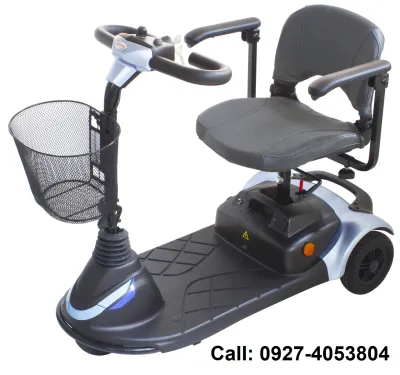
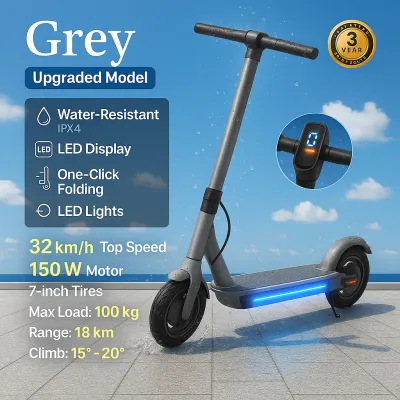
Prices are valid at publication and may change. Please refer to the product page for the latest price.
Electric scooters equipped with baskets offer a motorized alternative that significantly extends your travel range and carrying capacity. These are ideal for daily commutes to work, school runs, or larger grocery trips to the local supermarket. The motorized assistance allows you to carry heavier items, such as water bottles, books, or multiple grocery bags, without physical strain. Within this category, you will find two-wheeled electric scooters, which offer agility in tight spaces, and three-wheeled or sit-down electric mobility scooters, which provide maximum stability and larger cargo baskets for those who prioritize balance and comfort.
To determine the right basket capacity, estimate the typical volume and weight of your daily cargo. If you only need to carry personal items like a water bottle, a small umbrella, and a wallet, a compact front-mounted basket with a weight capacity of 2 to 3 kilograms is sufficient. For heavier utility tasks, such as carrying fresh produce, rice packs, or school textbooks, look for a heavy-duty front or rear basket rated for 5 to 10 kilograms. Overestimating your cargo needs is generally safer than underestimating, as overloading a small basket can severely compromise your scooter’s balance and structural integrity.
Key Features to Evaluate in a Scooter with Basket
When a scooter carries extra weight in a basket, its handling characteristics change dramatically. To ensure a safe and comfortable ride, you must evaluate several critical structural features before making a purchase. The deck size, wheel diameter, suspension, handlebars, and braking systems all play a vital role in how the scooter performs under load.

First, examine the deck size and wheel diameter. A wider and longer deck provides a more stable platform, allowing you to adjust your stance to balance the extra weight of the basket. Wheel size is equally important for navigating uneven roads, which often feature potholes, cracked concrete, and sudden transitions. Small wheels (under 150mm) tend to catch on road imperfections, which can cause a loaded scooter to tip forward. Look for scooters with larger wheels—ideally 200mm or larger for kick scooters, and 8.5 to 10 inches for electric models—as they roll over obstacles more smoothly and maintain better momentum.
Suspension systems are highly beneficial when carrying cargo. A front suspension fork or dual suspension system dampens the vibrations from rough pavement, preventing your basket’s contents from bouncing out or rattling excessively. This is particularly important if you frequently carry fragile items, such as eggs or electronic devices. Without adequate suspension, the constant jarring from uneven roads can also loosen the basket’s mounting hardware over time.
Handlebar design and adjustability are crucial for maintaining control when steering a loaded scooter. Look for handlebars with adjustable height settings so you can position them at a comfortable level that keeps your back straight and your arms slightly bent. Ergonomic rubber or silicone grips provide a secure hold, reducing hand fatigue during longer rides. Because a front basket adds weight directly to the steering column, having a wide, comfortable handlebar gives you the leverage needed to steer smoothly and respond quickly to sudden obstacles.
Finally, robust braking systems are non-negotiable for any scooter carrying cargo. The added weight of a loaded basket increases the scooter’s momentum, which naturally extends your stopping distance. For manual kick scooters, a reliable rear fender brake combined with a hand-operated front brake offers the best control. For electric scooters, look for models equipped with mechanical disc brakes or drum brakes on at least one wheel, preferably paired with an electronic regenerative braking system. Disc brakes provide the most consistent stopping power, especially in wet conditions during the rainy season, ensuring you can stop safely even when carrying a full load.
Built-In vs. Attachable Baskets: Which Configuration Works Best?
Scooters with baskets generally come in two configurations: those with built-in, integrated baskets and those designed to accept aftermarket, attachable baskets. Each setup has distinct advantages and trade-offs regarding structural integrity, weight distribution, and overall versatility.
Built-in baskets are engineered as part of the scooter’s frame. Because they are welded or securely bolted to dedicated mounting points on the headtube or the rear rack, they offer superior structural integrity. Integrated baskets do not wobble or shift during transit, and they are often positioned to optimize weight distribution. For example, a front basket mounted directly to the frame’s headtube—rather than the handlebars—remains stationary when you turn the wheel. This design prevents the weight of your cargo from pulling the handlebars to one side, resulting in much more stable and predictable steering.
Attachable baskets, on the other hand, offer excellent versatility. They allow you to convert a standard commuter scooter into a utility vehicle when needed, and remove the basket when you want a lighter, more streamlined ride. These baskets typically mount to the handlebars using quick-release brackets, straps, or clamps, or they bolt onto an existing rear cargo rack. While convenient, attachable front baskets are more prone to loosening over time due to road vibrations. Because they turn with the handlebars, carrying heavy items in an attachable front basket can cause steering wobble and make low-speed maneuvering more difficult.
The material of the basket also affects its durability and performance in tropical climates. Wire mesh baskets are highly popular because they are lightweight, allow rain to drain freely, and provide excellent visibility. However, small items can easily fall through the mesh, requiring you to use an inner liner or bag. Heavy-duty plastic baskets are rust-proof and easy to wipe clean, making them highly practical for grocery runs, but they must be made from UV-stabilized materials to prevent them from becoming brittle and cracking under intense sunlight. Wicker or synthetic rattan baskets offer a classic, stylish aesthetic, but they require weather-resistant coatings to withstand high humidity and sudden downpours without rotting or warping.
Safety, Weight Limits, and Stability Checks
Riding a scooter with a basket requires a heightened awareness of safety and vehicle dynamics. Adding cargo alters the scooter’s center of gravity, steering responsiveness, and braking behavior, making it essential to follow strict safety guidelines and perform regular equipment checks.
Always locate and adhere to the manufacturer’s specified weight limits. Every scooter has a maximum rider weight capacity, and scooters with baskets often specify a separate, lower weight limit for the cargo area itself. For example, a scooter might support a total weight of 100 kilograms, but the front basket may only be rated for 5 kilograms. Exceeding these limits can stress the frame, bend the handlebar stem, or cause the mounting brackets to fail catastrophically while riding. Always distribute your cargo weight carefully; place heavier items at the very bottom of the basket and keep lighter, bulkier items on top to maintain a low center of gravity.
Understand how front-loaded weight affects your ride. A heavy front basket increases steering inertia, meaning it takes more physical effort to initiate a turn, and the handlebars may feel sluggish. Conversely, once the turn is initiated, the weight can cause the handlebars to “flop” or turn more sharply than intended. To counteract this, maintain a firm, two-handed grip on the handlebars at all times and reduce your speed when cornering. Additionally, be prepared for a longer braking distance. Begin braking much earlier than you would on an unloaded scooter, and apply both front and rear brakes smoothly to avoid skidding or tipping forward.
Before every ride, perform a quick stability and hardware check. This routine is especially important for scooters used daily on bumpy roads. Use the following checklist to ensure your scooter is safe to ride:
- Check the basket mounting brackets, bolts, and quick-release levers to ensure they are tight and secure.
- Wiggle the basket gently to verify there is no excessive play or rattling.
- Inspect the handlebar stem and folding mechanism for any signs of hairline cracks or structural fatigue.
- Ensure the brakes are responsive and do not feel spongy when squeezed.
- Verify that your cargo is secured with a cargo net, bungee cords, or a zippered cover to prevent items from bouncing out when hitting bumps.
Where to Buy and What to Verify Before Checkout
Finding a reliable scooter with a basket in the Philippines involves choosing the right retail channel and verifying key purchase terms to protect your investment. You can find these scooters through physical sporting goods stores, specialized electric vehicle dealerships, and reputable online marketplaces.
Buying from a physical retail store or official brand showroom is highly recommended because it allows you to inspect the scooter in person. You can stand on the deck, test the handlebar height, feel the weight of the vehicle, and assess the sturdiness of the basket attachment. Physical stores also allow you to ask sales representatives about assembly, maintenance, and the availability of spare parts. If you choose to buy from an online marketplace, prioritize official brand stores or highly rated preferred sellers. Read customer reviews carefully, paying close attention to feedback regarding shipping damage, missing assembly hardware, and the actual durability of the basket.
Before finalizing your purchase, verify the warranty coverage. A comprehensive warranty should cover the main scooter frame, the motor and battery (for electric models), and the structural mounting points for the basket. Be sure to ask if using aftermarket baskets or modifying the mounting hardware voids the manufacturer’s warranty. Understanding the warranty terms ensures you are covered if a weld fails or if the basket bracket breaks under normal, rated use.
Additionally, clarify the assembly requirements and return policies. Many scooters purchased online arrive partially disassembled to save on shipping space. Verify if the package includes all necessary tools, such as hex keys and wrenches, and clear assembly instructions. If you are uncomfortable assembling the steering column or mounting the basket yourself, consider taking the scooter to a local bicycle or scooter repair shop for professional assembly. Finally, ensure the seller offers a clear return or replacement policy in case the product arrives with manufacturing defects or transit damage.
Frequently Asked Questions (FAQ)
Can I add a basket to a standard scooter that didn't come with one?
Yes, you can add a basket to most standard scooters, provided they have compatible mounting areas. For front baskets, you will need a handlebar stem with a standard diameter that can accommodate universal mounting clamps or quick-release brackets. For rear baskets, your scooter must be equipped with a compatible rear cargo rack. When retrofitting a basket, always choose lightweight materials and avoid carrying heavy loads that exceed the structural limits of your handlebar stem. Be aware that drilling holes or modifying the scooter’s frame to mount a basket will likely void the manufacturer’s warranty.
How do I clean and maintain a wire or plastic scooter basket?
To clean a wire or plastic scooter basket, wipe it down regularly with a soft cloth, mild soap, and warm water to remove road dust, mud, and salt residue. Avoid using abrasive scrubbing pads or harsh chemical cleaners that can scratch plastic or strip the protective powder coating from wire baskets. For wire baskets, inspect the surface periodically for any chipped paint or exposed metal, and apply a touch-up of rust-resistant paint to prevent corrosion. For plastic baskets, check for signs of UV degradation, such as color fading or fine cracks, and store the scooter in a shaded area or under a protective cover when not in use to prolong its lifespan.

Community discussion
Share your experience or ask a question. Comments are reviewed before publication.