
Finding the right Wilson over grip for your badminton racket comes down to matching the grip’s material properties—such as thickness, tackiness, and absorption—with your hand physiology and playing style. Because badminton demands rapid wrist movements, explosive smashes, and precise finger adjustments, a secure connection to your handle is paramount. A mismatched grip can lead to slippage, reduced control, or unnecessary muscle strain. By understanding how different specifications interact with your playing conditions, you can select an overgrip that enhances your performance and keeps your racket secure in your hand.
Assess Your Playing Style and Grip Needs
To find the ideal overgrip, you must first analyze your physical requirements and how you interact with your racket. Sweat production is one of the most critical factors to evaluate. Some players naturally have dry hands, while others experience heavy perspiration, especially during long matches in warm, humid indoor courts. If your hands sweat heavily, a standard tacky grip can quickly become slippery, whereas a dry-feel or highly absorbent grip will maintain its friction. Conversely, if your hands remain relatively dry, an ultra-tacky grip will provide the secure hold you need without requiring excess squeezing force.
Next, consider your preference for racket feedback versus shock absorption. Badminton handles are octagonal, and the flat surfaces (bevels) help players feel the orientation of the racket face without looking at it. If you rely on precise net play, quick defensive blocks, and deceptive drops, you likely prefer a thin overgrip that preserves these bevels, allowing for maximum finger sensitivity. On the other hand, if you are an aggressive backcourt player who frequently executes heavy smashes, you may prefer a thicker, cushioned overgrip that absorbs the high-impact vibrations that travel up the shaft, protecting your joints from fatigue.
Products mentioned in this guide
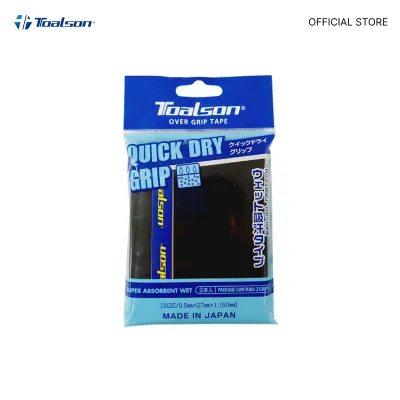
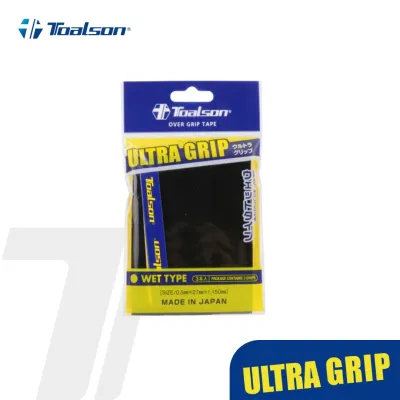
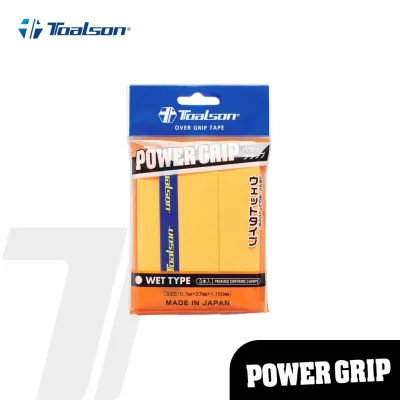
Prices are valid at publication and may change. Please refer to the product page for the latest price.
Finally, factor in your playing frequency, session duration, and practical budget. Overgrips are consumable items that degrade with use. If you play multiple times a week for several hours per session, you will go through grips rapidly. Budgeting in ₱ for multi-packs (such as 3-packs, 12-packs, or even larger bulk reels) is far more economical than purchasing single grips. Recognizing your replacement frequency helps you balance the cost of maintenance against the performance benefits of playing with a fresh, reliable grip.
Key Selection Criteria for Wilson Overgrips
When browsing Wilson over grip options, understanding the technical specifications on the packaging will help you make an informed decision. The primary material used in modern synthetic overgrips is polyurethane (PU). This material is favored for its elasticity, durability, and ability to be formulated with varying degrees of tackiness or absorption. Some PU grips feature a smooth, solid surface, while others are perforated with tiny holes designed to channel sweat away from the outer layer, keeping the contact surface dry.

Thickness is another crucial specification, usually measured in millimeters (mm). Badminton overgrips typically range from 0.4 mm to 0.8 mm in thickness. A thickness of 0.4 mm to 0.5 mm is considered ultra-thin, offering minimal alteration to the original handle size (often G4 or G5 in standard badminton rackets). This thin profile ensures that you maintain a direct feel of the handle’s bevels. Grips measuring 0.6 mm to 0.8 mm provide noticeable cushioning, which increases the overall handle size and dampens vibrations, making it more comfortable for players with larger hands or those prone to wrist strain.
You must also distinguish between tackiness and absorbency. Tacky grips feature a glossy, sticky surface coating that adheres to your skin, providing a locked-in feel with minimal grip pressure. This is excellent for dry conditions but can fail when saturated with moisture. Absorbent grips, often referred to as dry-feel or suede-feel grips, have a matte, porous texture that draws moisture away from the surface. Understanding these material characteristics allows you to look past marketing buzzwords and select a grip based on its actual physical properties.
Matching Wilson Overgrip Features to Badminton Scenarios
In the tropical climate of the Philippines, indoor badminton courts can become incredibly warm and humid, leading to rapid sweat buildup. For players facing these conditions, prioritizing moisture management is essential. Overgrips featuring high absorbency, perforated designs, or a dry-feel texture are highly recommended. These features prevent sweat from pooling on the surface, ensuring that your racket does not slip or twist in your hand during high-speed defensive exchanges or sudden offensive drives.
For players who specialize in precision control, net play, and rapid front-court interceptions, the priority shifts to finger sensitivity. In these scenarios, look for ultra-thin, non-perforated, highly tacky specifications. The thin profile allows your fingers to register the exact angle of the handle bevels instantly, which is critical for executing delicate net drops and cross-court slices. The high tackiness ensures that the racket remains securely positioned in your hand even with a relaxed grip, allowing for maximum wrist flexibility and quick grip transitions.
Conversely, if your playing style revolves around heavy smashing and continuous backcourt rallies, joint comfort should be your primary concern. The repetitive impact of hard smashes can send harsh vibrations through the racket handle, leading to fatigue in the wrist, elbow, and shoulder. To counter this, seek out overgrip specifications that offer extra cushioning, vibration dampening, or a thicker profile. This added thickness acts as a shock absorber, reducing the physical toll of high-impact play and allowing you to maintain power throughout extended matches.
How to Verify Product Specifications Before Buying
To ensure you purchase the correct overgrip for your needs, it is important to verify the product specifications carefully, whether you are shopping in a physical sports store or browsing online marketplaces. Start by inspecting the product packaging or online description for exact measurements. Look for the thickness specified in millimeters and check the material composition. Reliable listings will explicitly state whether the grip is designed for a tacky feel or a dry, absorbent feel.
Next, verify the pack count and the included accessories. Overgrips are often sold in packs of three, twelve, or thirty. Ensure that the package includes finishing tape—the narrow, adhesive strip used to secure the top of the grip near the racket cone. Some packages also include rubber grip bands that slide over the finishing tape for added security. Confirming these details prevents the frustration of starting an installation only to find you lack the necessary tape to complete it.
When shopping on ecommerce platforms, product titles can sometimes be generic or contain search-optimized keywords that do not match the actual product. Always scroll down to the detailed specification tables or product descriptions to verify the exact model and its features. If the listing lacks clear specifications regarding thickness, texture, or pack count, look for customer reviews that mention these details, or contact the seller directly to confirm the specifications before making your purchase.
Installation and Maintenance Tips for Optimal Performance
Proper installation is just as important as selecting the right overgrip. To begin, peel off the protective plastic film from the shiny side of the overgrip (if applicable) and locate the tapered end, which usually features a small adhesive tab. Start wrapping at the butt cap of the racket handle, securing the tapered end firmly. As you wrap upward toward the cone, you can customize the final thickness by adjusting the overlap ratio. A 50% overlap will create a thicker, more cushioned grip with distinct ridges, while a minimal overlap of 2 mm to 3 mm will maintain a thinner, smoother profile.
Maintain consistent, moderate tension as you wrap. Pulling the overgrip too tightly will stretch and thin out the material, reducing its cushioning and durability. Wrapping too loosely will result in wrinkles, air pockets, and sliding layers, which can cause blisters and compromise your control during play. For right-handed players, wrap in a clockwise direction (looking down from the cone to the butt cap) to ensure that your fingers naturally tighten the grip during play; left-handed players should wrap counter-clockwise. Once you reach the cone, cut the excess grip at an angle to create a clean, straight edge, and secure it tightly with the provided finishing tape.
To maintain optimal performance, you must recognize when your overgrip needs replacement. Overgrips are designed to wear out. Visual and tactile signals of degradation include a complete loss of tackiness, a slick or slimy feel when wet, hardening or brittleness of the material, peeling edges, and visible tearing. Additionally, because overgrips absorb sweat, they can harbor bacteria and develop an unpleasant odor over time. Replacing your overgrip regularly ensures a hygienic, secure, and comfortable connection to your racket, allowing you to play with confidence.
Frequently Asked Questions (FAQ)
Can I use a tennis overgrip for my badminton racket?
Yes, you can use a tennis overgrip on a badminton racket, but you must make a few adjustments. Tennis overgrips are designed for the longer and wider handles of tennis rackets, meaning they are significantly longer than badminton-specific overgrips. When wrapping a badminton handle with a tennis overgrip, you will have a substantial amount of excess material at the top, which you must trim off with scissors before applying the finishing tape. Additionally, tennis overgrips are often thicker and heavier than badminton overgrips. This extra weight at the handle can slightly alter the balance point of a lightweight badminton racket, making it feel more head-light. If you prefer a very thin, lightweight feel, look specifically for ultra-thin tennis options or dedicated badminton overgrips.
How often should I replace my badminton overgrip?
The replacement frequency of your overgrip depends on how often you play, how much your hands sweat, and the environmental conditions. For recreational players who play once or twice a week for an hour or two, replacing the overgrip every four to six weeks is generally sufficient. However, if you play competitively, train multiple times a week, or play in hot, humid conditions like those in the Philippines, you may need to replace your overgrip every two to three sessions. Regardless of the time elapsed, you should replace your overgrip immediately if it becomes slippery, loses its cushioning, shows visible wear or tearing, or begins to develop an unpleasant odor. Maintaining a fresh grip is essential for preventing the racket from slipping out of your hand during intense rallies.

Community discussion
Share your experience or ask a question. Comments are reviewed before publication.