
Finding a reliable 4-person camping tent in the Philippines requires balancing comfort, weather resistance, and portability against the unique challenges of a tropical climate. Whether you are planning a weekend getaway to the cool ridges of Tanay, a beach camping trip along the shores of Zambales, or a demanding trek up Mount Pulag, your tent is your primary shield against sudden downpours, high humidity, and shifting winds. Because local conditions can transition rapidly from intense heat to torrential rain, relying on generic “best-seller” lists is rarely enough. Instead, a successful purchase depends on understanding how specific materials, ventilation designs, and structural configurations perform in high-humidity environments.
A 4-person tent offers a versatile sweet spot for couples wanting extra gear space, small families, or groups of three friends. However, choosing the right model requires looking past generic marketing and understanding how specific materials and designs perform under local tropical conditions. By focusing on verifiable specifications and matching them to your specific camping style, you can ensure your shelter remains safe, dry, and comfortable throughout your journey.
Assessing Environmental Factors for Camping in the Philippines
The tropical climate of the Philippines dictates very specific requirements for outdoor gear. High relative humidity is a constant factor, meaning that moisture from your breath and the damp ground can easily accumulate inside a poorly ventilated tent. When warm, moist air inside the tent hits the cooler rainfly during a night rain shower, it condenses into water droplets, creating an artificial drizzle inside your sleeping area. To combat this, a tent must feature a design that promotes continuous airflow, allowing warm air to escape before it can condense.
Products mentioned in this guide
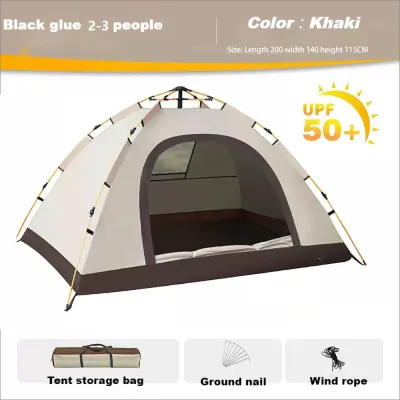
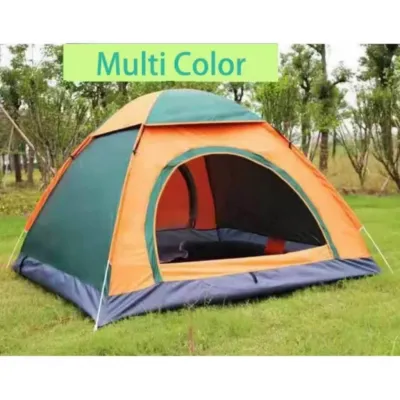
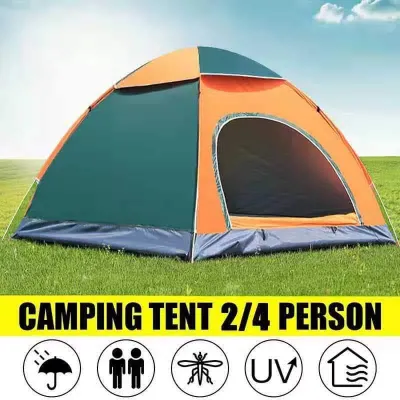
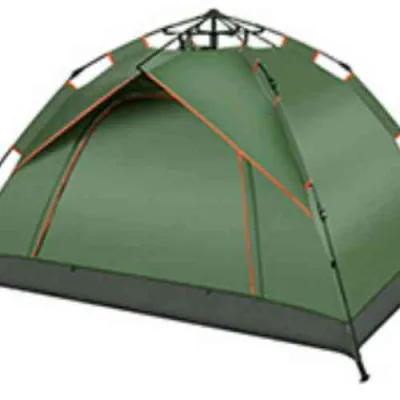
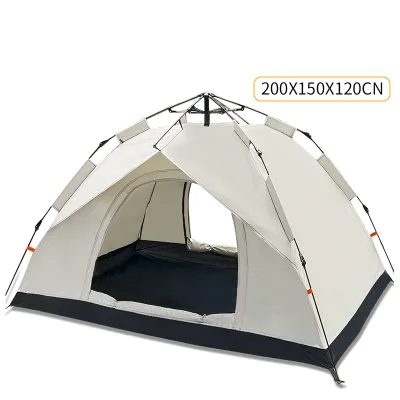
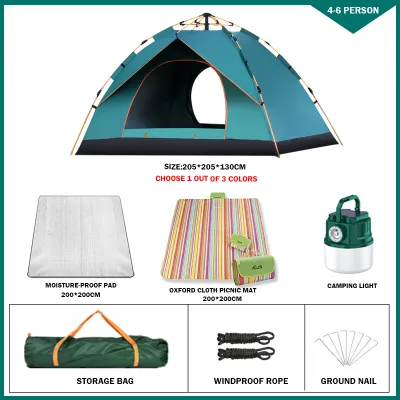
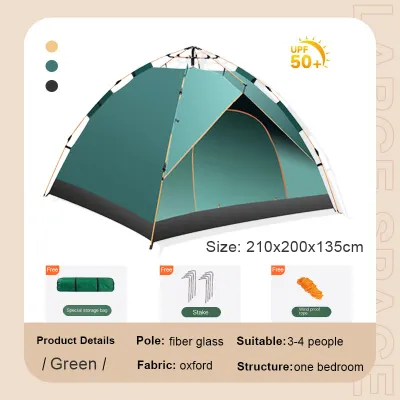
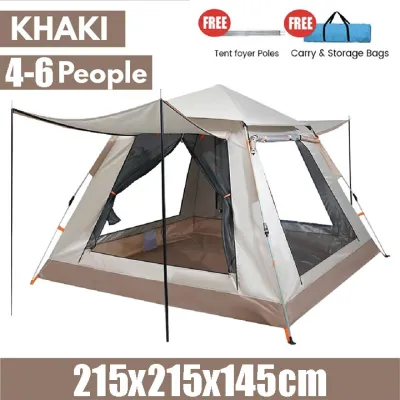
Prices are valid at publication and may change. Please refer to the product page for the latest price.
Rainfall in the archipelago can be sudden and intense, particularly during the monsoon seasons. A passing afternoon shower can quickly turn into a prolonged downpour, making a full-coverage rainfly—one that extends all the way to the ground—an absolute necessity for most local campsites.
Terrain variations also play a critical role in how you select and secure your tent. Coastal beach camping exposes your gear to loose sand, salty air, and sustained sea breezes. Sandy ground offers very little holding power for standard tent pegs, requiring you to verify if you need specialized sand anchors or heavy-duty stakes. Furthermore, the salt-laden air can accelerate the corrosion of cheap metal zippers, grommets, and poles, making corrosion-resistant materials like anodized aluminum or high-grade plastics highly desirable.
Conversely, mountain camping in high-altitude areas presents cooler temperatures and rocky, hard-packed soils. In these regions, temperatures can drop significantly overnight, requiring a tent that allows you to close up mesh panels to retain body heat while still maintaining enough ventilation to prevent condensation. Rocky ground demands sturdy, impact-resistant stakes that can be driven into the earth without bending or breaking.
Essential Specifications to Check on Tent Labels
When evaluating 4-person tents, the technical specifications printed on the packaging or listed on manufacturer websites are your most reliable guide. The first specification to check is the hydrostatic head rating, measured in millimeters (mm). This indicates the water pressure a fabric can withstand before leaking. For a rainfly to withstand tropical downpours, look for a rating of at least 1,500mm. The tent floor requires a higher rating, ideally 3,000mm or more, because physical pressure from sitting or sleeping on the floor can push ground moisture through less resistant fabrics.

Ventilation is the next critical specification, and it is largely determined by the tent’s construction. Double-wall tents are highly recommended for tropical climates. These consist of an inner tent made largely of breathable mesh and a separate, waterproof outer rainfly. This design creates a physical air gap between the two layers, allowing warm air to rise and escape through the mesh while keeping rain out. When examining a tent, verify the presence of adjustable rainfly vents—small hoods near the top of the fly that can be propped open with built-in struts to allow hot air to escape even during a heavy downpour.
Floor dimensions and peak height must be carefully cross-referenced with your actual needs. A “4-person” designation is an industry standard based on the maximum number of standard-sized sleeping pads (typically 50 to 60 centimeters wide) that can be laid side-by-side on the floor. This leaves zero room for backpacks, shoes, or personal space. If you plan to camp with four adults, check the floor dimensions to ensure they exceed the combined width of your sleeping gear, and consider whether you need a tent with a larger rated capacity to accommodate your equipment. Peak height is equally important; dome tents offer a sloped ceiling that limits headroom to the very center, while cabin-style tents feature near-vertical walls that allow you to stand up or sit comfortably, though they are more vulnerable to high winds.
Pole materials are the structural backbone of your tent and directly impact its durability, weight, and wind resistance. Fiberglass poles are common in budget-friendly models; they are heavier, less flexible, and prone to splintering under high stress or prolonged exposure to tropical UV rays. Aluminum poles (typically designated by alloy numbers like 7001 or 7075) are significantly lighter, stronger, and more flexible. They can bend under extreme wind loads without snapping, making them the superior choice for high-altitude treks or exposed coastal campsites where wind resistance is critical.
Matching Tent Designs to Your Specific Camping Trips
To narrow down your options, match the tent’s design to your travel style. Car camping in popular spots like Laguna, Rizal, or Cavite allows you to prioritize comfort and interior space over weight. In this scenario, a heavier cabin-style tent with a high peak height and large doors is highly suitable. You do not need to worry about packed weight since the vehicle does the heavy lifting, allowing you to focus entirely on creating a spacious, comfortable setup.
If your adventures involve backpacking, trail hiking, or multi-day treks where you must carry all your gear on your back, your priorities must shift entirely toward weight and packed dimensions. A heavy, bulky tent will quickly cause fatigue on steep trails. For backpacking, look for lightweight dome or semi-geodesic designs that utilize thin but durable nylon fabrics and aluminum poles. These tents pack down into a compact roll that fits easily inside or on the outside of a multi-day backpack, even if it means accepting a lower peak height and a more intimate sleeping arrangement.
For family or group camping, interior organization and ease of access become paramount. Look for tents that feature dual doors, which allow occupants to enter and exit without crawling over sleeping campmates in the middle of the night. Vestibules—the covered, floorless porch areas created by an extended rainfly—are incredibly valuable for group trips. They provide a protected space to store muddy boots, wet backpacks, and cooking gear, keeping the inner sleeping compartment clean, dry, and clutter-free.
If you plan to camp on high-altitude ridges or exposed peaks where strong winds are common, structural stability is your primary safety concern. Dome and geodesic shapes are inherently aerodynamic, allowing wind to flow over and around the structure rather than pushing against flat walls. Check the number of pole intersection points; tents with more intersections are structurally stiffer and less likely to collapse under sudden gusts. Ensure the tent features multiple reinforced guy-out points—loops on the rainfly where you can attach tensioned cords to anchor the tent firmly to the ground.
Pre-Purchase Inspection and Verification Checklist
Before purchasing, inspect the tent’s physical components to prevent field failures. If buying online, perform a meticulous inspection immediately upon unboxing. Pay close attention to the seam taping on the inside of the rainfly and the floor tub. The tape should be flat, transparent, and free of bubbles or peeling edges, which are primary entry points for water. Zippers should glide smoothly along their tracks without catching on the surrounding fabric or storm flaps. Look for heavy-duty, double-sided zippers that allow you to open the doors from both the inside and outside. Inspect the plastic clips, grommets, and pole hubs; they should feel sturdy and resilient rather than brittle. If the tent comes with basic steel wire stakes, consider allocating a portion of your budget, perhaps ₱1,000 to ₱3,000, to purchase high-quality aftermarket aluminum stakes and reflective guy-lines to ensure secure anchoring in varied soils.
Cross-reference the manufacturer’s claims with independent user feedback. Search local outdoor forums, social media camping groups, and e-commerce platforms to see how the tent performs in real-world tropical conditions. Look for reviews from users who have tested the tent during actual rainy seasons or high-wind scenarios. Pay attention to any recurring complaints regarding pole breakage, seam leaks, or condensation buildup.
Finally, verify the warranty terms and after-sales support offered by the brand or retailer. Purchasing from official brand stores or authorized outdoor distributors ensures that you are getting an authentic product and access to customer support. A reliable warranty that covers manufacturing defects provides peace of mind, and authorized retailers are more likely to stock replacement parts, such as individual pole segments or replacement rainflies, should your tent sustain damage during an adventure.
Frequently Asked Questions (FAQ)
Is a 4-person tent actually big enough for four adults?
In almost all cases, a standard 4-person camping tent is not spacious enough to comfortably accommodate four fully grown adults along with their personal gear. Tent capacity ratings are calculated by tile-mapping standard sleeping pads across the floor area with virtually no gap between them. This layout assumes that campers will sleep shoulder-to-shoulder without moving and that all backpacks, boots, and personal items will be stored outside the tent. For a comfortable camping experience where you can keep your gear dry inside, a 4-person tent is ideal for two adults with gear, or a maximum of three adults who do not mind close quarters. If you plan to camp with four adults and want room to move, store bags, and change clothes, it is highly recommended to size up to a 5-person or 6-person tent, or utilize a large external tarp shelter to protect your gear outside.
How should I dry and store my tent after a wet camping trip?
Proper post-trip maintenance is critical to preserving the lifespan of your tent, especially in the hot and highly humid climate of the Philippines. Storing a tent while it is even slightly damp will rapidly trigger the growth of mold and mildew, which not only creates an unpleasant odor but also chemically degrades the polyurethane waterproof coatings on the fabric through a process called hydrolysis. Once you return home from a trip, pitch the tent in a shaded, well-ventilated outdoor area or drape the rainfly and inner tent loosely over a clothesline indoors. Avoid drying your tent in direct, intense sunlight, as prolonged UV exposure can weaken the synthetic fibers and damage the waterproof seals. Once every component is completely dry to the touch, store the tent loosely in a breathable storage bag or a large cotton pillowcase rather than stuffing it tightly into its original compact carry sack, and keep it in a cool, dry closet away from direct heat and high humidity.
Do I need a footprint for my 4-person tent?
While a footprint is rarely included with a tent purchase, investing in one is highly recommended to protect your investment. A footprint is a durable, waterproof ground sheet cut to match the specific dimensions of your tent’s floor. It acts as a sacrificial barrier, protecting the thin, lightweight fabric of your tent floor from punctures, abrasions, and tears caused by sharp rocks, twigs, roots, or rough sand. It also provides an extra layer of waterproofing, preventing ground moisture from seeping through the floor when the soil becomes saturated. When selecting a footprint, ensure that its dimensions are slightly smaller than the perimeter of your tent floor. If the footprint extends beyond the edges of the rainfly, it will act as a funnel during rain showers, catching water and channeling it directly underneath your tent, which can lead to flooding inside your sleeping area.

Community discussion
Share your experience or ask a question. Comments are reviewed before publication.