
Artistic inline skating offers a graceful, expressive outlet that translates the intricate footwork, jumps, and spins of figure skating onto dry land. For beginners in the Philippines, stepping onto the rink or pavement requires more than just enthusiasm; it demands a clear understanding of how specialized equipment interacts with your body and the local environment. While the sport is highly rewarding, it carries inherent risks of falls, joint strain, and collisions. Proper equipment, physical conditioning, and structured training are essential to minimize these risks, as no skate can replace personal judgment and fundamental skill development.
Before purchasing your first pair, you must recognize your own physical limits and the demands of the sport. Artistic skating requires core strength, balance, and ankle flexibility. Beginners should start on flat, level surfaces free of debris and traffic, and always stop skating if they experience sharp pain, extreme fatigue, or dizziness. Developing a solid foundation through basic skating lessons or guided practice is highly recommended before attempting advanced maneuvers like jumps or tight spins.
The local environment also plays a significant role in your skating experience. The tropical climate of the Philippines, characterized by high humidity and sudden rain showers, affects both your gear and where you can skate safely. Finding suitable venues—such as indoor wooden rinks, polished concrete multi-purpose courts, or smooth, dry outdoor plazas—is crucial for a safe and productive learning experience.
Products mentioned in this guide
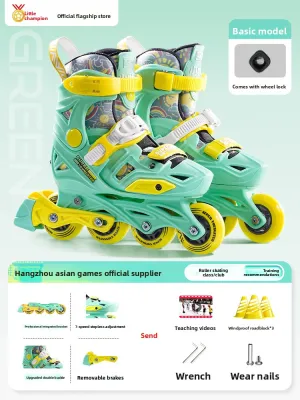
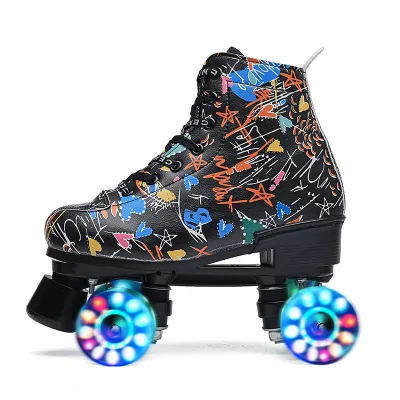
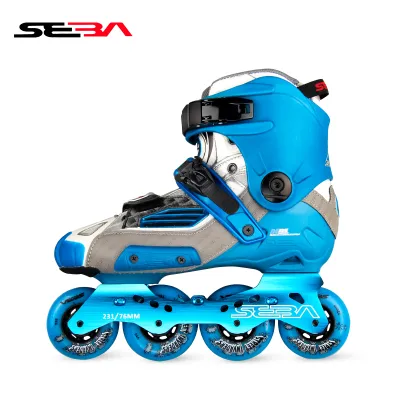
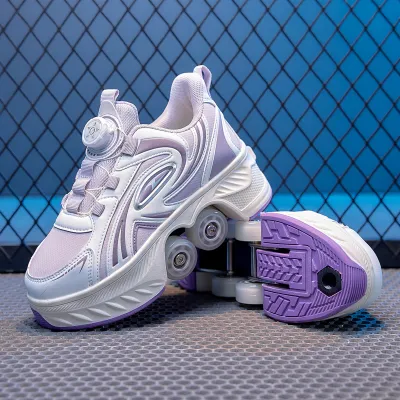
![[Free ShipPing + One Year Warranty]WQ-SLM Adult Inline Skates Skates (Black And White)Roller Skates 4 wheel roller skates](https://img.lazcdn.com/g/p/e15260430563806be1b4c4d58891893a.jpg_400x400q80.jpg_.webp)
Prices are valid at publication and may change. Please refer to the product page for the latest price.
Understanding Artistic Inline Skates
Artistic inline skates are highly specialized tools designed to mimic the performance characteristics of ice figure skates. Unlike standard recreational or fitness inline skates, which are built primarily for forward speed and straight-line stability, artistic models are engineered for extreme maneuverability, deep edge work, and vertical jumps. Understanding the structural components of these skates will help you make an informed decision when comparing different models.
The boot design is the most critical factor for ankle safety and control. Artistic boots feature a high-top silhouette with a stiff, structured construction, often made of reinforced leather or high-grade synthetic materials. This stiffness is intentional; it provides the lateral ankle support necessary to execute deep edges, jumps, and landings without your ankles collapsing inward or outward. Beginners should avoid low-top or soft-boot designs, as they lack the structural integrity required for artistic maneuvers and significantly increase the risk of ankle sprains.
The wheel setup, or frame configuration, is what truly sets artistic inline skates apart. These skates utilize a rockered configuration, meaning the wheels are not positioned in a straight, flat line. Instead, the frame is designed so that the middle wheels sit slightly lower than the front and rear wheels, creating a curved profile similar to an ice skating blade. This rockering reduces the skate’s wheelbase contact with the ground, allowing you to pivot, spin, and transition between forward and backward skating with minimal friction. Additionally, artistic frames feature a specialized toe stop, often called a toe pick, at the very front. This toe pick is essential for executing jump takeoffs and certain footwork sequences, mimicking the toe pick found on ice figure skates.
Frame and plate materials directly impact the skate’s weight, durability, and power transfer. High-quality artistic frames are typically constructed from extruded aluminum or aircraft-grade alloys. Aluminum frames are highly rigid, ensuring that the energy from your leg muscles is transferred directly to the wheels without frame flex, which is crucial for precise edge control. Composite or plastic frames are sometimes found on budget-friendly beginner models; while they are lighter and absorb some road vibrations, they tend to flex under load, which can hinder your progress as you attempt more advanced maneuvers.
Key Selection Criteria for Beginners
Selecting your first pair of artistic inline skates requires balancing technical specifications with your personal physical needs and the environments where you plan to skate. Because artistic skating places unique demands on your feet and joints, a generic approach to buying skates can lead to discomfort, poor technique, or even injury.

Ankle support and boot stiffness should be your primary concern. When evaluating a boot, perform a simple squeeze test: press the sides of the ankle collar together. If the boot collapses easily under hand pressure, it will not provide sufficient support for artistic skating. Beginners need a boot with moderate to high stiffness to prevent pronation, which is the inward rolling of the ankles. Proper support keeps your body aligned, reduces fatigue in your feet and calves, and helps you maintain clean edges during practice.
Accurate sizing and fit are paramount. Never buy skates based on your standard shoe size, as sizing standards vary wildly between brands. Instead, measure your feet in millimeters by placing your heel against a wall and tracing the outline of your foot on a sheet of paper. Measure the distance from your heel to your longest toe, as well as the width of your foot at its widest point. Compare these measurements to the manufacturer’s specific size chart. When trying on skates, wear the exact socks you plan to use for skating. Your toes should lightly brush the front of the boot when standing straight, and pull back slightly when you bend your knees into a deep skating stance. There should be absolutely no heel lift when you walk or lift your foot.
Wheel durometer and size must be matched to your primary skating surface. Wheel hardness is measured on the Durometer A scale. In the Philippines, where outdoor skating on concrete barangay courts or asphalt plazas is common, beginners should look for softer wheels, typically rated between 78A and 82A. Softer wheels provide better grip and absorb the vibrations of rough, uneven surfaces, making your outdoor sessions much more comfortable. If you have access to a smooth indoor wooden rink or polished concrete court, harder wheels rated between 84A and 88A are preferable, as they offer less rolling resistance and allow for smoother spins and transitions.
The closure system ensures a secure heel lockdown, which is vital for maintaining control. A reliable artistic skate should feature a combination of traditional laces and micro-adjustable buckles or power straps. Laces allow you to customize the tightness across different zones of your foot, while an ankle buckle or 45-degree strap locks your heel firmly into the back pocket of the boot. Avoid skates that rely solely on quick-pull systems or Velcro, as these can loosen during dynamic movements, compromising your stability.
Essential Protective Gear and Accessories
Safety must always be your top priority when learning to skate. Artistic inline skating involves learning complex balance transitions, which inevitably leads to falls as you push your limits. Equipping yourself with the correct protective gear and maintenance tools ensures that a minor fall does not turn into a season-ending injury.
Mandatory protective gear includes a certified multi-impact helmet, wrist guards, knee pads, and elbow pads. When falling, the natural human reflex is to reach out with your hands, making wrist guards the most critical piece of safety equipment for preventing fractures and abrasions. Ensure your pads fit snugly without sliding out of place when you move. Remember that protective gear is designed to absorb impact, but it cannot replace proper falling techniques; beginners should practice falling safely—lowering their center of gravity and sliding on their pads—on a soft surface before rolling onto hard ground.
Maintaining your skates is especially important in the humid tropical climate of the Philippines. High humidity and sweat can quickly lead to rusted bearings and degraded boot materials. Keep a basic maintenance kit that includes a multi-purpose skate tool (often called a Y-tool), bearing cleaner, and a light synthetic lubricant. After every skating session, wipe down your boots to remove sweat and moisture, and check that all axle bolts and toe stops are securely tightened. Never use water or household penetrating oils to clean your bearings, as these will strip away necessary lubrication and attract destructive dirt and grit.
When planning your purchase, budget allocation is key. It is a common mistake to spend your entire budget on the skates themselves, leaving nothing for safety equipment. To avoid this, allocate approximately 20% to 30% of your total budget in ₱ specifically for high-quality protective gear and maintenance accessories. Investing in reliable safety gear is just as important as buying the skates, ensuring you can practice with confidence and peace of mind.
Where to Buy and What to Verify in the Philippines
Navigating the local market for artistic inline skates requires caution, as specialized artistic gear is less common than standard recreational skates. Knowing where to shop and how to verify your purchase will protect you from counterfeit products, incorrect sizing, and poor-quality materials.
Specialized local skate shops are the best retail channel for beginners. These shops often have knowledgeable staff who can measure your feet, recommend appropriate models, and assist with heat-molding or boot adjustments. If you do not have a specialized shop nearby and must use general e-commerce platforms or online marketplaces, look for official brand stores or highly rated sellers who specialize in roller sports. Avoid generic, unbranded listings that promise professional-grade artistic skates at suspiciously low prices, as these products often lack the necessary structural support and safety certifications.
Before finalizing your purchase, perform a thorough seller verification. Check if the seller is an authorized dealer for the brand you are interested in. Read recent buyer reviews, looking specifically for comments regarding sizing accuracy, packaging quality, and how the seller handles customer service inquiries. Confirm the local warranty terms, especially regarding manufacturing defects in the frames or boots.
Once your skates arrive, conduct a meticulous delivery inspection before taking them outdoors. Place the skates on a flat surface and check the frame alignment; the frames should be perfectly centered along the length of the boot sole. Spin each wheel to ensure they rotate smoothly and quietly without any grinding or wobbling. Check all mounting bolts, axles, and the toe stop to ensure they are tight and secure. Inspect the boot for any structural defects, such as loose stitching, lifting soles, or cracked materials.
Finally, understand the seller’s return and exchange policies. Because correct fit is so critical for artistic skating, you may need to exchange your skates for a different size. To preserve your right to a return or exchange, always test the fit of your skates indoors on a clean, carpeted surface. Do not skate on asphalt, concrete, or any outdoor surface until you are absolutely certain the fit is perfect, as any signs of wear on the wheels or boots will void your ability to return them.
Frequently Asked Questions (FAQ)
Can I use regular fitness inline skates for artistic skating?
Regular fitness inline skates are not suitable for artistic skating due to fundamental design differences. Fitness skates feature a flat, longer frame designed for straight-line stability and speed, which makes tight turns, spins, and intricate footwork extremely difficult to execute. They also lack a front toe pick, which is essential for artistic jump takeoffs and specific dance steps. Attempting artistic maneuvers on fitness skates can lead to poor technique and increases the risk of falls due to the lack of maneuverability and appropriate ankle support.
How do I know if my artistic inline skates fit correctly?
Your artistic inline skates fit correctly when they feel like a snug extension of your feet with no room for movement inside the boot. When standing straight, your toes should gently touch the front of the toe box without being cramped or bent. When you bend your knees into a proper skating stance, your toes should slide back slightly, and your heel must remain locked firmly in the back of the boot without lifting. There should be no painful pressure points, but the fit should be significantly tighter than your everyday walking shoes to ensure precise edge control.
Do I need to adjust the wheel configuration before my first skate?
As a beginner, you should start with the factory wheel configuration, which is typically set up for baseline stability. If your skates come with a flat setup, keep it that way for your first few sessions to build ankle strength, balance, and confidence in your forward and backward strides. As your fundamental skills progress and you begin learning three-turns, brackets, and basic spins, you can transition to a rockered configuration by adjusting the wheel sizes or frame settings to increase maneuverability. Always consult your skate’s manual or a qualified coach before making structural adjustments to your frames.

Community discussion
Share your experience or ask a question. Comments are reviewed before publication.