
Selecting the right boat for fishing in the Philippines depends on matching the watercraft’s design to the specific aquatic environment you plan to explore. The archipelago offers incredibly diverse fishing grounds, from calm inland lakes and winding river systems to choppy coastal bays. A vessel that excels in a quiet freshwater reservoir may prove unstable or difficult to paddle when facing coastal winds and tidal currents. By understanding how hard-shell kayaks, inflatable boats, and stand-up paddle boards (SUPs) perform under different conditions, you can make an informed decision that ensures both safety and angling success.
Assessing Your Target Fishing Waters in the Philippines
Before choosing a watercraft, you must analyze the physical characteristics of your primary fishing spots, as tropical weather patterns and local geography dictate your safety on the water. Inland lakes and reservoirs, such as Lake Taal or Pantabangan Lake, often present flatwater conditions that seem highly forgiving. However, these large, open bodies of water are highly susceptible to sudden wind shifts and afternoon squalls, which can quickly kick up challenging chop. Anglers in these areas need a vessel that can handle wind exposure across open surfaces while still allowing for a quiet, stealthy approach when navigating shallow, grassy coves.
River systems present a completely different set of logistical challenges and physical hazards. Moving currents, swirling eddies, and tidal rivers require a highly maneuverable craft that responds instantly to paddle strokes. Rivers are also prone to shallow stretches, submerged logs, sandbars, and sharp rocks that can damage a hull or snag a low-hanging rudder. To fish these waters successfully, you need a boat with a shallow draft that can glide over obstacles without getting stuck, prioritizing quick turning ability over straight-line tracking.
Products mentioned in this guide
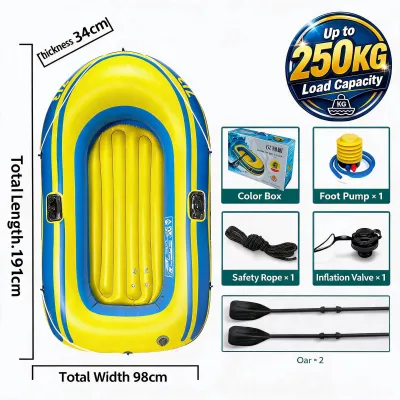
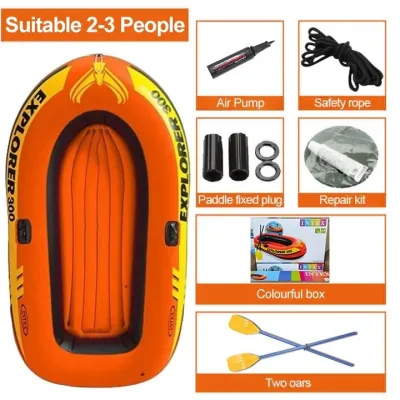
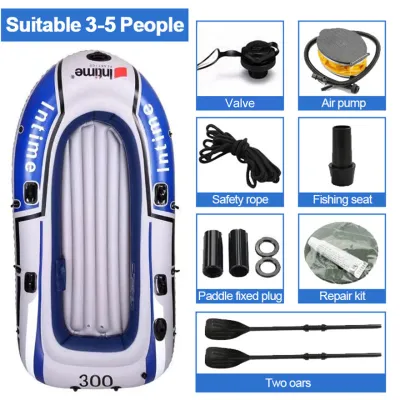
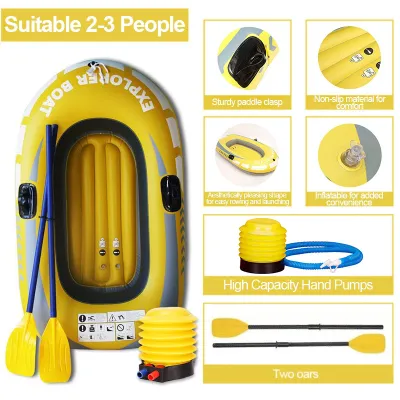
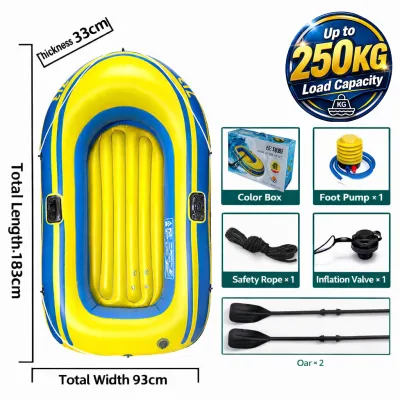
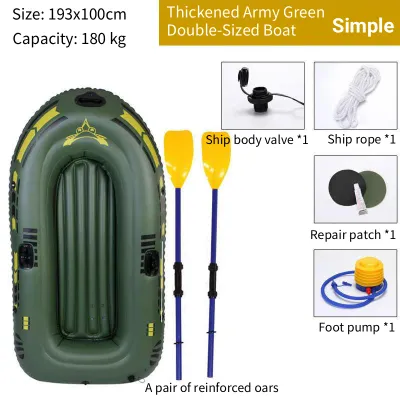
Prices are valid at publication and may change. Please refer to the product page for the latest price.
Coastal and nearshore environments, such as protected bays, mangrove estuaries, and reef flats, demand the highest level of preparation and robust equipment. Here, you will face constant wave action, strong tidal changes, and coastal winds that can make paddling back to shore exhausting. Saltwater corrosion is an ongoing threat to every metal component on your boat, requiring marine-grade materials. When fishing nearshore, your vessel must have sufficient stability to handle swell and chop, along with the speed and tracking capability to cover longer distances efficiently.
Comparing Kayaks, Inflatables, and Paddle Boards for Anglers
Each type of watercraft offers distinct advantages and trade-offs in terms of stability, transport, durability, and storage capacity. Hard-shell kayaks, typically constructed from durable rotomolded polyethylene, are the traditional favorite for serious anglers. These vessels excel in tracking—the ability to maintain a straight course—and speed, allowing you to cover large distances with minimal paddling effort. They also feature generous built-in storage hatches, accessory tracks, and molded-in rod holders. The primary trade-offs are their physical weight, which makes transport and loading onto a vehicle roof rack challenging for a solo angler, and their rigid hulls, which can scrape or sustain cosmetic damage on shallow river rocks.

Inflatable boats, including inflatable kayaks and multi-chamber utility boats, offer unmatched portability and storage convenience. These vessels can be deflated, rolled up, and transported in the trunk of a small car, eliminating the need for expensive roof racks or trailers. Modern inflatables utilize heavy-duty PVC or drop-stitch materials that provide high initial stability, making them incredibly difficult to tip over. However, they are more susceptible to being pushed off course by strong winds due to their high profile on the water. Anglers must also practice puncture awareness, keeping sharp fish hooks, knives, and spiny fins away from the air chambers, and regularly inspect seams and valves for leaks.
Fishing paddle boards, or stand-up paddle boards (SUPs) configured for angling, provide a unique, highly active fishing experience. The elevated standing position gives you unparalleled visibility into the water, making it much easier to spot fish in shallow flats or mangrove edges. Paddle boards are exceptionally quiet, allowing you to glide into extremely shallow water where larger boats cannot go. The trade-offs are significant, however; SUPs offer very limited gear storage, require excellent personal balance, and expose you completely to the elements, making them less suitable for long, gear-heavy days or rough water conditions.
Matching the Right Boat for Fishing to Your Environment
To find the best boat for fishing, you must align the strengths of each vessel type with the specific demands of your chosen environment. For large inland lakes and reservoirs, a wide, stable hard-shell kayak or a spacious inflatable boat is often the most comfortable choice. These vessels allow you to carry multiple rods, tackle boxes, anchors, and even a cooler for your catch. If you prefer relaxed, hours-long sessions on calm water, a sit-on-top kayak with an adjustable, lawn-chair-style seat provides the necessary back support and stability to fish comfortably all day.
When tackling river systems, maneuverability and impact resistance are your top priorities. A shorter hard-shell kayak, typically under 11 feet in length, allows you to turn quickly to avoid overhanging branches and rocks. Alternatively, a rugged inflatable kayak or a small inflatable raft is excellent for rocky rivers, as the flexible chambers bounce off obstacles rather than cracking. Look for designs with a clean underside—avoiding deep, fixed rudders or skegs that can catch on shallow riverbeds or submerged debris.
For coastal bays and nearshore saltwater fishing, a longer, narrower hard-shell kayak is a highly effective option. Kayaks measuring 12 to 14 feet cut through ocean chop efficiently and hold their line against coastal crosswinds. When venturing into these open waters, always check the manufacturer’s specifications to ensure the hull design is rated for coastal or open-ocean use. A sit-on-top model is essential for coastal safety, as any water that washes over the deck will drain out automatically through the scupper holes, preventing the boat from swamp-sinking.
If you plan to fish a mix of lakes, rivers, and coastal areas throughout the year, a versatile compromise is necessary. A medium-length sit-on-top kayak (around 11 to 12 feet) with a removable skeg or rudder offers a balanced middle ground. This setup provides enough tracking for open lakes and calm coastal bays, while remaining maneuverable enough to handle mild river currents. Alternatively, a high-quality drop-stitch inflatable kayak can bridge the gap, offering the portability needed for remote rivers and the stability required for larger lakes.
Rigging, Maintenance, and Safety Checks Before Launching
Proper preparation, rigging, and maintenance are critical to ensuring your fishing trip is safe and your equipment remains in top condition. Gear management is the first step in rigging your craft; every piece of equipment must be secured to prevent loss in the event of a capsize. Use paddle leashes, rod tethers, and heavy-duty dry bags secured to the deck’s bungee rigging. Keep your tackle organized in compact, waterproof utility boxes, and store heavy items low and centered in the vessel to maintain a stable center of gravity.
Post-trip maintenance is vital for preserving the lifespan of your watercraft, especially after exposure to tropical saltwater and intense sun. Always rinse your boat, paddle, seat, and rigging thoroughly with fresh water after every outing to remove salt crystals, sand, and organic debris. For inflatable boats and paddle boards, apply a UV-protectant spray recommended by the manufacturer to prevent the material from degrading or becoming brittle under the tropical sun. Ensure the craft is completely dry before folding or storing it to prevent mold and mildew growth.
Safety and local compliance must never be overlooked before launching into any waterway. Wearing a properly fitted personal flotation device (PFD) is non-negotiable for every angler, regardless of swimming ability or water depth. Paddle boarders should always use a high-quality ankle leash to keep the board close if they fall off. Before heading out, verify local municipal ordinances and Philippine Coast Guard regulations regarding watercraft registration, as some local government units require permits or fees for non-motorized vessels, especially if you plan to mount a small electric trolling motor.
Frequently Asked Questions (FAQ)
Do I need a special license or registration to use a kayak or inflatable boat for fishing?
In the Philippines, regulations for non-motorized watercraft like kayaks, paddle boards, and simple inflatable boats vary significantly by municipality. While there is generally no national driver’s license required for paddling, many local government units (LGUs) and municipal fisheries offices require registration or a local permit to fish in municipal waters. If you decide to mount a small gasoline or electric trolling motor to your kayak or inflatable boat, the vessel typically falls under motorized boat regulations, which may require formal registration with the Maritime Industry Authority (MARINA) or the Philippine Coast Guard. Always consult the local municipal hall or coast guard station overseeing your target fishing area before launching.
How do I safely transport a hard-shell kayak or inflatable boat to remote fishing spots?
Transporting a hard-shell kayak requires a sturdy, properly installed vehicle roof rack equipped with dedicated kayak carriers, such as J-cradles or saddle pads. Secure the kayak using heavy-duty cam-buckle straps across the hull, and always attach bow and stern lines to your vehicle’s towing points to prevent the wind from lifting the craft at highway speeds. In contrast, inflatable boats and paddle boards offer the ultimate transport convenience, as they can be deflated, packed into their carrying bags, and stored inside your vehicle’s trunk or backseat. Regardless of the boat type, always ensure all loose gear, paddles, and rods are secured inside the vehicle, and verify that your total cargo weight does not exceed your vehicle’s rated capacity.

Community discussion
Share your experience or ask a question. Comments are reviewed before publication.