
Finding the right boxing gloves for women with smaller hands in the Philippines requires looking beyond generic sizing and aesthetic designs. Standard unisex gloves are often scaled down only in length, leaving too much empty space inside the hand compartment, which leads to hand slippage, poor wrist alignment, and an increased risk of strain during training. In the local tropical climate, where high humidity and intense heat accelerate sweating, a glove that fits snugly, supports the wrist securely, and manages moisture effectively is essential for both comfort and long-term safety.
To make an informed purchase, you must understand how specific design elements—such as internal compartment dimensions, grip bar placement, and wrist closure systems—impact your performance. By focusing on these physical characteristics and learning how to verify them, you can find a pair of gloves that feels like a natural extension of your hand, whether you are training in a local boxing gym or working out at home.
Key Fit Features for Smaller Hands and Narrower Palms
When evaluating boxing gloves, the internal hand compartment is the most critical area to consider. Standard unisex gloves are typically designed around a wider, deeper hand structure. For women with smaller hands and narrower palms, this excess space allows the hand to shift during impact. This movement reduces the efficiency of your punches and forces your hand muscles to overcompensate to keep the glove in place. Look for gloves specifically designed with a narrower width-to-depth ratio, which keeps the hand snugly positioned and ensures that the force of each strike is distributed evenly across the knuckles.
Products mentioned in this guide
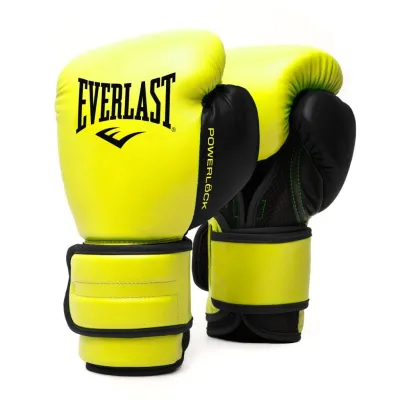
![IN STOCK]EVERLAST Boxing Punching Gloves 1 Pair for adults Professional Training Muay Thai MMA](https://img.lazcdn.com/g/p/2b634e5edcea53a18fb0ec5fc44976d6.jpg_400x400q80.jpg_.webp)
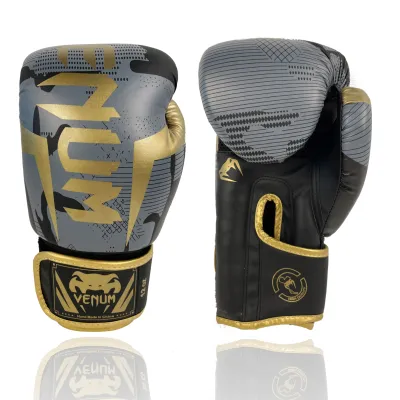
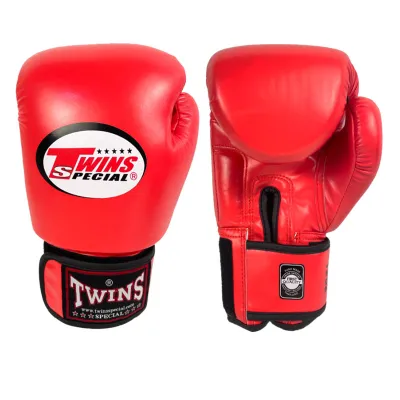
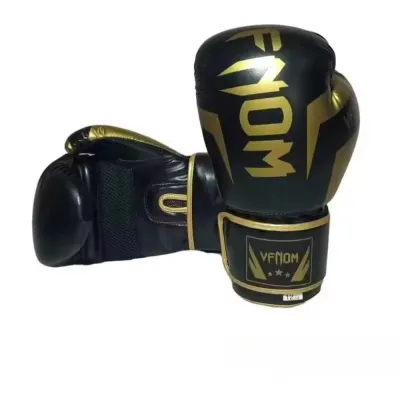
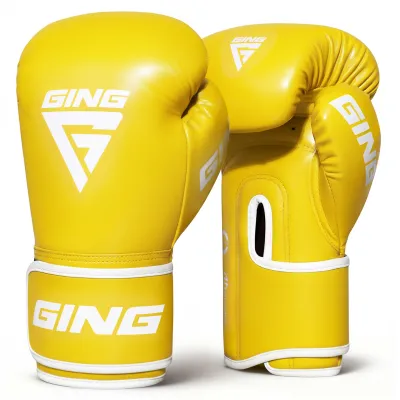
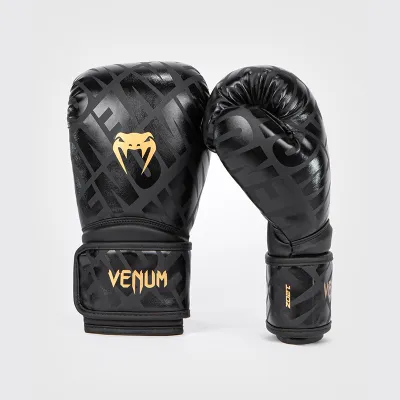
Prices are valid at publication and may change. Please refer to the product page for the latest price.
Thumb placement and the design of the grip bar also play a vital role in hand safety and comfort. The grip bar is the cylindrical foam piece inside the palm that you curl your fingers around to form a fist. If the grip bar is too thick or positioned too far forward, a smaller hand cannot close fully, leading to rapid forearm fatigue and an incomplete fist. Additionally, the thumb pocket must align naturally with your hand’s anatomy. An awkwardly angled thumb pocket can force your thumb into an unnatural position, increasing the risk of hyperextension or joint sprains when hitting a heavy bag.
Wrist closure systems are another essential feature, especially for those with narrower wrists. The two primary options are hook-and-loop (Velcro) and lace-up systems. While lace-up gloves offer a highly customizable fit and superior wrist support, they require assistance to tie and untie, making them less practical for solo training sessions. Hook-and-loop systems are highly convenient, but you must verify that the strap is long enough and has sufficient Velcro coverage to wrap tightly around a narrow wrist. Tapered wrist designs or dual-strap systems are particularly effective for smaller wrists, as they allow you to secure the glove tightly without running out of fastening surface.
How to Measure and Assess Your Hand Size
To find a glove that fits properly, you must take accurate measurements of your hand rather than relying on generic size labels. Using a flexible fabric measuring tape, measure three key dimensions of your dominant hand:

- Hand Circumference: Wrap the tape measure around your knuckles (excluding the thumb) while your hand is flat and your fingers are together. This is the primary measurement used by most manufacturers.
- Hand Length: Measure from the base of your palm (at the wrist crease) to the tip of your middle finger.
- Palm Width: Measure straight across your knuckles from the outer edge of your index finger to the outer edge of your pinky finger.
Once you have these measurements, you must account for the thickness of your hand wraps. Hand wraps are non-negotiable for wrist and knuckle protection, and they add significant volume to your hand. A standard 180-inch wrap will add more bulk than a shorter 120-inch wrap or a quick-wrap gel glove. When trying on gloves or comparing measurements to size charts, always factor in the specific wraps you plan to use. A glove that fits perfectly on a bare hand will likely be too tight once your hands are wrapped.
Finally, understand how to interpret manufacturer size charts. Many brands list glove sizes by weight (ounces) rather than physical hand dimensions. However, specialized brands often provide detailed sizing charts that map hand circumference to specific glove sizes (such as Small, Medium, or Large). Always cross-reference your measured hand circumference with these charts, and look for brands that explicitly state their gloves are designed with a compact or women-specific fit.
Evaluating Glove Weight and Padding Distribution
Choosing the right glove weight depends heavily on your training goals and your physical stature. Glove weights are measured in ounces (oz), typically ranging from 8oz to 16oz. For women with smaller hands, matching the glove weight to the training scenario is crucial:
- 8oz to 10oz: These lighter gloves are ideal for pad work, speed bag training, and light bag work. They have a smaller physical profile and a tighter internal compartment, making them highly suitable for smaller hands. They allow you to focus on speed, technique, and proper hand placement.
- 12oz: This is a versatile weight for general training, including heavy bag work and pad drills. It offers a balanced amount of padding to protect your knuckles without being overly bulky.
- 14oz to 16oz: These heavier weights are standard for sparring to ensure the safety of your training partner. However, finding a 14oz or 16oz glove that fits a small hand can be challenging, as the hand compartment typically scales up with the weight. Look for "compact" or women-specific heavy gloves to avoid a loose fit.
Padding distribution is just as important as overall weight. Some gloves feature a “puncher’s” design, where the padding is concentrated heavily over the knuckles, while others offer a “protective” design with padding distributed evenly down the back of the hand to the wrist. For smaller hands and wrists, a glove with balanced padding distribution or extra wrist reinforcement is highly recommended. This design helps absorb the shock of impact and prevents your wrist from bending backward upon contact.
Before purchasing, verify the weight specifications on the product label. When trying them on, pay attention to how the weight is balanced. A poorly balanced glove can feel top-heavy, putting unnecessary strain on your shoulders and wrists during long training sessions.
Material, Durability, and Maintenance Checks
When selecting boxing gloves, you must choose between synthetic leather and genuine leather. Genuine leather (such as cowhide) is highly durable, offers excellent breathability, and gradually molds to the unique shape of your hand over time. However, it requires regular maintenance and is generally more expensive. Synthetic leather (such as polyurethane or high-grade microfiber) is easier to clean, vegan-friendly, and often more budget-friendly. While modern high-grade synthetics offer impressive durability, lower-end synthetics can trap heat and break down quickly under intense use.
In the tropical climate of the Philippines, moisture management is a major concern. High humidity and intense heat mean your hands will sweat heavily during training. Check the inner lining tags of the gloves for moisture-wicking materials and breathable mesh panels on the palm. A high-quality lining helps draw sweat away from your skin, preventing your hand from slipping inside the glove and reducing the buildup of odor-causing bacteria.
Proper post-training care is essential to prolong the lifespan of your gloves and maintain hygiene. Never leave damp gloves inside a closed gym bag, as this creates a breeding ground for mold and mildew. Follow these basic maintenance steps after every session:
- Wipe the exterior of the gloves with a damp cloth to remove sweat and dirt.
- Use a dry microfiber cloth to absorb excess moisture from the interior.
- Insert glove deodorizers, cedar chips, or specialized moisture-absorbing inserts.
- Air your gloves out in a well-ventilated indoor space. Avoid leaving them in direct, harsh tropical sunlight, as extreme heat can dry out and crack both genuine and synthetic leather.
Building Your Shortlist: What to Verify Before Buying
Before finalizing your purchase on local e-commerce platforms or at a physical sporting goods store, establish a verification checklist to ensure a confident decision. First, confirm the seller’s return and exchange policies. Because glove fit is highly subjective and depends on your individual hand shape, you need the flexibility to exchange the gloves if the hand compartment is too spacious or the thumb placement causes discomfort.
Second, look for detailed manufacturer specifications rather than relying on generic S/M/L sizing. Check the product description for specific internal dimensions, wrist strap lengths, and target user profiles. If you are buying online, read customer reviews specifically from other female lifters or martial artists to see how the gloves fit smaller hands.
If you have the opportunity to visit a physical store, perform a thorough fitting check with your hand wraps on. Pay close attention to these key observation points:
- Finger Reach: Do your fingers comfortably reach the end of the hand compartment without being painfully cramped or leaving excess empty space?
- Thumb Alignment: Does the thumb pocket allow you to form a natural fist without forcing your thumb into an awkward, strained angle?
- Wrist Stability: When you secure the hook-and-loop strap, does it grip your wrist firmly, or is there still space that allows the glove to wobble?
- Grip Bar Comfort: Squeeze the grip bar several times. Does it feel natural to hold, or does it require constant, tiring effort to maintain a grip?
By systematically verifying these features, you can select a pair of boxing gloves that provides the perfect balance of protection, comfort, and durability for your training journey.
Frequently Asked Questions (FAQ)
Can I just buy a smaller men's glove instead of a women's specific model?
While you can technically wear a smaller men’s or unisex glove (such as an 8oz or 10oz), it may not provide the best fit. Smaller unisex gloves are often designed with the same width and wrist proportions as larger models, simply shortened in length. This means the hand compartment may still be too wide for a narrow palm, and the wrist strap may not wrap tightly enough around a slender wrist. If you choose a unisex glove, look for brands that are specifically known for a compact, narrow-fit design rather than a traditional, bulky style.
Do I need different gloves for bag work and sparring?
Yes, it is highly recommended to use different gloves for bag work and sparring if your budget allows. Hitting a heavy bag compacts the foam padding over time, making the gloves hard and unsafe for a sparring partner. Sparring gloves (typically 14oz or 16oz) should be kept exclusively for sparring to preserve their soft, protective qualities. For beginners, a versatile 12oz training glove can handle general pad work and light bag work, but as you progress to active sparring, investing in a dedicated pair of sparring gloves is essential for safety.

Community discussion
Share your experience or ask a question. Comments are reviewed before publication.