
Finding the ideal running belt bag requires balancing load stability with physical comfort, especially when training in hot, humid tropical climates. For men selecting a high-performance waist pack, the decision hinges on matching the bag’s storage volume and structural elasticity to your specific workout intensity. Whether you are navigating a long weekend run along the active streets of Bonifacio Global City or completing high-intensity interval training in a local gym, a bouncing, poorly fitted belt can ruin your stride and cause painful chafing. By focusing on key physical metrics, fabric breathability, and secure fastening mechanisms, you can identify a model that remains virtually imperceptible during your hardest efforts.
Evaluating Men's Running Belt Bags: Core Criteria
When running, every gram of weight carried around your waist is subjected to vertical oscillation. For male runners, who typically carry a higher center of gravity, a belt bag must distribute its load evenly across the lower back or pelvis to prevent localized strain. If a bag concentrates its weight in a single, loose pocket, it will sag, pull at your lower back muscles, and alter your natural running posture. Look for designs that wrap the load horizontally around your torso, utilizing wide, elasticized bands that spread the pressure across a larger surface area.
In the intense heat and humidity of the Philippines, material selection is not just a matter of comfort—it is a performance necessity. Standard nylon or heavy canvas fabrics trap sweat against your skin, leading to rapid heat buildup and severe friction chafing. High-performance running belts utilize advanced open-mesh structures, perforated neoprene, or lightweight elastane blends that actively pull moisture away from your body. These materials allow air to circulate freely, accelerating sweat evaporation and keeping both your skin and the bag’s contents drier during long, sun-exposed training sessions.
Products mentioned in this guide
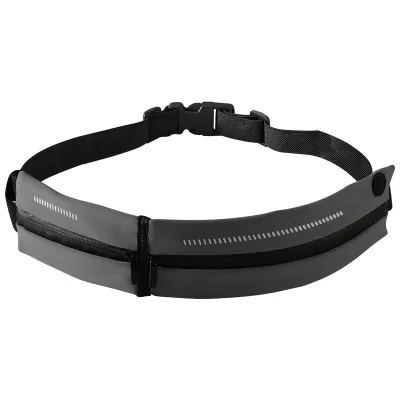
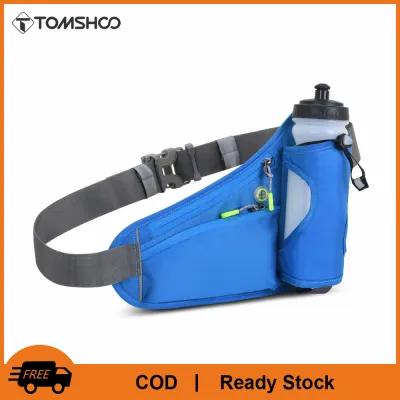
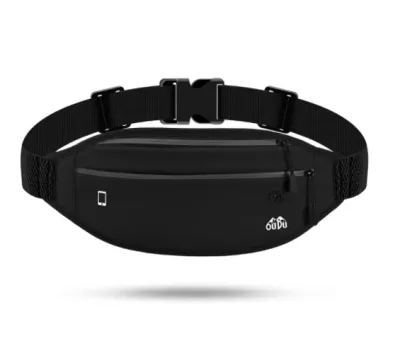
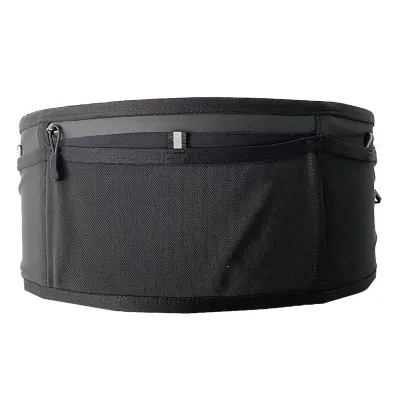
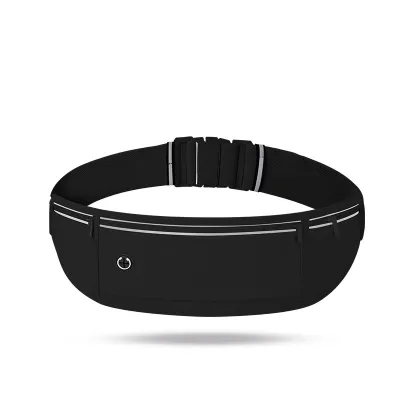
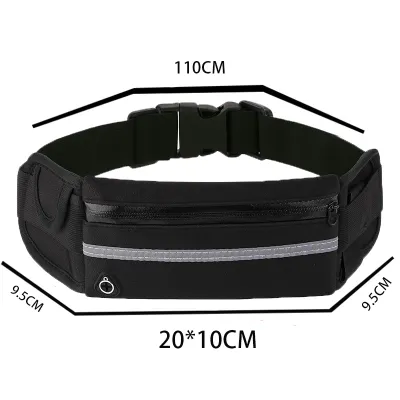
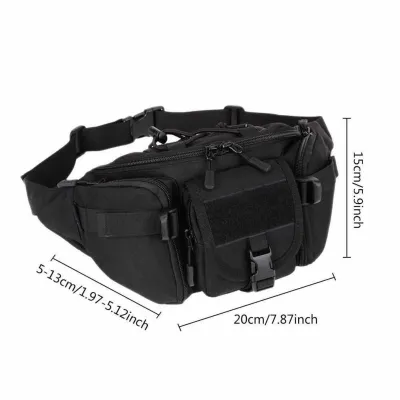
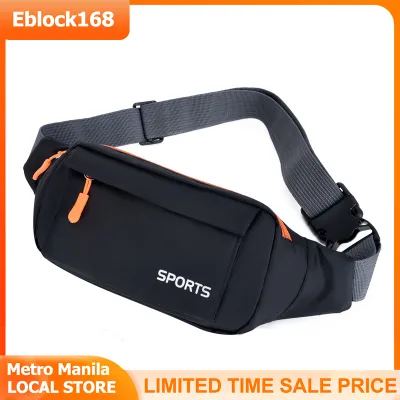
Prices are valid at publication and may change. Please refer to the product page for the latest price.
Accessibility and security represent another critical trade-off during active movement. A runner cannot afford to stop, fumble with complex zippers, or worry about items falling out while maintaining a specific pace. Look for pockets designed with angled entry points, high-tension elastic closures, or reliable, sweat-resistant zippers that can be operated with a single hand. The internal compartment layout should keep hard items, like keys or a multi-tool, separated from soft items and electronic screens to prevent damage during repetitive, high-impact strides.
Matching Storage Capacity to Your Training Type
Your daily training regimen dictates the exact volume and layout your belt bag must provide. For short runs, track workouts, or speed sessions where speed and agility are paramount, a minimalist belt is the most effective choice. These low-profile designs are engineered to carry only the absolute essentials: a single house or locker key, an emergency card, and perhaps a single energy gel. By eliminating excess fabric and pocket volume, these minimalist belts minimize wind resistance and eliminate any potential for bounce, allowing you to focus entirely on your cadence and form.

As your mileage increases into half-marathon or marathon training, your storage requirements expand significantly to accommodate hydration and nutrition. Long-distance training runs demand a belt bag capable of carrying soft hydration flasks, multiple energy gels, salt tablets, and a large smartphone for safety and navigation. For these extended efforts, look for specialized utility belts that feature dedicated, snug sleeves for collapsible flasks, ensuring the liquid weight is positioned close to your center of gravity. The compartments must be strategically balanced so that as you consume your hydration and nutrition, the remaining load can be compressed or adjusted to maintain stability.
Gym workouts, functional fitness, and cross-training sessions introduce different physical movements, such as deep squats, kettlebell swings, and horizontal floor work. In these environments, a bulky, protruding waist pack will interfere with your range of motion or catch on gym equipment. The ideal belt bag for cross-training is an ultra-slim, flat waist band that sits flush against your skin under your shirt. It should offer secure, zippered compartments specifically sized for a locker key, a gym access card, and a smartphone, ensuring your valuables remain safe and out of the way while you transition between different exercise stations.
Achieving the Right Fit: Sizing and Comfort for Men
Achieving a bounce-free fit requires understanding how a running belt interacts with your unique anatomy. Many runners make the mistake of measuring only their natural waistline, which sits higher up near the navel. However, during active running, most belt bags naturally migrate downward to settle on the wider shelf of the hips. To find the optimal anchor point, measure both your natural waist and the widest part of your upper hips, then look for a belt that can be adjusted to sit securely between these two zones. Anchoring the belt lower on the hips often provides superior stability for heavier loads, while a higher waist placement works well for ultra-lightweight, elastic bands.
Adjustability and hardware quality are critical indicators of long-term comfort and durability. Examine the product specifications for wide, high-stretch elastic straps that move dynamically with your breathing and core engagement. Tension locks and buckles should be low-profile and constructed from durable, impact-resistant polymers that will not dig into your abdomen when you bend forward. If you prefer a step-in, buckle-free design, pay close attention to the brand’s specific size charts, as a step-in belt must fit snugly from the start without relying on mechanical adjustments to stay in place.
To combat the constant vertical movement of running, premium training belts incorporate specialized anti-slip features on their inner linings. Look for patterns of textured silicone grips, rubberized mesh, or high-friction fabrics that gently adhere to your running shorts or skin. These elements prevent the belt from riding up toward your chest during steep climbs or sliding down your hips as you sweat. Additionally, ensure that all interior seams are flat-locked or bonded rather than stitched with rough thread, which can act like sandpaper against your skin over miles of repetitive motion.
Verifying Official Specs and Building Your Shortlist
Before finalizing your purchase on any authorized local online marketplace or brand store, it is essential to conduct a thorough verification of the official manufacturer specifications. Do not rely solely on promotional images, which often depict the bags empty and perfectly flat. Check the exact physical dimensions, empty weight, and material composition listed by the manufacturer. A high-quality running belt should specify its fabric blend—such as a high percentage of nylon for durability combined with spandex or elastane for stretch—allowing you to gauge its true elasticity and carrying capacity.
To streamline your decision-making process, construct a simple comparison matrix based on your primary training activities. Track key variables such as total pocket volume, the presence of water-resistant linings, the type of closure mechanism, and the available size range. For example, if you frequently train during the rainy season or in high-humidity coastal areas, prioritize models that feature water-resistant compartments or sweat-proof barriers to protect your electronics. If night running is part of your routine, note which models include high-visibility reflective details on the front and back panels.
When shopping online, protect yourself by identifying common red flags that indicate counterfeit products or low-quality imitations. Be wary of listings that lack detailed size charts, feature vague material descriptions like “synthetic blend” without specific percentages, or are sold by unverified third-party merchants. Authentic gear and professional running accessories are engineered with precise tolerances; a lack of clear technical specifications is a strong indicator of a substandard product. Always purchase from official brand flagships or authorized sports retailers to ensure you receive a genuine product backed by a reliable warranty.
Frequently Asked Questions (FAQ)
Can a standard running belt bag hold a large smartphone securely?
Yes, most modern running belt bags are designed to accommodate large smartphones, but you must verify the pocket’s maximum stretch dimensions against your specific phone model and its protective case. To ensure a secure, bounce-free fit, look for belts that feature dedicated phone sleeves made from high-spandex fabrics, which compress the phone flat against your body. Avoid placing a large phone in a loose, non-elastic pocket, as the lack of compression will cause the device to bounce violently with every stride, potentially damaging the phone or causing physical discomfort. Additionally, check if the pocket features a sweat-resistant barrier or a padded lining to protect your screen from moisture and impact.
How should you clean a sweat-soaked running belt bag after training?
To preserve the elasticity and technical properties of your running belt bag, always follow the manufacturer’s care label instructions. Generally, you should hand wash the bag in cool water using a mild, pH-neutral liquid detergent to break down sweat salts and body oils without degrading the synthetic fibers. Avoid using fabric softeners, bleach, or harsh chemical cleaners, as these can clog the breathable mesh pores and destroy the elastic tension of the straps. After washing, gently squeeze out excess water without wringing or twisting the fabric, and hang the bag to air-dry in a well-ventilated indoor space or a shaded outdoor area. Never place a technical running belt in a mechanical dryer or expose it to direct, intense sunlight, as high heat will rapidly degrade the elastic fibers and silicone grips.

Community discussion
Share your experience or ask a question. Comments are reviewed before publication.