
Selecting the right yoga roller requires matching the tool’s physical properties to your body’s current tolerance, your specific practice goals, and your physical environment. A roller that is too firm can cause bruising or muscle guarding, while one that is too soft will fail to provide the necessary support or myofascial release. By evaluating material density, surface texture, and dimensions, you can find an accessory that enhances your flexibility, aids recovery, and supports your alignment without causing injury.
In tropical climates where high humidity and sweat are constant factors during a yoga session, your choice of roller also depends heavily on material hygiene and moisture resistance. A roller is not a one-size-fits-all tool; a beginner seeking gentle spinal support during restorative poses needs a completely different design than an advanced practitioner using a roller for deep myofascial release or intense core stability challenges. Understanding these distinctions allows you to make an informed purchase that aligns with your physical needs and budget.
Understanding Yoga Roller Densities and Materials
The density of a yoga roller determines how much it compresses under your body weight and how intensely it presses into your muscle tissue. Foam rollers generally fall into three density categories: soft, medium, and firm. Each category serves a distinct purpose and suits different sensitivity levels.
Products mentioned in this guide
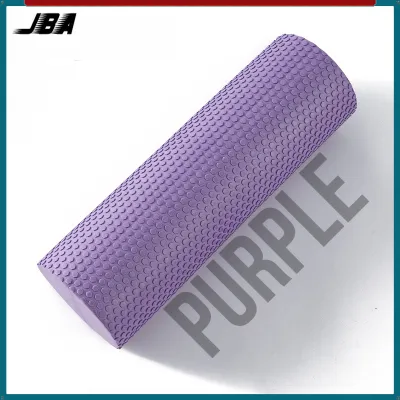
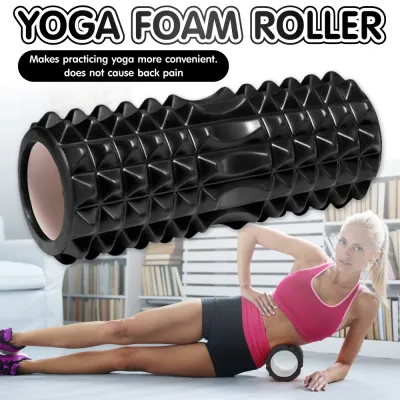
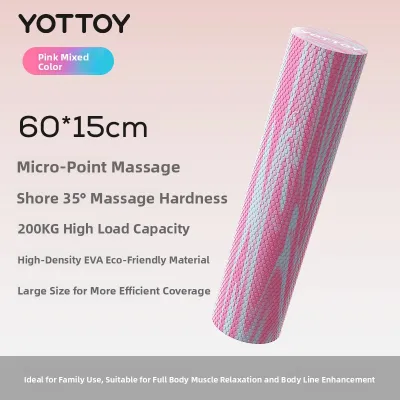
Prices are valid at publication and may change. Please refer to the product page for the latest price.
Soft density rollers, often made from open-cell polyethylene (PE) or low-density ethylene-vinyl acetate (EVA), offer the gentlest touch. These rollers compress significantly under pressure, distributing your body weight over a wider surface area. They are ideal for beginners, individuals with high pain sensitivity, or those recovering from mild muscle soreness. If you are using the roller primarily for gentle restorative yoga poses or spinal support, a soft density option provides a comfortable cushion that minimizes discomfort.
Medium to firm density choices are typically constructed from high-density EVA or expanded polypropylene (EPP). EPP is a lightweight, highly durable bead foam that resists deformation even under heavy, repeated use. These materials do not compress easily, allowing the roller to penetrate deeper into muscle layers. Experienced practitioners and individuals with dense muscle mass often prefer firm rollers to target deep-seated tension. However, using a firm roller requires proper technique and control to avoid pressing too hard against bony prominences or sensitive nerves.
In warm, humid environments, material hygiene becomes a critical factor in your selection. Open-cell foam, like basic PE, can act like a sponge, absorbing sweat, skin oils, and ambient moisture. Over time, this can lead to unpleasant odors, bacterial growth, and material degradation. Closed-cell EVA and EPP rollers are highly recommended for tropical climates because their non-porous surfaces resist moisture absorption. When purchasing, check the product label to verify if the material is closed-cell, water-resistant, and easy to sanitize with a simple wipe-down after each practice session.
Matching Roller Size and Surface Texture to Target Muscles
The physical dimensions and surface design of a yoga roller dictate which muscle groups it can effectively target and how stable it will feel during use. Rollers come in various lengths, diameters, and surface profiles, each optimized for specific applications.

Full-length rollers, typically measuring 36 inches (approximately 90 centimeters) in length, are the standard choice for spinal alignment and full-body exercises. When placed vertically along your spine, a 36-inch roller supports both your head and your tailbone, making it excellent for chest-opening poses, scapular mobilization, and balance training. Half-length rollers, ranging from 12 to 18 inches, are highly portable and easier to maneuver when targeting specific limbs, such as the calves, IT bands, or quadriceps. If you frequently travel or carry your gear to a local yoga studio, a shorter roller fits easily into a gym bag, though it cannot support your entire spine simultaneously.
Surface texture is another key variable that alters the sensation and depth of your practice. Smooth rollers distribute pressure evenly across the skin and muscle, providing a consistent, gentle massage that is highly suitable for general rolling and sensitive areas. Textured rollers, which feature molded grids, ridges, or knobs, mimic the fingers and palms of a massage therapist. These patterns create alternating zones of high and low pressure, allowing you to pinpoint specific trigger points and knots. While textured rollers are highly effective for localized tension, they can feel overly intense or painful for beginners.
Diameter also plays a role in stability and range of motion. The standard diameter for most yoga rollers is 6 inches, which provides sufficient clearance from the floor and allows for a wide range of rolling movements. However, smaller diameters of 3 to 4 inches sit closer to the ground, offering greater stability and a lower center of gravity. These low-profile rollers are excellent for older adults, individuals with balance concerns, or those targeting specific areas like the neck or the arches of the feet where a standard roller might feel too bulky or unstable.
Choosing a Roller Based on Your Yoga Experience Level
Your experience level in yoga and self-myofascial release should directly guide your roller selection. As your body adapts to the pressure and your balance improves, your equipment needs will naturally evolve.
For beginners, the primary goals are comfort, safety, and learning proper alignment. A soft, smooth, full-length EVA roller is highly recommended for this stage. Beginners often use the roller as a supportive prop rather than a deep tissue tool. Placing a soft roller under your knees during Savasana or using it to support your hands in modified forward folds helps you explore poses without straining your muscles. At this level, avoiding highly textured or extremely firm rollers prevents the bruising and intense discomfort that can discourage a consistent practice.
As you transition to an intermediate level, your body becomes more accustomed to the pressure of myofascial release, and you may begin to target specific areas of chronic tension. An intermediate practitioner can benefit from a medium-density EVA roller, possibly with a mild grid texture. This allows you to introduce deeper tissue work while still maintaining control over the intensity. You can also begin incorporating the roller into core stability exercises, such as plank variations or rolling bridges, where the medium density provides a stable yet responsive surface.
Advanced practitioners often use yoga rollers for intense recovery, deep tissue mobilization, and complex balance-assisted poses. For this level, a firm EPP roller or a hollow-core roller with a highly defined grid pattern is suitable. These rollers do not flex or compress, ensuring that the maximum amount of pressure is directed into the targeted muscle groups. Advanced users can also utilize the roller as an unstable platform to challenge their core strength and proprioception during advanced poses, such as roller-supported planks or single-leg balances. However, even advanced practitioners should monitor their body’s signals and avoid using ultra-firm rollers on cold, unwarmed muscles.
Pre-Purchase Verification and Safe Usage Boundaries
Before purchasing a yoga roller, it is essential to verify its technical specifications and establish clear safety boundaries for your practice. Investing a few minutes in checking product details can prevent premature product failure and protect you from physical injury.
First, always check the manufacturer’s specified weight limit and structural integrity claims. Solid-core rollers generally offer excellent durability, but they can be heavier to carry. Hollow-core rollers, which feature a rigid plastic inner tube wrapped in foam, are lightweight and highly durable, but cheap versions can crack under heavy loads. Ensure the roller you choose is rated to support your full body weight, especially if you plan to perform balance exercises where your entire weight is concentrated on a single point of the roller.
Second, establish a clear understanding of your personal pain threshold and safe usage limits. While myofascial release can cause mild discomfort—often described as a “good hurt”—it should never cause sharp, shooting, or radiating pain. If you experience intense pain, numbness, or tingling, stop using the roller immediately. Avoid rolling directly over bones, joints, the lower back, or the neck unless specifically instructed by a professional, as these areas lack the muscular cushioning needed to protect underlying nerves and organs.
Finally, evaluate your budget against the long-term durability of the materials rather than focusing solely on the initial retail price. While a basic PE roller may cost less upfront (often priced under ₱500 in local online marketplaces), it is prone to warping, flattening, and absorbing sweat within a few months of regular use. Investing slightly more (typically between ₱800 and ₱1,800) in a high-quality, closed-cell EVA or EPP roller ensures that the tool retains its shape, density, and hygienic properties for years, providing far better value over time.
Frequently Asked Questions (FAQ)
How should I clean and maintain my yoga roller?
To maintain the hygiene and longevity of your yoga roller, clean it regularly after use, especially after sweaty sessions. Wipe the surface with a damp cloth and a mild, non-abrasive soap or a specialized yoga mat spray. Avoid using harsh chemical solvents, bleach, or alcohol-based cleaners, as these can degrade the foam material and cause it to crumble or lose its elasticity. Always refer to the manufacturer’s care label for specific washing instructions, and allow the roller to air dry completely in a shaded, well-ventilated area away from direct sunlight, which can warp the foam.
Can a yoga roller replace professional physical therapy?
A yoga roller is an excellent tool for general muscle tension relief, flexibility maintenance, and daily recovery, but it cannot replace professional physical therapy. Self-myofascial release is designed for healthy muscle tissue and minor tightness, whereas specific injuries, chronic pain, or joint instability require a comprehensive clinical assessment. If you experience persistent, sharp, or worsening pain, consult a licensed physical therapist or healthcare professional to receive a personalized treatment plan rather than attempting to roll out the injury yourself.

Community discussion
Share your experience or ask a question. Comments are reviewed before publication.