
Choosing the right Yonex badminton racket depends on aligning your personal playing style—whether attacking, defensive, or all-around—and skill level with the specific design philosophy of Yonex’s core series. Selecting a frame that matches your physical attributes, swing speed, and technical proficiency ensures better control on the court and helps prevent common injuries like wrist and shoulder strain. By understanding how different series distribute weight and flex during a swing, you can make an informed decision that elevates your performance.
Diagnose Your Playing Style and On-Court Needs
Identifying your dominant playing style is the first step in selecting a racket that complements your natural movements. Aggressive players who prefer to dominate rallies from the backcourt with powerful smashes require different equipment than defensive players who rely on quick net play, rapid drives, and precise lifts. If you find yourself constantly adapting to different situations without a single dominant strategy, an all-around approach that balances power and speed is likely your baseline.
Your physical attributes, including wrist strength, shoulder endurance, and natural swing speed, dictate how well you can handle specific racket designs. In the tropical climate of the Philippines, indoor badminton courts can become highly humid, which rapidly drains physical stamina and makes the shuttlecock feel slightly heavier in the air. A player with highly developed wrist strength can comfortably swing a demanding frame for multiple sets, whereas a player building up their conditioning may struggle with fatigue and slow down as the match progresses.
Products mentioned in this guide
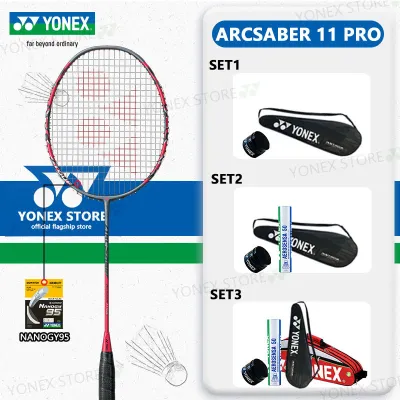
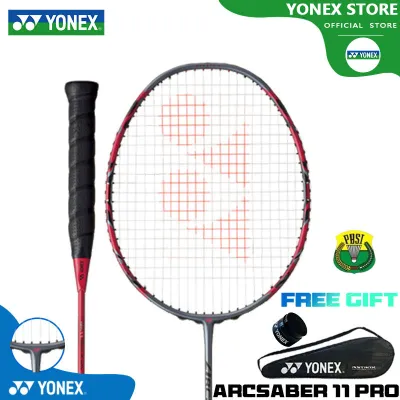
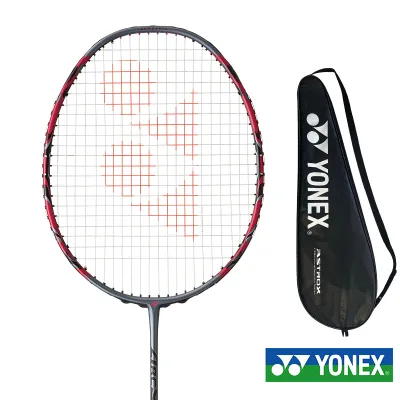
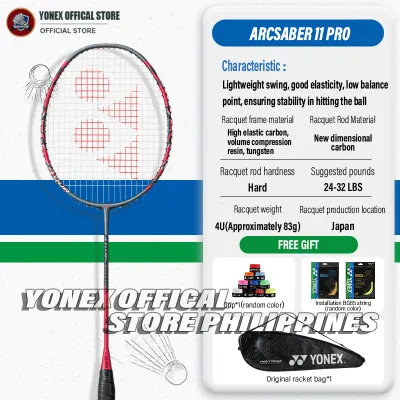
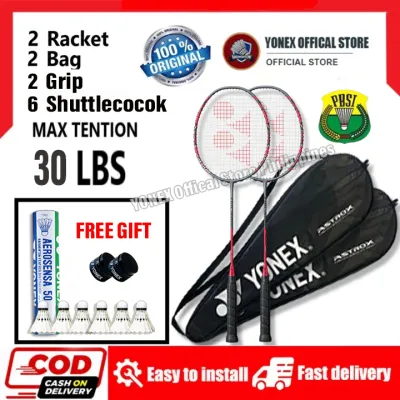
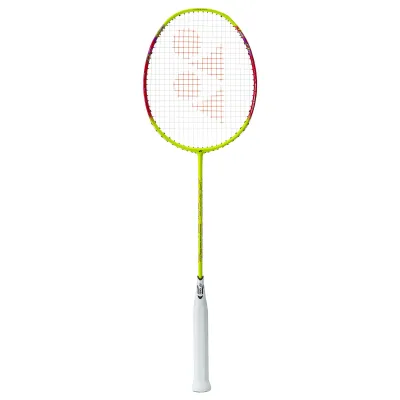
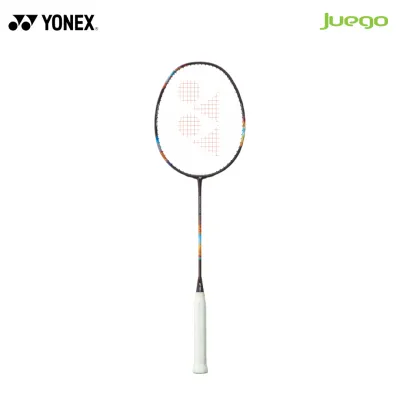
Prices are valid at publication and may change. Please refer to the product page for the latest price.
Analyzing your current performance gaps helps pinpoint the exact racket characteristics you need. If you struggle to clear the shuttle from baseline to baseline, you may need a frame that assists with power generation. Conversely, if you find yourself constantly late to defend fast drives during doubles matches, your current setup might be too heavy or poorly balanced for your reaction speed. Recognizing these specific challenges prevents you from choosing a racket based solely on professional player endorsements.
Decode the Main Yonex Badminton Racket Series
The Astrox series is engineered specifically for attacking players who want steep, powerful smashes and dominant backcourt play. These rackets feature a head-heavy balance, meaning more weight is distributed toward the top of the frame to generate greater momentum during downward swings. This design utilizes a counterbalanced weight distribution system that allocates weight across the grip end, joint, and frame top, allowing for smoother transitions between consecutive shots despite the head-heavy feel.

The Nanoflare series is designed for players who prioritize speed, rapid drive exchanges, and agile defensive reactions. Featuring a head-light balance, these frames reduce air resistance and allow for incredibly fast swing speeds. This makes them highly effective for front-court players in doubles who need to intercept shuttles quickly at the net or defend rapid-fire smashes with minimal preparation time.
The Arcsaber series targets all-around players who demand ultimate control, accuracy, and a consistent feel. With an even-balance design, Arcsaber rackets do not lean heavily toward power or speed, but instead focus on frame stability. The technology behind this series allows the frame to flex slightly at the point of impact, holding the shuttle on the string bed a fraction of a second longer to give you precise placement over your drops, clears, and net shots.
Align Racket Specifications with Your Skill Level
Weight is a critical specification indicated by a “U” rating on the racket cone, where a lower number represents a heavier frame. Most standard Yonex rackets range from 3U (85 to 89 grams) to 4U (80 to 84 grams), with some lightweight models reaching 5U (75 to 79 grams). Heavier 3U rackets offer excellent stability and power but require significant arm strength and stamina, which can be exhausting during long sessions in warm local sports centers. Lighter 4U and 5U models are generally recommended for beginners and intermediate players to reduce physical fatigue and protect the shoulder joint.
Shaft flexibility must match your natural swing speed to ensure efficient energy transfer to the shuttle. Flexible shafts bend easily during a swing, acting like a spring to help players with slower swing speeds clear the shuttle deep into the opponent’s court. Stiff and extra-stiff shafts do not bend easily and require a fast, explosive swing technique to generate power; however, they offer advanced players unmatched control and immediate shot feedback.
Grip size is denoted by a “G” rating, such as G5 or G6, where higher numbers indicate smaller handle circumferences. In humid playing conditions, managing sweat is essential to maintaining a secure hold on your racket. Selecting a smaller grip size like G5 allows you to customize the handle with your preferred towel or polyurethane overgrip to absorb moisture effectively without making the handle feel excessively bulky or difficult to control.
Action Plan: Testing and Finalizing Your Choice
Before purchasing, visit an authorized sports retailer to physically handle the rackets you are considering. Hold the racket in your hand and perform a few dry swings to assess the balance point and overall swing weight. Pay attention to how the racket feels in your wrist and forearm; it should feel like a natural extension of your arm rather than a heavy weight pulling at your joints.
Always verify the manufacturer’s recommended string tension limits, which are printed clearly on the racket shaft or cone. Stringing a racket beyond its certified tension limit can warp or crack the frame, and doing so typically voids the manufacturer’s warranty. Ensure that the retailer you choose is an authorized dealer to guarantee you receive a genuine product with valid warranty coverage.
If you experience persistent pain in your wrist, elbow, or shoulder after playing, stop using the racket immediately. This discomfort is often a sign that the shaft is too stiff, the frame is too heavy, or the grip size is incorrect for your hand. Consult a professional coach or a certified stringer to evaluate your technique and adjust your racket specifications, string tension, or grip setup to match your physical limits.
Frequently Asked Questions (FAQ)
How often should I restring my Yonex badminton racket?
You should restring your racket when you observe visible signs of wear, such as fraying string fibers, deep notches where the strings cross, or a noticeable loss of tension that causes the strings to shift out of place easily. A practical guideline is to restring your racket as many times a year as you play per week; for example, if you play twice a week, aim to restring at least twice a year. Keep in mind that high humidity can accelerate tension loss, meaning active players may need to restring more frequently to maintain consistent performance.
How can I verify the authenticity of a Yonex racket?
To verify authenticity, inspect the official Yonex hologram sticker on the cone, which should be difficult to peel off and must display a distinct, clean color shift when tilted under light. Additionally, examine the serial numbers laser-engraved on both the shaft and the cone; genuine serial numbers are perfectly aligned, sharp, and follow a specific date-code format. To protect yourself from counterfeit products, always purchase your gear from authorized sports retailers or official brand stores in the Philippines rather than unverified online marketplace listings.

Community discussion
Share your experience or ask a question. Comments are reviewed before publication.