
Embarking on your first water sports adventure in the Philippines—whether exploring the calm coves of El Nido, paddling through the coastal mangroves of Siargao, or navigating freshwater lakes—requires more than just picking a hull that floats. To ensure a safe, comfortable, and successful experience, you must prioritize the right built-in features and essential boating accessories. While a watercraft’s shape and material determine how it cuts through the water, its integrated components and your accompanying gear dictate whether your excursion is an enjoyable journey or a frustrating, hazardous ordeal.
Before launching any watercraft, you must recognize that equipment cannot replace formal water safety training, swimming ability, and sound personal judgment. Always verify local weather forecasts, wind patterns, tidal movements, and water conditions before setting out. For beginners, starting in protected, shallow waters under the guidance of an experienced paddler or certified instructor is the safest way to build confidence. Understanding your physical limits and establishing clear stop conditions—such as offshore winds exceeding 15 knots or sudden tropical downpours—is vital for a safe return to shore.
Core Built-In Features to Look for in Your First Boat
When purchasing your first watercraft, focus heavily on its built-in, integrated design elements. Unlike external accessories, these structural features are manufactured directly into the hull or deck and cannot be easily retrofitted or modified later. Choosing a craft with the right built-in foundations ensures that your vessel remains versatile and supportive as your paddling skills advance.
Products mentioned in this guide
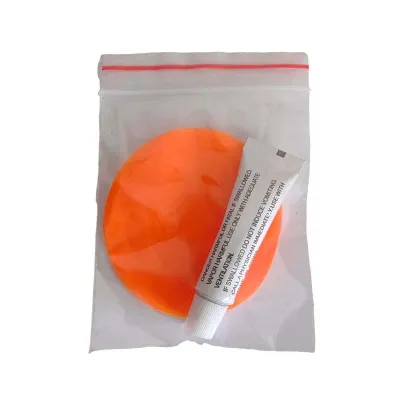
Prices are valid at publication and may change. Please refer to the product page for the latest price.
Kayaks and Inflatable Boats
For sit-on-top kayaks, sit-in kayaks, and inflatable boats, the seating system is the single most critical built-in feature for long-term comfort. Look for adjustable, high-back seating systems that offer robust lumbar support. In tropical climates, seats featuring breathable mesh panels are highly advantageous, as they prevent heat buildup and allow splash water to drain quickly. A poorly designed, non-adjustable seat can lead to lower back fatigue within an hour, cutting your paddling session short.
Beyond seating, verify that the hull includes integrated gear tracks and strategically placed D-rings. Gear tracks allow you to slide in camera mounts, cup holders, or safety flags without drilling holes into your vessel. Heavy-duty stainless steel or reinforced nylon D-rings serve as secure anchor points for tying down dry bags, cooler boxes, or emergency gear. If you intend to use your craft for recreational fishing, look for molded-in rod holders and dedicated tackle storage wells that keep your gear secure and within arm’s reach.
Finally, pay close attention to tracking systems. A built-in skeg (a drop-down fin) or a rudder system controlled by foot pedals is invaluable for maintaining a straight course. In crosswinds or strong tidal currents, a kayak without a tracking aid requires constant, exhausting corrective strokes on one side. A retractable skeg helps stabilize your direction, allowing you to focus your energy on forward propulsion.
Stand-Up Paddleboards (SUPs)
For stand-up paddleboards, the deck pad is your primary point of contact and controls your stability. Look for high-quality, multi-textured deck pads made from diamond-groove EVA (ethylene-vinyl acetate) foam. This material provides reliable, non-slip grip even when wet or coated in sunscreen. Ensure the pad covers at least two-thirds of the board’s surface, giving you ample room to adjust your stance for balance or step back for pivot turns.
D-ring placement on a SUP dictates its cargo capacity and adaptability. A high-quality beginner board should feature a four-point or six-point bungee tie-down system at the nose to secure a dry bag or personal flotation device. Additionally, look for mid-board D-rings. These allow you to attach a kayak conversion seat, transforming your SUP into a sit-on-top kayak when your legs grow tired or when facing strong head-winds.
The fin box configuration is another critical built-in feature that influences the board’s performance and future customization. Standard US fin boxes are highly recommended over proprietary slide-in systems. A US fin box uses a universal screw-and-plate mechanism, allowing you to easily find replacement fins or upgrade to specialized touring, shallow-water, or grass fins at any local surf shop or online marketplace.
Essential Safety and Navigation Accessories
Safety gear should never be treated as an afterthought or a secondary purchase. Regardless of your budget, these essential boating accessories must be acquired alongside your watercraft and used on every single outing.

Personal Flotation Devices (PFDs) and Leashes
A properly fitted Personal Flotation Device (PFD) is the most critical safety item you will own. For recreational paddling, look for a US Coast Guard-approved Type III PFD designed specifically for kayaking or paddleboarding. These vests feature high-back flotation foam that clears kayak seats, along with large, open armholes that prevent chafing during repetitive paddling motions. When selecting a PFD, prioritize a snug fit that does not ride up toward your chin when you pull upward on the shoulder straps.
For stand-up paddleboarders, a high-quality leash is a mandatory safety tool that keeps you connected to your primary flotation source: your board. In windy conditions, a SUP can drift away faster than an average person can swim. A coiled ankle or calf leash is ideal for flatwater, lakes, and coastal bays because it stays on the deck and does not drag in the water. However, you must observe strict safety limits: never wear a standard ankle leash in fast-flowing rivers or whitewater. In moving water, a snagged leash can pin you underwater; instead, river paddlers must use a quick-release torso leash attached to their PFD.
Signaling and Water Removal Gear
Communication and visibility are key to surviving unexpected emergencies on the water. Always attach a pea-less marine safety whistle directly to your PFD’s shoulder strap. Unlike standard whistles, pea-less designs do not fail when wet and produce a high-decibel shriek that cuts through wind and surf noise. If you plan to paddle near dawn, dusk, or during overcast days, keep a waterproof, high-intensity flashlight or a wearable headlamp in your gear pocket to signal larger vessels and maintain visibility.
Managing water accumulation inside your craft is essential for maintaining stability and buoyancy. For sit-in kayaks, carry a manual bilge pump—a hand-operated piston pump that quickly evacuates water from the cockpit. For open sit-on-top kayaks, SUPs, and inflatable boats, keep a large, high-density cellulose sponge on hand. A sponge allows you to quickly soak up pooling splash water, rain, or condensation, keeping your deck dry and preventing gear from sitting in standing water.
Primary Paddling and Inflation Gear
To move efficiently across the water and prepare your inflatable craft for use, you must select paddling and inflation gear that matches your physical build and watercraft specifications.
Paddles and Oars
Your paddle is your engine, and choosing the wrong one can lead to shoulder strain and early fatigue. Beginners often benefit from adjustable-length paddles, which allow you to fine-tune the length to match your height, torso size, and the width of your boat. They also make it easy to share gear with family and friends. Fixed-length paddles, while lighter and stiffer, offer no adjustability and are best purchased once you have established your preferred paddling style.
Paddle shafts and blades are constructed from three primary materials, each balancing weight, stiffness, and cost:
- Aluminum: Highly durable and affordable (often starting around ₱1,500 to ₱2,500), but heavy and cold to the touch.
- Fiberglass: Moderately lightweight, offers excellent flex to reduce joint strain, and represents the best value for recreational paddlers.
- Carbon Fiber: Extremely lightweight and stiff, maximizing energy transfer with every stroke, but carries a premium price tag (often exceeding ₱10,000).
Ensure you select the correct paddle type for your craft. Kayak paddles feature two blades and require a shaft length determined by your height and the kayak’s width. Look for a paddle with a ferrule that allows for feather angle adjustments (angling the blades relative to each other) to reduce wind resistance on your recovery stroke. SUP paddles feature a single blade with a T-grip handle and should generally be 8 to 10 inches taller than your standing height.
Pumps for Inflatable Boats and SUPs
Inflatable watercraft require precise inflation to achieve their structural rigidity and load-capacity specifications. Manual dual-action hand pumps are standard equipment, allowing you to push air into the chamber on both the upward and downward strokes, switching to single-action mode as the pressure builds. For ultimate convenience, invest in a dedicated 12V electric pump that plugs into your vehicle’s accessory outlet.
When inflating your craft, always use an accurate, integrated pressure gauge to verify the manufacturer’s specified PSI (pounds per square inch). In the hot, tropical climate of the Philippines, air inside the chambers expands rapidly under direct sunlight. To prevent over-pressurization and seam failure, check the pressure periodically during midday heat. If the craft feels excessively rigid, use the valve’s release pin to bleed off a small amount of air.
Ensure your pump includes the correct valve adapters. High-pressure SUPs and drop-stitch kayaks typically use H3 (Halkey-Roberts) valves, which lock the pump hose securely in place. Lower-pressure inflatable boats often use Boston valves, which feature a two-way screw cap. Always check your craft’s valve type before purchasing a pump or adapter set.
Comfort, Storage, and Weather Protection Add-Ons
Once your safety and primary paddling gear are secured, you can focus on accessories that enhance comfort and protect your personal belongings from the elements.
Waterproof Storage (Dry Bags) Sudden tropical downpours and salt spray can quickly ruin electronics, car keys, and dry clothing. Invest in heavy-duty, roll-top dry bags made from PVC or TPU. A 10-liter dry bag is ideal for personal essentials like phones, wallets, and small first-aid kits, while a 20-liter or larger bag is perfect for towels, a change of clothes, and lunch. To ensure a reliable waterproof seal, pack the bag no more than three-quarters full, flatten the opening, roll the stiffened collar down tightly at least three to four times, and buckle the clips together.
Seating and Sun Protection If your inflatable kayak or boat comes with basic, non-rigid inflatable seats, consider upgrading to a padded, foam-core kayak seat with adjustable brass clips. This upgrade provides superior back support and prevents you from sinking into a slouched posture.
To combat the intense Philippine sun, wear UPF 50+ long-sleeve rash guards and wide-brimmed sun hats. Protect your eyes with polarized sunglasses, which cut glare off the water surface and allow you to see underwater hazards like shallow reefs or submerged logs. Always attach a floating eyewear retainer strap to your sunglasses to prevent them from sinking if you capsize. Finally, apply a broad-spectrum, water-resistant, reef-safe sunscreen to protect your skin and preserve local marine ecosystems.
Accessory Priorities by Boat Type at a Glance
To help you budget and organize your gear purchases, use this quick-reference guide to prioritize your shopping list based on your chosen watercraft.
| Boat Type | Top 3 Must-Have Accessories | Top 2 Built-In Features to Verify |
|---|---|---|
| Kayaks | Type III PFD, Double-blade paddle, Manual bilge pump | Adjustable high-back seat, Retractable skeg or rudder |
| Stand-Up Paddleboards (SUPs) | Coiled ankle leash, Single-blade paddle, 10L Dry bag | Diamond-groove EVA deck pad, Universal US fin box |
| Inflatable Boats | High-pressure pump with gauge, Type III PFD, Cellulose sponge | Multiple independent air chambers, Heavy-duty D-rings |
Frequently Asked Questions (FAQ)
Do I need a license or registration for my first kayak or inflatable boat?
In the Philippines, non-motorized watercraft used strictly for personal recreation—such as human-powered kayaks, stand-up paddleboards, and rowboats—generally do not require formal registration or licensing with the Maritime Industry Authority (MARINA) or the Philippine Coast Guard. However, if you attach a small outboard gasoline motor or an electric trolling motor to your inflatable boat or kayak, it is legally classified as a motorized vessel. In this scenario, you must register the watercraft and comply with local maritime safety regulations. Always check with local municipal offices or barangay officials before launching in protected marine sanctuaries or municipal waters, as local ordinances and conservation fees may apply.
Can I use the same paddle for a kayak and a stand-up paddleboard?
Using the same paddle for both activities is highly inefficient and not recommended due to differences in body mechanics and seating positions. A kayak paddle is double-bladed and designed for a seated position close to the water, requiring a specific length to clear the kayak’s gunwales. A stand-up paddleboard paddle is single-bladed, features a T-handle for control, and is significantly longer to accommodate a standing posture. While some manufacturers sell convertible paddles with interchangeable shaft segments, they are often heavier and compromise on performance. For the best ergonomics and to prevent shoulder fatigue, invest in dedicated paddles designed specifically for each sport.

Community discussion
Share your experience or ask a question. Comments are reviewed before publication.