
Navigating the bustling streets of Philippine urban centers requires a smart, agile, and reliable transportation solution. Choosing your first mini scooter involves balancing portability, motor performance, battery efficiency, and structural durability to match the unique demands of local roads and tropical weather. By focusing on verifiable specifications, checking build quality, and ensuring reliable local after-sales support, you can secure a personal mobility device that simplifies your daily commute without unexpected maintenance headaches.
Before making a purchase, you must align the technical capabilities of a scooter with your specific physical profile and daily route. A model that performs perfectly on flat, indoor surfaces may struggle on uneven asphalt, steep bridge ramps, or during sudden afternoon downpours. Taking the time to understand these variables beforehand prevents buyer’s remorse and ensures your safety on the road.
Assessing Your Commute and Riding Environment
Your daily route is the ultimate testing ground for any mini scooter. Begin by mapping out your typical travel distance and closely observing the surface conditions of your path. Philippine roads present a diverse mix of smooth concrete, cracked asphalt, cobblestones, and sudden potholes. If your route features uneven pavements or construction zones, you will need to prioritize models with robust suspension systems or larger, shock-absorbing tires to maintain stability and comfort.
Products mentioned in this guide
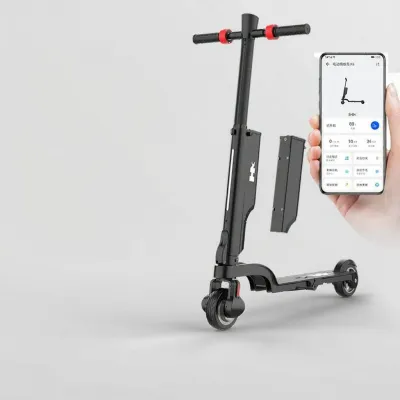
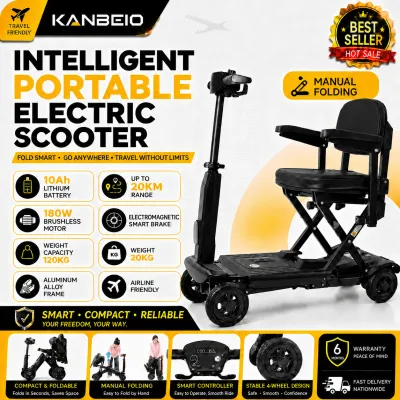
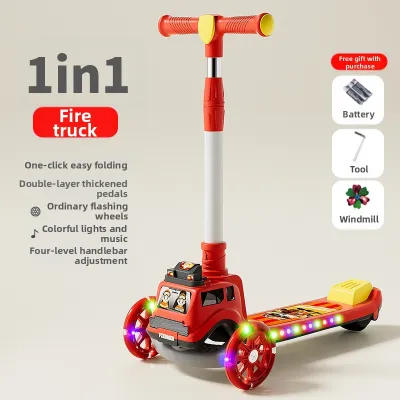

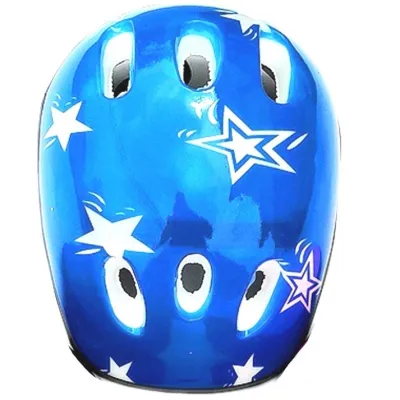
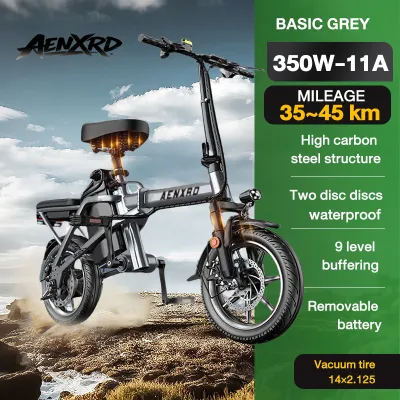
Prices are valid at publication and may change. Please refer to the product page for the latest price.
Next, consider how the scooter fits into your broader transit routine. If you plan to use the scooter for first-and-last-mile connectivity, you will likely need to carry it onto public transportation like the MRT, LRT, or public buses. This multi-modal commute dictates strict limits on the scooter’s folded dimensions and overall weight. You must be able to lift and carry the folded unit up station stairs or hold it securely in crowded spaces without straining your arms or blocking other passengers.
Environmental factors in a tropical climate also play a critical role in your decision. High humidity, intense sun exposure, and sudden heavy rain showers are common occurrences. You must verify the scooter’s Ingress Protection (IP) rating to ensure it can withstand dust and water splashes. While no standard mini scooter is fully waterproof, looking for a verified IP rating, such as IP54, provides peace of mind when navigating damp streets or catching the tail end of a sudden downpour.
Key Specifications to Prioritize
Matching technical specifications to your physical profile and local environment is essential for a safe and satisfying ride. Manufacturer specifications provide a baseline, but you must learn how to interpret these numbers to understand how they translate to real-world performance on local streets.

Motor Power and Weight Capacity
When evaluating motor specifications, it is crucial to differentiate between rated (nominal) power and peak power. Rated power represents the continuous output the motor can safely maintain, while peak power is the maximum output achieved during short bursts, such as climbing a steep ramp. For navigating typical urban inclines, such as elevated walkways, flyovers, or steep basement parking ramps, check the manufacturer’s rated power to ensure it has sufficient torque to carry you without stalling.
Weight capacity is a non-negotiable safety specification that directly affects the structural integrity and braking efficiency of the scooter. Always verify the maximum weight limit listed on the product label. When calculating your requirements, add your body weight to the weight of your daily carry-on load, such as a heavy laptop backpack, water bottle, and riding gear. Operating a scooter near or over its maximum weight capacity accelerates motor wear, drains the battery rapidly, and compromises the frame’s structural safety.
Incline capability is another metric to cross-reference with your daily route. Manufacturers usually list a maximum climbing angle in degrees or percentages. If your commute involves climbing steep bridge approaches or hilly neighborhood streets, look for a model with a verified incline rating that matches or exceeds these slopes. Keep in mind that real-world climbing performance will decrease if the rider’s weight is close to the scooter’s maximum capacity.
Battery Range and Charging Logistics
Advertised battery range is typically calculated under ideal laboratory conditions, which often involve a lightweight rider, flat terrain, constant low speeds, and moderate temperatures. To estimate your true operational limit on local roads, expect the real-world range to be lower than the advertised figure. Stop-and-go traffic, carrying a heavy backpack, riding against strong winds, and navigating inclines will all consume more battery power.
Charging logistics must fit seamlessly into your daily schedule and living arrangements. Check whether the battery is removable or integrated into the deck. A removable battery allows you to carry only the power pack inside your office or condominium to charge, leaving the dirty scooter frame in a designated parking area. Additionally, verify the total charging time from empty to full to ensure it can complete a charge cycle during your standard working hours or overnight.
Finally, inspect the battery management system (BMS) features. A reliable BMS protects the battery from common hazards such as overcharging, deep discharging, short circuits, and overheating. Look for models that feature clear visual indicators or companion app integrations that communicate battery health, temperature, and precise charge levels, allowing you to manage your rides without running out of power unexpectedly.
Portability, Build Quality, and Safety Features
Daily handling and long-term durability depend heavily on the physical construction of the scooter. A mini scooter must be tough enough to handle daily vibrations while remaining light enough for practical transport. Inspecting the materials, folding mechanisms, and safety components will help you identify a reliable machine.
Start by evaluating the folding mechanism, which is the most common point of structural wear on any folding scooter. A high-quality latch should lock securely into place with zero play or wobble in the steering stem. When visiting a physical store, practice folding and unfolding the scooter several times. The mechanism should feel smooth and robust, requiring deliberate effort to unlock, which prevents accidental folding while riding.
+---------------------------------------------------------------------+
|                         TIRE SELECTION MATRIX                       |
+---------------------------------+-----------------------------------+
| PNEUMATIC (AIR-FILLED) TIRES    | SOLID (AIRLESS) TIRES             |
+---------------------------------+-----------------------------------+
| + Excellent shock absorption    | + Zero risk of flat tires         |
| + Superior grip on wet roads    | + Low maintenance requirements    |
| - Risk of punctures/flats       | - Harsh ride on rough surfaces    |
| - Requires regular pressure checks| - Reduced traction on wet asphalt |
+---------------------------------+-----------------------------------+
The choice between pneumatic and solid tires involves a clear trade-off between comfort and maintenance. Pneumatic tires act as natural shock absorbers, cushioning your wrists and ankles from road vibrations, and they offer better grip on damp surfaces. However, they require regular air pressure checks and are susceptible to punctures from road debris. Solid tires eliminate the risk of flat tires entirely, making them highly convenient, but they deliver a stiffer ride and can transmit vibrations that may loosen internal screws over time.
Your braking system is your primary safety defense in unpredictable city traffic. Look for a scooter that utilizes a redundant braking setup, combining an electronic brake with a physical brake, such as a mechanical disc brake or a drum brake. Disc brakes offer strong, responsive stopping power but require periodic alignment and pad replacements. Drum brakes are enclosed, protecting them from dirt and water, which reduces maintenance needs in dusty or wet environments.
Visibility is critical when riding alongside larger vehicles, especially during early morning commutes, late evening rides, or sudden rainstorms. Ensure the scooter is equipped with a bright, forward-facing headlight that illuminates the path ahead, rather than just making you visible to others. A functional rear taillight that flashes when you apply the brakes, along with side reflectors, helps ensure that drivers approaching from behind or the side can see you clearly.
Navigating Local Availability and After-Sales Support
Protecting your investment means looking beyond the initial purchase price. Owning a mini scooter involves ongoing maintenance, and having access to local support can mean the difference between a quick fix and a useless piece of metal sitting in your home.
When planning your budget in ₱, look at the total cost of ownership rather than just the sticker price. A lower initial price tag might seem appealing, but if the model uses proprietary parts that are difficult to source locally, you may end up spending more on shipping and repairs. Allocate a portion of your budget for essential safety gear, including a high-quality helmet, elbow and knee pads, and a secure lock.
It is highly recommended to purchase your scooter from authorized local distributors or official brand stores rather than unverified online sellers. Authorized dealers provide valid manufacturer warranties and have direct access to genuine replacement parts. If you purchase from a general online marketplace, verify the seller’s reputation, read customer feedback regarding warranty claims, and confirm that they have a physical address for servicing.
Carefully read the warranty terms before finalizing your purchase. A standard warranty should cover major components, specifically the motor, battery, and main controller, for a reasonable period. Pay close attention to the exclusions; most warranties do not cover water damage, normal wear-and-tear items like tires and brake pads, or damage resulting from unauthorized modifications. Understanding these boundaries helps you avoid voiding your coverage.
Before you buy, confirm the local availability of common wear-and-tear parts. Tires, inner tubes, brake pads, and grip tape will eventually need replacement. Ask the seller if they stock these parts locally or if they can recommend compatible third-party options. If a seller cannot guarantee a steady supply of basic replacement parts, consider looking at alternative models to avoid long periods of downtime when a component eventually wears out.
Building Your Shortlist: A Pre-Purchase Checklist
Before handing over your hard-earned money, execute a systematic verification process to ensure the specific unit you are buying is safe, reliable, and fully functional. This final check helps you catch manufacturing defects or specification mismatches before you leave the store.
- Perform a physical inspection: Squeeze the brake levers to check for responsiveness and ensure they do not feel mushy. Shake the handlebar stem gently to check for any play or rattling in the folding joint. Inspect the frame welds for consistency and check that all screws are tight.
- Verify product labels: Check the physical labels on the scooter frame and battery pack. Ensure the rated voltage, motor wattage, and weight capacity match the advertised specifications on the box and in the user manual.
- Test the folding mechanism: Fold and unfold the scooter multiple times. Ensure the locking latch engages with a distinct, secure click and does not slip when pressure is applied to the handlebars.
- Check safety certifications: Look for recognized safety markings on the charger and battery pack, such as CE, UL, or FCC certifications, which indicate the electrical components have undergone standardized safety testing.
- Identify seller red flags: Avoid sellers who offer vague warranty terms, refuse to let you inspect the physical product, cannot provide a clear user manual, or do not have a physical service center or contact point for repairs.
Establish a strict stop condition for your purchase. If the seller cannot demonstrate how to fold the scooter, cannot provide a clear warranty card, or if the unit exhibits any stem wobble right out of the box, walk away. Your safety on the road depends entirely on the structural and electrical reliability of your machine, and compromising on these basics is never worth the risk.
Frequently Asked Questions (FAQ)
Do I need a license or registration to ride a mini scooter in the Philippines?
Under current national guidelines from the Land Transportation Office (LTO), low-speed personal mobility devices, such as electric kick scooters with a maximum design speed of 25 kilometers per hour or lower, generally do not require a driver’s license or vehicle registration. These devices are typically permitted on designated bicycle lanes, sidewalks, and barangay roads to facilitate short-distance travel and first-and-last-mile commuting.
However, you must check the specific ordinances of the city or barangay where you plan to ride. Local government units (LGUs) have the authority to implement localized restrictions, which may include complete bans on major national highways, specific speed limits for sidewalks, and mandatory helmet requirements. Always wear a protective helmet and stay within designated lanes to ensure compliance with local safety regulations.
How should I maintain the battery to extend its lifespan?
To maximize the lifespan of your mini scooter’s lithium-ion battery, establish healthy charging and storage habits. Avoid letting the battery drain completely to 0% before plugging it in; instead, try to charge the scooter when the battery level drops to around 20%. Additionally, avoid leaving the scooter plugged into the charger for extended periods after it has reached 100% capacity, as prolonged exposure to high voltage can accelerate battery degradation.
Never charge the battery immediately after a long ride while the components are still hot. Allow the scooter to cool down in a shaded, well-ventilated area for at least 30 minutes before connecting the charger. Store your scooter in a cool, dry place away from direct sunlight and moisture, as extreme tropical heat and high humidity can degrade the battery cells and compromise the internal safety circuits.

Community discussion
Share your experience or ask a question. Comments are reviewed before publication.