
Selecting the right kayak boat for fishing requires balancing hull stability, propulsion efficiency, seating ergonomics, storage capacity, and rigging customization to match your target waters and physical capabilities. Unlike standard recreational models, a dedicated fishing kayak serves as a specialized, stable platform designed to handle the weight of an angler, heavy gear, and the dynamic forces of casting and landing fish. Choosing the wrong model can lead to physical fatigue, limited gear access, or even dangerous capsizing in open water.
To make an informed decision, you must evaluate how and where you plan to fish. A kayak optimized for calm, shallow mangrove channels requires different features than one built to handle the swells and currents of open coastal waters. By understanding the engineering behind hull designs, propulsion systems, and material durability, you can select a vessel that ensures both safety and success on your angling adventures.
Quick Guide to Essential Fishing Kayak Features
Before diving into technical specifications, it is helpful to understand the core features that define a high-performing fishing kayak. The right vessel must match your physical size, transport limitations, and preferred fishing style.
Products mentioned in this guide
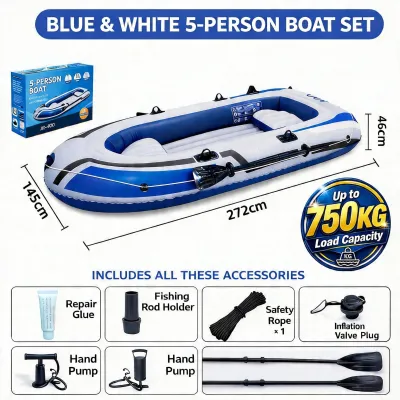
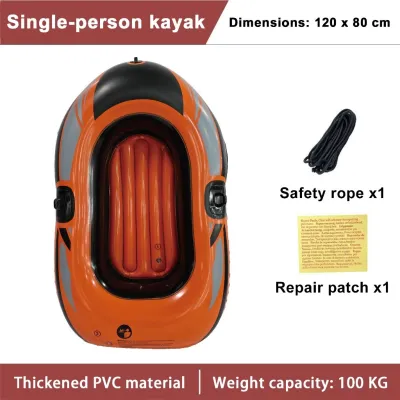
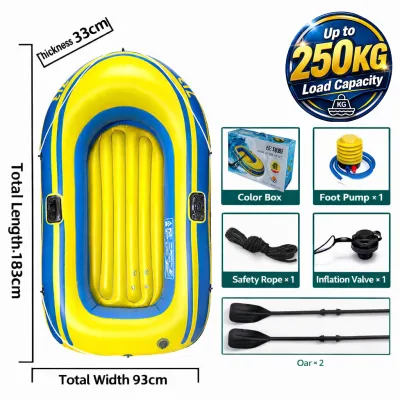
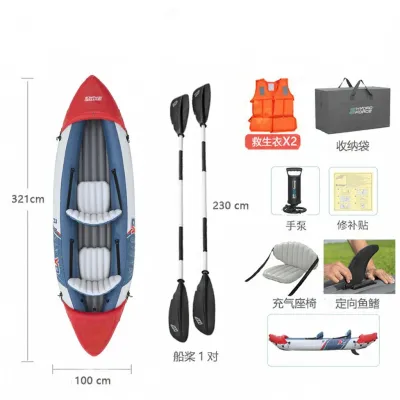
Prices are valid at publication and may change. Please refer to the product page for the latest price.
- Stability: Look for wide hulls (33 to 36 inches) with pontoon or tunnel designs if you plan to stand and cast.
- Propulsion: Choose between traditional paddles for simplicity, pedal drives for hands-free positioning, or electric motors for covering long distances.
- Seating: Prioritize elevated, adjustable, breathable mesh seats to manage heat and prevent lower back strain during long sessions.
- Storage: Ensure the kayak features large tank wells, secure dry hatches, and a total weight capacity that leaves a safety margin of at least 20% to 30%.
- Rigging: Look for integrated gear tracks, flush-mount rod holders, and pre-molded transducer scuppers for clean electronics installation.
Ultimately, no single kayak is perfect for every scenario. An angler targeting inland lakes like Taal or Laguna de Bay will prioritize different features than someone launching through surf into coastal waters.
Hull Design and Stability: The Foundation of a Fishing Kayak
The hull design is the most critical factor governing how a kayak behaves on the water. It dictates whether you can safely stand up to sight-cast or if you will struggle to keep the kayak tracking in a straight line. When evaluating stability, you must distinguish between primary and secondary stability. Primary stability refers to how steady the kayak feels when resting flat on calm water. Secondary stability refers to the kayak’s ability to resist capsizing when it is tilted on its edge by waves, wind, or the weight of an angler leaning over the side.

Pontoon or tunnel hulls, often referred to as catamaran-style hulls, feature an inverted-U shape that pushes buoyancy to the outer edges of the kayak. This design provides exceptional primary stability, making it the ideal choice for anglers who prefer to stand, stretch, or cast from an elevated position. However, this wide, flat profile increases water resistance, making the kayak slower and more tiring to paddle over long distances. Conversely, V-shaped hulls cut through chop efficiently and offer superior secondary stability and tracking, but they feel highly unstable or “tippy” when sitting flat on calm water.
The physical dimensions of the kayak present a direct trade-off between speed and stability. Wider kayaks (typically 33 to 38 inches) offer a rock-solid platform but require more effort to propel. Narrower models (28 to 31 inches) glide effortlessly through the water and cover distances quickly, but they lack the stability required for standing. Additionally, longer kayaks (12 to 14 feet) track straighter and carry speed better than shorter models (10 feet or less), which are highly maneuverable but slow.
Before purchasing, verify the manufacturer’s hull profile and weight capacity ratings rather than relying solely on general width and length measurements. A well-designed 33-inch hull with a tunnel design can offer more standing stability than a poorly engineered 35-inch flat-bottom hull.
Paddle, Pedal, or Motor: Choosing Your Propulsion System
How you move across the water directly impacts your fishing efficiency, physical fatigue, and access to specific fishing spots. Traditional paddling remains the most accessible and reliable option. Paddle kayaks are lightweight, mechanically simple, and highly maneuverable in shallow, weed-choked waters where propellers would easily tangle. However, paddling requires constant physical effort, occupies both hands, and forces you to repeatedly put down your fishing rod to adjust your position against wind or current.
Pedal-drive systems have revolutionized kayak fishing by providing hands-free propulsion. These systems utilize your leg muscles, which are significantly stronger and more durable than your arms and shoulders, allowing you to cover vast distances with minimal fatigue. Pedal kayaks are excellent for trolling and maintaining your position over a specific structure while actively casting. The primary trade-offs are increased weight, higher cost (often ranging from ₱60,000 to over ₱150,000), and the need for deeper water to clear the propeller or fins. You must also perform regular mechanical maintenance, such as rinsing the drive with fresh water after saltwater use and lubricating moving parts.
Motorized setups offer effortless travel, allowing you to reach distant fishing grounds quickly and handle strong tidal currents safely. These systems typically feature transom-mounted or bow-mounted electric trolling motors. While highly efficient, motorized kayaks require careful battery management, add significant weight to your setup, and demand complex wiring. You must also verify local maritime registration requirements for motorized vessels in your area.
When choosing a propulsion system, match it to your typical fishing environment. If you fish shallow, rocky rivers or dense mangrove roots, a simple paddle or a kick-up fin pedal system is ideal. For deep, open lakes or coastal bays, a propeller-driven pedal system or an electric motor provides the range and control needed to fish safely.
Seating Comfort and Ergonomics for Long Hours on the Water
An uncomfortable seat can cut a promising fishing trip short. Because kayak fishing involves sitting for hours while executing repetitive casting motions, proper ergonomics are essential to prevent lower back pain and muscle fatigue. Modern fishing kayaks generally feature high-back, stadium-style frame seats rather than the basic molded-in foam pads found on recreational models.
Stadium-style seats utilize a rigid aluminum or composite frame wrapped in breathable, quick-drying mesh. This design is particularly crucial in tropical climates, where high humidity and intense sun can cause rapid heat buildup and sweating. The elevated position keeps your hips higher than your knees, which aligns your spine naturally and reduces strain on your lower back. Many premium seats offer adjustable height settings, allowing you to sit low for maximum stability while paddling through rough water, or high for a better vantage point when sight-fishing in calm conditions.
In contrast, low-back minimalist seats keep your center of gravity low, which enhances stability but offers minimal lumbar support. Regardless of the seat style, ensure the kayak is equipped with adjustable footrests or foot pegs. These footrests provide a solid bracing point, allowing you to engage your core muscles during each paddle stroke or pedal rotation, which significantly reduces fatigue.
Before finalizing your choice, verify if the seating system is easily removable. A removable seat simplifies transport, protects the mesh from UV damage during storage, and can even double as a comfortable beach chair when you take a break on shore.
Storage Capacity and Gear Management Solutions
A successful fishing trip requires a variety of gear, including tackle boxes, rods, safety equipment, food, water, and a way to store your catch. Managing this gear efficiently within the tight confines of a kayak deck requires a well-thought-out storage layout.
The rear tank well is the workhorse of fishing kayak storage. This large, open recess behind the seat is designed to hold standard milk crates, specialized tackle bags, or coolers. Ensure the tank well is equipped with adjustable bungee cords or tie-down points to secure your gear in the event of a capsize. The bow of the kayak typically features a dry storage hatch. This hatch provides access to the interior of the hull, making it the perfect place to store safety gear, dry bags with extra clothing, and expensive electronics when launching through surf.
When planning your gear layout, you must calculate your total loaded weight to ensure you do not exceed the kayak’s safe operating limits. To find your total loaded weight, add your body weight, the weight of all tackle, rods, anchors, batteries, safety gear, and the expected weight of your catch. As a strict safety rule, this combined weight should remain 20% to 30% below the manufacturer’s stated maximum weight capacity.
If a kayak has a maximum capacity of 400 pounds (approximately 181 kg), your total loaded weight should not exceed 280 to 320 pounds (127 to 145 kg). Exceeding this threshold reduces the kayak’s freeboard—the height of the deck above the water line—which allows water to flood the deck through the scupper holes, compromises stability, and makes the vessel sluggish and difficult to maneuver.
Fishing-Specific Rigging: Rod Holders, Tracks, and Electronics
What separates a standard kayak from a dedicated fishing platform is its rigging capability. Built-in and customizable rigging features allow you to organize your gear so that everything you need is within arm’s reach without cluttering your casting deck.
Rod holders are the most basic yet essential rigging feature. Flush-mount rod holders are recessed directly into the kayak’s gunwales behind the seat. They keep your rods secure and out of the way while paddling, but their fixed angle limits customization. Adjustable, deck-mounted rod holders, which attach to accessory tracks, offer far more versatility. You can position them in front of you, adjust the angle for trolling, or lay them flat to avoid low-hanging branches in mangrove channels.
Modular gear tracks have become the industry standard for kayak customization. These tracks allow you to slide and lock accessories—such as rod holders, fishfinder mounts, camera poles, and cup holders—anywhere along the gunwales without drilling permanent holes into your hull. This modularity means you can easily reconfigure your kayak for different fishing trips or remove all accessories for secure transport.
For modern anglers, electronics integration is a major consideration. Look for kayaks that feature pre-molded transducer scuppers on the underside of the hull. These recessed cavities protect your fishfinder’s transducer from scraping against rocks, sand, or shallow reefs. Additionally, check for built-in battery compartments and internal cable routing ports, which keep your wiring clean, dry, and protected from saltwater exposure. Always verify that the pre-molded scupper is compatible with the specific size and shape of your fishfinder’s transducer before purchasing.
Hull Materials and Durability for Tropical Waters
The material used to construct your kayak determines its weight, durability, maintenance requirements, and price. In tropical environments, materials must withstand intense UV radiation, high temperatures, and abrasive environments like coral reefs, oyster beds, and sandy beaches.
Rotomolded polyethylene is the most common and durable material used in fishing kayaks. Created by rotating molten plastic inside a mold, this process produces a single-piece hull that is incredibly impact-resistant. Polyethylene kayaks can bounce off rocks, scrape over shallow reefs, and withstand rough handling during transport. However, they are heavy, making them difficult to load onto roof racks alone. They are also susceptible to “oil-canning”—temporary warping of the hull—if stored under tension in direct sunlight or strapped too tightly to a rack in high heat. Ensure the manufacturer uses high-quality UV inhibitors in their plastic formulation to prevent the material from becoming brittle over time.
Thermoformed ABS offers a middle ground between rotomolded plastic and composite materials. It is significantly lighter and stiffer than polyethylene, resulting in a faster hull that glides better. Thermoformed kayaks feature a glossy, scratch-resistant finish that slides easily over obstacles. While they are highly durable and easy to repair with specialized epoxy, they are more expensive and can crack under severe, high-velocity impacts.
Inflatable drop-stitch PVC kayaks provide unmatched portability and storage convenience, making them ideal for anglers living in apartments or driving small vehicles. Modern drop-stitch technology allows these kayaks to be inflated to high pressures, creating a surprisingly rigid hull. However, they are vulnerable to punctures from sharp fish spines, hooks, or jagged mangrove roots. They also require meticulous care, including rinsing with fresh water and drying completely before storage to prevent mold and mildew growth in humid tropical climates.
Before purchasing, verify the manufacturer’s warranty terms and specific care instructions regarding UV exposure. Regardless of the material, storing your kayak under a UV-resistant cover or in a shaded area will significantly extend its lifespan.
Frequently Asked Questions (FAQ)
Can I use a regular recreational kayak for fishing?
Yes, you can use a standard recreational kayak for casual fishing, but it comes with significant limitations. Recreational kayaks generally lack the primary stability required for active casting or standing, and they do not have dedicated storage for tackle crates or rod holders. They also have lower weight capacities, meaning they can easily become overloaded and unstable once you add fishing gear. While suitable for occasional, light-tackle fishing in calm, sheltered ponds, they are not recommended for serious angling or open-water environments.
How much weight capacity do I need for a fishing kayak?
To determine your required weight capacity, calculate the combined weight of your body, your fishing tackle, rods, safety gear, anchor systems, batteries, food, water, and the maximum weight of the fish you expect to keep. Once you have this total, choose a kayak with a manufacturer’s rated capacity that is at least 20% to 30% higher. This safety margin ensures the kayak maintains adequate freeboard, tracks correctly, and remains stable and easy to maneuver even in choppy water.
Are sit-on-top kayaks better for fishing than sit-inside models?
Sit-on-top kayaks are widely considered superior for fishing due to their safety, versatility, and ease of use. They feature self-draining scupper holes that allow water to drain off the deck automatically, making them virtually unsinkable. They also offer a flat deck that allows you to stand up, move around, and easily access gear stored in the bow or stern. Sit-inside models offer a lower center of gravity and better protection from cold water, but they are difficult to re-enter if you capsize in deep water and lack the open deck space needed for managing fishing gear.

Community discussion
Share your experience or ask a question. Comments are reviewed before publication.