
Selecting the ideal storage system for your fishing gear is crucial for preserving the lifespan of your blanks, guides, and reels. When deciding between a floor stand and a wall-mounted fishing rod rack, you must evaluate how your physical space, the size of your collection, and your daily fishing habits interact. Floor stands offer exceptional flexibility and high storage capacity without requiring permanent modifications to your home, making them a popular choice for renters or anglers with extensive gear collections. Conversely, wall-mounted racks excel at reclaiming unused vertical space, keeping delicate graphite blanks safely out of reach from household hazards, and creating a clean, organized display. By understanding the structural differences and practical workflows of each style, you can select a setup that keeps your gear secure, accessible, and ready for your next outing.
Core Differences Between Floor Stands and Wall-Mounted Racks
The primary distinction between floor stands and wall-mounted racks lies in how they utilize your room’s footprint and distribute weight. A fishing rod rack stand designed for the floor sits directly on the ground, occupying physical floor space but offering immediate, freestanding stability. These units are highly portable, allowing you to rearrange your storage room, garage, or living space without patching holes or re-measuring walls. This makes them incredibly convenient if you anticipate moving houses or shifting your gear setup seasonally.
Wall-mounted racks, on the other hand, completely bypass the floor, utilizing empty vertical space on your walls. This design is semi-permanent, requiring careful measurement, drilling, and anchoring into studs or solid masonry. While they lack the quick portability of floor stands, they free up valuable floor area for other outdoor gear, coolers, or tackle boxes.
Products mentioned in this guide
![[COD] SHPYHT SPORTS 1PCS 8-Slot Solid Wood Floor Standing Fishing Rod Rack – No-Drill Display Stand With Silicone Slots Fits All Fishing Pole Types](https://img.lazcdn.com/g/p/98af275e14ba793509dd6203ac3de4f5.jpg_400x400q80.jpg_.webp)
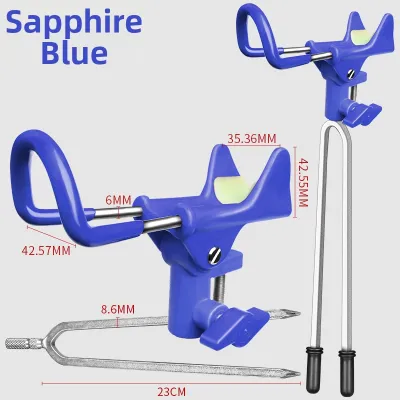
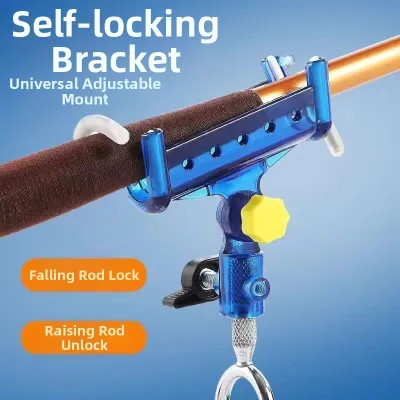
![[COD] EHBqna 1Pc 360 Degree Adjustable Aluminum Alloy Fishing Rod Holder Folding Fish Pole Stand For Fishing Ground Support](https://img.lazcdn.com/g/p/0ec3de21a25246ebfcff676012c00e99.jpg_400x400q80.jpg_.webp)

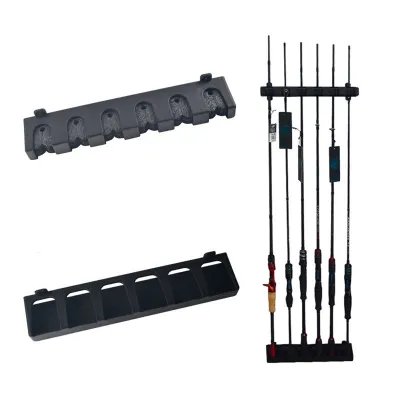
![[Fast Delivery] Vertical Fishing Rod Holder Wall Mounted Fishing Rod Rack Black Fishing Rod Display Rack 6 Holes](https://img.lazcdn.com/g/p/c4805e1cc5b6ff06b8aa3584227fea27.jpg_400x400q80.jpg_.webp)
Prices are valid at publication and may change. Please refer to the product page for the latest price.
Weight distribution mechanics also differ significantly between the two designs. Floor stands support the weight of your rods and reels from the bottom up, relying on a broad, stable base to keep the center of gravity low and prevent tipping. Wall-mounted racks rely on the shear strength of wall anchors and screws to hold the weight horizontally or vertically.
Key Decision Factors for Your Fishing Gear Setup
To determine which storage style aligns with your needs, you must evaluate three primary pillars: spatial constraints, collection volume, and daily accessibility. Each of these factors plays a critical role in how well your rack functions in your daily routine. Neglecting even one of these variables can lead to a storage solution that feels cramped, inconvenient, or unsafe for your valuable gear. By systematically analyzing your home environment and your fishing habits, you can avoid buyer’s remorse and build a highly functional gear room.

Space and Room Layout
Before purchasing any storage system, you must carefully measure your available physical space. For floor stands, this means calculating the clear floor area required for the stand’s base, ensuring it does not block walkways, door swings, or access to storage cabinets. If you live in a home with tiled floors or uneven concrete, you must also verify that the floor stand can sit level without wobbling.
For wall-mounted racks, the evaluation shifts to identifying suitable wall structures. In many tropical homes, walls are constructed from solid concrete or hollow concrete blocks rather than drywall over wooden studs. Mounting a rack on concrete requires specialized masonry drill bits and expansion anchors, which demands more installation effort than simply screwing into wood. You must also navigate physical obstacles such as low-hanging ceiling fans, sloped ceilings, or high-humidity zones near windows where direct sunlight can degrade rod epoxies and line over time.
Aesthetics also play a major role in your decision. A sleek, horizontal wall mount can transform a collection of high-end rods into a striking visual display in a living room or study. A bulky circular floor stand, while highly functional, may look cluttered in a shared living space and is often better suited for a dedicated garage, basement, or utility room.
Rod Collection Size and Expandability
Your current inventory and future purchasing plans should heavily influence your choice of a fishing rod rack stand. Always check the manufacturer’s specifications for the maximum number of rod slots, weight limits, and the physical spacing between each clip. Many standard racks are designed for thin, bare rods; once you attach large spinning or baitcasting reels, the actual capacity of the rack can be cut in half as the reels bump against each other.
If you plan to expand your collection, consider the modularity of your chosen system. Many wall-mounted racks are designed to be installed side-by-side, allowing you to seamlessly add more capacity as your arsenal grows. Floor stands are generally fixed in size, meaning that once you fill a 16-rod circular stand, you will need to purchase an entirely new unit to accommodate more gear.
Furthermore, consider the physical dimensions of your specific rod types. Long, two-piece surf casting rods, heavy-duty trolling rods, or delicate fly rods have vastly different storage requirements. Bulky combos with oversized reels require wider spacing between slots, which is often easier to manage on adjustable wall-mounted brackets than on tightly spaced floor stands.
Accessibility and Daily Workflow
The ease with which you can grab your gear before a trip and put it away afterward directly impacts your overall fishing experience. Floor stands offer unmatched grab-and-go convenience. Because they sit at ground level, you can easily lift a rod straight out of its slot without reaching overhead or stretching. This makes them ideal for anglers who fish frequently and want to minimize prep time.
Wall-mounted racks, particularly those mounted high on the wall or horizontally across a ceiling, require a bit more effort to access. While they keep your gear incredibly secure and out of the way, you may need a step stool to reach rods stored near the ceiling. However, this elevated position provides excellent protection against household hazards. If you have curious pets, active children, or live in a high-traffic household, keeping delicate graphite tips and expensive reels high on a wall prevents accidental damage from bumps, vacuum cleaners, or playful paws.
Cleaning and maintenance workflows also differ. Floor stands accumulate dust, pet hair, and dirt around their bases, requiring you to move the stand or carefully sweep around it. Wall-mounted racks keep the floor completely clear, making routine house cleaning much simpler, though the rods themselves may collect dust if left unused on high mounts for extended periods.
Installation, Stability, and Maintenance Checks
Proper installation and ongoing maintenance are vital to ensuring your fishing rod rack stand remains secure and does not cause damage to your gear. For wall-mounted systems, never rely on simple plastic drywall anchors if you are storing heavy setups. Always locate solid wall studs using a reliable stud finder, or use heavy-duty toggle bolts. If you are mounting onto concrete or masonry walls, use high-quality expansion shields or concrete screws. Always use a spirit level during installation; a slightly tilted horizontal rack can cause rods to slide, bend, or fall, potentially fracturing delicate graphite blanks.
For floor stands, stability is your primary concern. Assemble the stand on a flat, level surface and check for any wobble. If the stand is placed on uneven garage concrete or textured tile, use adjustable leveling feet or shim the base to ensure it sits perfectly flat. Always load a floor stand starting from the center or the bottom slots to keep the center of gravity as low as possible, reducing the risk of accidental tipping if the stand is bumped.
Regardless of the style you choose, establish a routine maintenance schedule. High humidity, salt air, and temperature fluctuations can degrade storage materials over time. Periodically check all mounting screws and structural joints to ensure they remain tight. Inspect foam or rubber rod clips for signs of dry rot, cracking, or moisture retention, as degraded foam can trap humidity against your rod blanks and cause cosmetic or structural damage. If your rack features metal components, check for signs of rust or corrosion, especially if you live near coastal areas.
Final Verdict: How to Choose the Right Fishing Rod Rack
To make your final decision, evaluate your living situation and gear requirements against a clear, practical framework. You should choose a floor stand if you rent your home and want to avoid drilling holes, need the flexibility to move your storage setup between rooms, or manage a large, heavy collection of rods that requires a stable, ground-supported base. A floor stand is also the path of least resistance if your walls are made of tough, solid concrete that makes drilling and anchoring a major chore.
On the other hand, you should choose a wall-mounted rack if floor space in your home or garage is at a premium, you want to create an attractive visual display of your favorite gear, and you need to keep expensive rods safely out of reach of children, pets, or high-traffic household hazards. Wall mounts are highly effective for dedicated gear rooms where you can permanently secure the brackets into solid wall studs.
Before finalizing your purchase, verify the physical dimensions of your rods and reels. If you use rods with unusually long handles, oversized reels, or delicate guides, ensure the rack’s spacing can accommodate them without forcing the components to rub against each other.
Finally, keep environmental conditions in mind. If your storage area is exposed to extreme tropical humidity, direct sunlight, or salty sea breezes, open racks of any style may not provide enough protection. In these harsh environments, prioritize storing your most valuable rods in protective fabric sleeves, hard rod tubes, or within climate-controlled indoor cabinets to prevent UV degradation and corrosion.
Frequently Asked Questions (FAQ)
Can I store saltwater fishing rods on these racks without rusting?
Storing your saltwater gear on an open floor stand or wall mount will not prevent rust or corrosion if the gear is not properly maintained. Saltwater residue attracts moisture from the air, which can quickly corrode guides, reel seats, and line rollers. Before placing any saltwater rod on a rack, always rinse it thoroughly with fresh water and allow it to dry completely in a shaded, well-ventilated area. Additionally, check the material specifications of the rack itself. Look for racks made from corrosion-resistant materials such as high-density plastics, treated aluminum, or sealed hardwoods that can withstand humid, coastal environments without warping or rusting.
How do I protect rod guides and reels while in storage?
To prevent physical damage to your rods’ most vulnerable components while on a rack, consider using protective rod sleeves or socks. These fabric covers prevent delicate ceramic guide inserts from snagging on adjacent rods or the rack’s clips during retrieval. When storing rods with reels attached, always loosen the drag system completely. Leaving the drag tight for long periods compresses the internal drag washers and puts constant tension on the springs, which can lead to premature wear and reduced performance on the water. Storing your reels in a relaxed, zero-tension state ensures they remain smooth and reliable for your next fishing trip.

Community discussion
Share your experience or ask a question. Comments are reviewed before publication.