
Choosing the right fishing line is one of the most critical decisions you make before heading out to the water. The three primary options—fluorocarbon, monofilament, and braided line—each possess distinct physical properties that directly impact how your lure behaves, how easily you detect bites, and how well you can land a fish. Rather than one line being universally superior, the ideal choice depends on your specific fishing technique, target species, and the environment you are fishing in. By understanding the unique characteristics of each material, you can spool your reel with confidence and optimize your presentation for the conditions at hand.
To make an informed decision, anglers must evaluate how these lines perform under tension, their visibility to fish, their sensitivity, and how they react to water and sunlight. Balancing these factors allows you to match your gear to your target environment, whether you are casting into freshwater lakes or navigating challenging marine environments.
Core Properties of Fluorocarbon, Monofilament, and Braided Lines
Understanding the fundamental physical differences between these three line types dictates how they behave on the reel and in the water. Each material is engineered differently, resulting in distinct performance profiles regarding stretch, visibility, sensitivity, and buoyancy.
Products mentioned in this guide
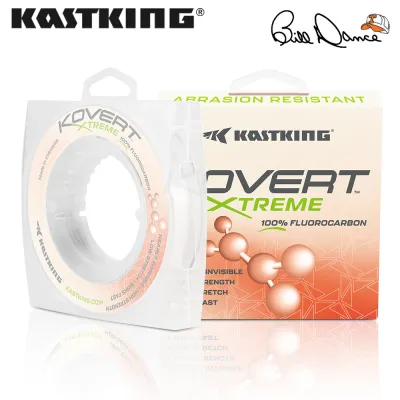
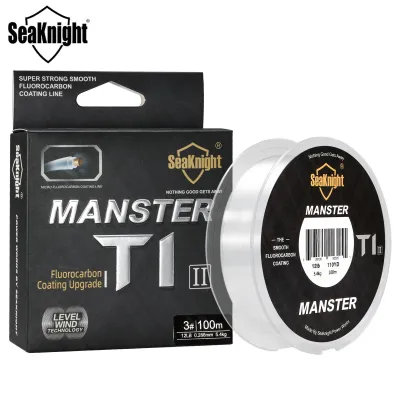
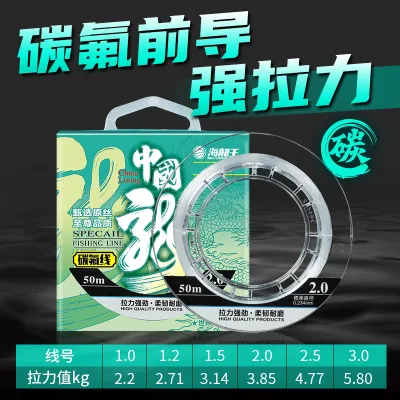
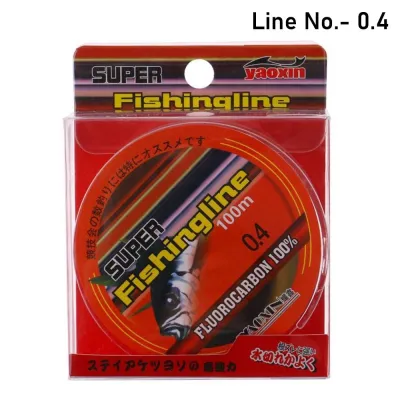
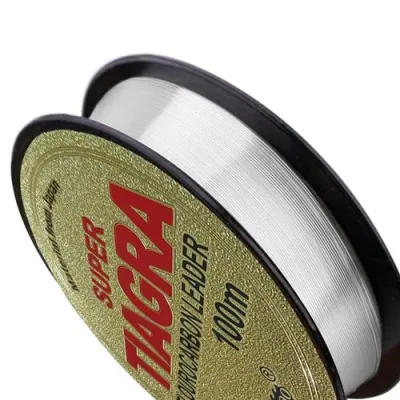
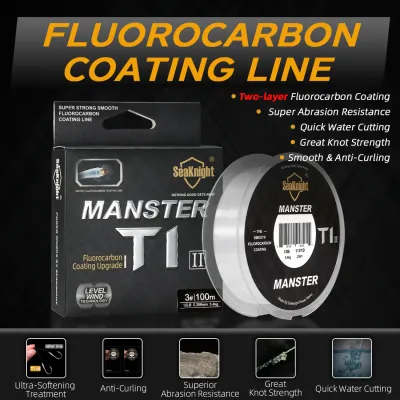
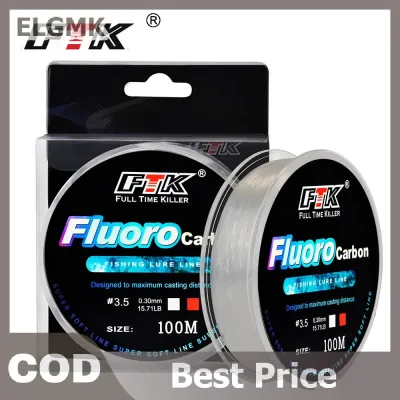
Prices are valid at publication and may change. Please refer to the product page for the latest price.
Monofilament is a single strand of nylon plastic. It is highly elastic, offering significant stretch and shock absorption. This elasticity acts as a cushion, absorbing the sudden shock of a hard strike or a violent head shake, which helps prevent the hook from tearing out of the fish’s mouth. However, this stretch reduces the direct feel of subtle bites.
Fluorocarbon fishing line is made from polyvinylidene fluoride, a dense fluoropolymer. It has much less stretch than monofilament, providing a more direct connection to your lure. While it is not completely static, its semi-rigid nature offers a balanced middle ground, providing enough forgiveness to absorb sudden runs while maintaining excellent sensitivity.
Braided line is constructed by weaving multiple strands of synthetic microfibers together. This design results in near-zero stretch. The lack of elasticity provides unmatched sensitivity, allowing you to feel the slightest vibrations, bottom transitions, or tentative nibbles instantly. The trade-off is that without any stretch, sudden pressure can snap the line or pull the hook if your reel’s drag is set too tight.
Visibility underwater is largely determined by a material’s refractive index, which measures how much light bends as it passes through the substance. Water has a refractive index of approximately 1.33. Fluorocarbon has a refractive index of about 1.42, making it nearly invisible to fish underwater because light passes through it similarly to water. Monofilament has a higher refractive index, making it semi-visible. Braided line is completely opaque and highly visible, which can spook wary fish in clear water.
Line diameter relative to breaking strength also varies dramatically. Braided line has an incredibly thin diameter; a 30-pound test braid can have the same diameter as an 8-pound test monofilament. This thin profile allows for longer casts and lets the line cut through water currents with minimal resistance. Fluorocarbon is denser and heavier than monofilament, while monofilament has the thickest diameter for any given pound-test rating.
Buoyancy and water absorption affect how your lures behave. Monofilament is slightly buoyant or slow-sinking, and it absorbs water over time, which can temporarily reduce its tensile strength and alter its handling. Fluorocarbon is hydrophobic, meaning it does not absorb water, and it is dense enough to sink quickly. Braided line does not absorb water, but its low density and woven texture cause it to float or remain suspended high in the water column.
Performance in Different Fishing Scenarios
Matching your line type to specific fishing techniques and environments is essential for maximizing your catch rate. Different presentations require specific line behaviors to perform correctly.

For topwater and surface lures, such as walking baits, poppers, and frogs, monofilament is highly preferred. Because monofilament floats or sinks very slowly, it keeps the nose of the lure up, allowing it to work across the surface as intended. Using a fast-sinking line like fluorocarbon for topwater lures pulls the front of the bait downward, ruining its action and making it difficult to work. Braided line is also excellent for topwater fishing in heavy vegetation due to its buoyancy and strength.
Deep-water and bottom-contact fishing demand sensitivity and sinking properties. Fluorocarbon is the ideal choice for fishing jigs, soft plastics, and deep-diving crankbaits. Its sinking nature helps lures reach depth faster and stay in the strike zone longer, while its low stretch ensures you can feel the bottom structure and detect light bites at great depths. Braided line is also highly effective for deep-water applications because its thin diameter cuts through strong currents, though it is typically paired with a leader to manage visibility.
When fishing around heavy cover, such as submerged timber, mangrove roots, sharp rocks, or thick weeds, abrasion resistance is critical. Fluorocarbon features a hard outer surface that resists scraping and nicking against rough obstacles. Monofilament also offers good abrasion resistance, especially in thicker diameters, as its elasticity allows it to deflect off hard surfaces. While braided line has immense tensile strength, its fine synthetic fibers can shear easily when rubbed against sharp edges like barnacles or jagged rocks under tension.
In crystal-clear water or when targeting line-shy fish, low visibility is the deciding factor. Wary species can easily spot highly visible lines, causing them to refuse your offering. Spooling with a fluorocarbon fishing line or using a long fluorocarbon leader ensures that your presentation remains natural and virtually invisible, increasing your chances of a strike in high-pressure or clear-water environments.
Handling, Knot Strength, and Maintenance
Practical usability on the water depends on how easily a line handles, how well it holds knots, and how much maintenance it requires to remain reliable over time.
Line memory refers to a line’s tendency to retain the coiled shape of the spool. Monofilament and fluorocarbon both exhibit line memory, with fluorocarbon being significantly stiffer. This stiffness can lead to handling issues, such as coils jumping off the spool, twists, and wind knots, particularly on spinning reels. Braided line has virtually zero memory, meaning it lays completely flat, casts smoothly, and rarely twists, making it exceptionally easy to manage on both spinning and baitcasting reels.
Knot tying requires different techniques for each material to prevent slippage and failure. Because braided line is slick and thin, standard knots can easily slip loose under pressure. Anglers must use specialized knots like the Palomar knot or double Uni knot to ensure security. Fluorocarbon is hard and friction-sensitive; if you tighten a knot without lubricating it, the friction generates heat that damages and weakens the material. Always wet your knots with water or saliva before cinching them down tightly. Monofilament is highly forgiving, holding knots exceptionally well due to its self-locking elasticity.
Regular maintenance is necessary to prevent unexpected line breakage. After fishing around structure, run your fingers along the last few meters of your line to check for nicks, frays, or rough spots. If you feel any imperfections, cut off the damaged section and retie your lure. This simple check prevents losing a fish due to a weakened line.
Environmental factors like UV radiation from intense tropical sunlight and high humidity accelerate line degradation. Monofilament is highly susceptible to UV damage, which weakens the nylon fibers and makes the line brittle over time. Fluorocarbon is highly resistant to UV rays and chemical degradation, maintaining its strength much longer. Braided line is also highly durable against sunlight, though its color will fade over time. Check manufacturer labels for UV-resistance properties and establish a replacement schedule based on how often you fish.
Cost, Value, and Rigging Strategies
Optimizing your gear setup involves balancing performance with cost-effectiveness. Understanding the price tiers and rigging techniques can help you get the most value out of your purchase.
Monofilament is the most budget-friendly option, typically costing between ₱150 and ₱400 for a standard filler spool. This makes it an excellent choice for beginners or anglers spooling multiple reels. Fluorocarbon is a premium material, with prices ranging from ₱400 to over ₱1,200 depending on whether it is formulated as a mainline or a specialized leader material. Braided line sits in the higher price tier, often costing between ₱600 and ₱1,500+ per spool, but its exceptional durability and long lifespan offer excellent long-term value.
To maximize performance while managing costs, many experienced anglers utilize a mainline-to-leader rigging strategy. Instead of spooling an entire reel with expensive fluorocarbon, you can spool the reel with a strong, long-lasting braided mainline and tie a 1-to-2-meter fluorocarbon leader to the end. This hybrid setup gives you the casting distance and sensitivity of braid, combined with the low visibility and abrasion resistance of fluorocarbon at the business end.
Another cost-saving technique is using backing. Instead of filling the entire spool with expensive braid or fluorocarbon, fill the inner third of the spool with inexpensive monofilament backing. This prevents braided line from slipping on the smooth metal spool arbor and reduces the amount of premium line needed to fill the reel, saving you money on every respool.
When preparing your gear, check local tackle shops and reputable online marketplaces for current availability, bulk spool discounts, and expert advice tailored to your local waters. Purchasing bulk spools of your preferred line can significantly lower your cost per meter over time.
Decision Framework: Which Line Should You Spool?
To finalize your choice, use this condition-based checklist to match your specific needs to the correct line type:
- Choose fluorocarbon if: You require near-invisibility in clear water, are targeting line-shy fish, need a fast-sinking line for bottom-contact presentations, or want a highly abrasion-resistant leader material for fishing near rough structure.
- Choose monofilament if: You are looking for an affordable, easy-to-handle line, require high shock absorption for aggressive strikes, or are fishing topwater lures that need a buoyant line to maintain their action.
- Choose braided line if: You need maximum casting distance, high sensitivity to detect subtle bites in deep water, high strength-to-diameter ratio to cut through currents, or a durable mainline to pair with a leader.
Before making your final purchase, verify if your target species, local fishing regulations, or specific marine sanctuaries require particular line types, leader lengths, or barbless hook configurations to ensure compliance and ethical angling practices.
Frequently Asked Questions (FAQ)
Can I use braided line as a mainline with a fluorocarbon leader?
Yes, combining a braided mainline with a fluorocarbon leader is one of the most effective rigging strategies. This setup delivers the high sensitivity, thin diameter, and casting distance of braided line, while ensuring your lure presentation remains virtually invisible to fish due to the fluorocarbon leader. Typically, a leader length of 1 to 2 meters is ideal. To join the two lines securely, use a reliable connection knot such as the FG knot, Double Uni knot, or Alberto knot, ensuring the knot is slim enough to pass smoothly through your rod guides.
How often should I replace my fishing line?
Replacement frequency depends on how often you fish and the storage conditions of your gear. Monofilament absorbs water and degrades under UV light, meaning it should generally be replaced every 6 to 12 months. Fluorocarbon is highly UV-resistant and can last 1 to 2 years, though you should replace it sooner if you notice excessive coil memory or physical nicks. Braided line is highly durable and can easily last 2 to 3 years; you can even reverse the line on your spool to use the fresh, unworn inner section, effectively doubling its lifespan. Always perform a physical check for frays, stiffness, or discoloration before a major fishing trip.

Community discussion
Share your experience or ask a question. Comments are reviewed before publication.