
Choosing between a foldable and a seated Ultron electric scooter comes down to balancing your daily travel distance, storage limits, and need for physical comfort. If your commute involves navigating crowded train stations, lifting your ride up office stairs, or tucking it under a small desk, a lightweight foldable model is generally the most practical choice. Conversely, if you face long, uninterrupted stretches of road and want to minimize physical fatigue, a seated model offers a more stable, comfortable ride. Evaluating your specific route, local weather patterns, and storage options before purchasing ensures you select the design that best fits your daily routine.
Understanding the Core Design Differences
The physical geometry of an electric scooter dictates how it handles, balances, and responds to rider input. Stand-up foldable models feature a high center of gravity because the rider’s entire body weight is positioned on a relatively narrow deck. This configuration requires active physical engagement, as you must use your core, knees, and arms to maintain balance and absorb road vibrations. Steering dynamics on these models tend to be highly responsive and agile, allowing for quick maneuvers around obstacles, though they can feel twitchy at higher speeds.
Seated configurations alter these dynamics by lowering the overall center of gravity. By placing the rider’s weight directly over a dedicated seat post, the scooter gains natural stability, making it easier to maintain a straight line on open roads. This seated posture shifts the physical load away from your legs and lower back, distributing your weight more evenly across the frame. Because the steering column on seated models is often angled differently to accommodate a seated reach, steering feels more deliberate and less sensitive to sudden hand movements.
Products mentioned in this guide
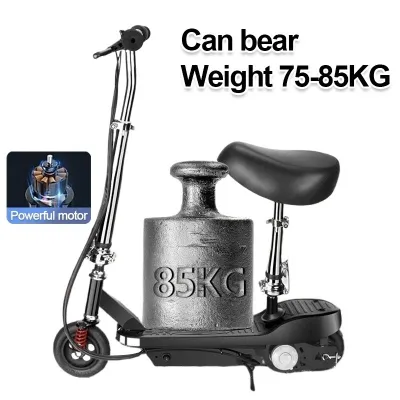
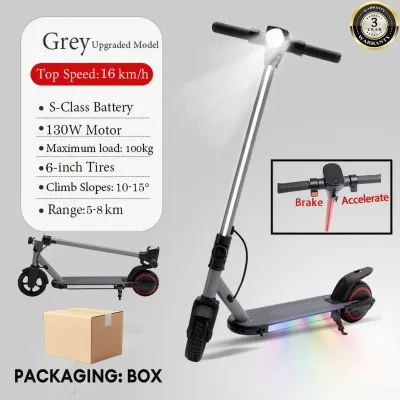
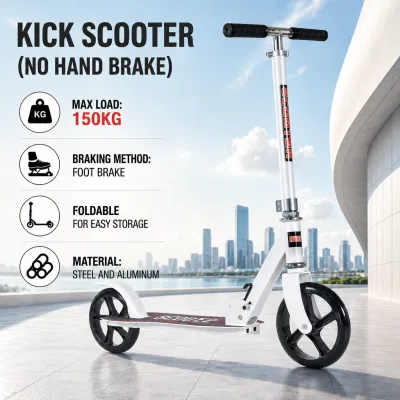
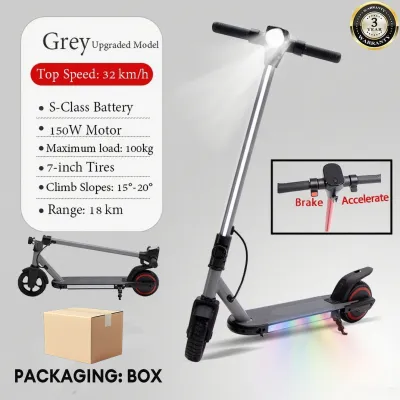
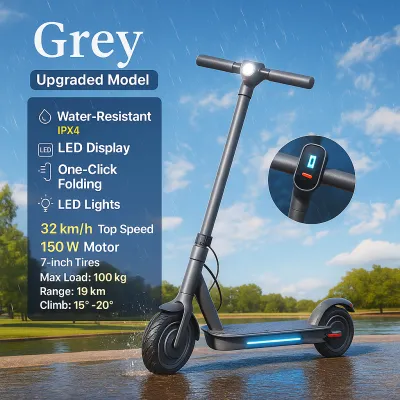
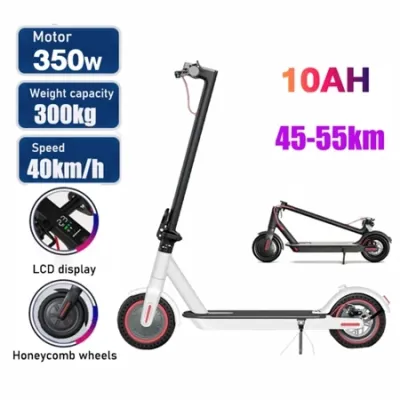
Prices are valid at publication and may change. Please refer to the product page for the latest price.
While both designs utilize robust frames, their structural weight and folding mechanisms differ significantly. Foldable models are engineered with joints and latches designed for rapid collapsing, which can sometimes introduce minor play in the stem over time if not properly maintained. Seated models often feature more rigid, continuous frames to support the seated load, which can increase the overall weight of the machine. To understand the exact weight and structural limits of a specific model, always consult the manufacturer’s official specification sheets before buying.
Matching the Scooter to Your Commuting Route
The quality of your daily route is a major factor in determining which scooter style will keep you safe and comfortable. In many urban areas in the Philippines, commuters must navigate a mix of smooth asphalt, cracked concrete, sudden potholes, and wet surfaces caused by tropical downpours. A stand-up foldable scooter offers excellent agility for dodging sudden road hazards, but hitting a deep pothole while standing can easily compromise your balance. Seated models, with their lower center of gravity, tend to track more predictably over uneven surfaces, reducing the risk of being thrown off balance by minor road imperfections.

Navigating dense traffic and executing tight turns also requires different handling characteristics. If your commute involves weaving through slow-moving vehicles, making frequent stops at intersections, and navigating tight corners, the quick pivoting ability of a stand-up model is highly advantageous. You can easily step off the deck when traffic grinds to a halt. On the other hand, a seated model requires more physical space to turn and can feel more cumbersome when you need to stop and start repeatedly in heavy gridlock, as you must constantly plant your feet on the ground to stabilize the machine.
Wheelbase length and tire size are critical specifications that directly impact shock absorption and incline handling. Seated scooters often feature a slightly longer wheelbase and larger pneumatic tires, which naturally smooth out vibrations from rough roads and provide better traction on wet surfaces. Foldable models may use smaller tires to maintain their compact folded footprint, which can make rides over cobblestones or rough patches feel much harsher. When facing steep inclines, a standing posture allows you to shift your body weight forward to keep the front wheel planted, whereas a seated rider must rely entirely on the motor’s torque and proper seating position to climb safely.
Navigating Storage Constraints and Multi-Modal Transit
Portability is often the deciding factor for urban commuters who do not have access to dedicated outdoor parking. A foldable electric scooter is designed to collapse into a compact package that can easily fit into a car trunk, a small apartment closet, or under an office desk. This makes it highly suitable for those living in high-density condominiums where space is at a premium. Before purchasing, measure your available storage spaces and compare them against the manufacturer’s listed folded dimensions to ensure a seamless fit.
For multi-modal commuters who combine scootering with public transportation like the MRT, LRT, or buses, physical weight and carrying ease are paramount. Lifting a heavy scooter up station stairs or holding it steady on a crowded train requires significant physical effort. Foldable models are generally lighter and feature locking mechanisms that turn the stem into a convenient carrying handle. If you must carry your scooter for more than a few minutes at a time, a heavy, non-folding, or partially folding seated model can quickly become a physical liability during your daily rush-hour commute.
Seated models present unique challenges when it comes to security and parking footprint. Because many seated scooters do not fold, or only allow the handlebars to collapse, they cannot be easily brought indoors or tucked under a desk. This means you may need to secure them in public bike racks or motorcycle parking areas. You must invest in high-quality locks and verify if your workplace or apartment building has secure, designated parking zones. Additionally, the larger footprint of a seated model can make it more difficult to navigate through narrow office corridors or elevator doors.
Assessing Comfort for Your Typical Ride Duration
Ride duration plays a critical role in how physical fatigue affects your daily commute. Standing on a scooter deck for a short ten-minute trip is rarely tiring, but as your ride extends past thirty minutes, the physical toll increases. Standing requires constant isometric contraction of your calves, thighs, and core muscles to stabilize your body against wind resistance and road vibrations. Over time, this can lead to joint fatigue in your knees and lower back, especially if you are commuting on hot, humid days typical of a tropical climate.
Seated models excel at mitigating this fatigue by allowing you to ride in a relaxed, natural sitting position. By transferring your body weight to a padded seat, you significantly reduce the strain on your lower joints and back. This makes seated scooters highly preferable for longer, uninterrupted journeys where you can maintain a steady speed for several kilometers. The reduced physical exertion also means you arrive at your destination feeling fresher and less sweaty, which is a major benefit if your workplace lacks shower facilities.
To ensure proper ergonomics and prevent repetitive strain injuries, you must verify that the scooter can be adjusted to fit your body size. Check the manufacturer’s guidelines to see if the seat height, handlebar reach, and suspension settings are adjustable. A seat that is too low can cause knee discomfort, while handlebars that are too far forward can strain your shoulders and wrists. Additionally, look for models with robust suspension systems—such as dual spring or hydraulic shocks—to help absorb the impact of rough roads, regardless of whether you choose a standing or seated configuration.
Final Decision Framework: Which Ultron Style Should You Choose?
To make the right choice, evaluate your daily route, storage limits, and physical comfort requirements against this conditional framework.
Choose the Foldable style if:
- Your daily commute involves multi-modal transit, such as carrying the scooter onto trains, buses, or into the back of ride-hailing vehicles.
- You have strict indoor storage limitations at home or work, requiring the scooter to fit under a desk, inside a closet, or in a tight corner.
- You frequently need to carry the scooter up flights of stairs or navigate tight indoor spaces like elevators and narrow hallways.
Choose the Seated style if:
- Your daily route consists of longer, continuous stretches of road with minimal stop-and-go traffic, allowing you to ride comfortably for extended periods.
- You prioritize physical comfort and want to minimize joint, knee, and lower back fatigue during your commute.
- You have access to secure ground-level parking, a spacious garage, or an office building that permits parking larger, non-folding micro-mobility vehicles indoors.
Neither style may fit if:
- Your local roads are excessively damaged, unpaved, or filled with deep hazards that exceed the safety limits of standard scooter tires and suspension systems.
- Your total daily round-trip distance exceeds the realistic battery range of available models, requiring mid-day charging where facilities are unavailable.
Verify first if:
- Local traffic regulations in your specific municipality in the Philippines permit the use of electric scooters on public roads, bike lanes, or sidewalks.
- Your condominium association or office building management permits the indoor storage and charging of lithium-ion battery-powered personal mobility devices.
Frequently Asked Questions (FAQ)
Can I add an aftermarket seat to a foldable Ultron scooter?
Adding an aftermarket seat to a foldable scooter that was originally designed exclusively for standing carries significant structural and safety risks. Stand-up scooter frames are engineered to distribute the rider’s weight across the entire deck, whereas a seat concentrates that weight onto a single mounting point. Installing non-OEM seats can stress the frame in ways the manufacturer did not intend, potentially leading to structural failure or voiding your warranty. Before attempting any modifications, check the manufacturer’s official accessories catalog to see if an approved, compatible seat attachment is available for your specific model, and always adhere to the specified load limits.
Do seated Ultron scooters fold for storage?
While some seated electric scooters feature folding mechanisms, they generally do not collapse as compactly as dedicated stand-up models. Some designs allow you to fold the handlebars down or remove the seat post entirely, but the main frame remains rigid and bulky. This means they still require a larger storage footprint and are significantly heavier to lift. If portability is a key requirement for your commute, you should verify the exact folded dimensions and total weight of the seated model on the manufacturer’s spec sheet to ensure you can physically manage it during transit.

Community discussion
Share your experience or ask a question. Comments are reviewed before publication.