
Mountain bikers frequently face a difficult compromise on the trail: choosing between the lightweight, breezy comfort needed for grueling climbs and the robust, heavy-duty protection required for high-speed descents. Deciding between a full-face and an open-face helmet ultimately depends on your specific riding discipline, average trail speeds, and personal risk tolerance. While open-face helmets excel in ventilation and comfort during low-speed or cross-country rides, full-face helmets provide critical, comprehensive protection for your chin, jaw, and face when tackling aggressive, high-speed terrain.
Choosing the right helmet requires balancing these physical trade-offs against the actual risks of your local trails. By understanding how each design manages impact forces, handles heat, and fits your riding style, you can make an informed decision that keeps you safe without compromising your enjoyment on the dirt.
How Does a Full Face Helmet Compare to Open-Face Designs in Impact Protection?
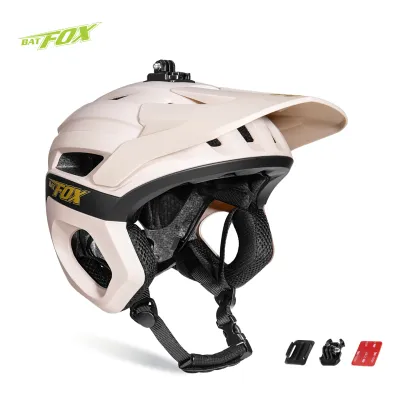
A full-face helmet provides significantly greater physical coverage than an open-face design by incorporating a solid chin bar and extended rear-head protection to shield the face, jaw, and lower skull from direct impacts. Open-face helmets focus coverage on the top, sides, and back of the head, leaving the face entirely exposed to trail obstacles. This structural difference fundamentally changes how each helmet type manages the forces of a crash.
Products mentioned in this guide
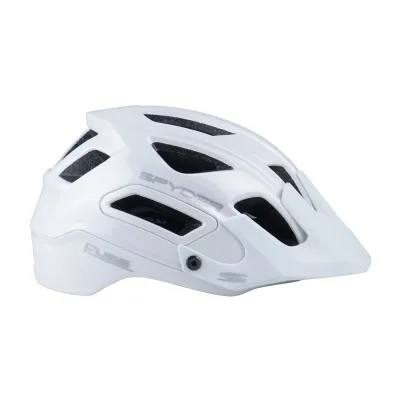
445 Lazada user ratings
Thank you Spyder! Tama ung color &size nung helmet. Maayos ung packaging.... Makapal ung bubblewrap. Makinis ung item. No scratches tlga. Qu…Read full reviewShow less
Thank you Spyder! Tama ung color &size nung helmet. Maayos ung packaging.... Makapal ung bubblewrap. Makinis ung item. No scratches tlga. Quality tlga to. Bili na mga kaPadyak! Excited n ko sa next ride! Tapos bilis pa ng delivery Manila to Pangasinan! 3 days!
👍👍👍Excellent! worth the wait. understandably. with 130k + followers mukhang na overwhelmed sila sa orders. very responsive, keeps u updated .k…Read full reviewShow less
👍👍👍Excellent! worth the wait. understandably. with 130k + followers mukhang na overwhelmed sila sa orders. very responsive, keeps u updated .kudos to LEX PH hatid din agad 🙂. Galing nang build and quality . Thanks!
I received the item in a good manner, packed properly, reasonable amount of delivery for the delivery. Must say, that the helmet has a very …Read full reviewShow less
I received the item in a good manner, packed properly, reasonable amount of delivery for the delivery. Must say, that the helmet has a very good quality, good design and lightweight. highly recommend it.
ang ganda ng quality. sakto din lang ang fit sa ulo ko at very comfortable. delivered within the given time frame and without damage. thanks…Read full reviewShow less
ang ganda ng quality. sakto din lang ang fit sa ulo ko at very comfortable. delivered within the given time frame and without damage. thanks spyder.ph and lazada.
Super duper thank you to the Seller and to the courier. Items are securely packed and no damage whatsoever. Again, thank you and more blessi…Read full reviewShow less
Super duper thank you to the Seller and to the courier. Items are securely packed and no damage whatsoever. Again, thank you and more blessings!
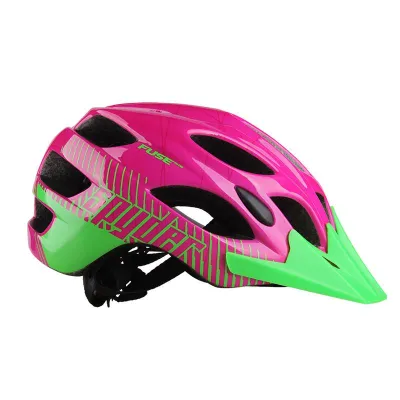
74 Lazada user ratings
This helmet is a very lightweight and airy option, making it a great choice for summer rides in the city. It features a MIPS system for adde…Read full reviewShow less
This helmet is a very lightweight and airy option, making it a great choice for summer rides in the city. It features a MIPS system for added peace of mind, and the design is incredibly breathable with its numerous air vents. The EPS construction is slim and low-profile, and the unique strap attachment to the rear retention system provides an unconventional fit. The white straps give it a clean, distinct look that stands out. It is a solid, basic helmet for those who want a simple gear setup for seasonal casual riding.
Stylish helmet with a beautiful design, great breathability, combines good looks with practicality, both attractive and functional.
The helmet has great quality, feels light and comfortable, has plenty of ventilation to keep cool, and the buckle is easy to use.
Very good, well-crafted, with high MIPS safety protection, worth buying, and can be used for skateboarding and roller skating!
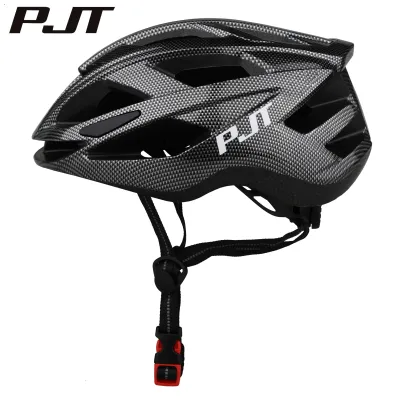
27 Lazada user ratings
I was surprised at how light it was. The design is nice too... but it feels like it's all styrofoam. The value for money is awesome, lol.
Arrived on time, very protected. It's quite light even though it fits me, I found the shape a bit big, but it shouldn't get in the way.
The product quality looks great and it doesn't look like a budget item at all. I think I'll be using it a lot.
It's lightweight with a great design, and the included sunglasses are pretty good too.
It's light and good. The finishing is a bit lacking. Good value for money.
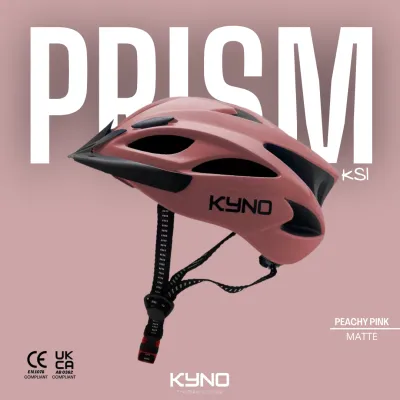
961 Lazada user ratings
Great helmet for cycling enthusiasts, Stylish color options to choose from, Lightweight and comfortable design, Perfect for both mountain an…Read full reviewShow less
Great helmet for cycling enthusiasts, Stylish color options to choose from, Lightweight and comfortable design, Perfect for both mountain and road biking, Easy to adjust and wear, High-quality materials for durability, Adjustable strap for a perfect fit, Offers great value for the price, ang angas ng design ang ganda ng kulay at ang porma pa pag suot mo na heheheh😍😍ganda sulit sa price no damage at secure na secure yung item sa box😍😍thanks lazada ang aga pa dumating hehehe😍
Easy to adjust and wear, Provides safety and comfort while riding, Perfect for both mountain and road biking, Adjustable strap for a perfect…Read full reviewShow less
Easy to adjust and wear, Provides safety and comfort while riding, Perfect for both mountain and road biking, Adjustable strap for a perfect fit, Lightweight and comfortable design,
Provides safety and comfort while riding, Perfect for both mountain and road biking, Excellent ventilation for a cool ride, Easy to adjust a…Read full reviewShow less
Provides safety and comfort while riding, Perfect for both mountain and road biking, Excellent ventilation for a cool ride, Easy to adjust and wear,
Excellent product. Looks durable enough. Lightweight as advertised. Hope it lasts. Thanks, seller.
goods naman, magaan, medyo masikip lang if malaki ung head. good for the price 👍🏻👍🏻👍🏻
Prices are valid at publication and may change. Please refer to the product page for the latest price.
When you crash, the trajectory of your fall is highly unpredictable. Open-face helmets are designed to protect the cranium from impacts against rocks, dirt, and branches, but they offer zero defense if you land face-first. A full-face helmet solves this vulnerability with an integrated chin bar. This chin bar is engineered to act as a structural shield, absorbing and distributing frontal impact energy away from your delicate facial bones and dental structure, channeling the forces into the helmet’s main shell instead.
To ensure you are getting reliable protection, you must look beyond the physical shape and verify how the helmet manages rotational forces. Many modern helmets, regardless of style, feature rotational impact management systems such as MIPS (Multi-directional Impact Protection System) or proprietary equivalents. These systems allow the helmet shell to rotate slightly independently of your head during an angled impact, reducing the rotational energies transmitted to the brain. Always check the manufacturer’s internal labels to confirm these systems are present, rather than assuming a full-face design automatically provides superior rotational protection.
Ultimately, choosing between these levels of coverage requires an honest assessment of your personal risk tolerance. If your typical riding involves steep descents, loose rock, or high-speed technical features, the likelihood of a forward-pitching crash increases. Leaving your lower face exposed in these environments carries a high risk of severe facial and dental injuries. If you have a history of aggressive riding or are pushing your limits on challenging terrain, the comprehensive physical barrier of a full-face helmet becomes a highly sensible precaution.
What Are the Weight and Ventilation Trade-Offs on the Trail?
While open-face helmets offer superior ventilation and lightweight comfort that minimize neck fatigue during long climbs, full-face helmets trade some airflow and lightness for maximum coverage. However, modern engineering has closed this gap through advanced internal channeling and convertible designs with removable chin bars. Understanding these physical differences will help you anticipate how a helmet will feel after several hours in the saddle.

The physical weight of a helmet directly impacts your comfort and stamina on the trail. Because full-face helmets require more material to construct the chin bar and extended shell, they are inherently heavier than open-face models. This extra weight is distributed across your head and neck, which can lead to noticeable neck strain during long, bumpy rides. When shopping, it is highly recommended to check the specific manufacturer gram specifications for your shortlisted models, as some modern enduro-focused full-face helmets are engineered to be remarkably light.
Ventilation is another crucial factor, particularly during slow, high-effort climbs where natural wind cooling is minimal. Open-face designs feature large, unrestricted forehead vents and open exhaust ports that allow heat to escape freely from your head. In contrast, traditional full-face helmets trap more heat because the chin bar and cheek pads restrict airflow around your face. To combat this, high-end full-face helmets utilize engineered internal channeling and open chin bar vents to force air over your head as you move, though they still cannot match the open-air cooling of a standard trail helmet.
If you ride in hot, humid climates but still want full-face protection for descents, a convertible helmet with a removable chin bar offers an excellent middle-ground option. These hybrid designs allow you to detach the chin bar and stow it on your backpack during long, sweaty climbs, then quickly reattach it before dropping into technical descents. While these convertible models can be more expensive, they provide a highly versatile solution for riders who refuse to compromise on either climbing comfort or descending safety.
Beyond weight and heat, you must also consider how a helmet affects your sensory awareness on the trail. The wrap-around design of a full-face helmet can slightly reduce your peripheral vision and muffle ambient trail sounds, such as approaching riders or mechanical noises from your bike. This altered sensory feedback can initially feel isolating and may affect your spatial awareness and handling on tight, technical climbs. Open-face helmets keep your senses completely unrestricted, making it easier to stay tuned to your surroundings.
Which Helmet Type Matches Your Specific Mountain Biking Discipline?
Your choice of helmet should directly align with the speeds, terrain features, and climbing demands of your primary riding style. Cross-country riders benefit most from the lightweight cooling of open-face models, whereas gravity-focused downhill riders require the uncompromising protection of a full-face helmet. Mapping your typical trail choices to these disciplines will clarify which helmet style is the most practical investment.
For Cross-Country (XC) and light trail riding, open-face helmets remain the undisputed standard. XC riding emphasizes pedaling efficiency, long climbs, and sustained physical exertion where speeds are generally moderate and the terrain is relatively smooth. In these scenarios, the heavy coverage of a full-face helmet is unnecessary and highly impractical, as the heat buildup and extra weight would quickly lead to exhaustion. The lightweight, highly ventilated design of an open-face helmet keeps you cool and comfortable over long distances.
As you transition into aggressive trail and enduro riding, you enter a crossover zone where the decision becomes more complex. Enduro riding involves technical, high-speed descents paired with non-timed climbing transfer stages. Here, you must carefully weigh the extra protection of a lightweight, highly ventilated full-face helmet against the pedaling efficiency of an open-face model. Many enduro riders opt for lightweight full-face helmets or convertible models, allowing them to pedal comfortably while ensuring their face is fully protected when charging down steep, rocky trails.
For Downhill (DH), freeride, and bike park riding, a robust full-face helmet is a non-negotiable requirement. These disciplines involve high speeds, massive jumps, steep drops, and lift-accessed terrain where crashes carry a high risk of severe, high-velocity impacts. Because you are not pedaling up the mountain, the weight and ventilation penalties of a heavy-duty full-face helmet are irrelevant. In this high-risk environment, comprehensive facial and head coverage is essential to protect against life-altering injuries.
Finally, remember that your personal skill level and familiarity with the trails should also dictate your protection choices. A beginner tackling steep, unfamiliar, or rocky terrain may actually require more physical coverage than an expert who knows the exact lines of the same trail. If you are pushing into new territory, learning new skills, or riding on wet, slippery surfaces, upgrading your protection level is a smart way to manage risk. However, never let advanced safety gear tempt you into riding beyond your actual physical abilities; equipment is a secondary safety net, not a replacement for sober judgment and proper training.
What Safety Certifications and Fit Checks Must You Verify Before Buying?
Before purchasing any helmet, you must verify that it carries recognized safety certifications appropriate for your riding style and fits securely without shifting. A poorly fitted helmet or one lacking the correct standards will fail to protect you during an impact, regardless of its coverage level. Taking the time to perform these checks ensures your investment actually delivers the protection you expect.
When inspecting a helmet, look for official safety certification stickers inside the liner. Standard certifications, such as CPSC (Consumer Product Safety Commission) in the United States or CE EN1078 in Europe, ensure the helmet meets basic impact standards for recreational cycling. However, if you are purchasing a full-face helmet for aggressive trail or downhill riding, you should specifically look for the ASTM F1952 certification. This rigorous standard tests the structural strength of the chin bar, ensuring it can withstand high-energy frontal impacts without collapsing into your face.
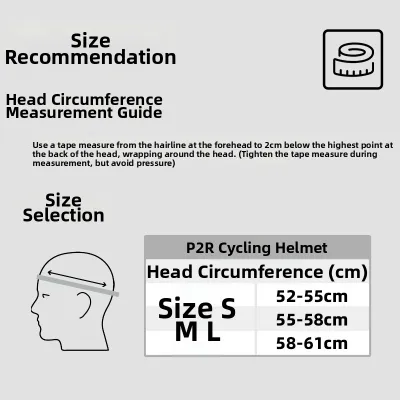
Once you have verified the certifications, you must ensure the helmet fits your head shape perfectly. Start by placing the helmet level on your head, sitting roughly two finger-widths above your eyebrows. Fasten the chin strap and adjust it so that no more than two fingers can fit between the strap and your throat. Shake your head firmly from side to side and front to back; the helmet should remain snug and should not shift or slide across your scalp. If the helmet moves independently of your skin, it is too loose and will not protect you properly in a crash.
For full-face helmets, there are several additional fit checks you must perform to ensure comfort and safety on the trail:
- Cheek Pads: The cheek pads should press firmly but comfortably against your cheeks, similar to the fit of a motorcycle helmet, preventing lateral movement.
- Chin Bar Clearance: Ensure there is at least a finger's width of space between the inside of the chin bar and the tip of your nose or chin when you push on the front of the helmet.
- Breathing and Vision: Verify that the chin bar does not restrict your breathing and that the helmet opening does not block your peripheral vision.
- Goggle Compatibility: Try on the helmet with your riding goggles to ensure they seal tightly against your face without pushing the helmet backward or pinching your nose.
Lastly, always remember that any helmet involved in a significant crash must be replaced immediately, even if there is no visible damage to the outer shell. The internal EPS (expanded polystyrene) foam is designed to crush upon impact to absorb energy, and once crushed, it loses its ability to protect you in subsequent impacts. Additionally, even without crashes, sweat, UV exposure, and general wear will degrade the protective materials over time. Check the manufacturer’s guidelines for the recommended lifespan of your helmet, which typically ranges from three to five years of regular use, to ensure your head protection remains fully reliable.

Community discussion
Share your experience or ask a question. Comments are reviewed before publication.