
Choosing the right boxing headgear for adult sparring is not a simple matter of finding the option with the thickest padding. Instead, the decision hinges on a fundamental trade-off: physical coverage versus situational awareness. While one design physically shields your face from direct contact, the other preserves your field of vision so you can see punches coming and avoid them entirely. Understanding how these structural differences affect your safety, comfort, and defensive habits is essential for any boxer stepping into the ring.
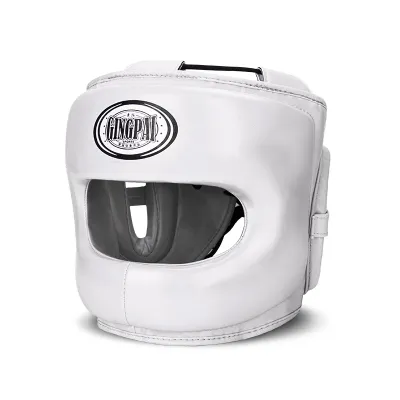
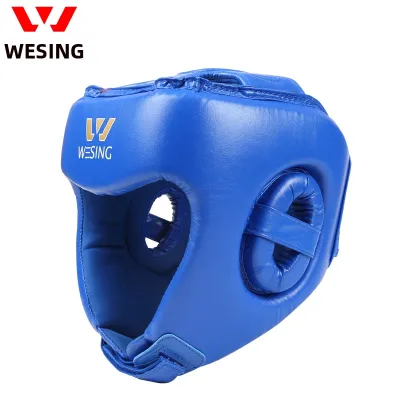
The primary distinction lies in the physical architecture of the gear. Full-face headgear, often referred to as facebar or cheek-protector headgear, features pronounced protective structures such as wide cheek guards or a solid horizontal bar spanning the front of the face. These elements are engineered to absorb and redirect the force of oncoming blows away from delicate facial structures like the nose, eyes, and cheekbones. In contrast, open-face headgear leaves the front of the face completely exposed, utilizing a streamlined design that covers only the forehead, temples, sides of the head, and the ears.
This structural divergence directly dictates how each type protects the wearer. Full-face designs excel at mitigating direct impact, virtually eliminating the risk of superficial facial cuts, bruises, and nasal fractures by creating a physical barrier. However, this physical barrier comes at the cost of weight and visibility. Open-face designs, by omitting these bulky front structures, preserve your full peripheral vision and lower-angle sightlines. This allows you to spot incoming uppercuts or body shots early, facilitating active defensive movements like slipping, ducking, and rolling. Additionally, the open design significantly improves airflow, which is a critical comfort factor during intense training sessions in warm environments.
Products mentioned in this guide
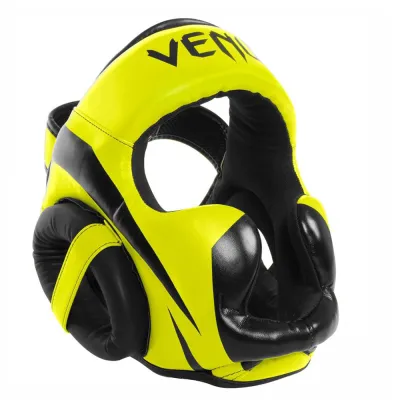
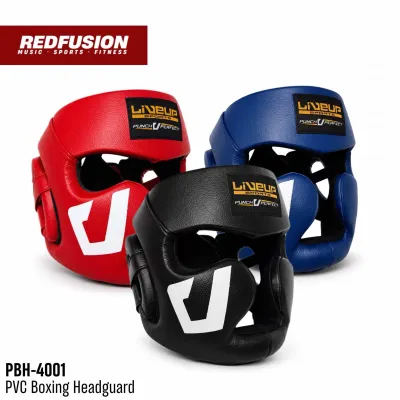
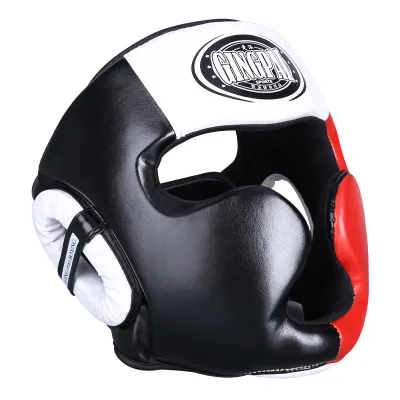
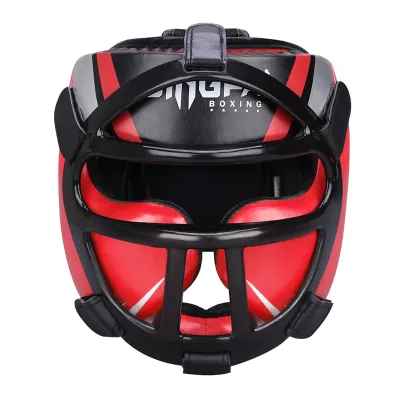
Prices are valid at publication and may change. Please refer to the product page for the latest price.
Full-Face Headgear: When Maximum Coverage Makes Sense
Full-face headgear is the traditional choice for boxers who prioritize maximum facial preservation above all else. This design is highly beneficial during high-intensity sparring sessions where heavy punches are frequently exchanged. For professionals preparing for an upcoming bout, or white-collar sparring partners who must present a clean, unbruised face at their day jobs, the physical barrier of a facebar or thick cheek guards is invaluable. It is also an excellent tool for beginners who are still developing their defensive reflexes; the added coverage builds confidence in the pocket, allowing novice fighters to focus on their form without the immediate fear of a broken nose or a black eye. Furthermore, if you are recovering from a minor facial injury, such as a healing cut or a bruised cheekbone, a full-face model allows you to continue sparring without risking reinjury.
Despite these protective benefits, full-face headgear introduces several physical trade-offs that you must carefully verify before purchasing. The most prominent drawback is the restriction of peripheral vision. The thick cheek pads or the solid nose bar create blind spots, particularly in your lower field of vision, making it much harder to detect incoming body hooks, uppercuts, or low kicks in multi-discipline sparring. The added material also contributes to significant heat retention. In tropical climates or poorly ventilated gyms where humidity is high, this extra coverage can lead to rapid heat buildup, heavy sweating, and premature fatigue. Additionally, the increased bulk and weight of a full-face design can make your head a larger target, slightly slowing down your neck movement and head evasion.
To ensure a full-face helmet provides the intended protection without introducing safety hazards, you must perform several precise fit checks. When trying on the gear, verify that the nose bar or cheek guards do not press uncomfortably against your face when the chin strap is secured. A poorly fitted facebar can be driven back into your nose upon impact, causing the very injury it was designed to prevent. Put on your sparring mouthguard during the fitting process; the jawline of the headgear must not compress your jaw or restrict your breathing. The brow line should sit securely above your eyes without sliding down and blocking your forward vision when you take a simulated impact or move your head rapidly from side to side.
Open-Face Headgear: Prioritizing Awareness and Comfort
Open-face headgear is favored by purists and experienced boxers who rely on speed, agility, and active defense. This style is ideal for technical sparring sessions where the focus is on speed, coordination, and tactical drilling rather than maximum power. Experienced fighters who have mastered head movement, distance management, and footwork often prefer open-face gear because it does not interfere with their natural defensive instincts. By keeping the face clear, this design allows you to utilize your full peripheral vision to read your opponent’s shoulders, hips, and hands, enabling you to react to punches the split second they are thrown.

The lightweight nature of open-face headgear also makes it highly suitable for long, grueling training sessions, particularly in hot and humid environments. Without the heavy padding of a facebar or cheek guards, heat is allowed to escape freely from the face and forehead, reducing the risk of overheating and keeping sweat from constantly dripping into your eyes. The reduced weight minimizes neck strain, allowing you to maintain sharp head movement and fast reflexes deep into your sparring rounds.
However, choosing an open-face design means you must actively manage the inherent vulnerabilities of an exposed face. Your nose, mouth, cheeks, and chin are left completely open to direct impacts. A well-placed jab or hook can easily result in bloody noses, split lips, or facial bruising. Consequently, wearing open-face gear demands a higher level of defensive responsibility; you cannot rely on the equipment to absorb punches for you. Your safety depends entirely on your ability to maintain distance, keep your hands up, and slip punches effectively.
When fitting an open-face headgear, stability is the most critical factor to verify. Because there are fewer contact points on the face, the gear relies heavily on the brow band, temple padding, and chin strap to stay in place. Ensure the chin strap can be fastened securely without choking or restricting your breathing. The brow padding must sit comfortably above your eyebrows, and the ear cups must align perfectly with your ears to prevent painful pinching. Shake your head vigorously in all directions; if the headgear shifts or rotates even slightly, it is too loose. A slipping headgear can block your vision mid-exchange, leaving you completely defenseless against incoming strikes.
Comparing Key Features for Adult Sparring Sessions
To help you weigh these two designs side by side, the following comparison highlights how they perform across the most critical dimensions of adult sparring:
| Feature | Full-Face Headgear | Open-Face Headgear |
|---|---|---|
| Impact Dispersion Areas | Forehead, temples, ears, cheeks, nose, and jaw | Forehead, temples, back of head, and ears |
| Peripheral Vision | Significantly restricted (especially lower angles) | Unobstructed (full field of view) |
| Breathability & Cooling | Low (high heat retention and sweat buildup) | High (excellent airflow and heat dissipation) |
| Weight and Bulk | Heavier, bulkier profile; larger target area | Lightweight, low-profile; natural head movement |
| Ideal User Profile | Beginners, heavy sparring, or injury recovery | Advanced boxers, technical sparring, hot climates |
While the physical shape of the headgear determines its coverage, the actual shock absorption capability depends heavily on internal material specifications. Do not assume that a bulkier helmet automatically absorbs more force. When evaluating options, check the product label or manufacturer specifications for high-density, multi-layered foam systems. Many high-quality models utilize a combination of closed-cell EVA foam for structural impact resistance and open-cell foam for comfort and fit. Some premium designs incorporate gel-infused layers to further disperse kinetic energy.
Additionally, pay close attention to the closure systems and lining materials. A secure rear hook-and-loop closure or a traditional lace-up top adjustment allows you to customize the fit to your specific skull shape. For training in humid conditions, look for moisture-wicking inner linings, such as brushed suede or specialized synthetic fabrics. These materials prevent the headgear from sliding around on your face when you sweat, ensuring that the protective padding remains exactly where it needs to be during a chaotic exchange.
Decision Framework: Which Design Fits Your Sparring Routine?
To finalize your choice, evaluate your current training goals, skill level, and physical environment against a clear decision framework. You should opt for full-face headgear if your primary objective is to minimize cosmetic damage and direct facial trauma. This is the correct choice if you engage in hard, competitive sparring sessions where heavy contact is expected, or if you are a beginner still learning to keep your hands up. It is also the necessary option if you are recovering from a recent facial injury and need to protect sensitive areas like your nose or orbital bones from recurring impacts.
Conversely, you should choose open-face headgear if your training prioritizes technical development, speed, and defensive head movement. This design is highly recommended if you train in a high-temperature, high-humidity environment where heat exhaustion is a real concern. It is also the preferred choice for experienced martial artists who rely on their peripheral vision to execute precise counters and slips, and who do not mind the occasional minor bruise or scrape in exchange for maximum mobility and comfort.
Before making a final purchase, verify if your training path involves transitioning between different sparring styles or preparing for amateur competitions. Some amateur boxing associations and local tournament organizers mandate specific headgear designs—often requiring open-face or specific cheek-guard models certified by governing bodies—while strictly banning facebars. If you plan to compete, purchasing a model that complies with these official regulations will save you from having to buy a second set of gear later.
As a final, non-negotiable check, always try on your chosen headgear while wearing the exact mouthguard you use for sparring. The interaction between your mouthguard, jaw alignment, and the headgear’s chin strap or cheek guards can drastically alter the fit. Ensure that when your mouthguard is in and your jaw is clenched, the headgear does not pinch your temples, pull uncomfortably on your chin, or restrict your ability to breathe deeply through your nose and mouth.
Frequently Asked Questions (FAQ)
Do amateur boxing competitions in the Philippines require full-face headgear?
Amateur boxing competitions, including those sanctioned by local athletic associations in the Philippines, generally do not allow full-face headgear with nose bars. Most amateur governing bodies follow international standards set by organizations like World Boxing or IBA, which mandate open-face headgear or specific models with moderate cheek guards to ensure judges can clearly see the fighters’ faces and to encourage active defense. Because safety regulations and equipment mandates are subject to change, you should always consult the current official rulebook of your specific sanctioning body or contact the local tournament organizers before investing in competition-grade gear.
How should I clean and dry my headgear to prevent odor and degradation?
To maintain the integrity of the protective foam and prevent unpleasant odors, you must clean your headgear immediately after every sparring session. Wipe down both the interior and exterior surfaces with a clean, damp cloth and a mild, non-abrasive soap to remove sweat, oils, and bacteria. Avoid using harsh chemical detergents, alcohol-based sprays, or submerging the gear in water, as these can rapidly degrade the synthetic or genuine leather outer shell and break down the internal shock-absorbing foam. Always allow the headgear to air dry completely in a well-ventilated, shaded indoor area; never expose it to direct sunlight or use artificial heat sources like hair dryers, as extreme heat will warp the protective structure and ruin the materials.

Community discussion
Share your experience or ask a question. Comments are reviewed before publication.