
Finding the right yoga mat in the Philippines requires balancing performance, durability, and cost, especially given the tropical climate and high humidity. When comparing a rising brand like Fuyogi against established global giants and budget-friendly local options, the decision comes down to three primary criteria: material quality, thickness, and overall value. Rather than declaring a single universal winner, this guide provides a practical framework to help you evaluate these options. By verifying product specifications, understanding material behaviors under humid conditions, and matching the mat to your specific practice, you can make an informed choice that supports your fitness journey.
Understanding the Contenders: Fuyogi vs. Established and Local Brands
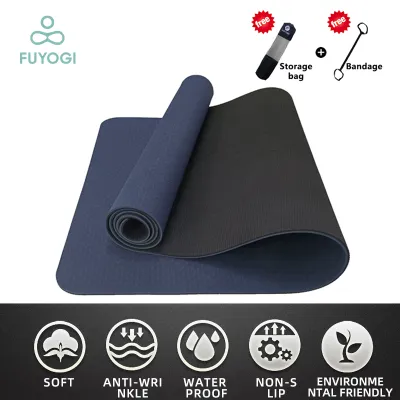
To navigate the diverse yoga mat market, it helps to categorize the available options into three distinct tiers. Fuyogi generally positions itself as an accessible, mid-range brand that aims to bridge the gap between high-end professional gear and entry-level utility mats. Their product lineup typically features modern materials like Thermoplastic Elastomer (TPE) and Polyurethane (PU), which appeal to everyday practitioners looking for a balance of grip and cushioning without a premium price tag.
On the other end of the spectrum are established global brands, such as Manduka or Gaiam, which have built decades of reputation around specialized materials, including high-density Polyvinyl Chloride (PVC) and sustainably sourced natural rubber. These brands are often favored by dedicated yogis and instructors who require extreme durability for daily, high-intensity use.
Products mentioned in this guide
Prices are valid at publication and may change. Please refer to the product page for the latest price.
Finally, the market is filled with local or generic options widely available on e-commerce platforms in the Philippines. These mats are usually highly affordable, often constructed from basic PVC or Nitrile Butadiene Rubber (NBR). While they offer an easy entry point for beginners or casual stretchers, they may lack the structural integrity and specialized grip required for more dynamic or sweaty practices.
Comparing Material Quality and Durability
The material of your yoga mat directly dictates its lifespan, grip, and environmental footprint. The most common materials you will encounter are PVC, TPE, and natural rubber, each possessing distinct structural characteristics. PVC is highly durable and resistant to flaking, but basic versions can feel slick when wet and are not biodegradable. TPE is a lightweight, synthetic alternative that offers excellent dry grip and is often recyclable, though it can degrade faster when exposed to direct sunlight or extreme heat. Natural rubber provides unmatched open-cell grip and a heavy, grounded feel, but it requires more meticulous care and can trigger latex allergies.

When shopping online or in physical stores, it is crucial to verify manufacturer labels and product descriptions rather than relying solely on marketing buzzwords. Look for explicit material disclosures on the packaging or official product listings. If a brand claims to use eco-friendly materials, check for recognized certifications or detailed material breakdowns. Be cautious of vague descriptions like “foam mat” or “synthetic blend,” which often mask lower-grade plastics that may wear out quickly.
In the tropical climate of the Philippines, high humidity and sweat can accelerate material breakdown. To monitor your mat’s condition over time, watch for observable signs of wear such as flaking, surface peeling, or a permanent loss of traction. If you notice the mat stretching out of shape during downward dogs or leaving small particles on your floor, the material has begun to degrade, indicating it is time to inspect the core structure or consider a replacement.
Evaluating Thickness, Cushioning, and Stability
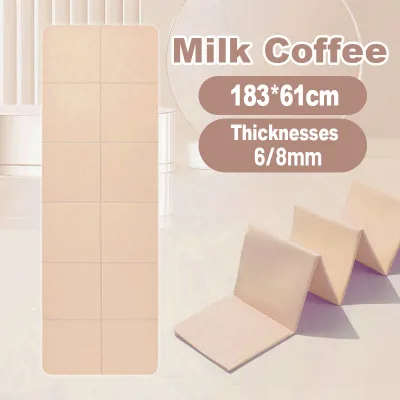
Yoga mat thickness typically ranges from ultra-thin travel mats of 1.5mm to extra-thick fitness mats of 8mm or more, with the standard sweet spot lying between 4mm and 6mm. Thin mats are highly portable and keep you close to the floor, which is excellent for standing balance poses. Standard mats provide a balanced middle ground, while thicker mats offer substantial cushioning for sensitive joints, knees, and spine during floor-based exercises.
However, there is an inherent trade-off between maximum joint cushioning and standing balance stability. A mat that is too thick or made of low-density foam can compress too easily under your weight, making it difficult to maintain stability in standing postures like tree pose or warrior sequences. Conversely, a mat that is too thin may cause discomfort during prolonged kneeling poses. Your choice should align with your primary practice style; dynamic vinyasa flows benefit from a stable, medium-density mat, while restorative yoga or Pilates may call for thicker cushioning.
To ensure you get what you pay for, verify the actual mat thickness and density upon delivery using simple manual checks. You can measure the edge with a standard ruler to confirm it matches the advertised specifications. Additionally, perform a quick compression test: press your thumb firmly into the mat. A high-quality, dense mat will resist deep compression and spring back to its original shape almost instantly, whereas a low-density mat will sink easily and leave a temporary indentation, signaling less support during active use.
Assessing Price and Overall Value
Evaluating the true value of a yoga mat requires looking beyond the brand name and analyzing the cost relative to the verified specifications. A premium price tag does not automatically guarantee suitability for your specific routine, nor does a low price mean a mat is a bargain if it needs replacement within a few months. Consider the cost-per-use: a durable mat priced at ₱3,000 that lasts for years of regular practice often provides better long-term value than a ₱400 budget mat that loses its grip and cushioning within a few weeks.
To find the most accurate pricing and avoid inflated retail markups, always verify current costs and availability on official brand websites or authorized online marketplaces. Prices can fluctuate based on shipping fees, local import duties, and seasonal promotions. Comparing authorized listings also helps you establish a realistic price baseline for the specific material and thickness you want.
When shopping online, be vigilant against red flags for counterfeit products or misleading material claims. Extremely low prices for supposedly premium materials—such as a “natural rubber” mat sold for a fraction of the typical market rate—are a common warning sign of counterfeit goods or mislabeled PVC. Always read customer reviews, check the seller’s rating, and look for detailed product photos to ensure the texture and branding match the official manufacturer’s specifications.
How to Choose the Right Mat for Your Practice
Selecting the ideal yoga mat involves matching your personal practice habits, budget, and physical needs to the right brand category.
Choose Fuyogi if you are looking for a balanced, mid-range option that offers modern materials like TPE or PU at a reasonable price point. This category is highly suitable for regular home practitioners, intermediate students, and those who want a reliable grip and decent cushioning without investing in premium global brands. It represents a practical step up from basic starter mats.
Choose established global brands if you are a dedicated practitioner, yoga teacher, or someone who practices daily in demanding environments. These brands are the right choice if you require specialized, high-density materials, proven long-term durability, or if you have specific preferences for sustainably harvested natural rubber mats that can withstand heavy, continuous wear.
Choose local or generic options if you are a complete beginner testing the waters, an occasional practitioner, or working with a very tight budget. These mats are perfectly adequate for gentle stretching, restorative sessions, or light home workouts where high-performance grip and advanced joint protection are not primary requirements.
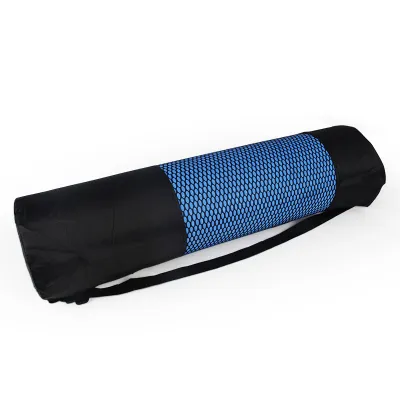
Verify first if you have any specific material sensitivities, such as a latex allergy, which would make natural rubber mats unsuitable. Additionally, if you practice in high-humidity settings or sweat heavily, verify the mat’s wet-grip capabilities and ensure you have a proper carrying method, such as a breathable strap or bag, to prevent moisture buildup during transport.
Frequently Asked Questions (FAQ)
How do I clean and maintain a TPE or natural rubber yoga mat?
To prolong the lifespan of your mat, wipe it down with a soft, damp cloth after each practice and allow it to air-dry completely in a shaded, well-ventilated area before rolling it up. Avoid exposing the mat to direct tropical sunlight, as UV rays can rapidly degrade both TPE and natural rubber. Always check the manufacturer’s specific care instructions before applying any DIY cleaning solutions or commercial sprays, as some materials can be damaged by essential oils or harsh detergents. If you notice persistent chemical odors, surface peeling, or if the material begins to crumble, stop using the mat immediately and consult the manufacturer for guidance.

Community discussion
Share your experience or ask a question. Comments are reviewed before publication.