
Deciding on the right hand protection is a critical step when setting up a home boxing corner. While both gel handwraps and traditional cotton wraps shield your hands from impact, they serve different training styles, experience levels, and maintenance preferences. If you prioritize rapid setup for quick workouts between daily tasks, gel wraps offer unmatched convenience. However, if your routine involves heavy bag work that demands rigid wrist stabilization, traditional cotton wraps remain the standard choice. Balancing these factors ensures you protect your hands while maintaining a consistent home training habit.
Understanding the Core Differences in Design and Material
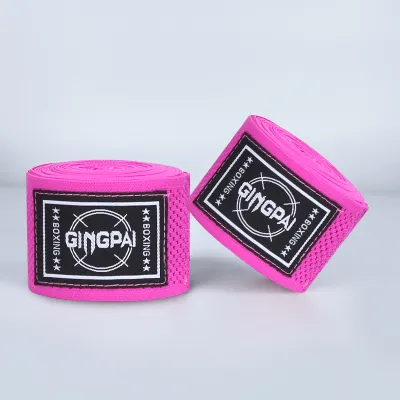
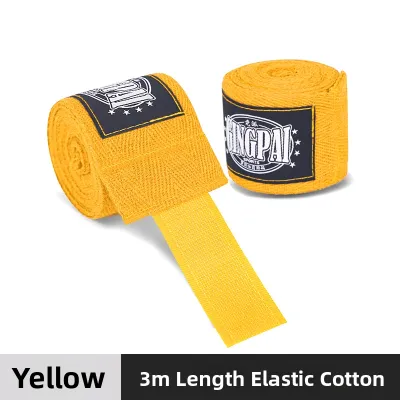
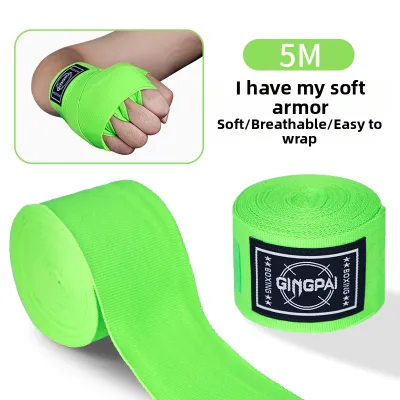
Traditional cotton wraps consist of a long, continuous strip of fabric—usually a blend of cotton and elastic fibers like spandex—that you manually wind around your wrist, palm, thumb, and knuckles. This design relies on layered fabric tension to create a custom-molded shield. In contrast, gel handwraps, often designed as slip-on inner gloves, feature a pre-fabricated glove structure with a thick layer of polymer gel stitched directly over the knuckle area.
These structural differences directly impact breathability and moisture management. Cotton-blend fabrics naturally absorb sweat and allow air to circulate through the woven layers, which is highly beneficial in warm, humid environments. Gel wraps, while convenient, utilize synthetic neoprene or polyester sleeves that tend to trap heat and moisture against the skin.
Products mentioned in this guide
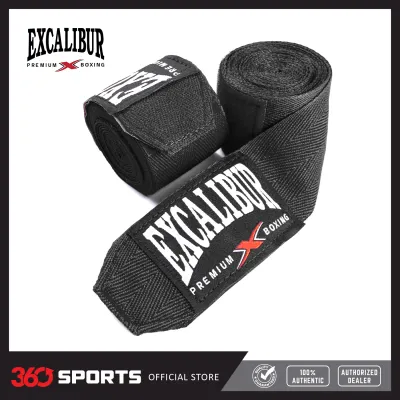
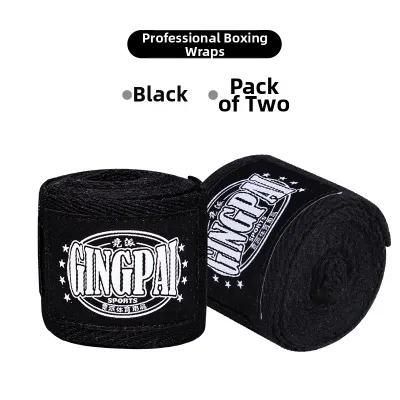
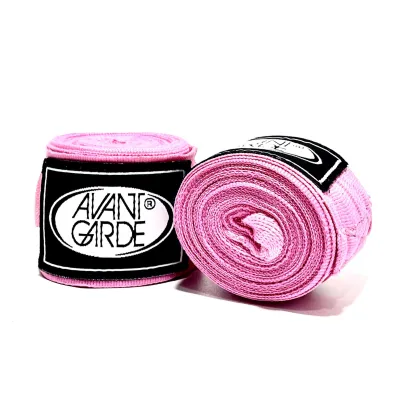
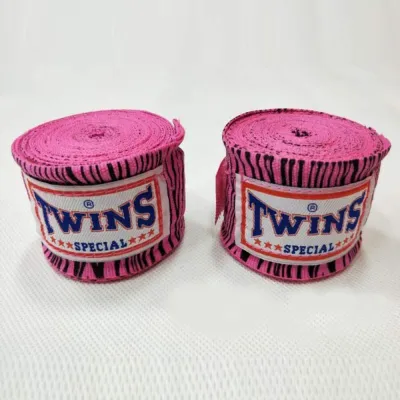
Prices are valid at publication and may change. Please refer to the product page for the latest price.
Additionally, the localized thickness of the gel padding significantly increases the volume around your knuckles. This added bulk can make sliding your hands into standard-sized boxing gloves a tight squeeze. Cotton wraps allow you to control the bulk by adjusting the number of wraps around each area, ensuring a more balanced fit inside your gloves.
Protection and Wrist Support for Home Training
Protecting the delicate bones of the hand requires a balance of impact absorption and joint alignment. Gel wraps excel at localized shock absorption directly over the knuckles. The gel insert acts as a cushion, dampening the immediate sting of impact against a target. However, this localized cushioning does not translate to structural joint support.

Traditional cotton wraps do not just cushion the knuckles; they bind the metacarpal bones together, preventing them from spreading or shifting upon impact, while anchoring the entire hand structure to the wrist. This structural binding is crucial for preventing common training injuries like sprains or fractures.
Wrist stabilization is where the two designs diverge most significantly. Traditional wraps allow you to customize the tension and the number of revolutions around the wrist joint, creating a rigid, splint-like support that prevents hyperextension. Gel wraps typically feature a much shorter, integrated elastic strap that wraps around the wrist only once or twice, offering minimal resistance against bending forces.
When training at home, you must assess your equipment. A dense, heavy bag filled with sand or compressed rags requires the robust, customizable wrist support of cotton wraps. A lighter speed bag or soft foam target may be perfectly safe to use with the lighter support of gel wraps. If you have a history of wrist instability, relying solely on gel wraps without proper alignment can increase your risk of strain.
Convenience, Fit, and Application Speed
For many home fitness enthusiasts, the friction of preparing for a workout determines whether the session happens at all. Gel wraps shine in terms of application speed, slipping onto the hand in seconds. This makes them highly appealing for quick, thirty-minute training sessions squeezed into a busy schedule.
There is no need to memorize complex wrapping patterns or deal with tangled fabric before you can start sweating. This ease of use lowers the barrier to entry for beginners who might feel intimidated by the technicality of traditional wrapping methods.
Traditional cotton wraps require a deliberate time investment and a distinct learning curve. Wrapping your hands correctly takes practice; applying too much tension can restrict blood circulation and cause hand cramping, while wrapping too loosely causes the fabric to bunch up and slip inside your gloves.
Furthermore, because gel wraps are pre-formed, their fit is highly dependent on standard sizing charts. If you have exceptionally wide palms, short fingers, or prominent knuckles, a pre-sized gel wrap may pinch, rub, or fail to align the gel padding with your actual impact zone. Cotton wraps, by contrast, offer universal adaptability, conforming perfectly to any hand shape or size because you control every fold and turn of the fabric.
Durability, Hygiene, and Maintenance
Maintaining boxing gear in a tropical climate requires constant vigilance against humidity and sweat buildup. Traditional cotton wraps are highly durable and straightforward to clean. You can toss them into a standard washing machine, though using a mesh laundry bag is essential to prevent them from tangling into a giant knot or wrapping around the washing machine agitator.
Because they are thin fabric, they dry relatively quickly when hung in a well-ventilated space. This quick-drying nature is a major advantage in preventing the growth of odor-causing bacteria.
Gel wraps demand more delicate care. The polymer gel inserts can degrade, crack, or shift out of place if subjected to the high heat of a dryer or the aggressive spinning of a washing machine. Consequently, manufacturers often recommend hand-washing gel wraps in cold water with mild soap and letting them air-dry.
In high-humidity environments, the thick neoprene and gel layers can take a long time to dry completely. If put away damp, they quickly become a breeding ground for bacteria and sour odors. Over time, you must inspect both types for signs of wear: look for fraying edges and weakening Velcro on cotton wraps, and check for cracking gel or tearing seams on slip-on wraps.
Cost and Value Comparison
When budgeting for your home boxing setup, analyzing the cost-to-value ratio of your protective gear is essential. Traditional cotton wraps are highly economical, typically priced between ₱200 and ₱600 per pair. This low entry price makes it affordable to purchase three or four pairs.
Having a rotation of wraps ensures you always have a clean, dry pair ready for your next session, which extends the lifespan of each wrap and keeps your boxing gloves smelling fresher. It also reduces the frequency of laundry days.
Gel wraps represent a higher upfront investment, often ranging from ₱800 to over ₱1,500 for a single pair. While this higher cost is offset by the convenience and speed they offer, relying on a single pair of gel wraps for daily training can lead to rapid wear, especially if they do not have enough time to dry fully between sessions.
When evaluating options in the market, look past the price tag and inspect the material grade. High-quality cotton wraps feature a herringbone weave that resists stretching, while durable gel wraps should have reinforced stitching around the finger loops and robust wrist straps.
Decision Framework: Which Handwrap Fits Your Home Routine?
To finalize your choice, evaluate how your training habits, physical needs, and home setup align with each wrap type.
Choose gel wraps if:
- Your home workouts consist of quick, low-impact sessions, shadowboxing, or light pad work.
- You prioritize convenience and want to transition from work to working out in under a minute.
- You struggle with hand dexterity or find the process of wrapping traditional cotton wraps frustrating.
Choose traditional cotton wraps if:
- You regularly train on a heavy, dense punching bag that requires maximum wrist stabilization.
- You want a highly customized fit that conforms to your specific hand shape and knuckle structure.
- You train multiple times a week and need an affordable way to rotate clean wraps.
Before making your final decision, verify the fit of your current boxing gloves. If your gloves are highly snug or compact, the added bulk of gel wraps may make them impossible to wear comfortably. If you have pre-existing wrist injuries or joint pain, prioritize the structured support of traditional cotton wraps, and always consult a qualified coach or physical therapist to ensure your hands are adequately protected.
Frequently Asked Questions (FAQ)
Can I use gel handwraps for heavy bag training at home?
Yes, but with caution. While gel wraps provide excellent shock absorption for your knuckles, they do not offer the same level of wrist stabilization as traditional cotton wraps. If you are hitting a heavy bag, verify that your boxing gloves are heavy enough (typically 14 to 16 ounces) to provide built-in wrist support, and ensure your punching technique is solid to avoid wrist strain.
Do I need to wear handwraps under my gloves for shadowboxing?
For shadowboxing, which involves throwing punches in the air without hitting a physical target, handwraps are generally optional because there is no impact force to absorb. However, wearing wraps during shadowboxing can still be beneficial. They help absorb sweat, keeping the inside of your gloves clean, and they help maintain a snug glove fit if your gloves are slightly loose.

Community discussion
Share your experience or ask a question. Comments are reviewed before publication.