
Choosing between half-finger and full-finger boxing gloves is not a matter of personal style; it is a decision dictated entirely by your training discipline, safety requirements, and the specific drills you perform. Selecting the wrong type can lead to hand injuries, poor technique, or being turned away from specific gym sessions. Understanding how each design functions ensures you protect your hands while maximizing your performance in the gym.
Full-finger gloves are the standard for traditional boxing, heavy bag work, and sparring due to their maximum knuckle protection and rigid wrist support. They are designed to absorb high-impact forces and protect both your hands and your training partners. Half-finger gloves, often associated with mixed martial arts (MMA) or grappling, are built for versatility, allowing you to transition seamlessly between striking and grabbing during ground work or clinch drills. The right choice depends entirely on the specific combat sport and drill requirements of your training regimen.
Core Differences in Design and Protection
The structural differences between these two glove types stem from a fundamental trade-off between impact absorption and hand mobility. Full-finger boxing gloves feature a thick, continuous block of foam or gel padding that wraps entirely over the fist, shielding the knuckles, fingers, and thumb from heavy collisions. This design forces the hand into a natural fist shape, minimizing the strain on your fingers when making contact with a target.
Products mentioned in this guide
Prices are valid at publication and may change. Please refer to the product page for the latest price.
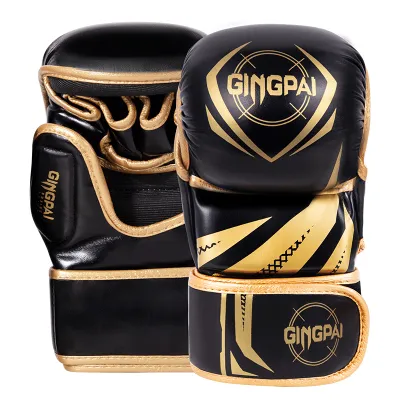
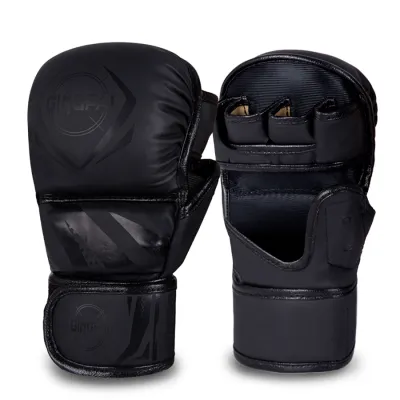
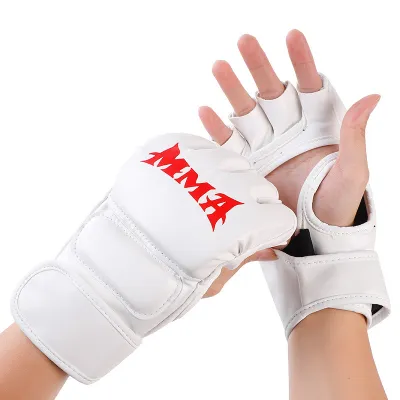
In contrast, half-finger gloves leave the fingers exposed from the second joint onward and utilize much thinner padding concentrated strictly over the main knuckles. The palm is typically left open or covered with a thin layer of material, allowing the fingers to bend, flex, and grip freely. This open-palm design is essential for grappling but offers significantly less cushioning against direct impacts.
Wrist support also differs dramatically between the two styles. Full-finger gloves feature wide, rigid cuffs that extend several inches up the forearm, locking the wrist in place to prevent bending or hyperextension during heavy punches. Half-finger gloves prioritize wrist flexibility, featuring shorter, more flexible straps that allow the joint to rotate and bend. This flexibility is crucial for wrestling and clinching but leaves the wrist more vulnerable to injury if a punch lands incorrectly.
Training Scenarios for Half-Finger Gloves
Half-finger gloves are the standard choice for mixed martial arts training, Muay Thai clinch work, and grappling-heavy combat styles. In these disciplines, the ability to use your fingers is mandatory for executing techniques that go beyond simple punching. Exposed fingers allow you to catch kicks, execute submissions, grip your opponent’s clothing or limbs, and control their movement on the ground.

During multi-discipline training sessions, you might transition from stand-up striking to wrestling drills without changing gear. Half-finger gloves facilitate this transition, allowing you to maintain a realistic grip during takedowns and ground-and-pound practice. They are also highly effective for light speed-bag work or focus mitt drills that incorporate defensive grabbing and catching.
However, these gloves have strict limitations that you must respect to avoid injury. You should never use standard half-finger gloves for heavy bag pounding or full-contact sparring. The thin padding is insufficient to absorb the repeated, high-velocity impacts of a dense heavy bag, which can quickly lead to skin tears, bruised knuckles, or finger fractures. Furthermore, the exposed fingers pose a significant risk of eye pokes and scratches during full-contact sparring.
Training Scenarios for Full-Finger Gloves
Traditional full-finger gloves are mandatory for heavy bag sessions, focus mitt training, and technical sparring. When you are striking a dense, heavy bag, your hands absorb hundreds of pounds of force with every impact. The thick, multi-layered padding of a full-finger glove is designed specifically to disperse this energy, protecting the delicate bones of your hands from stress fractures and joint damage.
In sparring, the enclosed design and thick padding protect both you and your training partner. The soft, rounded surface of a full-finger glove cushions the impact on your partner’s face and body, reducing the risk of cuts, bruises, and concussions. Most reputable combat sports gyms enforce strict rules regarding glove size and type for sparring, often requiring full-finger gloves of a specific weight to ensure safety.
When selecting full-finger gloves, it is essential to check the weight categories based on your specific drill, gym rules, and body weight. Sparring typically requires heavier gloves, such as 14-ounce or 16-ounce models, to provide maximum cushioning. Lighter gloves, such as 10-ounce or 12-ounce models, are often preferred for bag work and pad drills where speed and technique are the primary focus.
Essential Specs to Verify Before Purchasing
Before purchasing your next pair of gloves, you should evaluate several physical and structural features to ensure they meet your training needs. The closure system is a critical factor; lace-up gloves offer a highly secure, custom fit and greater wrist stabilization, but they require another person to tie them. Hook-and-loop (Velcro) closures are highly convenient, allowing you to put on and adjust your gloves independently, making them the practical choice for solo training sessions.
Material and breathability are equally important, especially when training in hot and humid tropical climates like the Philippines. Genuine leather gloves offer exceptional durability and stretch over time to fit your hand, but they require regular maintenance to prevent moisture damage. Synthetic leather options are cost-effective, easy to clean, and highly resistant to sweat. Look for gloves with built-in ventilation features, such as mesh palms or perforation holes, to manage sweat and prevent unpleasant odors.
You should also verify the padding type used in the gloves. Look for multi-layer foam or gel inserts, and check the manufacturer’s stated impact dispersion properties to ensure they align with your training intensity. High-density foam is excellent for heavy bag work, while softer, multi-layered foam is better suited for sparring.
Finally, pay close attention to the thumb attachment. For full-finger gloves, verify that the thumb is fully attached and aligned with the fist. An unattached or poorly aligned thumb can easily catch on an opponent’s gear or bend backward upon impact, leading to painful sprains or dislocations. In half-finger gloves, ensure the thumb sleeve offers adequate coverage and does not pinch your skin when you close your hand.
Decision Framework: Which Glove Should You Buy?
To finalize your decision, evaluate your primary training activities against this practical framework. Choose half-finger gloves if your routine consists primarily of MMA, grappling, clinching, or multi-discipline drills that require open-hand catches and submissions. These gloves provide the necessary dexterity to perform complex ground techniques while offering basic knuckle protection.
Choose full-finger gloves if your focus is traditional boxing, heavy bag striking, pad work, or sparring. The enhanced impact protection and wrist stabilization are non-negotiable for high-volume striking, ensuring you can train consistently without risking hand injuries.
If you are cross-training in multiple disciplines, verify your gym’s requirements first. You will likely need to invest in both types of gloves to participate safely in different classes. Alternatively, you might consider a specialized hybrid glove that features the open-palm design of a half-finger glove but incorporates thicker, rounded knuckle padding, subject to your coach’s approval.
If your primary goal is general fitness cardio boxing, neither specialized option may be necessary. Standard full-finger bag gloves or lightweight fitness gloves designed specifically for cardio classes are often the most appropriate and comfortable choice for non-contact workouts.
Frequently Asked Questions (FAQ)
Can I use half-finger gloves for heavy bag training?
It is strongly advised not to use standard half-finger MMA gloves for heavy bag work. The thin padding and lack of rigid wrist support in these gloves cannot adequately absorb the high-impact forces of striking a dense heavy bag, significantly increasing your risk of finger, knuckle, and wrist fractures. If you prefer the feel of open fingers, look for specialized hybrid bag gloves that feature open palms but incorporate thick, heavy-duty knuckle padding, and always verify the manufacturer’s intended use label before training.
Do I need hand wraps for both types of gloves?
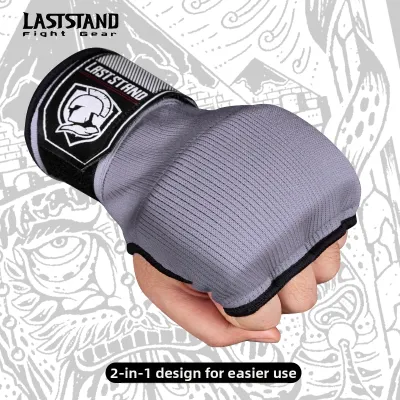
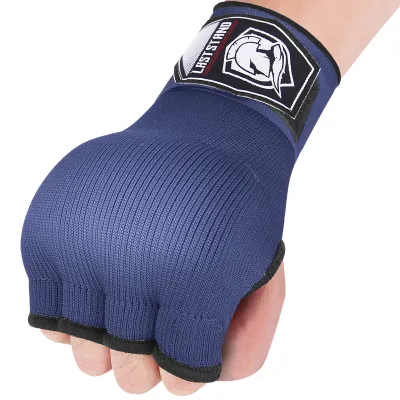
Yes, hand wraps are highly recommended for both glove types, but the style of wrap you use will differ. For full-finger gloves, traditional long hand wraps are essential to stabilize the wrist bones and secure the knuckles inside the spacious hand compartment. For half-finger gloves, traditional long wraps can bulk up the palm and restrict finger movement, interfering with your ability to grapple. Instead, look for specialized short wraps, fingerless inner gloves, or gel wraps designed specifically to fit under MMA gloves without compromising your grip.

Community discussion
Share your experience or ask a question. Comments are reviewed before publication.