
The choice between a hard case and a soft pouch for your swimming goggles depends on how you travel to the pool and how much gear you pack. If you toss your goggles into a crowded duffel bag alongside heavy water bottles, slippers, and training fins, a hard case is essential to prevent crushed frames and scratched lenses. Conversely, if you carry a dedicated swim backpack with separate compartments or prioritize a lightweight, space-saving setup for quick trips, a flexible soft pouch offers sufficient scratch protection with far less bulk. In hot and humid climates like the Philippines, where moisture buildup can rapidly ruin anti-fog coatings and encourage mold growth, your choice of storage also dictates how well your gear breathes between swim sessions.
Hard vs. Soft: Comparing Protection and Portability
Understanding the structural differences between these two storage options is the first step in protecting your swim gear. Hard cases typically feature rigid molded plastics, ethylene-vinyl acetate (EVA) foam shells, or reinforced synthetic plates. These materials are engineered to maintain their shape under external load, acting as a protective shield. Soft pouches, on the other hand, utilize flexible textiles such as neoprene, silicone, microfiber, or polyester mesh, which conform to the shape of the goggles rather than resisting external forces.
Crush protection is where the two designs diverge most significantly. A rigid EVA or plastic shell acts as an external skeleton, absorbing impact and resisting compression when buried at the bottom of a heavy sports bag or accidentally stepped on in a crowded locker room. Soft pouches offer virtually zero crush resistance; they are designed to shield against surface contact, dust, and minor abrasions rather than structural compression.
Products mentioned in this guide
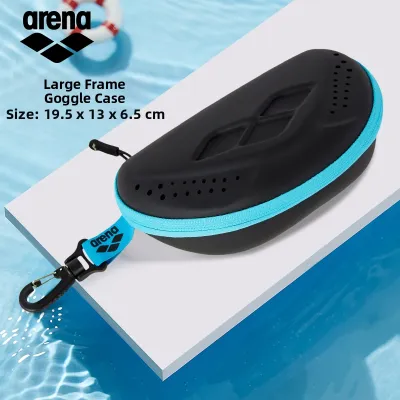

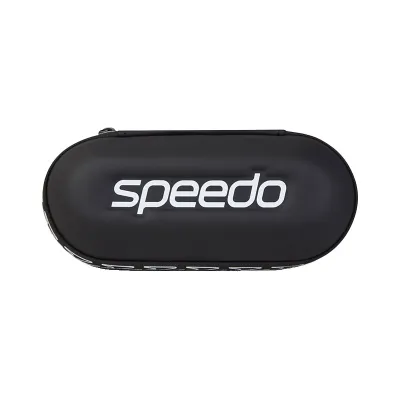
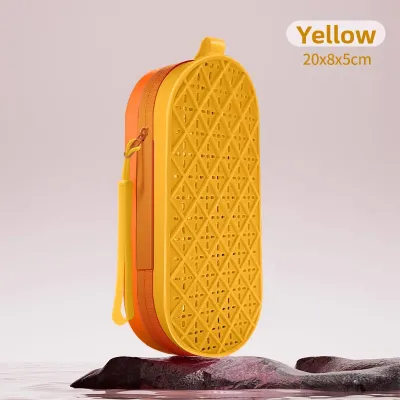
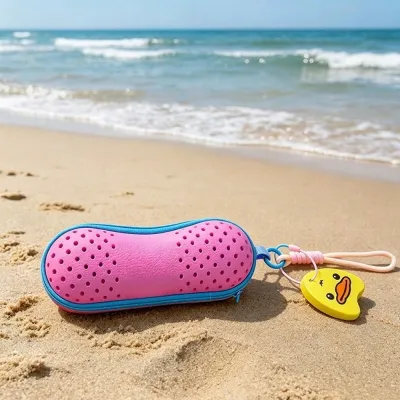

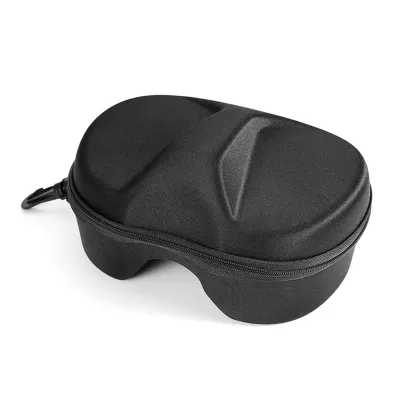

Prices are valid at publication and may change. Please refer to the product page for the latest price.
Weight and bulk are the primary trade-offs when opting for maximum protection. Hard cases occupy a fixed volume in your bag, regardless of whether they are empty or full, which can be a drawback if you use a small dry bag or a compact drawstring sack. Soft pouches conform to the shape of their contents and can be folded or rolled flat when your goggles are on your face, making them highly portable and easy to slip into a pocket.
Integrating these storage solutions into your daily routine requires looking at your overall gear setup. A bulky hard case might require a dedicated outer pocket or a larger main compartment in your backpack, which can limit space for other essentials. A soft pouch can squeeze into tight gaps between your towel and kickboard, though this convenience comes with the risk of exposing the goggles to bending forces if the bag is packed too tightly.
When a Hard Case Is the Better Choice
Commuting via public transport, traveling long distances, or packing for multi-sport training sessions usually demands the robust protection of a hard case. When your swim bag is squeezed into a jeepney, a bus compartment, or a gym locker, the risk of structural damage rises significantly. Heavy items like water bottles, weight belts, or running shoes can easily warp flexible goggle frames if they shift during transit, leading to permanent leaks.

Certain goggle designs require rigid protection to maintain their structural integrity. Racing goggles with delicate, low-profile gaskets, rigid nose bridges, or extended outer temples are highly susceptible to misalignment if subjected to lateral pressure. Similarly, oversized mask-style goggles or those with wide, soft silicone seals can lose their shape or develop permanent creases if compressed for long periods, rendering them unusable.
When selecting a hard case, inspect the interior lining to ensure it offers adequate protection for delicate lens coatings. Look for soft brushed fabric or microfiber laminates that cushion the lenses against vibrations and prevent micro-scratches during travel. Crucially, check for drainage grommets or ventilation slots; in warm, humid environments, sealing wet goggles inside an airtight plastic box creates a greenhouse effect that degrades anti-fog coatings and fosters bacterial growth.
When a Soft Pouch Fits Your Routine
A soft pouch is highly effective for swimmers who follow a streamlined, low-impact routine. If you walk to a local community pool, use a dedicated swim backpack with a fleece-lined goggle pocket, or carry your gear in a light tote bag, a soft pouch provides the necessary barrier against minor scuffs. It is also an excellent option for open-water swimmers who transition quickly from the water to dry land and want to pack light without carrying extra bulk.
It is vital to recognize the boundaries of flexible materials to avoid damaging your gear. A soft pouch will not protect your goggles if you drop your bag on a concrete pool deck or if a heavy training buoy presses against the lenses. If you choose a soft pouch, you must commit to packing your bag strategically, ensuring the goggles are always placed at the very top or in a separate, uncompressed compartment.
Not all soft pouches are created equal, so material checks are essential before making a choice. Avoid cheap, unlined synthetic bags that have rough interior seams, as these can scratch delicate mirror coatings. Look for pouches made of high-quality microfiber, which doubles as a cleaning cloth, or thick neoprene that offers a small amount of impact cushioning. Ensure the closure mechanism—whether a drawstring, zipper, or fold-over flap—is secure enough to prevent the goggles from sliding out.
How to Decide and What to Verify Before Buying
To make your final choice, evaluate your typical transit conditions and packing habits. Choose a hard case if you travel with a packed multi-purpose bag, own expensive mirrored or prescription goggles, or need a durable storage solution that can withstand rough handling on concrete pool decks. Choose a soft pouch if you prioritize a lightweight setup, have a dedicated protective pocket in your swim bag, or want a compact sleeve that can be tucked away easily when not in use.
Do not rely on generic “one-size-fits-all” product descriptions when shopping for a swimming goggles case. Before purchasing, measure the maximum width, height, and depth of your goggles, paying close attention to the curvature of the frame and the thickness of the strap buckle. Compare these measurements against the internal dimensions specified by the manufacturer to ensure a snug fit that prevents movement without compressing the gaskets.
Examine the build quality of the closures and hardware to ensure long-term durability. For hard cases, look for heavy-duty, corrosion-resistant zippers or secure snap-lock latches that will not pop open when dropped. Since swim gear frequently comes into contact with chlorinated water and salty air, metal zipper pulls should ideally be plastic-coated or made of rust-proof materials. For soft pouches, verify that drawstrings have secure plastic toggles and that any hook-and-loop fasteners are positioned away from the interior to avoid snagging the delicate silicone straps of your goggles.
Frequently Asked Questions (FAQ)
Can I store wet swimming goggles in a hard case?
Storing wet goggles in a sealed hard case is not recommended as it traps moisture, which can ruin the anti-fog coating and lead to mold. If you must use a hard case immediately after swimming, ensure it has built-in ventilation holes to allow air circulation. As soon as you return home, open the case, rinse your goggles with fresh water if recommended by the manufacturer, and let both the goggles and the case air-dry completely in a shaded, well-ventilated area away from direct sunlight.
Do soft pouches protect against lens scratching?
Yes, soft pouches can protect against scratches, but only if they are made from non-abrasive materials like microfiber or soft fleece. Raw neoprene or cheap polyester can sometimes have rough textures or exposed interior seams that can abrade delicate lens coatings during transit. Always check the interior of the pouch for soft linings and smooth seams, and ensure no dirt or sand has accumulated inside the pouch, as trapped debris will act like sandpaper against your lenses.

Community discussion
Share your experience or ask a question. Comments are reviewed before publication.