
Finding the right shelter for solo camping in the Philippines requires balancing space, durability, and weather resistance. A heavy-duty 2×2 meter tent offers a spacious sanctuary for a single camper, but navigating the market requires understanding technical specifications rather than relying on generic marketing claims. The ideal tent for your journey depends on how you transport your gear, the specific terrains you frequent, and your ability to verify manufacturer ratings against tropical weather demands.
Defining Heavy-Duty and 2×2 Dimensions for Solo Campers
A 2×2 meter (approximately 6.5×6.5 feet) floor plan is often marketed as a two-person or three-person tent. For a solo camper, this footprint is highly advantageous. It provides enough length to stretch out fully and sufficient width to store a large expedition pack, electronic gear, and cooking supplies safely inside the tent walls, away from ground moisture and insects.
The term “heavy-duty” refers to the structural integrity and material density of the tent components. In tent fabrics, this is measured by denier (D), which indicates the weight and thickness of the individual threads. Heavy-duty tents typically feature flysheets and floors made from higher denier fabrics—such as 75D, 150D, or even heavy polyester oxford fabrics—compared to ultra-lightweight backpacking tents that use fragile 10D to 20D nylon.
Products mentioned in this guide
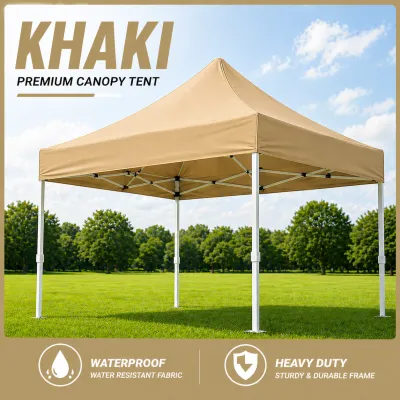
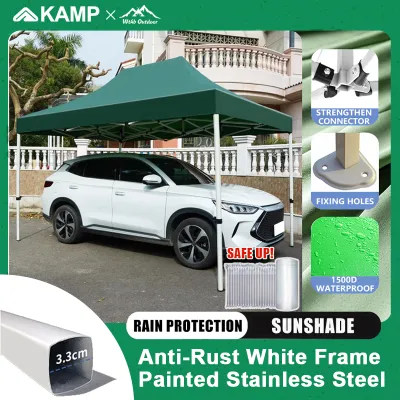
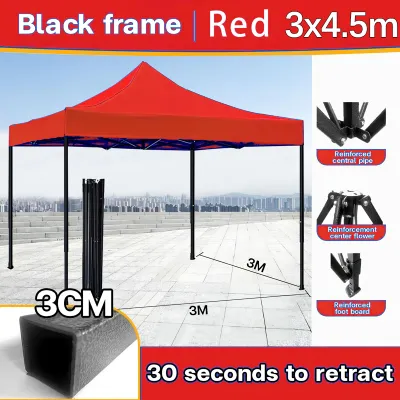
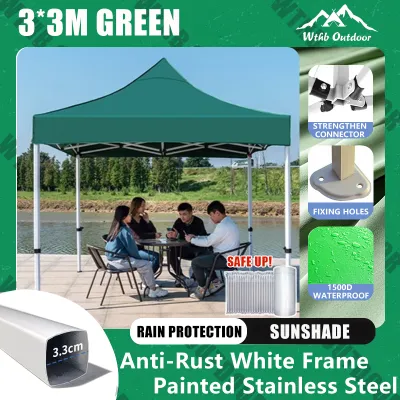
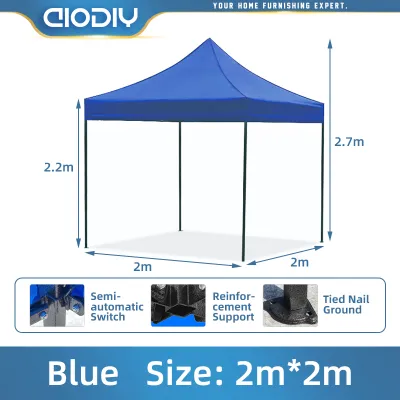
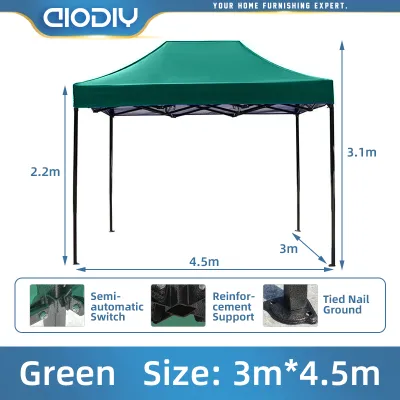
Prices are valid at publication and may change. Please refer to the product page for the latest price.
Pole materials also define heavy-duty status. Robust tents utilize high-tensile aluminum alloy poles rather than thin, fragile fiberglass. While these heavy-duty materials significantly increase the tent’s lifespan and resistance to tearing or snapping, they introduce a clear trade-off: weight.
A heavy-duty 2×2 tent can weigh anywhere from 3 to 6 kilograms. Solo campers must evaluate this packed weight against their transport method. If you are car camping or motorcycle camping, this weight is negligible; however, if you are trekking long distances on foot, carrying a heavy-duty 2×2 tent solo requires careful consideration of your physical limits and pack volume.
Evaluating Durability and Weather Resistance Labels
To ensure your tent can withstand the intense downpours common in tropical climates, you must look past generic “waterproof” labels and examine the Hydrostatic Head (HH) rating. Measured in millimeters (mm), the HH rating indicates the amount of water pressure a fabric can resist before leaking.

For reliable performance in tropical rain, look for a rainfly with a minimum HH rating of 1,500mm to 2,000mm. The tent floor, which experiences high localized pressure from your body weight, sleeping pad, and gear, requires a much higher rating—ideally 3,000mm to 5,000mm—to prevent ground moisture from seeping through. Polyurethane (PU) coatings are commonly applied to achieve these ratings, though premium models may use silicone-coated nylon (silnylon) for enhanced tear strength and UV resistance.
Fabric durability is further indicated by the denier (D) and thread count (T). A higher denier, such as 150D, offers excellent resistance to abrasions from rocks, twigs, and rough ground. Thread count (e.g., 190T or 210T) measures the density of the weave; a higher thread count generally indicates a tighter, more durable fabric structure when paired with a quality coating.
Pole specifications are equally critical for wind resistance. Aluminum poles (such as 7001 or 7075 T6 alloys) offer an exceptional strength-to-weight ratio and can flex under high winds without snapping. Fiberglass poles are more economical but are heavier, less flexible, and prone to splintering under sudden, high-velocity wind gusts. Always check the manufacturer’s documentation for specific wind limits or recommended usage conditions.
Comparing Structural Designs for Local Terrains
The structural design of your tent dictates how it handles wind, manages interior space, and sheds heavy rain. Dome tents are the most common and versatile choice for solo campers. Their intersecting pole structure provides excellent freestanding stability, allowing you to set up on hard ground where staking is difficult, while their sloped sides shed wind and rain efficiently from all directions.
Tunnel tents offer superior space-to-weight ratios and excellent wind resistance when aligned correctly with the wind direction. However, they are non-freestanding and require secure staking at all times, making them less suitable for rocky or sandy terrains where stakes cannot hold firmly. Cabin tents provide maximum headroom and vertical walls, but their boxy profiles act like sails in high winds, making them risky for exposed coastal or mountain campsites.
In the hot, humid climate of the Philippines, condensation management is a primary concern. Single-wall tents, which combine the canopy and rainfly into a single layer, are lightweight but notorious for trapping moisture inside. As you breathe during the night, warm air hits the cool fabric, creating condensation that drips onto your sleeping gear. Double-wall tents, featuring a highly breathable inner mesh body and a separate waterproof rainfly, allow warm air to escape, keeping the sleeping area dry.
To optimize airflow, look for double-wall designs that incorporate low-level vents and high-level mesh panels. This configuration creates a chimney effect, drawing cool air in from the bottom and pushing hot, humid air out through the top. Additionally, a vestibule—an extension of the rainfly beyond the inner tent door—is highly recommended for solo campers. It creates a protected outdoor porch area where you can store muddy boots, wet rain gear, or cooking equipment, keeping the main 2×2 meter sleeping compartment clean and dry.
Building Your Conditional Shortlist
When searching for a heavy-duty 2×2 tent on online marketplaces or specialty outdoor stores, you should follow a systematic filtering process to narrow down your options. Do not rely solely on promotional titles; instead, cross-reference the official manufacturer specifications and user manuals to verify exact dimensions and materials.
Begin your filtering process by establishing your transport limits. If you are backpacking, set a strict maximum packed weight limit. Next, filter by weather resistance, ensuring the floor and rainfly meet the minimum HH ratings required for tropical rain. Finally, select a structural design that matches the terrain of your planned camping destinations.
To help organize your search, use a comparison matrix to track key specifications of potential tents. This structured approach ensures you make an objective decision based on verifiable data rather than marketing hype.
| Specification Dimension | Target Solo Standard | Your Shortlist Candidate |
|---|---|---|
| Floor Dimensions | 2.0m x 2.0m (approx. 200cm x 200cm) | Verify exact inner tent floor space |
| Packed Weight | Under 3.5kg (backpacking) / Under 6kg (car/moto) | Check total weight including pegs and poles |
| Rainfly HH Rating | Minimum 1,500mm (2,000mm+ preferred) | Look for PU or silicone coating specs |
| Floor HH Rating | Minimum 3,000mm (5,000mm preferred) | Verify tub-style floor construction |
| Pole Material | Aluminum alloy (7001/7075) | Avoid cheap fiberglass for high-wind areas |
| Wall Construction | Double-wall with high-density mesh | Essential for tropical condensation control |
| Price Range | ₱2,500 to ₱12,000+ | Set budget based on frequency of use |
Always verify that the manufacturer provides clear instructions, replacement parts (such as spare pole sections), and a reliable warranty. Purchasing from reputable outdoor brands ensures that the stated specifications have undergone standardized testing.
Pre-Purchase Inspection and Care Boundaries
Once your tent arrives, perform a thorough pre-purchase inspection in a clean, dry indoor space or backyard before taking it into the field. Pitch the tent fully and inspect all seam taping. The tape should be perfectly flat, transparent, and adhered to the fabric; any peeling, bubbling, or flaking indicates a manufacturing defect that will lead to leaks.
Test all zippers multiple times. They should glide smoothly around curves without catching on the fabric or splitting open behind the slider. Inspect the pole joints and shock cords; ensure the metal ferrules are securely attached and that there are no hairline cracks in the aluminum or fiberglass sections.
Proper maintenance is critical to preserving the heavy-duty qualities of your tent. After every camping trip, clean the tent by hand using a soft sponge, cool water, and a mild, non-detergent soap. Never machine wash or machine dry a tent, as the agitation and heat will permanently destroy the waterproof coatings and seam tape.
Ensure the tent is 100% dry before folding and storing it. Storing a damp tent, even for a few days, encourages the growth of mold and mildew, which produces a foul odor and chemically degrades the polyurethane coating. Store your tent loosely in a breathable storage bag in a cool, dry, and well-ventilated indoor closet. Avoid hot, humid attics or outdoor storage sheds, as extreme heat accelerates coating degradation.
Establish clear stop-conditions for your equipment. If you observe structural cracks in the poles, severe fabric tears along stress points, or widespread delamination (where the waterproof coating peels off like sunburned skin), halt usage immediately. Do not attempt to use a structurally compromised tent in windy or rainy conditions; instead, contact the manufacturer or a professional repair service for replacement parts.
Frequently Asked Questions (FAQ)
Can a 2×2 tent comfortably fit a solo camper with a large backpack?
Yes, a 2×2 meter floor plan provides exceptional comfort for a solo camper. A standard sleeping pad occupies roughly 60 to 70 centimeters of width, leaving over 1.3 meters of horizontal space inside the tent. This extra room easily accommodates a large 60-liter to 80-liter expedition backpack, camera gear, clothing bags, and other sensitive equipment, keeping them fully protected from external moisture, insects, and ground dampness.
Are heavy-duty tents too heavy for long-distance hiking in the Philippines?
For multi-day, long-distance trekking where every gram counts, a heavy-duty 2×2 tent is generally too heavy and bulky for a single person to carry comfortably. These tents often weigh between 3kg and 6kg due to their thick fabrics and robust pole systems. For strenuous mountain ascents, solo hikers typically opt for lightweight 1-person or 2-person backpacking tents weighing under 2kg. Heavy-duty 2×2 tents are best utilized for basecamp setups, car camping, motorcycle touring, or short-distance hikes where comfort and durability outweigh weight concerns.
How do I verify if a tent's waterproof rating is sufficient for typhoon season?
It is vital to understand that no standard recreational tent—regardless of its hydrostatic head rating or heavy-duty construction—is designed to withstand typhoons, severe tropical storms, or extreme weather events. Waterproof ratings (such as 3,000mm or 5,000mm) are intended for normal to heavy rainfall, not the sustained, high-velocity winds and torrential downpours of a typhoon. If a severe weather warning or typhoon advisory is issued, you must never rely on a tent for shelter. Always prioritize your safety by canceling your trip, packing up your camp, and seeking emergency shelter in a permanent, concrete structure.

Community discussion
Share your experience or ask a question. Comments are reviewed before publication.