
Camping in the Philippines presents a unique set of meteorological challenges that can quickly overwhelm standard, budget-friendly gear. A basic tent designed for mild backyard use will often fail when subjected to sudden tropical downpours, high humidity, and gusty coastal or high-altitude winds. To secure a safe, dry, and comfortable outdoor experience, you need a heavy-duty camp tent engineered to withstand these exact environmental pressures. Selecting the right shelter requires a clear understanding of how fabric ratings, frame designs, and ventilation systems interact with a tropical climate.
However, even the most robust equipment cannot replace proper outdoor training, sound judgment, and situational awareness. Before heading out to any campsite, always check the local weather advisories from PAGASA and consult with local trail guides or park rangers. If a tropical depression, typhoon warning, or severe thunderstorm alert is active, the safest decision is always to postpone your trip. No tent is designed to guarantee absolute safety in extreme, survival-level weather conditions.
Assessing Tropical Weather Challenges for Your Tent
The Philippine climate is characterized by high temperatures, high humidity, and abundant rainfall throughout the year. During the Southwest Monsoon (Habagat) and the transition periods between seasons, sudden convective storms can dump inches of water within minutes. A heavy-duty tent must feature a highly water-resistant rainfly and a reinforced floor to prevent water from pooling inside your sleeping area during these intense downpours.
Products mentioned in this guide
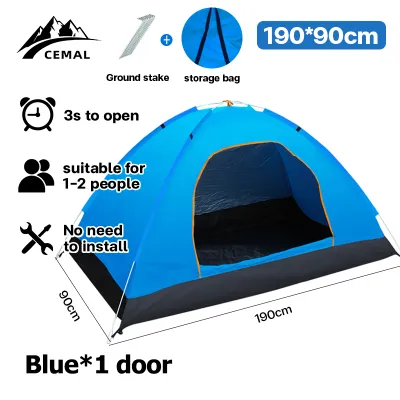
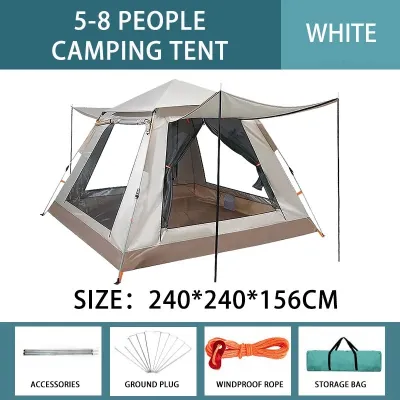
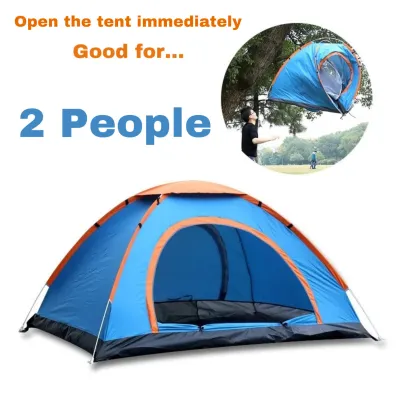
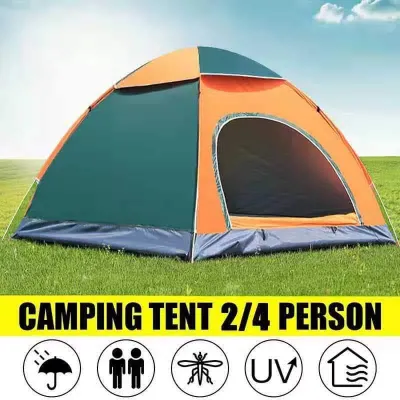
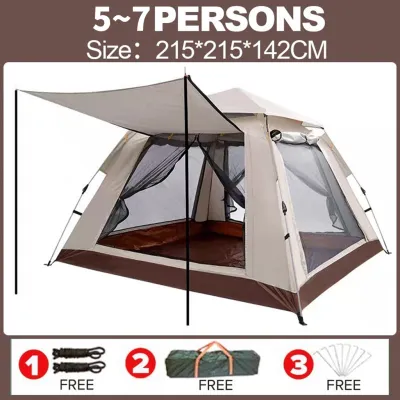
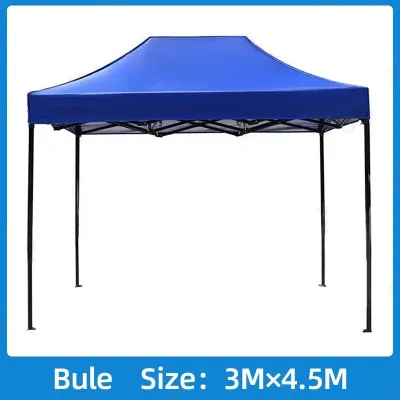
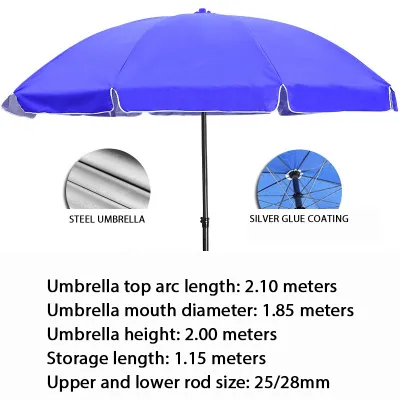
Prices are valid at publication and may change. Please refer to the product page for the latest price.
High ambient humidity creates another significant challenge: interior condensation. When warm, moisture-laden air from your breath hits the cooler fabric of the tent outer shell, it condenses into water droplets. Without adequate airflow, this moisture will drip back down onto your sleeping bag and gear, creating a damp, uncomfortable environment. Your tent must balance robust water protection with efficient air circulation to mitigate this constant humidity.
Wind is another critical factor, especially if you plan to camp on exposed mountain ridges or open beaches. Coastal breezes can escalate into powerful gusts, while high-altitude campsites often experience sustained, buffeting winds that can easily bend or snap weak tent poles. A heavy-duty tent must possess a low-profile, aerodynamic shape and a sturdy pole structure to distribute wind loads evenly and remain anchored to the ground.
Reading Waterproofing and Durability Specifications
When shopping for a heavy-duty camp tent, you must look beyond marketing buzzwords and carefully evaluate the technical specifications provided by the manufacturer. The primary measure of a tent’s water resistance is its Hydrostatic Head (HH) rating, which is expressed in millimeters (mm). This rating indicates the amount of water pressure a fabric can withstand before water begins to penetrate it.

For the demanding weather conditions in the Philippines, look for a rainfly with a minimum HH rating of 2,000mm to 3,000mm. The tent floor requires an even higher rating—ideally 5,000mm or more—because your body weight exerts physical pressure on the ground fabric when you sit, kneel, or sleep. A floor with a lower rating can easily allow moisture to seep through when pressed against saturated soil or wet grass.
Fabric durability is measured in denier (D), which indicates the weight and thickness of the individual threads used in the weave. Heavy-duty tents typically utilize fabrics ranging from 68D to 150D or higher. Polyester and nylon are the most common materials; nylon is generally stronger and more elastic, while polyester offers better UV resistance and does not stretch as much when wet. Look for fabrics with a ripstop weave, which incorporates stronger threads at regular intervals to prevent small punctures from tearing further.
Beyond the fabric itself, inspect the construction details that prevent water ingress. Ensure the tent features factory-sealed or taped seams, where a waterproof tape is heat-applied over the stitching. A bathtub floor design—where the waterproof floor material extends several inches up the sides of the tent before meeting the wall fabric—is essential for keeping out pooling ground water. Finally, look for heavy-duty, smooth-gliding zippers protected by external storm flaps to prevent wind-driven rain from leaking through the entry points.
Choosing Frame and Shape for Wind Stability
A tent’s frame is its skeleton, and its material composition directly determines how well the structure can withstand high winds. Most heavy-duty tents utilize aluminum poles (typically 7001 or 7075 alloy series) rather than fiberglass. Aluminum poles offer an excellent strength-to-weight ratio, flex naturally under wind pressure without snapping, and are highly resistant to corrosion in humid environments. Fiberglass poles, while less expensive, are heavier, brittle, and prone to splintering or shattering under sudden, violent gusts.
The aerodynamic shape of the tent also plays a vital role in wind shedding. Dome and geodesic designs are highly recommended for windy environments because their curved profiles allow wind to flow smoothly over and around the structure. Geodesic tents feature multiple intersecting poles that cross over each other at several points, distributing stress across the entire frame and providing exceptional structural integrity. Tunnel tents can also perform well in high winds, but they must be pitched precisely parallel to the wind direction to avoid collapsing.
To secure your tent in rough weather, you must utilize high-quality stakes and guy lines. Standard thin steel pegs easily pull out of soft soil or sand; instead, opt for heavy-duty aluminum Y-stakes or specialized sand pegs depending on your campsite. Ensure the tent has multiple reinforced guy-out points with reflective, high-tensile guy lines and tensioners. Properly tensioning these lines transfers wind forces from the tent fabric directly to the ground, preventing the frame from buckling.
Balancing Weatherproofing with Humidity Control
In a hot and humid tropical climate, a single-wall tent (where the waterproof barrier is the same fabric as the living space) is rarely suitable because it traps condensation inside. Instead, prioritize a double-wall construction. This design consists of an inner tent made of highly breathable fabric and mesh panels, covered by a separate, fully waterproof rainfly. The physical gap between the inner tent and the rainfly allows condensation to form on the underside of the fly and run down to the ground, keeping the inner living space dry.
Effective ventilation relies on natural air convection, which is achieved through strategic mesh placement and adjustable vents. Look for tents with a high-low ventilation system, featuring mesh panels near the floor to draw in cooler air and adjustable vents near the peak of the rainfly to let warm, humid air escape. Large mesh doors and windows are excellent for fair-weather camping, but they must be fully coverable by the rainfly when a storm rolls in.
An integrated vestibule—an extension of the rainfly that covers the area outside the inner tent door—is an invaluable feature for tropical camping. It provides a protected, dry space to store wet boots, muddy backpacks, and damp gear. Keeping these wet items out of the main sleeping compartment prevents them from introducing additional moisture into the tent, which helps keep the interior humidity levels manageable.
Matching Tent Features to Philippine Camping Scenarios
Different camping environments in the Philippines demand different tent configurations, and no single tent is universally perfect for every setting. If you are planning a high-altitude trek on mountains like Mt. Pulag or Mt. Kitanglad, your primary concerns will be cold temperatures, strong winds, and sudden rain. For these conditions, select a low-profile dome or geodesic tent with robust aluminum poles, a full-coverage rainfly that extends close to the ground, and minimal mesh on the inner tent to help retain body heat.
For coastal and beach camping, such as in Zambales, Anawangin, or Calaguas, the environmental stressors shift to intense sun exposure, fine sand, and salty air. Here, you need a tent with excellent UV resistance to prevent the fabric from degrading under the tropical sun, and corrosion-resistant aluminum or composite poles. Bring wide, scoop-shaped sand stakes to secure your tent in loose ground, and ensure the inner tent has extensive mesh panels to maximize cooling sea breezes while keeping out fine sand.
Lowland forest camping, such as in national parks or river valleys, presents high humidity, heavy rain, and abundant insect life. In this scenario, prioritize a tent with a high-clearance bathtub floor to protect against muddy ground and crawling insects. The inner tent should feature ultra-fine, high-density mesh (often called no-see-um mesh) to keep out tiny biting midges and mosquitoes while still allowing air to circulate. A large vestibule is also essential here for transitioning out of muddy footwear before stepping inside.
Pre-Purchase Checks and Post-Trip Maintenance
Before finalizing your purchase, verify the manufacturer’s warranty terms, return policies, and the availability of local after-sales support. Purchasing from reputable outdoor brands with local distributors ensures you can easily source replacement poles, rainflies, or stakes if any component gets damaged. Once your tent arrives, perform a test pitch in your yard or a local park. Check for any manufacturing defects, such as missing seam tape, frayed stitching, or faulty zippers, and familiarize yourself with the setup process before you head into the field.
Proper post-trip maintenance is critical to extending the lifespan of your heavy-duty tent, especially in a humid climate. Never pack away a wet or damp tent for long-term storage. Mold and mildew thrive in warm, humid conditions and can permanently damage the waterproof polyurethane coatings through a process called hydrolysis, causing the fabric to become sticky, peel, and lose its water resistance.
When you return from a trip, set up the tent in a shaded, well-ventilated area out of direct sunlight, as prolonged UV exposure can weaken the synthetic fibers. Gently wipe away dirt, mud, and salt spray using a soft sponge, clean water, and a mild, non-detergent soap specifically formulated for outdoor gear. Allow the tent, rainfly, and stakes to dry completely before storing them loosely in a breathable storage bag, rather than tightly compressed in its original stuff sack.
Frequently Asked Questions (FAQ)
Is a 4-season tent necessary for camping in the Philippines?
No, a traditional 4-season tent is generally not necessary and can be highly uncomfortable in the Philippines. Traditional 4-season tents are designed for cold, alpine environments and heavy snow loads; they feature heavy, solid fabric walls with very little mesh to trap heat. In a tropical climate, this design will trap extreme heat and condensation, making the interior stiflingly hot. Instead, look for a heavy-duty 3-season tent that offers robust wind and rain protection while incorporating ample mesh panels and adjustable vents to handle high humidity and warm temperatures.
How should I dry and store my tent after a wet trip?
If you must pack up your tent while it is raining, shake off as much excess water as possible before rolling it up. As soon as you return home—ideally within 24 hours—unpack the tent and hang it up or pitch it in a dry, shaded, and well-ventilated indoor or outdoor space. Avoid placing the tent in a mechanical clothes dryer or using direct heat sources, which can melt the fabric or ruin the waterproof coatings. Once the tent is completely dry to the touch, store it in a cool, dry place away from direct sunlight and high humidity, using a loose mesh or cotton storage bag to allow air circulation.

Community discussion
Share your experience or ask a question. Comments are reviewed before publication.