
When planning an outdoor excursion in the Philippines, your tent is your primary line of defense against unpredictable tropical weather. From sudden afternoon downpours during the southwest monsoon (Habagat) to strong coastal winds on beach campsites, a standard recreational tent can quickly fail, leaving you wet and exposed. Selecting a genuine heavy-duty camping tent requires understanding how materials and structural designs perform under high humidity, intense heat, and heavy rainfall.
To find a reliable shelter that fits your budget, you must look past generic marketing buzzwords and focus on verifiable technical specifications. This guide breaks down the essential structural indicators of durability, explains how to match tent features to specific local environments, and outlines what to look for across different budget tiers. By learning how to verify these details, you can make an informed investment that keeps you safe and dry on your next adventure.
What Makes a Tent "Heavy-Duty"? Core Specs to Verify
A genuine heavy-duty tent is defined by its materials and engineering, not by bold claims on a retail listing. The first critical component to examine is the pole material, which forms the backbone of your shelter. Most budget-friendly tents utilize fiberglass poles, which are heavy, rigid, and prone to splintering or shattering under sudden, high-velocity wind loads. In contrast, heavy-duty tents feature aluminum poles, typically designated as 7001 or 7075 series alloy. Aluminum poles are significantly lighter, highly flexible, and capable of bending without breaking, allowing the tent to absorb and deflect strong wind gusts before springing back into shape.
Products mentioned in this guide
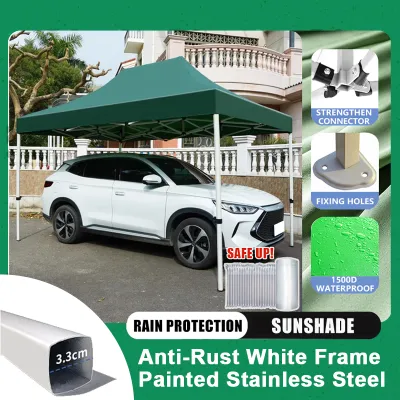
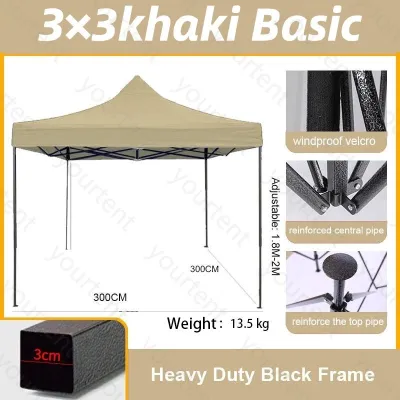
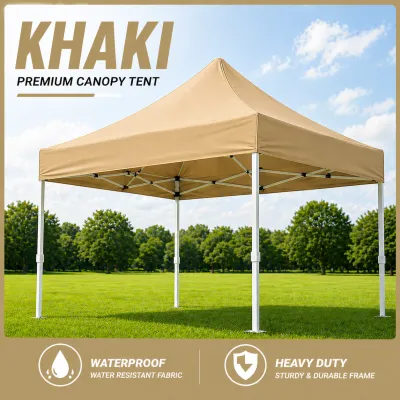
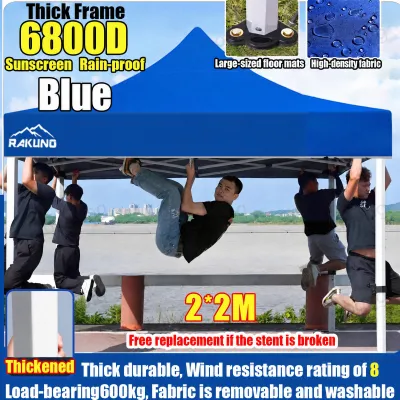
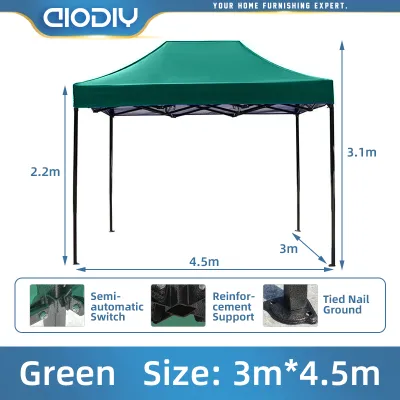
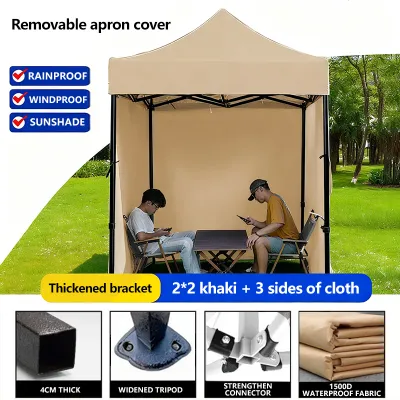
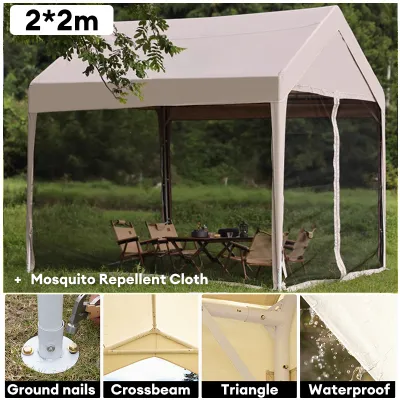
Prices are valid at publication and may change. Please refer to the product page for the latest price.
Fabric specifications are equally vital and are measured using denier (D) and thread count (T). Denier indicates the weight and thickness of the individual threads used in the weave; a higher denier rating, such as 75D or 150D, signifies a thicker, more puncture-resistant fabric. Thread count refers to the density of the weave per square inch. For a tent to be considered heavy-duty, the floor fabric should have a high denier rating—often 150D or more—to withstand friction against rough ground, rocks, and twigs. The rainfly, while typically lighter to reduce overall weight, must still feature a tight weave and a robust denier rating (such as 68D or higher) to resist tearing and water penetration.
The structural geometry of the tent determines how well it distributes external forces. Geodesic and semi-geodesic designs utilize multiple poles that cross over each other at several points, creating a highly stable, self-supporting framework. This design distributes wind and rain loads evenly across the entire structure, preventing localized collapse. Standard dome shapes with two intersecting poles offer decent stability for moderate conditions, while tunnel and cabin shapes provide excellent headroom but require robust guying and precise orientation to the wind to avoid flattening.
When shopping, it is crucial to differentiate between vague marketing claims and actual manufacturer specifications. Many low-cost options are advertised as “typhoon-proof” or “heavy-duty” without providing any technical data to back up these assertions. A truly heavy-duty tent will clearly list its pole material, fabric denier, and hydrostatic head rating (measured in millimeters) on the packaging or official spec sheet. If a manufacturer does not disclose these details, the tent is likely designed for light, fair-weather recreational use rather than rugged outdoor conditions.
Matching Tent Features to Your Camping Environment
Selecting the right heavy-duty tent requires a clear understanding of where and how you plan to camp. Tents are generally categorized by seasonal ratings, with 3-season and 4-season models being the most common. In the Philippines, a high-quality 3-season tent is almost always the most practical choice. These tents are designed to handle heavy rain, moderate wind, and warm temperatures by incorporating large mesh panels that promote airflow. A 4-season tent, on the other hand, is engineered to retain heat and shed heavy snow, featuring solid fabric walls and minimal mesh. Using a 4-season tent in hot, humid lowlands will result in a stifling, uncomfortable interior, though its ultra-robust frame may be beneficial on highly exposed, cold peaks like Mount Pulag during the cooler months.

Ventilation is a critical factor in managing the intense humidity characteristic of tropical climates. When warm, moist air from your breath hits the cooler fabric of the rainfly, it condenses into water droplets, causing the interior of the tent to feel damp or even “rain” inside. To combat this, look for a tent with a full-coverage rainfly that stands several inches away from the inner tent body, allowing air to circulate freely. Adjustable vents near the peak of the rainfly and low-level mesh panels create a chimney effect, drawing cool air in from the bottom and pushing warm, humid air out through the top. Generous vestibules—sheltered areas outside the inner tent door—are also essential for storing wet muddy boots and gear, keeping moisture out of your sleeping quarters.
Your method of transportation should dictate the packed weight and dimensions of your tent. If you primarily engage in car camping, overlanding, or camping near parking areas, weight is less of a concern. You can opt for heavy, spacious canvas tents or thick polyester models with steel frames that offer maximum durability and living space. However, if you are backpacking, hiking multi-day trails, or traveling by motorcycle, every gram counts. In these scenarios, you must balance durability with weight, selecting premium lightweight tents that utilize high-tenacity ripstop nylon and ultra-light aluminum poles to keep the packed weight manageable without sacrificing structural integrity.
Budget Tiers: What to Expect and Verify Before Buying
When navigating the market for heavy-duty tents, understanding the relationship between cost, weight, and material longevity is essential. Generally, as the price increases, the weight of the tent decreases while its durability and weather resistance increase. This is because premium tents utilize advanced, high-tech materials that are both incredibly light and exceptionally strong. Lower-priced tents can still offer excellent durability, but they achieve this by using heavier, bulkier materials. Understanding these trade-offs helps you set realistic expectations and avoid overpaying for features you may not need.
At different price points, the quality of construction details like seam taping, floor waterproofing, and included accessories varies significantly. Budget-friendly options often require manual preparation or extra care, while high-end models come fully prepared for extreme weather straight out of the box. By identifying which features are critical for your specific camping frequency and environmental conditions, you can allocate your budget effectively, ensuring you invest in a shelter that provides reliable protection when it matters most.
Entry-Level Options: Basic Durability Checks
For campers on a budget, entry-level heavy-duty tents—typically priced under ₱3,000—can provide adequate shelter if you verify a few key construction details. First, check for a bathtub-style floor design, where the waterproof floor material wraps several inches up the sides of the tent before stitching into the wall panels. This design ensures that standing water or splashing rain cannot easily seep through the seams at ground level. The floor material in this tier is often a heavy, tarp-like polyethylene (PE), which is highly waterproof and puncture-resistant, though bulky and heavy to carry.
Inspect the physical construction of the tent’s stress points. Look for reinforced patches where the poles attach to the tent corners and where guy lines connect to the rainfly. The pole sleeves or clips should be made of heavy-duty mesh or thick fabric with double-stitched seams to prevent tearing under tension. Zippers are another common failure point; ensure they are thick, metal or heavy-duty plastic, and slide smoothly without catching on the surrounding fabric flaps.
To maximize the lifespan of an entry-level tent, a strict maintenance routine is required. The polyurethane (PU) coatings used on budget fabrics are highly susceptible to hydrolysis—a chemical breakdown that occurs when the coating is exposed to moisture over time. If you pack away a budget tent while it is even slightly damp, the coating will degrade, becoming sticky, peeling off, and losing its waterproof properties. Always thoroughly air-dry your tent in a shaded, well-ventilated area before storing it, and consider applying an aftermarket seam sealer to reinforce the factory seams.
Mid-Range Options: Enhanced Weather Resistance
Investing in a mid-range tent, generally ranging from ₱3,000 to ₱8,000, introduces significant upgrades in material quality and weatherproofing. In this tier, you should look for specific hydrostatic head ratings listed on the product labels. A rating of 2,000mm to 3,000mm for the rainfly and 3,000mm to 5,000mm for the floor is ideal for handling heavy tropical downpours. These ratings indicate the height of a water column the fabric can support before water begins to penetrate, ensuring reliable performance during prolonged rainy seasons.
The hardware in mid-range tents is noticeably superior. Look for branded, high-quality zippers (such as YKK) that resist corrosion from salty coastal air and operate smoothly under tension. Guy lines should be made of high-strength, reflective cord equipped with aluminum tensioners, allowing you to secure the tent tightly in windy conditions. The included stakes are typically lightweight, triangular aluminum pegs that grip the soil firmly without bending, a major upgrade over the thin steel wire pegs found in budget models.
Mid-range tents strike an excellent balance between weight reduction and structural integrity. They often utilize lightweight, durable aluminum poles instead of fiberglass, and the tent body is constructed from finer, high-density polyester or nylon fabrics. This makes them versatile enough for a wide range of outdoor activities, from weekend car camping trips to moderate multi-day hikes in national parks, providing reliable protection without adding excessive bulk to your pack.
Premium Options: Expedition-Grade Specifications
Premium heavy-duty tents, priced above ₱8,000, are engineered for extreme environments, prolonged exposure, and demanding expeditions. These models feature advanced pole geometries, such as geodesic dome structures, that maximize interior headroom while providing exceptional stability against high winds. The fabrics are typically high-denier, high-tenacity ripstop nylon or specialized polyester coated with silicone (often called silnylon). Silicone coatings penetrate the fabric fibers, dramatically increasing tear strength, UV resistance, and long-term waterproofing compared to standard polyurethane coatings.
At this level, weatherproofing is meticulous and comprehensive. Look for factory-applied, hot-taped polyurethane seams or specialized liquid-sealed silicone seams that completely block water entry. Some premium models designed for harsh conditions include specialized features like mud flaps or snow skirts around the perimeter of the rainfly. In a tropical context, these flaps help channel heavy runoff away from the tent base and prevent strong winds from driving rain up and under the rainfly.
When purchasing a premium tent, you are also investing in long-term manufacturer support. High-end outdoor brands typically offer comprehensive warranties against manufacturing defects, along with dedicated repair services and replacement parts. If a pole bends or a panel tears during a challenging trek, you can often purchase individual replacement sections or send the tent in for professional repair, ensuring your high-value investment remains functional for years of rugged use.
Pre-Purchase Checklist: Verifying Quality Online and In-Store
Whether you are browsing online marketplaces or inspecting gear in a physical outdoor store, using a structured checklist will help you verify quality and avoid misleading listings. Online shopping requires extra vigilance, as product photos can be easily manipulated. Always cross-reference the seller’s product description with the official manufacturer specification sheet. Look for discrepancies in weight, dimensions, and materials; if an online listing claims a tent weighs two kilograms but the official site lists it as three, or if the listing claims aluminum poles while the official spec says fiberglass, treat the listing with caution.
If you have the opportunity to inspect a tent in a physical store, perform a hands-on quality check. Ask the staff if you can set up the display model or inspect the fabric closely. Run your fingers along the seams of the rainfly and floor; the seam tape should be flat, clear, and fully adhered to the fabric without any lifting, bubbling, or peeling. Test all the zippers multiple times, ensuring they glide smoothly around corners without catching on the fabric storm flaps. Inspect the stitching throughout the tent; it should be straight, uniform, and free of loose threads or skipped stitches, especially at high-tension areas like corner webbing and guy line attachment points.
When shopping online, learn to identify common red flags that indicate low-quality or counterfeit products. Be wary of listings that use vague terms like “100% waterproof” or “heavy-duty” without providing numerical hydrostatic head ratings or specific fabric denier specs. Another red flag is a suspiciously low price for a well-known premium brand, which often indicates a counterfeit product or a grey-market listing with no warranty support. Finally, check the seller’s return policy and customer reviews, focusing on feedback that mentions real-world performance in wet or windy conditions, while keeping in mind that individual user experiences can vary based on setup quality.
Frequently Asked Questions (FAQ)
How do I maintain a heavy-duty tent to prevent mold?
To prevent mold and mildew, you must ensure your tent is completely dry before storing it. The high humidity and warm temperatures in the Philippines create an ideal breeding ground for mold, which can ruin fabric coatings and cause permanent odors within 24 to 48 hours. After returning from a camping trip, set up your tent in a shaded, dry area at home and allow it to air-dry completely. Avoid drying it in direct, intense sunlight, as prolonged UV exposure can degrade the synthetic fabrics and waterproof coatings.
When storing your tent long-term, avoid keeping it compressed inside its tight, original stuff sack. Instead, store it loosely in a large, breathable cotton bag or a mesh laundry bag. This allows air to circulate around the fabric and prevents the waterproof coatings from creasing, cracking, or sticking together. Keep the storage bag in a cool, dry closet away from direct heat and high humidity.
Never wash your tent in a washing machine or dry it in a clothes dryer, as the mechanical agitation and heat will strip away the waterproof coatings and damage the seams. If the tent is dirty, gently wipe it down using a soft sponge, cool water, and a mild, non-detergent soap specifically formulated for outdoor gear. Rinse thoroughly with clean water and allow it to air-dry completely.
Is a heavier tent always more durable?
A heavier tent is not automatically more durable than a lighter one. While older or budget-friendly tents often rely on thick, heavy materials like heavy-duty polyethylene floors and thick polyester fabrics to achieve durability, modern technical tents utilize advanced materials that offer high strength-to-weight ratios. For example, high-tenacity ripstop nylon and specialized silicone coatings can be incredibly thin and lightweight while providing enhanced tear resistance and waterproofing compared to cheap, heavy fabrics.
It is important to distinguish between true heavy-duty construction and simply using thick, low-quality materials. A cheap tent made of heavy, low-grade PVC or basic polyester may feel substantial, but it can degrade rapidly under UV exposure, crack at the folds, and suffer from seam failure. Conversely, a premium backpacking tent may feel thin and delicate, but its high-quality fabrics and precision engineering allow it to withstand extreme weather conditions without adding unnecessary weight to your pack.
When evaluating durability, focus on specific material indicators rather than overall weight. Look for high-quality aluminum poles, reinforced stitching at stress points, and reputable fabric types like ripstop nylon or high-density polyester. By checking these specifications, you can find a tent that offers the durability you need for your specific camping style without carrying excess, unproductive weight.
What should I check if the tent lacks a waterproof rating label?
If a tent lacks an official hydrostatic head rating label, you can assess its water resistance by examining its physical design features. Look for a full-coverage rainfly that extends all the way to the ground, ensuring that wind-driven rain cannot easily blow under the fly and penetrate the inner tent body. Check for a bathtub-style floor design and verify that all seams on the rainfly and floor are sealed with clear, factory-applied seam tape. Additionally, ensure that all zippers are protected by wide storm flaps that prevent water from seeping through the zipper teeth.
While physical indicators are helpful, checking verified user reviews can provide valuable insights into real-world performance. Look for detailed feedback from campers who have used the tent during actual tropical downpours or monsoon seasons. Pay attention to comments regarding where leaks occurred, how well the rainfly shed water, and whether condensation was manageable. Keep in mind, however, that user reviews can be subjective and may reflect improper setup rather than product failure.
If you must use a tent with unverified water resistance, consider applying aftermarket waterproofing treatments before your trip. You can apply a liquid seam sealer to all exposed seams and spray the exterior of the rainfly with a durable water repellent (DWR) spray designed for outdoor fabrics. While these treatments can significantly improve water shedding, they are temporary solutions that require regular reapplication and cannot fully compensate for poor baseline fabric quality or structural design flaws.

Community discussion
Share your experience or ask a question. Comments are reviewed before publication.