
A truly heavy-duty canopy tent is defined by its structural resilience, material thickness, and weather-resistant coatings rather than generic marketing labels. To find a model that can withstand tropical downpours, sudden gusts, and intense sun, you must look closely at the frame’s metal composition, the fabric’s denier rating, and the reinforcement at critical stress points. Evaluating these specifications directly from the manufacturer’s label ensures you invest in a shelter that remains stable and dry when the weather turns.
In tropical climates where sudden afternoon rainstorms and high humidity are common, a standard, lightweight canopy can easily buckle or leak. Investing in a heavy-duty option provides peace of mind, whether you are setting up a weekend market stall, hosting an outdoor gathering, or establishing a temporary base camp. Understanding the technical specifications allows you to separate genuine commercial-grade equipment from flimsy alternatives.
Frame Materials and Tube Thickness: The Backbone of a Heavy Duty Canopy
The frame serves as the skeleton of your canopy, bearing the brunt of wind resistance and the weight of accumulated rainwater. When choosing between steel and aluminum alloys, you must weigh the trade-offs of strength, weight, and environmental resistance. Steel frames offer exceptional density and downward stability, making them highly resistant to bending under heavy loads. However, in humid coastal areas, steel is highly susceptible to rust unless it features a high-quality powder-coated or galvanized finish that seals the metal from moisture.
Products mentioned in this guide
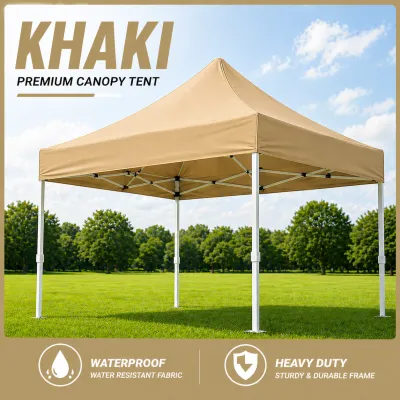
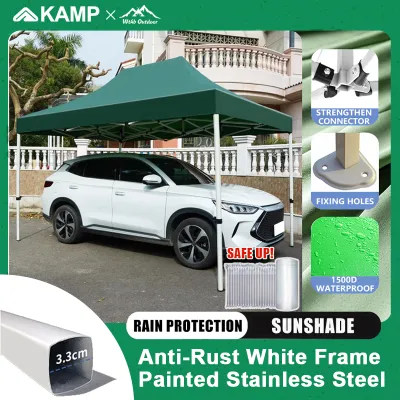
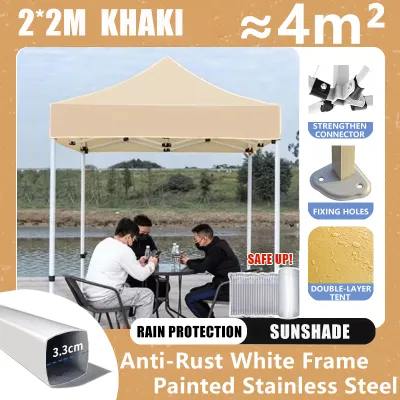
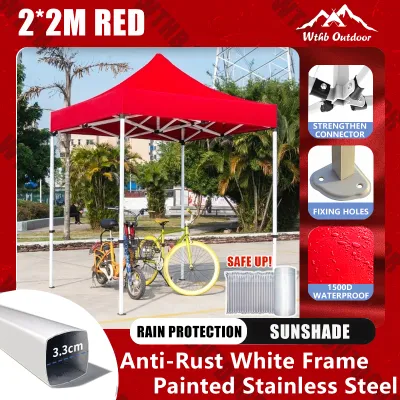
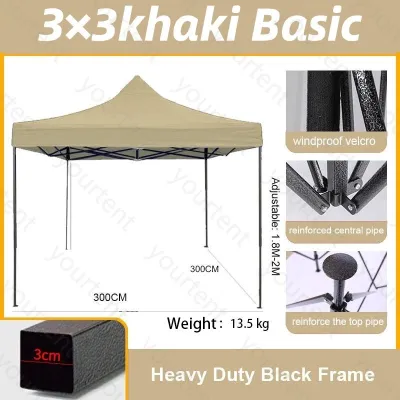
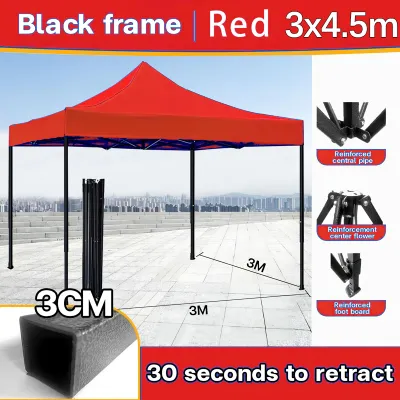
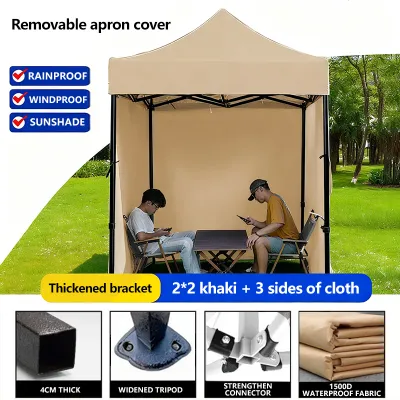
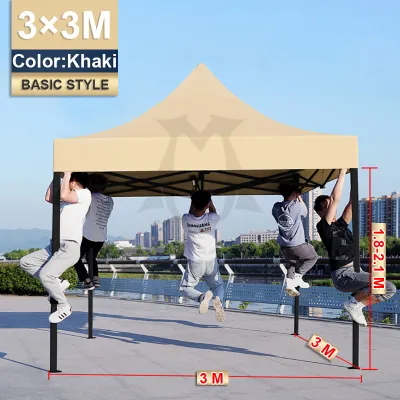
Prices are valid at publication and may change. Please refer to the product page for the latest price.
Aluminum alloy frames present a lighter, naturally rust-resistant alternative that is highly suited for frequent transport and humid environments. While standard aluminum can be softer than steel, commercial-grade aluminum frames utilize thicker walls and specialized structural tempers to match the strength of steel without the associated weight. This makes them easier to lift and load into a vehicle, though they often carry a higher price tag.
To verify the actual strength of a frame, look past marketing buzzwords and check the tube thickness, which is typically measured in millimeters or gauge. Heavy-duty frames generally feature wall thicknesses of 1.2 millimeters to 2.0 millimeters, whereas light-duty models often drop below 1.0 millimeter. A lower gauge number indicates thicker metal, which directly translates to better resistance against bending when sudden gusts of wind catch the canopy structure.
The cross-sectional shape of the frame legs also plays a critical role in structural rigidity. Standard round tubes are common but offer the least resistance to bending forces from multiple directions. Square legs provide a significant upgrade in stability, while hexagonal or octagonal profiles represent the pinnacle of heavy-duty design. These multi-sided shapes distribute physical stress more evenly across the metal surface, preventing the legs from buckling under lateral wind pressure.
Before making a purchase, always check the manufacturer’s specifications for certified load-bearing limits and wind ratings rather than relying on generic claims of durability. A reputable manufacturer will provide clear guidelines on the maximum wind speeds the frame can handle when properly anchored. If these specifications are missing, treat the “heavy-duty” label with caution and inspect the physical dimensions of the metal components yourself.
Canopy Fabric Denier and Coatings: Decoding Weather Resistance
The fabric top is your primary shield against intense tropical sunlight and torrential downpours. Fabric durability is primarily measured in denier (D), which indicates the linear mass density of the threads used in the weave. A higher denier rating, such as 500D or 600D, means the fabric is woven from thicker, stronger threads, resulting in superior tear resistance and a longer lifespan under harsh UV exposure. Lightweight fabrics, such as 150D or 300D, are easier to fold but tear more easily when snagged or subjected to high winds.

While a high denier rating ensures physical strength, water resistance depends entirely on the chemical coatings applied to the fabric. Polyurethane (PU) coatings are highly common, offering excellent flexibility and water shedding while allowing the fabric to remain relatively pliable. Polyvinyl chloride (PVC) coatings provide an incredibly dense, completely waterproof barrier that is highly durable, but they add substantial weight to the canopy and can become stiff or crack over years of exposure to intense heat.
To gauge how well a canopy will perform in a heavy downpour, look for the hydrostatic head rating, which is measured in millimeters. A rating of 1,500mm to 3,000mm indicates that the fabric can withstand a significant column of water pressure before moisture begins to seep through the fibers. For heavy-duty applications, a higher rating is always preferable, especially when water can pool on the roof during prolonged storms.
You must also consider the trade-offs between waterproof performance, UV protection, and heat retention. Thick, PVC-coated fabrics with high denier ratings block virtually all sunlight and rain, but they also trap rising heat underneath the canopy, creating a humid environment. Look for tops that feature integrated wind vents at the peak, which allow hot air to escape and reduce the lifting force of wind gusts, keeping the shaded area cooler and more stable.
Critical Construction Features: Joints, Trusses, and Anchoring
A strong frame and thick fabric can still fail if the connecting joints and structural trusses are weak. The joints and brackets at the corners and peaks of the frame experience the highest concentration of stress during setup and in windy conditions. Cheap canopies often use thin plastic connectors that become brittle and crack under sun exposure. Heavy-duty models utilize reinforced nylon, cast aluminum, or steel brackets that can withstand constant pivoting and high structural tension without snapping.
The truss bars—the crisscrossing metal beams that support the roof structure—must also be robust. Look for internal reinforcement ribs inside the truss tubes, which prevent them from bending when the canopy is subjected to downward pressure from wind or rain. Additionally, inspect the locking mechanisms on the legs; pull-pin sliders are generally safer and more durable than push-button brass pins, which can pinch fingers, rust shut, or slip out of alignment over time.
Stitching quality is another critical point of inspection on the fabric top. A heavy-duty canopy should feature double-stitched seams to prevent the fabric from pulling apart under tension. More importantly, these seams should be sealed with heat-applied waterproof tape on the underside. Without this seam sealing, water will inevitably drip through the needle holes during a heavy downpour, rendering even the most waterproof fabric ineffective.
No canopy tent can stand against the wind without a proper anchoring system, regardless of how heavy the frame is. Standard packages usually include basic metal stakes and thin guy lines, which are only suitable for firm soil on calm days. For true heavy-duty stability, you must upgrade to heavy-duty steel stakes, thick nylon ropes, and weight bags. When setting up on hard surfaces like concrete or asphalt, filling weight bags with sand or securing the legs with heavy concrete plates is essential to prevent the canopy from lifting off the ground.
Matching Heavy Duty Specs to Your Specific Outdoor Scenario
Selecting the right canopy requires matching these technical specifications to your actual usage patterns and physical limitations. If you only need a shelter for occasional backyard barbecues or family picnics, a mid-range steel frame with a 300D top offers a practical balance of protection and ease of setup. These models are light enough for one or two people to handle and do not require massive storage space.
For frequent market vendors, event organizers, or mobile business owners who set up and tear down their shelters multiple times a week, a commercial-grade aluminum frame with a 500D or 600D top is highly recommended. The lightweight aluminum reduces physical fatigue during daily transport, while the thick fabric resists the wear and tear of constant folding. This setup ensures professional presentation and reliable shelter through changing weather conditions.
Semi-permanent installations, such as temporary carports or extended outdoor dining areas, demand the heaviest specifications available. A thick, galvanized steel frame paired with a heavy PVC-coated top provides the necessary weight and structural rigidity to remain standing for weeks at a time. However, these systems are incredibly heavy, often requiring multiple people to assemble and a large utility vehicle or SUV for transport.
Before purchasing, always measure your transport vehicle’s cargo space and verify your physical lifting capacity. A heavy-duty canopy can easily weigh between 25 kilograms and 45 kilograms, and its folded length may exceed the width of a standard car trunk. Finally, always monitor local weather forecasts; if wind speeds or rainfall rates are projected to exceed the manufacturer’s tested limits, dismantle the canopy immediately to prevent structural failure and ensure personal safety.
Frequently Asked Questions (FAQ)
Does a higher denier always mean a better canopy tent?
Not necessarily, as the ideal denier depends on your specific needs and physical capabilities. While a higher denier rating, such as 600D, provides superior tear resistance and durability against harsh weather, it also makes the fabric significantly heavier and bulkier to fold, transport, and store. For casual users who only set up their tents occasionally in mild weather, a lighter 300D fabric is often much easier to manage and perfectly adequate for sun and light rain protection.
How should I maintain a heavy duty canopy to prevent frame rust and fabric mold?
Proper maintenance is essential to preserve the structural integrity and cleanliness of your canopy. Never pack away the fabric top while it is damp or wet, as trapped moisture will quickly lead to mold and mildew growth, which degrades the fabric fibers and causes unpleasant odors. Clean the fabric using a soft brush, mild soap, and lukewarm water, avoiding harsh chemical detergents that can strip away the waterproof PU or PVC coatings. For the frame, wipe down the metal legs with a dry cloth after exposure to rain or coastal salt air, and periodically check the joints for any signs of wear or loose fasteners.

Community discussion
Share your experience or ask a question. Comments are reviewed before publication.