
A reliable heavy duty tent for the Philippine tropical climate and monsoon season must feature a high hydrostatic head rating of at least 2,000mm to 3,000mm, robust aluminum pole architecture, and a highly breathable double-wall design with adjustable ventilation. While no consumer tent can withstand a direct typhoon hit, selecting a shelter with these specific structural characteristics ensures you stay dry, comfortable, and safe during sudden tropical downpours and strong wind gusts.
Navigating the outdoors in the Philippines requires gear that can adapt to rapid weather transitions. A sunny morning on a mountain trail can quickly turn into a torrential afternoon downpour. Understanding how to evaluate tent specifications, structural designs, and setup techniques is essential for any camper looking to invest in a shelter that survives the demanding local climate.
Understanding the Tropical and Typhoon Challenges
Camping in the Philippines exposes outdoor gear to some of the most punishing weather conditions in Southeast Asia. The annual monsoon cycle—comprising the dry northeast monsoon (Amihan) and the wet southwest monsoon (Habagat)—brings prolonged, heavy rainfall that can saturate campsite soils within hours. During these periods, a tent must act as a reliable barrier against continuous water pooling and high-velocity raindrops that easily penetrate low-grade fabrics.
Products mentioned in this guide
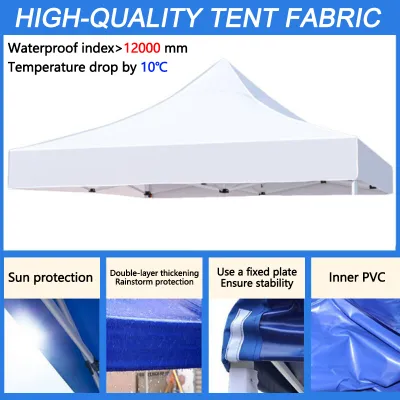
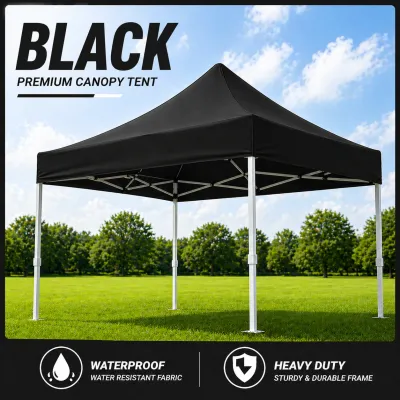
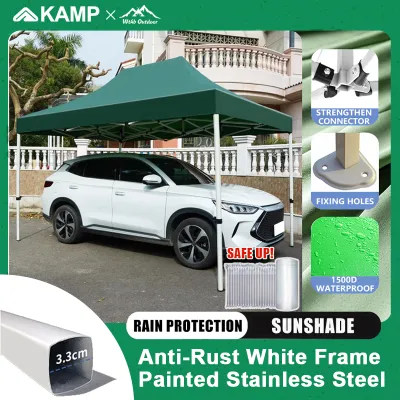
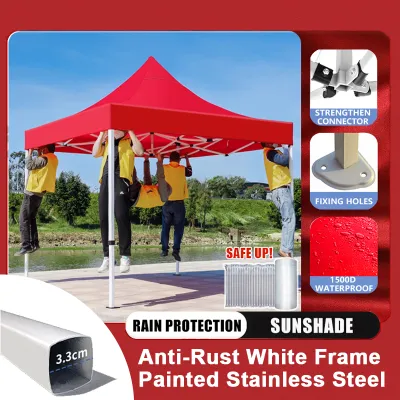
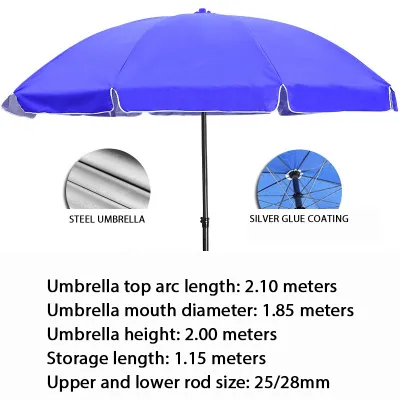
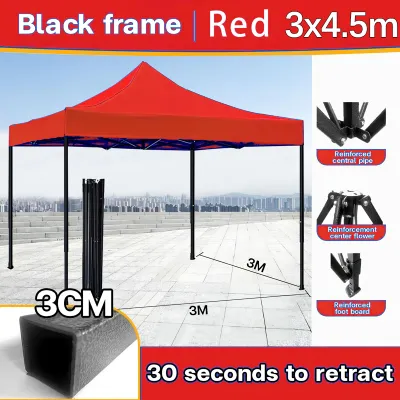
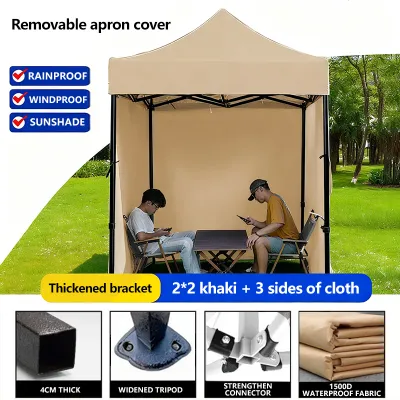
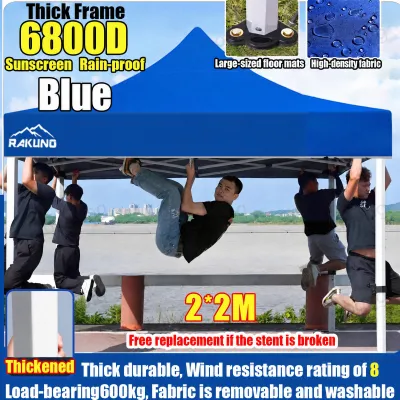
Prices are valid at publication and may change. Please refer to the product page for the latest price.
Strong, unpredictable wind gusts present another severe hazard, particularly along coastal beaches in Zambales or high-altitude ridges like Mt. Pulag. These winds exert immense lateral pressure on a tent’s frame. If the pole system lacks flexibility or the fabric has low tear strength, a sudden gust can buckle the structure, snap the poles, or rip the guyline anchor points directly out of the seams.
Furthermore, the high ambient humidity of the Philippines, which frequently exceeds 80 percent, creates a challenging microclimate inside a sealed shelter. As body heat and respiration release moisture into the air, it quickly condenses against the cooler inner walls of the tent. Without continuous airflow, this condensation accumulates rapidly, dripping onto sleeping bags, dampening clothing, and accelerating the physical degradation of the tent’s waterproof coatings over time.
Key Specifications for a True Heavy Duty Tent
To find a tent capable of enduring these tropical challenges, you must look beyond marketing terms like “stormproof” or “weather-resistant.” Instead, focus on verifiable technical specifications, material ratings, and structural engineering choices listed on the manufacturer’s label.

Waterproofing and Hydrostatic Head Ratings
The primary defense against tropical downpours is the fabric’s waterproof coating, measured by its hydrostatic head (HH) rating. This rating, expressed in millimeters (mm), indicates the amount of water pressure a fabric can withstand before moisture begins to penetrate.
- Rainfly Ratings: For the intense rainfall common during the Philippine wet season, look for a rainfly with a minimum rating of 2,000mm to 3,000mm. This level of waterproofing is sufficient to block wind-driven rain during heavy storms.
- Floor Ratings: The tent floor requires a much higher rating, ideally 5,000mm or more. Because your body weight exerts direct pressure on the ground when sitting, kneeling, or sleeping, water can easily be forced through lower-rated fabrics on saturated soil.
- Seams and Construction: Always verify that the tent features factory-sealed or taped seams. Unsealed seams leave thousands of tiny needle holes exposed to water entry. Additionally, opt for a "bathtub" floor design, where the waterproof floor material extends several inches up the sides of the tent before meeting the wall fabric, preventing ground runoff from seeping inside.
Wind Resistance and Pole Architecture
A tent’s ability to stand firm against heavy wind gusts depends heavily on its pole material and structural geometry. Traditional dome and cabin-style tents with vertical walls act like sails, catching the wind and placing immense stress on the frame.
- Geodesic and Semi-Geodesic Designs: These structures feature poles that cross over each other multiple times, distributing wind forces evenly across the entire frame. This interlocking design significantly reduces deformation and prevents the tent from collapsing under heavy lateral loads.
- Pole Materials: Choose aircraft-grade aluminum poles (such as 7001 or 7075 series alloys) over fiberglass. While fiberglass poles are economical, they are heavy, rigid, and prone to splintering or snapping cleanly under sudden stress. Aluminum poles offer a superior strength-to-weight ratio and can bend significantly to absorb wind energy without breaking.
- Guyline Reinforcement: Check for reinforced guyline attachment points on the rainfly. These points should feature heavy-duty stitching and backing patches to distribute tension safely across the fabric rather than concentrating it on a single seam.
Breathability vs. Waterproofing in High Humidity
Balancing waterproof protection with adequate ventilation is the ultimate challenge in tropical tent design. In warm, humid environments, a completely sealed waterproof tent quickly turns into a stuffy, damp sauna.
- Double-Wall Construction: A double-wall tent is highly recommended for tropical camping. It consists of a highly breathable inner tent—constructed largely of fine, no-see-um mesh—and a separate waterproof outer rainfly. This design allows warm air and moisture from your breath to pass freely through the inner mesh, condensing on the underside of the rainfly where it drains safely to the ground.
- Ventilation Features: Look for rainflies equipped with adjustable vents, often supported by small kickstands. These vents should be positioned near the top of the tent to facilitate a chimney effect, drawing cool air in from the bottom and exhausting hot, humid air out through the peak, even when the rainfly is fully zipped during a storm.
Setup and Anchoring Strategies for Extreme Weather
Owning a high-quality heavy duty tent is only half the battle; pitching it correctly determines whether it will survive a storm. Proper site selection and anchoring techniques are critical skills for securing your shelter in adverse tropical conditions.
- Site Selection: Before unpacking your gear, analyze the surrounding terrain. Avoid low-lying depressions, dry riverbeds, or natural drainage pathways where rainwater will inevitably pool or flow. Inspect the tree canopy overhead and avoid pitching directly beneath dead branches, which can break and fall during high winds. Whenever possible, utilize natural windbreaks like dense bushes or rock formations to shield your tent from the prevailing wind direction.
- Staking Techniques: Standard thin wire stakes easily pull out of soft, rain-soaked mud or sandy coastal soils. Replace them with heavy-duty aluminum Y-stakes or steel nail stakes. Drive the stakes into the ground at a 45-degree angle pointing away from the tent, ensuring they are driven flush with the ground to maximize surface contact and holding power.
- Guyline Management: Deploy every guyline provided with your tent. Angle the lines outward along the seams of the pole structure to provide maximum lateral stability. Use high-visibility cord equipped with aluminum or plastic line locks, which allow you to quickly adjust tension as the wind shifts or as the fabric stretches when wet.
- Rainfly Tension: Ensure the rainfly is pulled completely taut. A loose fly will flap violently in the wind, causing noisy distractions, wearing out the fabric, and potentially pulling stakes out of the ground. Most importantly, maintain a distinct physical gap between the rainfly and the inner mesh wall to prevent water from transferring directly into your sleeping space.
Maintenance and Drying in Humid Conditions
The hot, humid climate of the Philippines is highly conducive to mold, mildew, and chemical degradation of outdoor fabrics. Implementing a strict post-trip maintenance routine is essential to preserve the lifespan of your heavy duty tent.
- Complete Drying: Never store a damp tent in its stuff sack for more than a few hours. Doing so triggers a chemical reaction known as hydrolysis, where moisture breaks down the polyurethane (PU) waterproof coatings, leaving the fabric sticky, flaking, and foul-smelling. As soon as you return home, pitch the tent or hang it in a well-ventilated, shaded indoor area until every seam, zipper tape, and webbing strap is bone dry.
- Gentle Cleaning: If your tent is soiled with mud, sand, or salt spray from coastal camping, wash it by hand. Always consult the manufacturer's care instructions first. Use a soft sponge, lukewarm water, and a mild, non-detergent soap specifically formulated for technical outdoor gear. Avoid household laundry detergents, bleach, fabric softeners, and washing machines, as they can strip away the durable water repellent (DWR) finish and destroy seam tape.
- Inspection and Restoration: Periodically inspect your tent for signs of wear. Check the inner seams for peeling or flaking seam tape. If you find sections of failing tape, gently scrape away the loose material and apply a compatible aftermarket seam sealer. If water stops beading on the outer rainfly during trips, apply a fresh coat of spray-on DWR treatment to restore the fabric's water-shedding performance.
Safety Boundaries: When Gear Cannot Replace Judgment
While high-quality heavy duty tents are engineered to withstand challenging tropical weather, they have clear operational limits. No consumer camping tent is designed to survive the extreme wind speeds, flying debris, and torrential flooding associated with an active tropical storm or typhoon.
Prior to any camping excursion, closely monitor weather forecasts from the Philippine Atmospheric, Geophysical and Astronomical Services Administration (PAGASA). Check for local gale warnings, rainfall advisories, and tropical cyclone updates. Always respect local government unit (LGU) regulations, trail closures, and safety advisories without hesitation.
Establish clear “stop and retreat” conditions before setting out. If you experience sustained winds that distort your tent’s frame, observe rapidly rising water levels near your campsite, or hear persistent thunder, abort your trip immediately. Seek shelter in a permanent concrete building. Remember that gear is designed to support your outdoor experience, but it can never replace sound judgment, proper training, and a safety-first mindset.
Frequently Asked Questions (FAQ)
Can a heavy duty tent survive a direct typhoon hit?
No, consumer camping tents are not engineered to survive the extreme wind forces, flying debris, and severe flooding of a direct typhoon hit. Heavy duty tents are designed to handle heavy seasonal rain and moderate wind gusts during recreational camping. If a tropical storm or typhoon warning is active, cancel your trip and seek shelter in a permanent, secure building.
Is a double-wall tent necessary for tropical camping?
Yes, a double-wall tent is highly recommended for tropical environments. The separate mesh inner canopy and outer rainfly design manage the intense humidity of the Philippines by allowing warm, moist air to escape the sleeping area. This prevents internal condensation from dripping onto your gear while still providing reliable protection from sudden downpours.

Community discussion
Share your experience or ask a question. Comments are reviewed before publication.