
Developing a consistent, repeatable basketball shot at home does not require a backyard replica of a professional arena. While high-tech training aids, automated rebounders, and tracking sensors look appealing online, the core of shooting improvement relies on consistent form and focused repetition. For most players, a standard hoop and a reliable basketball are the only absolute essentials to start building muscle memory.
Advanced training gear only becomes necessary when specific bottlenecks slow down your progress. By evaluating your physical space, training goals, and budget, you can build a highly effective practice environment without overspending on unnecessary accessories.
Quick Diagnosis: Do You Actually Need Advanced Shooting Gear?
To determine if you need specialized shooting gear, evaluate your current skill level and training bottlenecks. Beginners focusing on form-shooting fundamentals—such as elbow alignment, wrist snap, and guide-hand release—gain very little from high-volume return systems. At this stage, you are typically shooting close to the basket, where ball retrieval takes minimal effort.
Products mentioned in this guide
Prices are valid at publication and may change. Please refer to the product page for the latest price.
As your range expands and you transition to game-speed repetitions, manual retrieval can become a bottleneck. If you spend more time chasing balls down a sloped driveway or retrieving them from garden beds than actually shooting, your practice efficiency drops. This is the exact point where targeted accessories transition from luxury purchases to practical training investments.
Before buying any add-ons, establish a baseline of what constitutes effective practice. If you can shoot, retrieve, and reset your stance without losing your rhythm, your current setup is sufficient. Only invest in supplementary gear when you observe that physical ball retrieval is actively limiting the number of quality shots you can take per session.
Assessing Your Space and Practice Goals
Before browsing equipment catalogs, conduct a thorough physical audit of your intended practice area. For outdoor setups like driveways or concrete patios, measure the flat playing surface to ensure you have enough room for a natural shooting pocket and a safe landing zone. A standard free-throw line sits 15 feet from the backboard, meaning you need at least 20 feet of straight, unobstructed depth to practice regulation-distance shots safely.

Vertical clearance is equally critical, especially for indoor garages or covered carports. A typical shot arc reaches heights of 15 to 18 feet; practicing under a low ceiling can force you to flatten your shot, which actively damages your natural shooting form. Additionally, inspect nearby structures for fragile elements like glass windows, light fixtures, or low-hanging utility lines that could interfere with high-arcing ball paths.
Your specific training goals should dictate your equipment choices. If your primary objective is arc correction, a simple visual target or a high-arc training strap is far more useful than a heavy-duty rebounder. Conversely, if you are focusing on high-volume catch-and-shoot repetitions, prioritizing a ball return system will yield the best results for your limited practice time.
Matching Hoops and Backboards to Your Space
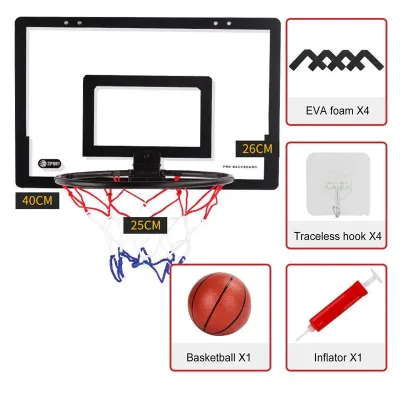
Selecting the right hoop forms the foundation of your home training environment. Over-the-door mini hoops offer a convenient option for indoor form shooting, particularly during rainy seasons or when outdoor space is unavailable. Before mounting one, verify the strength of your door frame and hinges, as repeated ball impacts can loosen standard residential hardware over time.
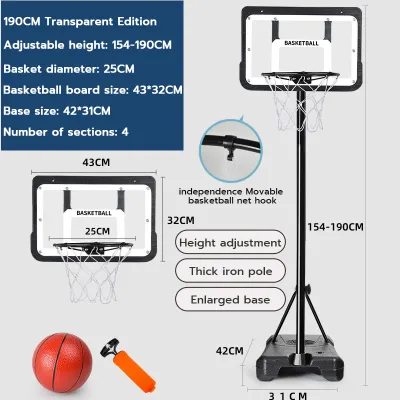
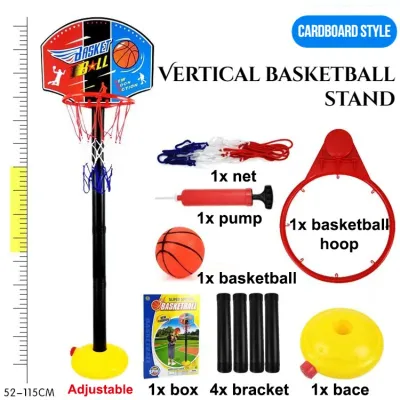
Portable basketball systems provide excellent flexibility for driveways and open outdoor spaces. When evaluating these systems, pay close attention to the base capacity and footprint; a larger base filled with sand or water ensures the hoop remains stable during windy tropical storms. In humid environments, look for powder-coated steel poles and UV-resistant backboards to prevent premature rusting and cracking.
For a permanent, high-performance setup, wall-mounted or in-ground hoops are the gold standard. Wall-mounted systems require solid structural studs or concrete walls to anchor the brackets safely, while in-ground hoops demand a dedicated concrete pad installation. These systems offer superior structural stability and realistic rebound action, making them ideal for serious players with dedicated training spaces.
Training Add-ons: When to Use Rebounders, Targets, and Return Systems
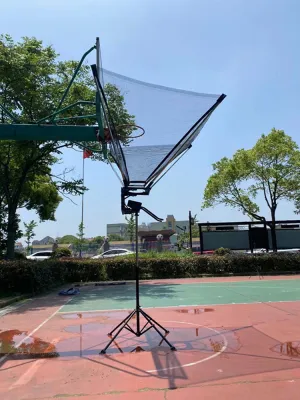
Once your hoop is established, supplementary tools can help address specific skill gaps. Rebounders and return nets attach directly to the rim or backboard frame to redirect the ball back to the shooter. These manual return systems are highly effective for solo, high-volume catch-and-shoot drills, provided you verify their compatibility with your specific rim design and backboard width.
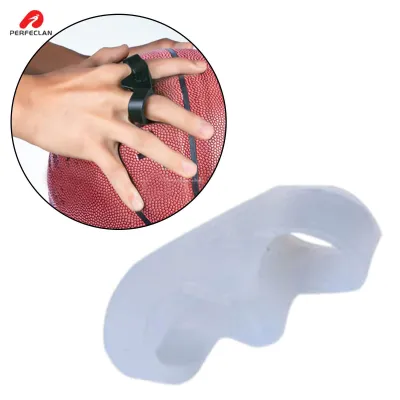
Shooting targets, such as visual straps or magnetic rim inserts, help correct flat arcs and poor accuracy. These tools narrow your visual focus to a smaller target within the hoop, encouraging a cleaner entry angle. They are highly cost-effective and easy to install, making them excellent choices if you struggle with depth perception or inconsistent shot trajectories.
Automated return systems, which use motorized nets to pass the ball back to various spots on the court, represent the premium tier of training gear. While they maximize shooting volume, they require significant storage space, a nearby power source, and a substantial financial investment. Instead of spending ‛10,000 or more on advanced automated systems, a simple manual return net often provides the best return on investment for most home players.
Safety, Installation, and Maintenance Boundaries
Operating home basketball equipment safely requires regular inspection and proactive maintenance. Always adhere strictly to the manufacturer’s weight limits and structural guidelines, especially when mounting backboards to residential walls or doors. Never hang from the rim of a portable system, as even heavily weighted bases can tip forward under sudden, concentrated loads.
The tropical climate in the Philippines presents unique maintenance challenges, particularly high humidity and heavy seasonal rainfall. Inspect metal components monthly for signs of rust, applying rust-inhibiting paint to any exposed steel to prevent structural failure. Check the stability of portable bases regularly; water-filled bases can experience evaporation or algae growth, so using dry sand is often a more stable, long-term solution for outdoor setups.
Establish clear stop conditions for your equipment to prevent accidents. If you notice structural creaking, loose mounting bolts, cracked backboards, or a shifting base, halt all practice immediately. Do not resume training until you have tightened all hardware, replaced worn nets, or consulted a professional installer to verify the structural integrity of your setup.
Frequently Asked Questions (FAQ)
Can I practice effective shooting without a physical hoop?
Yes, you can develop excellent shooting mechanics without a physical rim through shadow shooting and wall-target drills. Lying on your back and shooting the ball straight up into the air helps build a consistent release, wrist snap, and backspin. However, practicing without a hoop limits your ability to gauge depth perception and arc correction, meaning you must eventually transition to a real rim to refine your distance control.
How do I protect my indoor floors and walls from basketball damage?
To minimize property damage during indoor practice, swap standard leather or rubber basketballs for specialized foam training balls. These low-impact alternatives significantly reduce noise and protect drywall from scuffs and dents. Additionally, place heavy-duty rubber mats over hardwood or tile floors to absorb impact energy, and always clear the room of fragile items, low-hanging light fixtures, and wall decorations before starting.
Is it worth buying a mini hoop for serious skill development?
Mini hoops are excellent for low-impact form practice and wrist-extension drills, but they have limited utility for comprehensive skill development. The disproportionate ratio between a small ball and a mini rim does not translate accurately to standard regulation play. While they help maintain basic hand-eye coordination indoors, they should complement, rather than replace, training on a regulation-height hoop with a standard size-7 basketball.

Community discussion
Share your experience or ask a question. Comments are reviewed before publication.