
Deciding whether to invest in an automated basketball training system for your home is a significant step toward elevating your personal game. In the Philippines, where basketball is woven into the fabric of daily life, finding open, high-quality court space for focused, high-repetition shooting practice can be a constant challenge. An automated basketball training machine, such as the Hooplab system, promises to solve this by catching your shots and passing the ball back to you automatically, allowing you to get hundreds of shots up in a fraction of the time. However, determining if this premium equipment is truly worth the investment requires a careful look at your training goals, available residential space, and budget. For dedicated players looking to maximize their shot volume without a manual rebounder, an automated training machine can accelerate muscle memory, but it requires a significant physical footprint, stable electrical access, and a substantial financial commitment.
To make an informed decision, you must weigh the convenience of rapid-fire home practice against the practical realities of installing and maintaining a large, motorized sports appliance. This guide will walk you through the functional capabilities, spatial requirements, financial trade-offs, and pre-purchase checks to help you decide if this equipment fits your home setup.
Understanding the Hooplab Basketball Training Machine
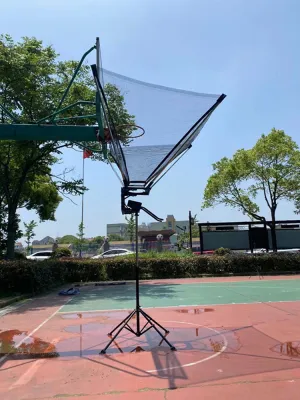
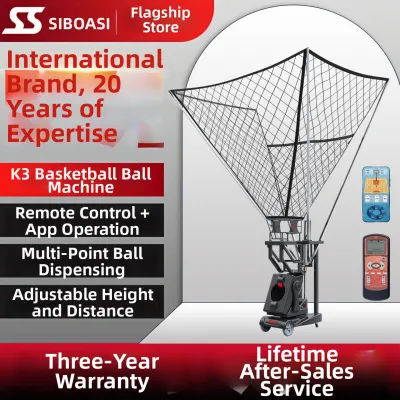
An automated basketball training machine is designed to streamline your practice sessions by eliminating the need to chase down rebounds. The system typically features a wide, expandable netting structure that mounts around your existing basketball hoop to catch both made and missed shots. The ball then rolls down a gravity-fed funnel into a motorized launching mechanism at the base, which uses rotating wheels or a mechanical arm to eject the ball back to you at designated intervals and angles. By automating this cycle, you can focus entirely on your shooting form, footwork, and physical conditioning without interruption.
Products mentioned in this guide
Prices are valid at publication and may change. Please refer to the product page for the latest price.
When evaluating these machines, you must verify the adjustable settings against your current skill level and training objectives. Most advanced systems allow you to customize the pass frequency, launching distance, and target locations on the court. For younger players or beginners, a slower feed rate and shorter pass distance are essential for developing proper shooting mechanics without feeling rushed. Conversely, advanced high school, collegiate, or club players require rapid, long-distance passes that simulate game-speed catch-and-shoot scenarios from the three-point line. Checking these specifications ensures the machine can grow with your skills over time.
Automated high-repetition drills are highly beneficial for specific player profiles. If you are a competitive athlete aiming for varsity selection, a recreational player dedicated to refining your shooting percentage, or a parent supporting multiple active players in the household, the sheer volume of shots you can take in a thirty-minute session is unmatched. The machine helps build consistent muscle memory by allowing you to repeat the exact same shooting motion from the same spot on the floor, which is difficult to replicate when chasing your own rebounds.
However, you must also recognize the inherent limitations of machine-assisted training. While it is an exceptional tool for mechanical consistency and cardiovascular conditioning, it cannot replace live, game-based practice. The machine does not simulate a defender closing out on you, nor does it teach you how to read a screen, drive past an opponent, or make split-second tactical decisions during a fast break. Equipment cannot replace coaching, live scrimmages, or physical training; it is a supplementary tool designed to refine your technical execution rather than your overall basketball IQ.
Evaluating Home Setup Requirements
Before purchasing a heavy, motorized training machine, you must conduct a thorough physical and spatial audit of your intended practice area. These machines require a substantial amount of space to operate safely and effectively. You need to check the manufacturer’s specified footprint for both the fully deployed netting system and the folded storage configuration. For indoor installations or covered outdoor courts, ceiling height is a critical constraint. A typical basketball shot arc can easily reach four to five meters high; if your ceiling or garage roof is too low, the ball will strike the ceiling, disrupting your rhythm and potentially damaging your property or the machine.

Additionally, the flooring surface must be level, stable, and durable. While concrete driveways, asphalt, or outdoor half-courts are common locations for home practice, you must ensure the surface is free of major cracks, slopes, or debris. The machine’s wheels or leveling feet must lock securely to prevent the unit from shifting or vibrating out of position during high-velocity passes. Operating the machine on an uneven surface can compromise passing accuracy and place unnecessary strain on the structural frame.
Power supply and electrical safety are paramount, especially when operating electronic sports equipment in the tropical climate of the Philippines. You must verify the voltage requirements of the machine—typically 220V for local households—and ensure you have access to a grounded, weather-protected electrical outlet. Cable management is vital to prevent tripping hazards during active drills; ensure that power cords are routed safely away from your footwork paths. If you are practicing on an outdoor driveway, always use outdoor-rated extension cords and never operate the machine in wet or highly humid conditions.
Finally, you must consider the environmental impact of your practice sessions on your household and neighbors. The mechanical hum of the motor, the thud of the ball hitting the backboard, and the repetitive sound of the launching mechanism can create significant noise and vibration. If you live in a dense residential subdivision, a townhouse complex, or a condominium with a shared outdoor area, this noise can easily become a disturbance. Consider the time of day you plan to practice and whether you need to place vibration-dampening mats under the unit to minimize the sound traveling through the ground.
Assessing the Investment: Price vs. Training Value
An automated basketball training machine represents a major financial commitment, often costing a substantial amount in Philippine Pesos (₱). To determine if this expenditure is justified, you must compare the initial purchase price against alternative training methods over a multi-year period. For instance, calculate the ongoing costs of renting local indoor courts, paying for private coaching sessions, or purchasing simpler manual rebounder nets. If the machine allows you to bypass expensive court rentals and travel costs, the long-term savings can help offset the upfront price.
To find your break-even point, estimate your expected weekly usage hours and consider how many players in your household will use the equipment. If a single player uses the machine for only one hour a week, the cost per training hour remains incredibly high over its lifespan. However, if multiple family members or neighborhood training partners share the machine for several hours a week, the cost per training hour drops dramatically. This high-frequency utilization makes the machine a highly cost-effective tool for households dedicated to serious athletic development.
When shopping for this equipment, you must be vigilant against common purchasing risks on online marketplaces and ecommerce platforms. Be cautious of listings with unusually low prices, as these may indicate counterfeit goods, refurbished units sold as new, or unauthorized resellers who cannot honor the manufacturer’s warranty. Additionally, always factor in the cost of freight shipping. Because these machines are heavy and bulky, shipping fees to provinces outside Metro Manila can add a substantial hidden cost to your final bill. Always request a complete shipping quote before finalizing your purchase.
Pre-Purchase Checklist and Buying Considerations
To ensure a smooth purchasing experience and protect your investment, you should follow a structured pre-purchase checklist before completing your transaction. Your first step should be verifying the seller’s credentials. Always purchase through official brand channels or verified authorized distributors in the Philippines to ensure you receive a genuine product. Check the specific terms of the manufacturer’s warranty, paying close attention to the coverage duration for the motor, electronic control board, and structural frame, as these are the components most susceptible to wear and tear.
Next, confirm the shipping dimensions and weight of the delivery crates. You must ensure that your driveway, gate, or doorway can accommodate a large freight delivery truck and that you have a safe space to store the crates before assembly. Ask the seller if they provide professional local assembly support, as putting together the complex netting system and calibrating the motorized launcher can be challenging and time-consuming for a single person. If professional assembly is not available, ensure you have access to detailed instructional manuals or video guides.
Finally, review the seller’s return and refund policies carefully. Returning a heavy, motorized sports machine due to a change of mind is often prohibitively expensive, as most retailers charge substantial restocking fees and require the buyer to cover the return freight costs. Ensure you have a direct line to customer service for troubleshooting and replacement parts before finalizing your purchase. Taking these precautions will help you avoid buyer’s remorse and ensure your home basketball setup is a success.
Frequently Asked Questions (FAQ)
Can the Hooplab machine be used outdoors?
You must check the manufacturer’s specifications regarding outdoor use, as most automated training machines are designed primarily for indoor environments or temporary outdoor use under dry conditions. The tropical climate in the Philippines, characterized by high humidity, intense UV exposure, and sudden rain showers, can quickly damage sensitive electronic components and rust the metal frame. If you choose to use the machine outdoors, you must store it indoors or under a heavy-duty, waterproof protective cover when not in use. Never operate the machine in the rain, on wet surfaces, or during periods of high humidity, as moisture can cause electrical shorts and mechanical failure.
What size basketballs are compatible with the machine?
To prevent jamming the feeding mechanism or damaging the internal motor, you must match your basketballs to the machine’s specific feeding tolerances. Most standard automated training machines are calibrated for official size 7 (men’s) and size 6 (women’s/youth) basketballs. Using non-standard sizes, heavily worn, deflated, or wet balls can cause the ball to get stuck in the funnel or slip on the launching wheels, which can place unnecessary strain on the motor. For consistent passing accuracy and smooth operation, always use clean, properly inflated composite leather or high-quality rubber basketballs that match the manufacturer’s guidelines.

Community discussion
Share your experience or ask a question. Comments are reviewed before publication.