
Finding the right wetsuit for women requires understanding how neoprene interacts with your body and the water. A properly fitting wetsuit should feel like a snug, uniform second skin. It must be tight enough to prevent water from constantly circulating through the suit, yet flexible enough to allow you to breathe deeply and move your limbs freely. Achieving this balance is the key to staying warm, comfortable, and safe during your dives.
Why Proper Fit Matters for Thermal Insulation and Mobility
Neoprene works by trapping a very thin layer of water between your skin and the suit. Your body heat warms this trapped water, creating an insulating barrier against the colder surrounding sea. If the suit is too loose, cold water constantly enters and exits—a process known as flushing. This continuous exchange strips away your body heat, leading to rapid cooling even in relatively warm tropical waters like those found around the Philippines.
Conversely, a suit that is too tight poses different risks. Excessive compression restricts your breathing by limiting chest expansion, impairs blood circulation to your extremities, and limits joint mobility. This can lead to premature fatigue, muscle cramps, or even panic underwater. Equipment cannot replace proper training and personal judgment, so recognizing these physical limits before you submerge is essential.
Products mentioned in this guide
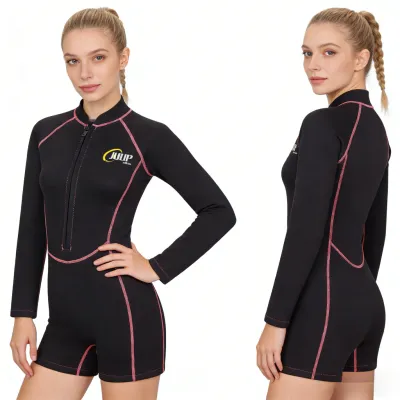
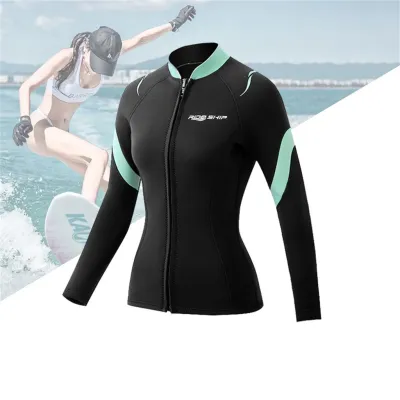
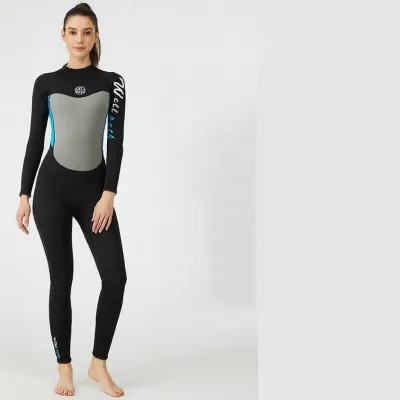
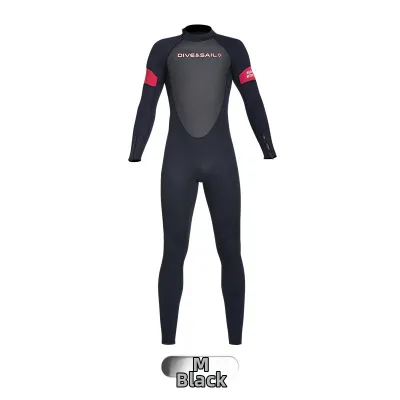

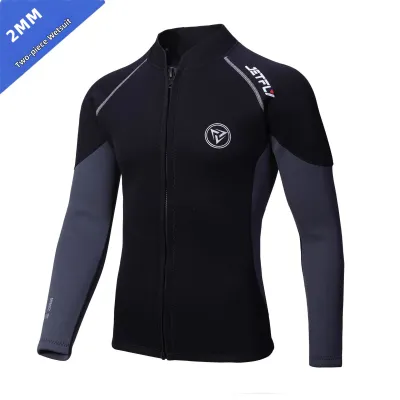
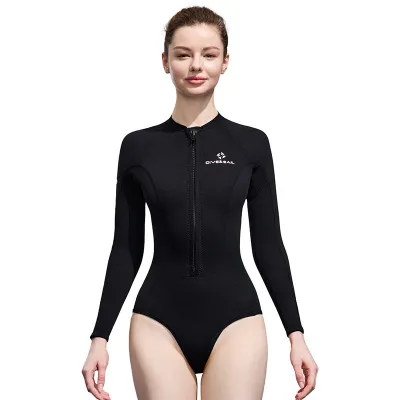
Prices are valid at publication and may change. Please refer to the product page for the latest price.
Women’s specific wetsuits are tailored to address these physiological differences. Unlike unisex or men’s suits, which often feature straight cuts, women’s wetsuits are designed with distinct hip-to-waist ratios, narrower shoulders, and specific torso lengths. These design adjustments help eliminate the empty pockets of air or water that typically form in the lower back, waist, and chest areas of a poorly fitting unisex suit.
Step-by-Step Fit Check: Evaluating Key Body Zones
To ensure your wetsuit fits correctly, you should perform a systematic check from your core outward to your extremities. This method helps you identify specific areas of tension or looseness before you commit to a purchase or head out on a dive boat.

Neck, Torso, and Crotch
Start by evaluating the neck seal. The collar should sit flat against your skin to minimize water entry, but it must not press against your windpipe or cause a choking sensation. You should be able to slide a finger comfortably under the collar to verify that it is snug but safe.
Next, examine the torso. The neoprene should hug your chest, waist, and lower back without any sagging or hollow spaces. A common issue for women is a gap at the small of the back; if you feel a void there, water will pool and cool your core. The torso length must also be correct. If it is too short, the suit will pull downward on your shoulders and upward at the crotch, causing discomfort and restricting your ability to stand fully upright.
The crotch area should fit snugly against your body. If there is a gap or sag in the crotch, the suit will ride up uncomfortably as you move, and the excess material will cause painful chafing during long surface swims or while finning against a current.
Shoulders, Arms, and Legs
Move your attention to your shoulders and limbs. Your shoulders require a full range of motion to handle tasks like reaching your tank valve, adjusting your buoyancy compensator, or swimming. Rotate your arms in wide circles; you should feel some resistance from the neoprene, but it should not feel like an exhausting struggle to lift your arms.
Check the wrist and ankle seals. These openings should fit firmly against your skin to block water entry. However, they must not squeeze so tightly that they restrict blood flow, which can cause your hands and feet to feel cold or numb. If you experience tingling, treat this as a stop condition and remove the suit immediately.
Look for any bunching of excess material. Neoprene that folds or wrinkles behind your knees, inside your elbows, or under your armpits will rub against your skin as you move. Over the course of a multi-dive day, this friction can lead to painful skin irritation and rashes.
Identifying Common Fit Issues and Adjustments
Recognizing the warning signs of a poor fit can save you from a miserable diving experience. If a suit is too small, you may experience tingling or numbness in your fingers or toes, find it difficult to take a full, deep breath, or notice deep, painful red marks on your skin after taking the suit off. If you experience any of these symptoms while trying a suit on, you need to size up or try a different cut.
On the other hand, a suit that is too large will show obvious signs of water pooling. If you notice loose, baggy material under your armpits, a noticeable gap at your lower back, or sleeves and legs that roll up easily, the suit will not keep you warm.
Because body shapes vary widely, standard size charts are only a starting point. Different brands use different sizing templates; some are cut narrower in the shoulders, while others offer more room in the hips. If you find yourself between sizes, trying multiple brands is often the best way to find a match. For unique proportions, some divers choose custom-tailored wetsuits to ensure an exact fit.
How to Test Your Wetsuit Fit Before Entering the Water
Before you head to the dive site, perform a few simple land tests to verify the suit’s fit. First, stand up straight and extend your arms fully overhead. Simulate swimming strokes and reach behind your neck as if reaching for your tank valve. This helps you gauge the tension across your chest and shoulders.
Next, perform a deep squat and bend forward at the waist. This movement tests the flexibility of the lower back and knees. The suit should stretch with you without pulling excessively at the shoulders or crotch, and the knees should not feel painfully compressed.
Finally, stand still and take several slow, deep breaths. Your chest and diaphragm should be able to expand fully. If you feel a restrictive tightness that makes you want to breathe shallowly, the suit is too tight across the torso and could lead to hyperventilation or anxiety underwater.
Frequently Asked Questions (FAQ)
Should a new wetsuit feel tight when trying it on dry?
Yes, a new wetsuit should feel surprisingly snug when you try it on dry. Neoprene is a highly flexible material that softens, stretches, and becomes much more pliable once it is wet. When you first put a dry suit on, it may feel slightly restrictive and difficult to pull over your hips and shoulders. As long as it does not restrict your breathing, cut off your circulation, or pinch your skin, this initial dry tightness is normal and necessary to ensure a proper seal once you submerge.
Does wetsuit thickness change how it should fit?
Yes, the thickness of the neoprene directly impacts how the suit feels and moves. Thicker suits, such as 5mm or 7mm models used for cooler waters, are inherently stiffer and offer less natural stretch than thinner 2mm or 3mm tropical suits. When trying on a thicker wetsuit, you will experience more resistance during movement, and the suit may feel tighter overall. While the fit criteria remain the same—it must still seal well without restricting breathing—you should expect a more structured feel and slightly reduced mobility when transitioning to thicker neoprene.

Community discussion
Share your experience or ask a question. Comments are reviewed before publication.