
Choosing the right running vest capacity is a balance between carrying what you need and avoiding unnecessary weight. The ideal storage volume depends on your typical running distance, the climate, and the specific gear required for your route. For short daily runs, a minimalist vest of 2 to 5 liters keeps you light and fast. For longer trail runs or self-sustained training sessions where you must carry hydration, nutrition, and weather protection, a 5- to 12-liter vest offers a practical balance of storage and stability. Ultra-marathons or remote wilderness runs often demand 12 liters or more to accommodate mandatory safety kits and extra layers.
Understanding Running Vest Capacity Measurements
When shopping for a running vest, the capacity is almost always listed in liters (such as 2L, 5L, or 12L). However, this number represents the total volume of all compartments combined, not just the main rear pocket. A vest rated at 5 liters might distribute that volume across a large back compartment, side stash pockets, and front harness pockets.
Hydration systems also impact usable space. Sliding a 1.5-liter bladder into the rear sleeve of a 5-liter vest immediately reduces the remaining space for dry gear. Front-harness soft flasks also occupy volume, though they shrink as you drink, gradually freeing up chest space.
Products mentioned in this guide
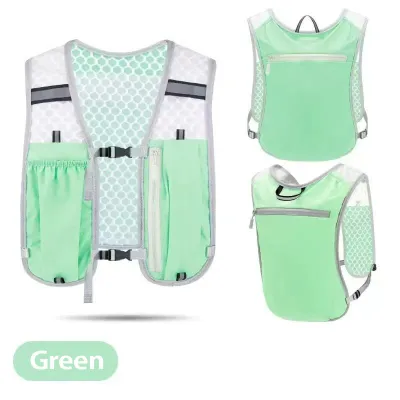
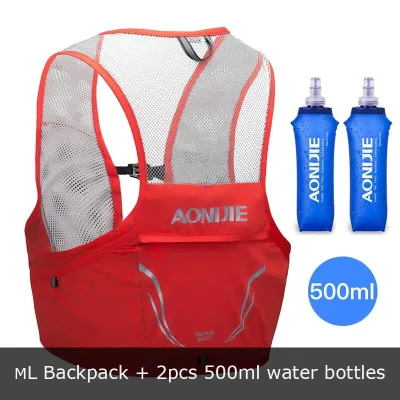
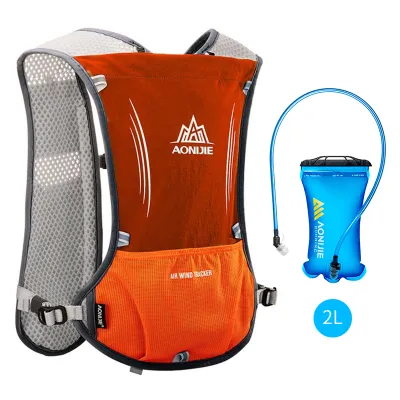
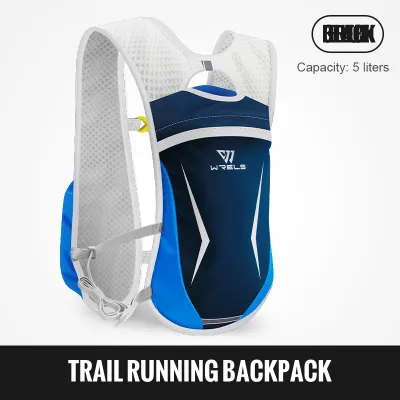
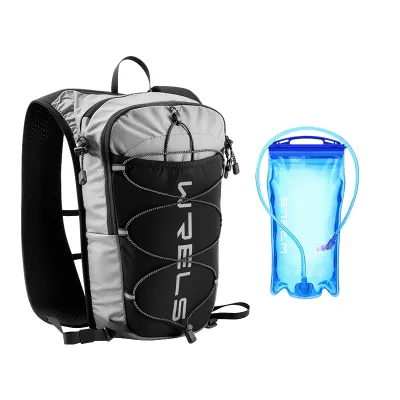
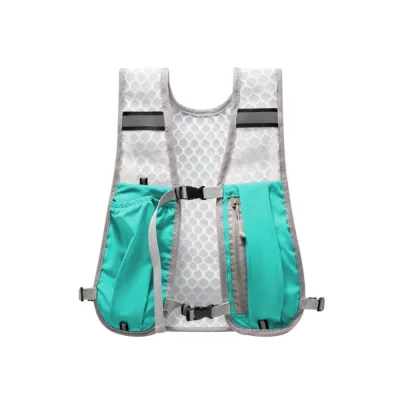

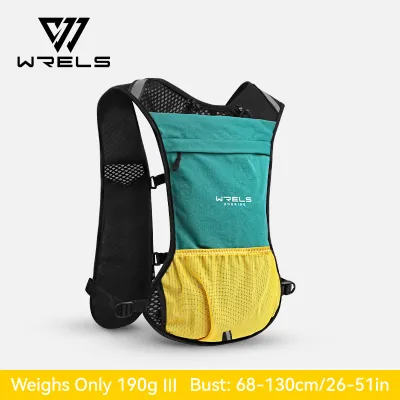
Prices are valid at publication and may change. Please refer to the product page for the latest price.
Pocket design also dictates carrying capacity. Highly elastic stretch fabrics and gusseted pockets expand far beyond their flat dimensions, allowing you to stuff a lightweight jacket or extra nutrition into small spaces. Conversely, stiff, non-stretch materials offer fixed volumes but provide more structure and protection for delicate items like your phone.
How to Calculate Your Gear Requirements
To determine your ideal capacity, lay out the gear you must carry on a typical run. Divide these items into mandatory safety gear—such as a whistle, basic first-aid kit, emergency blanket, and headlamp—and personal items like your smartphone, keys, nutrition gels, and salt tablets.

Next, evaluate your hydration strategy. In hot and humid tropical climates, such as running in the Philippines, staying hydrated is a primary safety concern. You will need to carry more water, choosing between a rear hydration bladder, front-mounted soft flasks, or both. A rear bladder holds more volume (typically 1.5 to 2 liters) but can feel heavy and slosh if not compressed. Front flasks (usually 500ml each) distribute weight more evenly and are easier to refill, but they occupy valuable front pocket space.
Finally, account for environmental variables. While you may not need heavy thermal layers in tropical conditions, sudden downpours are common. You will likely need space for a lightweight, packable rain jacket or a waterproof dry bag to protect electronics from sweat and heavy rain. If you plan to run in high-altitude mountain areas, factor in space for a windbreaker or arm sleeves.
Matching Capacity to Running Distance and Scenarios
For short urban runs lasting under an hour, a minimalist vest with a capacity of 2 to 4 liters is usually sufficient. These low-profile vests focus on securing your phone, keys, and a single soft flask without adding unnecessary bulk or heat retention. They fit snugly against your body, mimicking a second skin to minimize movement during fast-paced workouts.
For medium to long training runs lasting two to four hours, a 5- to 8-liter vest is the standard choice. This capacity range provides a balanced layout, allowing you to carry up to a liter of water in front flasks, several hours’ worth of nutrition, a light windbreaker, and small personal items. It offers enough versatility for road runners tackling marathon training and trail runners exploring local park systems.
For ultra-distance races or remote trail runs, you will likely need a high-capacity vest of 10 to 15 liters. Many organized trail races enforce a mandatory gear list that includes specific safety items, backup lighting, and extra clothing layers. A larger vest ensures you can pack these items securely without straining the zippers or seams. When selecting a high-capacity vest, always verify the manufacturer’s specific compartment dimensions and pocket layouts rather than relying solely on the total liter rating, as some designs prioritize one large rear compartment while others distribute space across multiple smaller pockets.
Fit, Bounce, and Weight Distribution
A running vest’s capacity is only as good as its fit. A fully loaded 12-liter vest behaves very differently than an empty one. If the weight is not distributed correctly, the vest will bounce, rub, and cause painful chafing over long distances. To prevent this, look for a vest that balances weight between the front and back. Placing heavy water flasks on your chest helps counterbalance the gear packed into the rear compartment, maintaining your natural running posture and reducing shoulder fatigue.
Adjustability is key to managing a changing load. As you drink your water and eat your nutrition, the volume inside the vest decreases. Quality vests feature adjustable sternum straps, side bungee cords, or compression systems that allow you to cinch the vest tighter as the run progresses. This keeps the remaining gear compressed against your torso, eliminating bounce.
Before purchasing, always consult the manufacturer’s specific sizing guide. Unlike traditional backpacks, running vests are sized more like clothing. You will need to measure your chest or torso circumference to find the correct fit. Pay close attention to the adjustment mechanisms—some vests use simple click-in straps, while others utilize dial-fit systems or elastic cords to customize the snugness on the fly. Investing in a quality running vest—which can range from ₱3,000 to over ₱8,000 depending on the technical features—is a long-term decision that directly impacts your running comfort.
Frequently Asked Questions (FAQ)
Does a running vest's listed capacity include hydration bladders?
Generally, the listed capacity of a running vest refers to the total cargo storage volume of all pockets combined, not the volume of the hydration bladder. However, inserting a full 1.5-liter or 2-liter bladder into the rear compartment will physically compress the surrounding fabric, reducing the actual space available for other gear. If you plan to use a large bladder regularly, consider choosing a vest with a slightly higher overall liter rating to compensate for this lost space.
Can I use a larger capacity vest for short runs?
Yes, you can use a larger vest for shorter runs, but it comes with trade-offs. If a 12-liter vest is mostly empty, the loose fabric and unsecured interior items may bounce or shift while you run. To make a larger vest work for short distances, ensure it has highly adjustable compression straps or bungee systems that allow you to pull the excess material tight against your body. If you want a single vest for all distances, a highly adjustable 5- to 8-liter model is often the most versatile compromise.

Community discussion
Share your experience or ask a question. Comments are reviewed before publication.