
Verifying the authenticity of a Shimano fishing reel requires a systematic inspection of its physical build, serial numbers, packaging, and the credibility of the seller. In the Philippines, where tropical humidity, intense heat, and saltwater environments put immense stress on fishing tackle, using genuine gear is essential for both performance and safety. Counterfeit reels have become increasingly sophisticated, making it crucial for anglers to know exactly what to look for before completing a purchase.
Whether you are casting from the shores of Batangas, trolling in Siargao, or exploring freshwater lakes, your reel must withstand demanding conditions. A genuine reel is engineered with precise tolerances and specialized materials designed to resist corrosion and handle heavy loads. By learning how to spot the subtle differences between authentic products and cheap imitations, you can protect your investment and ensure your gear performs reliably when a fish is on the line.
Why Counterfeit Fishing Reels Pose a Risk
Using a counterfeit fishing reel introduces significant risks of mechanical failure at critical moments. During a fight with a strong local species, such as a giant trevally (talakitok) or a mangrove jack (mangagat), the extreme tension placed on the gear train can cause low-grade internal components to shear or strip. A sudden failure of the drag system, such as slipping or seizing, can result in a snapped line, lost fish, and potentially dangerous backlash if the spool overruns.
Products mentioned in this guide
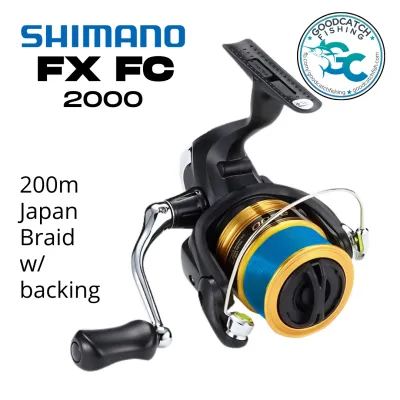
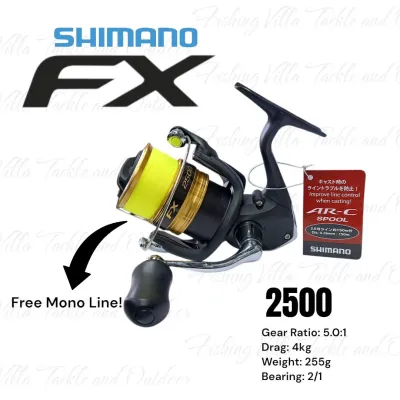
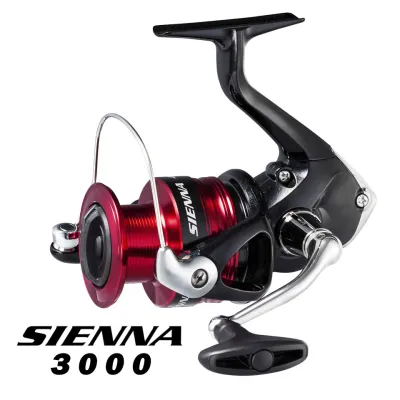
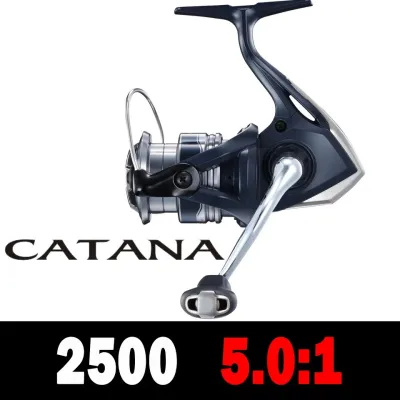
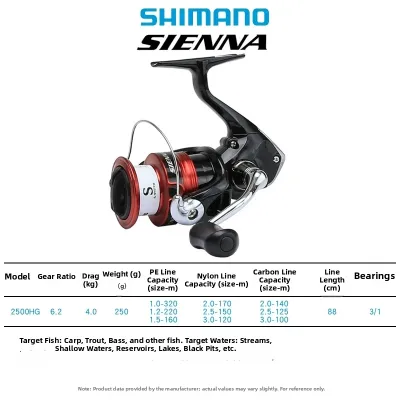
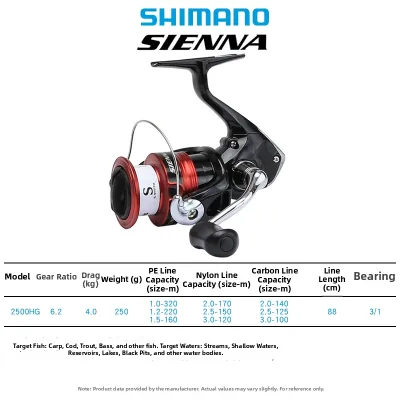
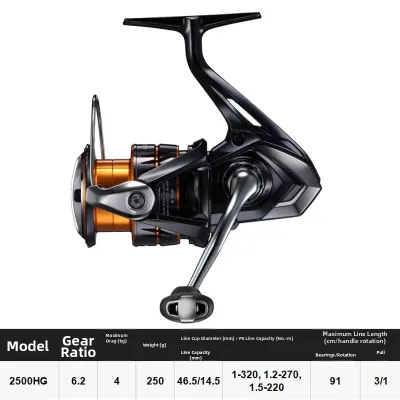
Prices are valid at publication and may change. Please refer to the product page for the latest price.
The tropical climate of the Philippines accelerates the degradation of inferior materials. Genuine reels utilize corrosion-resistant surface treatments and high-quality alloys or carbon composites. Counterfeits, however, often rely on cheap pot metals, low-grade plastics, and unshielded bearings. When exposed to saltwater spray and high humidity, these materials quickly oxidize, leading to seized bearings, stiff rotation, and structural failure within just a few outings.
Purchasing a counterfeit product also means forfeiting all manufacturer support. Genuine Shimano products are backed by warranties and a network of authorized service centers that provide access to schematic-matched replacement parts. If a fake reel breaks, you will not be able to source official replacement components, such as drag washers or bail springs, rendering the entire reel useless. This lack of after-sales support turns an initially cheap purchase into a complete loss.
Physical Inspection: Build Quality and Visual Markings
A primary method for identifying a fake reel is comparing its physical weight and balance against the manufacturer’s official specifications. Counterfeiters often use heavier, cheaper metals or lighter, fragile plastics to mimic the appearance of advanced composites. Use a digital scale to weigh the reel and cross-reference the reading with the specifications listed on the official regional website. Even a discrepancy of a few grams can indicate the use of incorrect internal or external materials.

Examine the surface finish, paint quality, and logo alignment with a critical eye. Genuine manufacturing processes ensure a flawless, baked-on paint finish without bubbles, runs, or uneven textures. Look closely at the Shimano logo and model decals on the spool and body; on authentic reels, these markings are crisp, perfectly aligned, and often engraved or chemically etched rather than cheaply printed. Misaligned text, blurry fonts, or decals that peel easily are clear indicators of a counterfeit.
The mechanical operation of the reel provides immediate clues regarding its authenticity. Turn the handle slowly to assess the smoothness of the internal gears, the bail arm transition, and the rotation of the drag knob. Genuine reels are assembled with tight tolerances, resulting in a smooth, quiet rotation with virtually no back-play or grinding sensations. If you feel uneven resistance, hear clicking noises that do not belong to the design, or notice excessive wobble in the handle or spool, the reel may be a fake.
Do not overlook the packaging and included accessories. Authentic boxes are constructed from sturdy, high-quality cardboard with sharp, high-resolution printing and accurate color reproduction. Check the labels on the box for spelling errors, incorrect model codes, or blurry barcodes. Inside, the reel should be securely packed alongside a cleanly printed user manual, an exploded parts diagram, and any standard accessories, such as spool adjustment washers or a protective pouch, depending on the specific model.
Verifying Serial Numbers and Documentation
Every genuine Shimano reel features specific product identifiers that can be used to verify its origin. Locate the serial number sticker, which is typically found on the reel foot—the part that attaches to the fishing rod. Inspect the font, alignment, and quality of this sticker. Authentic stickers are durable, precisely cut, and feature clean, uniform printing. If the sticker is crooked, has blurry text, or is easily scratched off, the reel requires closer scrutiny.
Carefully review the documentation included in the box. The user manual, warranty card, and exploded parts diagram should be printed on high-quality paper with clear, legible text and diagrams. Counterfeit packages often contain poorly photocopied schematics, manuals with obvious grammatical errors, or documents written in languages that do not match the intended distribution region. Ensure the model code on the documentation matches the code on the reel and the box exactly.
While physical and document checks are highly effective, counterfeiters constantly improve their methods. If you remain uncertain about a reel’s authenticity after performing these checks, the most reliable step is to contact an authorized distributor or the brand’s regional customer support. They can verify serial numbers against their databases and provide definitive confirmation, helping you avoid relying solely on visual assessments.
Evaluating Sellers and Purchase Channels
Minimizing the risk of buying a counterfeit reel starts with choosing the right purchase channel. Whenever possible, buy from authorized physical tackle shops or official brand stores on major e-commerce platforms. Authorized dealers receive their stock directly from official distributors, ensuring product authenticity and securing your eligibility for local warranty coverage. Be cautious of independent, unverified third-party sellers who cannot provide proof of authorized sourcing.
Pricing is one of the most reliable red flags when shopping online. If a high-end reel that typically retails for ₱8,000 is listed on an online marketplace for ₱2,000, it is highly likely to be a counterfeit. While seasonal promotions and clearance sales occur, prices that drastically undercut standard market rates are rarely genuine. Compare prices across multiple reputable local shops to establish a realistic baseline before making a purchase.
Before committing to a transaction, thoroughly evaluate the seller’s profile and product listings. Check customer reviews specifically looking for mentions of product authenticity, build quality, or packaging issues. Be skeptical of listings that rely solely on generic stock photos rather than actual images of the product in stock. A reputable seller should be willing to provide additional, clear photos of the specific reel, including the reel foot sticker and packaging, upon request.
What to Do If You Suspect a Counterfeit Reel
If you suspect you have received a counterfeit reel, immediate action is necessary to protect your investment. Begin by documenting the unboxing process. Take clear, well-lit photographs and videos of the packaging, the reel from multiple angles, the serial number sticker, and any included documentation. This visual evidence is critical when filing a dispute and proving that the item delivered does not match the genuine product described in the listing.
Initiate a dispute resolution process through the e-commerce platform or your payment provider as quickly as possible. Most online marketplaces have strict buyer protection windows during which funds are held before being released to the seller. Submit your documented evidence, highlighting the specific physical discrepancies and packaging flaws, to support your claim for a full refund. Avoid using the reel, as any signs of wear may complicate the return process.
Finally, report the incident to help protect the wider angling community. You can submit a report to local consumer protection agencies or notify the brand’s regional office about the seller distributing counterfeit goods. Sharing your experience in local fishing groups and forums can also raise awareness, helping fellow anglers in the Philippines avoid falling victim to the same fraudulent listings.
Frequently Asked Questions (FAQ)
Can I verify a Shimano reel's authenticity using a QR code?
Some modern Shimano reels distributed in specific regions feature QR codes on the packaging or warranty cards for registration and verification. However, the absence of a QR code does not automatically mean the reel is counterfeit, as packaging standards vary by region and production year. If a QR code is present, ensure it directs you to an official domain rather than an unverified third-party website, which could be a phishing page designed to mimic official verification.
Do original Shimano reels always come with a warranty card?
The inclusion of a physical warranty card depends on the region of distribution and the specific authorized importer. In the Philippines, genuine reels imported through official distribution channels typically include a localized warranty card or sticker from the authorized distributor. If you purchase a reel through parallel import channels or unauthorized sellers, it may lack this local warranty documentation, even if the reel itself is physically genuine.

Community discussion
Share your experience or ask a question. Comments are reviewed before publication.