
When disaster strikes or sudden tropical storms disrupt an outdoor expedition, a reliable shelter is your primary line of defense. In the Philippines, where typhoons, heavy monsoon rains, and high humidity are constant environmental factors, choosing the right 2-person emergency tent requires careful attention to technical specifications. A sub-standard shelter can quickly lead to water ingress, structural failure, or suffocating condensation.
To secure your safety, a proper emergency shelter must offer rapid deployment, robust waterproofing, and excellent ventilation. It should serve as a dependable shield that fits seamlessly into your emergency go-bag or hiking pack without weighing you down.
Quick Answer: Core Specifications at a Glance
When selecting a 2-person emergency tent, prioritize these baseline specifications to ensure survival-ready performance:
Products mentioned in this guide
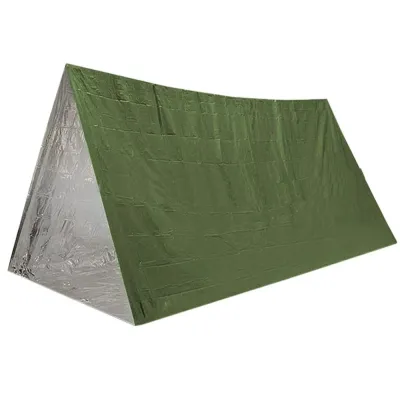
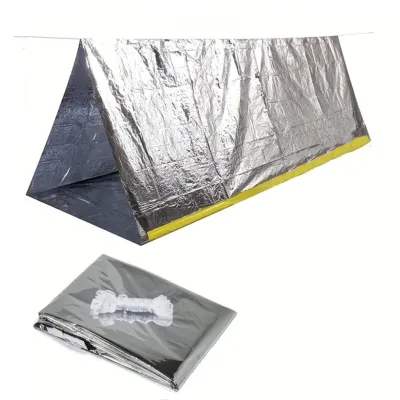
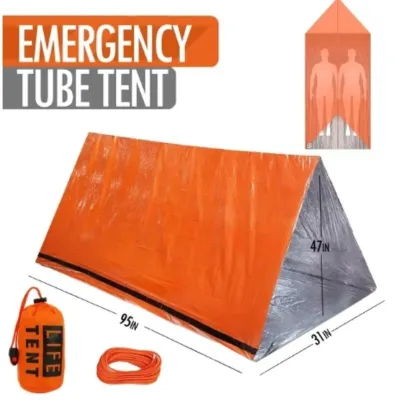
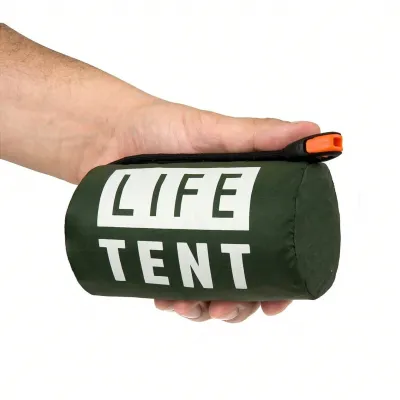
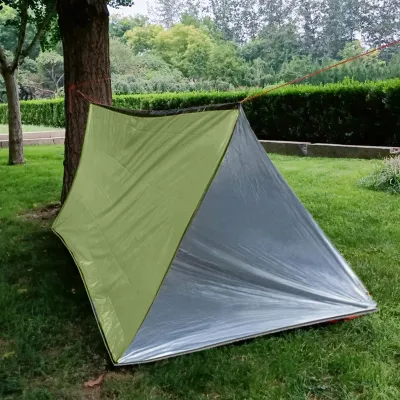
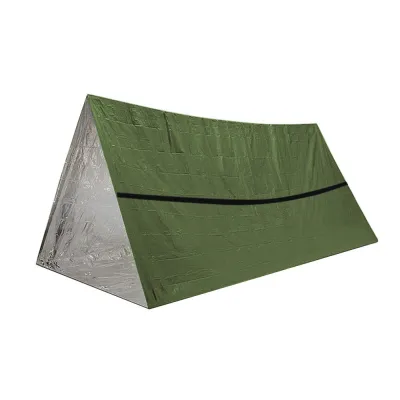
Prices are valid at publication and may change. Please refer to the product page for the latest price.
- Target Weight: Aim for a trail weight between 1.8 kg and 2.5 kg. Anything heavier becomes a burden during rapid evacuations, while lighter options may compromise structural durability.
- Packed Dimensions: Look for a packed size of approximately 45 cm x 15 cm or smaller, allowing the tent to fit inside a standard 50-liter emergency backpack.
- Waterproofing Rating: A minimum of 2,000 mm hydrostatic head for the rainfly and 3,000 mm for the tent floor is essential to withstand heavy tropical downpours.
- Setup Time: The tent should be pitchable in under five minutes, even in low-light conditions or high winds.
- Structure Type: A freestanding dome design is highly recommended, as it can be pitched on hard surfaces like concrete evacuation centers or rocky terrain where stakes cannot be easily driven.
Critical Weather Protection and Durability
Tropical weather demands uncompromising material quality. A tent that performs well in mild, temperate climates can easily fail under the intense rainfall and gusty winds typical of the Philippine monsoon seasons.

Waterproofing and Seam Construction
The ability of a tent fabric to resist water penetration is measured by its hydrostatic head rating, expressed in millimeters. For tropical environments, do not settle for generic emergency shelters that lack clear ratings.
- Rainfly Fabric: Look for polyester or nylon fabrics treated with polyurethane (PU) or silicone coatings. A rainfly rating of 2,000 mm to 3,000 mm ensures that water will bead up and roll off during prolonged downpours rather than soaking through the fibers.
- Floor Durability: The tent floor experiences high pressure from your body weight, which can force ground moisture through the fabric. Ensure the floor has a rating of at least 3,000 mm to 5,000 mm.
- Bathtub Floor Design: Verify that the floor fabric extends several inches up the sides of the tent before meeting the wall mesh. This bathtub design prevents pooling water and mud from seeping through the lower seams.
- Seam Taping: Water is most likely to enter through needle holes created during stitching. Check that all seams on the rainfly and floor are factory-sealed with hot-applied waterproof tape. Avoid tents that rely solely on double-stitching without protective taping.
Wind Resistance and Structural Integrity
High winds often accompany tropical depressions and sudden mountain storms. The structural design and pole materials determine whether your tent stands firm or collapses under pressure.
- Pole Material: Aluminum poles (such as 7000-series aluminum) offer significant advantages over fiberglass. Aluminum provides excellent flexibility, bends without snapping under sudden gusts, and is significantly lighter. Fiberglass poles are heavier, brittle, and can splinter catastrophically in high winds, potentially tearing the tent fabric.
- Aerodynamic Shape: Low-profile dome or semi-geodesic designs shed wind efficiently from all directions. Avoid tall, boxy cabin-style tents for emergency use, as their flat walls act like sails and catch the wind.
- Guyline Attachment Points: Ensure the rainfly features multiple reinforced guyline loops. Guylines distribute wind forces across the entire frame, preventing localized pole failure. Look for reflective guylines to prevent tripping hazards in the dark.
- Stakes and Anchors: Standard steel pegs are often heavy and bend easily in hard clay. Opt for lightweight aluminum Y-stakes or V-stakes, which provide excellent holding power in loose soil, sand, or rocky mountain ground.
Weight, Packed Size, and Setup Speed
In an emergency, every second and every gram counts. Your shelter must be highly portable and simple enough to pitch when fatigue, darkness, or panic sets in.
- Base Weight vs. Trail Weight: When comparing options, distinguish between these two metrics. Base weight typically includes only the tent body, rainfly, and poles. Trail weight includes stakes, guylines, and stuff sacks. For a 2-person emergency tent, the total packed weight should ideally not exceed 2.7 kg to ensure it remains manageable during long treks or evacuations.
- Packed Volume: A compact packed size is critical. If a tent is too bulky, it will force you to strap it to the outside of your pack, exposing it to rain, brush, and potential damage. Look for compression stuff sacks that allow you to reduce the tent's volume to the size of a large water bottle or a small sleeping bag.
- Freestanding vs. Non-Freestanding: Freestanding tents use a self-supporting pole structure that maintains its shape without needing stakes. This is a crucial feature for emergency scenarios, as it allows you to set up shelter on concrete floors, gymnasiums, paved roads, or wooden platforms. Non-freestanding tents require stakes and tensioned guylines to stand, making them difficult or impossible to pitch on hard, non-penetrable surfaces.
- Rapid Pitching Systems: Look for tents featuring color-coded poles and matching grommets or clips. This simple design detail allows you to match the correct pole to its corresponding attachment point instantly, reducing setup time to a minimum. Clip-on attachment systems are generally faster and easier to manage in high winds than traditional pole sleeves, which can catch wind and act like a sail during assembly.
Space, Ventilation, and Comfort for Two
While emergency shelters prioritize survival over luxury, a minimum level of space and ventilation is necessary to prevent physical exhaustion and severe condensation buildup.
- Interior Dimensions: A true 2-person tent should provide a minimum floor width of 120 cm to 130 cm and a length of at least 210 cm. This ensures that two average-sized adults can lie down side-by-side without pressing against the wet walls of the tent. A peak height of 100 cm or more is recommended to allow both occupants to sit up comfortably to change clothes or organize gear.
- Vestibule Space: A vestibule is an extension of the rainfly that creates a covered storage area outside the inner tent door. Having at least one, or preferably two, vestibules is essential for emergency use. It allows you to store wet backpacks, muddy boots, and cooking gear protected from the rain, keeping the interior sleeping area clean, dry, and spacious enough for two people.
- Ventilation and Condensation Control: In the hot, humid climate of the Philippines, condensation is a major challenge. As occupants breathe, moisture condenses on the cool inner walls of the tent. To combat this, choose a double-wall tent with a highly breathable mesh inner body and a separate waterproof rainfly. Dual-door configurations and adjustable rainfly vents create a chimney effect, drawing cool air in from the bottom and pushing warm, moist air out through the top. Single-wall emergency bivvies or cheap plastic shelters should only be used as absolute last resorts, as they trap moisture rapidly, leaving you damp and cold by morning.
Adapting to Philippine Terrains and Climates
The diverse geography of the Philippines—ranging from humid coastal beaches to cool, rugged mountain peaks—presents unique challenges for outdoor gear.
- High Humidity and Mold Resistance: Constant exposure to moisture and warmth creates the perfect breeding ground for mold and mildew, which can degrade tent fabrics and ruin waterproof coatings. Look for tents treated with anti-fungal or mold-resistant coatings. After any exposure to rain or high humidity, it is vital to dry the tent completely before packing it away for long-term storage.
- Ground Conditions and Footprints: Philippine terrains vary from abrasive volcanic rock and sharp coral sand to thick, sticky clay mud. To protect your tent floor from punctures and abrasions, always use a matching footprint (groundsheet). A footprint acts as a sacrificial barrier, extending the lifespan of your tent floor and adding an extra layer of waterproofing against saturated ground.
- UV Degradation: The intense tropical sun can rapidly weaken synthetic fabrics, causing them to become brittle and tear easily. If you anticipate using your emergency tent for extended periods during the dry season, verify if the rainfly fabric features UV-resistant coatings or is made of polyester, which naturally resists UV damage better than nylon.
Building Your Shortlist: Evaluation Checklist
When you are ready to purchase, avoid relying solely on marketing claims. Use this structured checklist to evaluate potential 2-person emergency tents:
- Verify Specifications: Cross-reference manufacturer claims with independent user reviews and outdoor forums. Look for real-world feedback regarding how the tent handles heavy rain, high winds, and condensation.
- Inspect the Warranty and Parts: Check if the brand offers a reliable warranty or sells replacement parts locally. In the Philippines, having access to spare pole segments, replacement rainflies, or patch kits is highly valuable, as shipping parts from overseas can be costly and slow.
- Balance Budget and Safety: High-quality emergency tents generally range from ₱3,000 to ₱12,000 or more. While it is tempting to purchase an inexpensive ₱500 shelter from an online marketplace, these cheap options often use low-grade fiberglass poles, thin single-wall fabrics, and lack taped seams. For emergency preparedness, invest in a mid-range to premium double-wall tent that guarantees weather protection when your safety is on the line.
Frequently Asked Questions (FAQ)
Can a 2-person emergency tent comfortably fit two adults with large backpacks?
In most cases, a standard 2-person tent will feel cramped if you attempt to store two large 50-liter to 70-liter backpacks inside the sleeping compartment. To maintain comfortable sleeping space, utilize the tent’s vestibules to store your packs and muddy footwear. If you anticipate spending extended periods inside the shelter with all your gear, or if the occupants are of larger build, it is highly advisable to scale up to a lightweight 3-person tent to ensure adequate space and comfort.
How should I maintain an emergency tent after using it in heavy rain?
Never store a wet or damp tent, as mold and mildew will develop within 24 to 48 hours, permanently damaging the waterproof coatings. As soon as you return home, pitch the tent in a shaded, well-ventilated area out of direct sunlight until it is completely dry. Gently wipe away any mud or dirt using a soft sponge and clean water; avoid harsh detergents or washing machines, which strip away waterproof treatments. Once dry, store the tent loosely in a breathable mesh bag or a cool, dry closet rather than compressed tightly in its travel stuff sack.

Community discussion
Share your experience or ask a question. Comments are reviewed before publication.