
Finding the right 3×3 heavy duty tent for camping in the Philippines means preparing for a climate that can shift from intense tropical heat to torrential downpours within a single afternoon. The term “heavy duty” is frequently used by online sellers, but true durability depends on specific material standards, frame engineering, and weatherproofing features. By understanding how to evaluate these technical specifications, you can select a shelter that keeps you dry during the monsoon season and stands firm against coastal winds.
This guide breaks down the essential criteria for choosing a 3×3-meter outdoor shelter. Whether you need a fully enclosed sleeping cabin for family weekend trips or a robust canopy to serve as a communal basecamp, focusing on verified material ratings rather than marketing buzzwords will ensure your investment survives the demanding local environment.
Clarifying the "3×3" Form Factor for Your Campsite
Before browsing online marketplaces, you must determine which style of 3×3-meter tent fits your camping style. A common mistake is purchasing a heavy-duty canopy when you actually need an enclosed sleeping tent, or vice versa. These two formats serve entirely different purposes on the campsite and require distinct packing and transport considerations.
Products mentioned in this guide
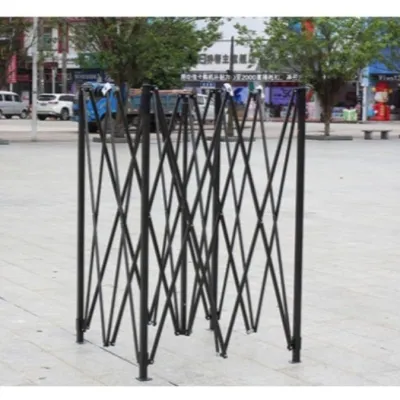
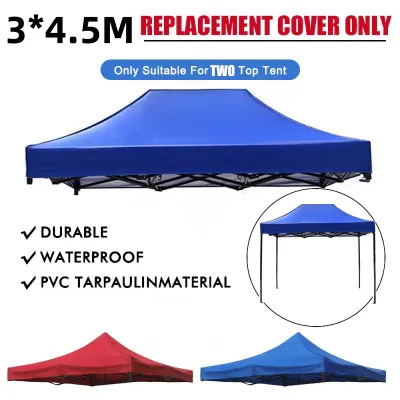
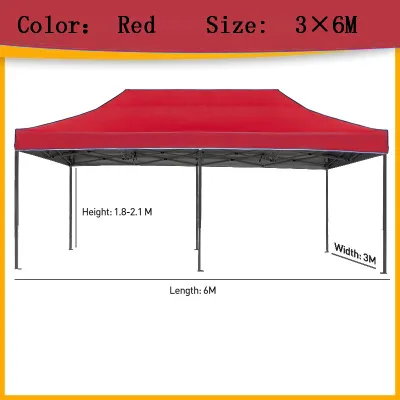
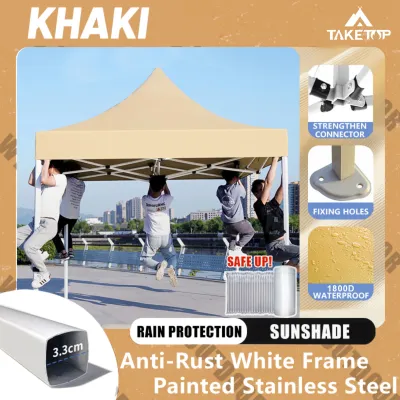
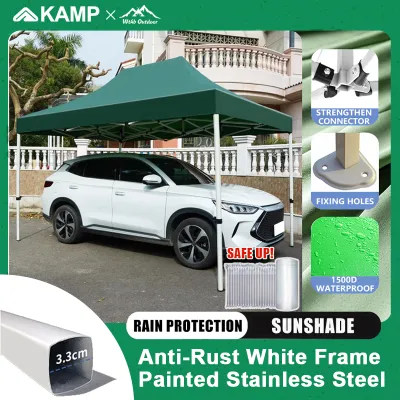
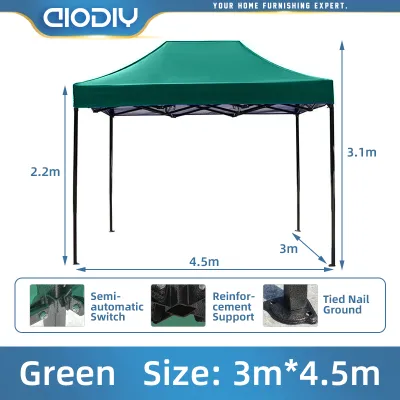
Prices are valid at publication and may change. Please refer to the product page for the latest price.
Sleeping tents with a 3×3-meter footprint are typically designed as dome or cabin structures. These shelters feature fully integrated floors, zippered mesh doors, and complete rainflies to protect you from insects, wind, and rain overnight. They are designed to retain a comfortable sleeping climate while keeping ground moisture and pests out of your sleeping bags.
In contrast, a 3×3-meter canopy or gazebo is an open-sided shelter supported by a heavy steel or aluminum frame. These are primarily used as daytime hubs, cooking areas, or gear storage zones. While they offer excellent sun shading and overhead rain protection, they lack built-in flooring and insect netting, making them unsuitable for overnight sleeping unless paired with inner tent attachments or bug screens.
When planning your purchase, always verify the actual dimensions listed on the product specification sheet. Some manufacturers measure the footprint from the outermost guyline anchor points, while others measure the actual floor fabric. For a comfortable experience, ensure the interior floor dimensions are a true 3×3 meters, allowing you to maximize the usable living space for your gear and sleeping setups.
Key Durability Features for Tropical Weather
To withstand the intense weather conditions of the Philippines, a heavy-duty tent must be constructed from high-grade materials. The tropical sun degrades cheap fabrics quickly, while sudden thunderstorms can easily overwhelm weak seams and thin coatings. Inspecting the technical specifications of the fabric and frame is the most reliable way to gauge a tent’s longevity.

Start by looking at the fabric’s denier (D) rating, which measures the thickness and density of the individual threads. For a heavy-duty sleeping tent, a rainfly made of 150D to 300D polyester offers excellent tear resistance and durability. For utility canopies, look for even thicker fabrics, such as 420D or 600D oxford cloth, which can handle prolonged exposure to wind shear and UV radiation.
Waterproofing is determined by the polyurethane (PU) coating applied to the fabric, measured in millimeters (mm) of hydrostatic head. In regions prone to heavy tropical downpours, a rainfly rating of at least 2000mm to 3000mm is highly recommended. Additionally, look for fabrics treated with a silver inner coating (often labeled as UV50+), which reflects solar radiation and helps keep the interior temperature manageable during hot afternoons.
The frame material dictates how well your tent will hold up against strong winds on exposed ridges or coastal beaches. Steel frames offer unmatched weight and stability for stationary canopies, but they must be powder-coated to prevent rust in humid environments. For sleeping tents, high-strength aluminum alloy poles provide an optimal balance of flexibility, wind resistance, and corrosion protection, far outperforming standard fiberglass poles.
Finally, examine the construction details that prevent water ingress. A truly waterproof tent features factory-taped seams, where a hot-air tape is applied over the stitching to seal needle holes. Reinforced stress points at the guyline loops and pole pockets prevent the fabric from tearing under tension, while a raised tub-style floor keeps standing water from seeping through the bottom seams.
Evaluating Setup, Portability, and Campsite Footprint
A heavy-duty build naturally adds weight and bulk to your gear list. Balancing structural strength with practical transport and setup logistics is essential for a frustration-free camping experience. You must consider how you will get the tent to your campsite and how much effort is required to pitch it.
Instant or pop-up frames are incredibly popular because they allow a single person to erect a large 3×3 shelter in just a few minutes. However, these systems rely on complex joint mechanisms and integrated hinges that can become failure points if forced or subjected to extreme wind. Traditional sleeve-and-clip pole systems take longer to set up and usually require two people, but they offer superior structural integrity and are much easier to repair in the field.
Packed weight and dimensions are critical if you plan to camp away from your vehicle. A steel-framed 3×3 canopy can easily weigh between 15 and 25 kilograms, making it suitable only for car camping where you can unload directly at your pitch. If you frequent walk-in campsites or beach coves that require a hike, look for a heavy-duty sleeping tent with aluminum poles that packs down under 10 kilograms.
No matter how strong your tent’s frame is, its wind resistance ultimately depends on how securely it is anchored to the ground. Always pack a dedicated anchoring kit tailored to the terrain of your destination. Standard thin steel pegs easily pull out of soft sand or loose volcanic soil; instead, prepare a checklist of essential anchoring accessories to ensure your shelter stays grounded:
- Heavy-duty steel stakes (20cm to 30cm): Ideal for hard-packed clay, dirt, and rocky soils found in mountain campsites.
- Wide sand pegs or snow stakes: Essential for securing guylines in soft beach sand.
- Reflective guylines with aluminum tensioners: Allow you to pull the rainfly taut, preventing water pooling and reducing wind flapping.
- Fillable sandbags or canopy weights: Crucial for securing steel-framed canopies on concrete pads or hard surfaces where stakes cannot be driven.
Building Your 3×3 Heavy Duty Tent Shortlist
When you are ready to buy, establishing a structured filtering process will help you avoid low-quality products and find a reliable option within your budget. Because prices on online marketplaces fluctuate, categorizing your options by price brackets and verified specifications is the most practical approach.
In the Philippine market, budget options under ₱3,000 often feature thin fabrics (190T or lower) and basic fiberglass poles. While suitable for backyard play or calm weather, they rarely survive heavy monsoon rains. The mid-range bracket (₱3,000 to ₱8,000) is where you will find dependable heavy-duty sleeping tents featuring aluminum poles, PU ratings above 2000mm, and reinforced stitching. Premium options above ₱8,000 offer professional-grade materials, advanced ventilation systems, and robust manufacturer warranties.
To filter out misleading listings, ignore generic claims like “100% stormproof” and focus entirely on the technical specification sheet. If a seller cannot provide the denier rating, PU coating thickness, or frame material, it is best to look elsewhere. Prioritize brands and distributors that explicitly list these details and offer transparent customer support.
Additionally, check the availability of replacement parts before making your final decision. In tropical climates, high humidity and salt air can eventually degrade zippers, shock cords, and pole segments. Choosing a brand that sells individual replacement poles, joints, and rainflies ensures that a minor break does not force you to discard the entire tent.
| Feature | Budget Shelters (< ₱3,000) | Mid-Range Heavy Duty (₱3,000 – ₱8,000) | Premium Heavy Duty (> ₱8,000) |
|---|---|---|---|
| Frame Material | Thin fiberglass or basic steel | Reinforced fiberglass or aluminum alloy | High-grade aluminum or heavy-duty steel |
| Fabric Rating | 190T polyester, low PU (< 1000mm) | 150D – 300D polyester, PU 2000mm – 3000mm | 300D – 600D oxford, PU 3000mm+ with UV coating |
| Seam Treatment | Standard stitching, no tape | Heat-taped seams on rainfly | Double-stitched, fully taped, reinforced joints |
| Best Use Case | Backyard, fair-weather car camping | Frequent overnight camping, moderate rain | Extreme weather, coastal camping, basecamps |
Maintenance and Storage for Long-Term Reliability
The hot, humid climate of the Philippines is highly demanding on outdoor gear. Without proper post-trip care, even the most expensive heavy-duty tent can succumb to mold, mildew, and material degradation within a single season. Implementing a strict maintenance routine will preserve the waterproof coatings and extend the lifespan of your shelter.
Never store your tent while it is damp. Packing away a wet tent encourages the growth of mildew, which produces a foul odor and chemically breaks down the polyurethane waterproof coating. If you must pack up in the rain, make it a priority to pitch the tent in a shaded, well-ventilated area at home within 24 hours to let it dry completely.
Before packing the tent into its storage bag, clean off any dirt, mud, or sand. Use a soft sponge, clean water, and a mild, non-detergent soap to gently wipe down the fabric. Avoid harsh household detergents, bleach, or washing machines, as these will strip away the waterproof coatings and damage the seam tape. Pay special attention to the zippers, clearing out any trapped sand or salt residue that could cause the slider to jam.
Store your tent in a cool, dry place away from direct sunlight. Avoid hot storage areas like tin-roofed sheds, attics, or the trunk of your car, as extreme heat can melt seam tape and degrade synthetic fabrics. Keep the tent loosely folded in a breathable storage bag rather than tightly compressed, which helps prevent permanent creasing and cracking of the waterproof membrane.
Finally, establish a quick pre-trip inspection routine. Before heading out to a remote campsite, pitch your tent in your yard or garage to check for any signs of wear. Inspect the poles for hairline cracks, ensure the zippers glide smoothly, and verify that the seam tape is not peeling. Catching these minor issues at home allows you to apply seam sealer or source a replacement pole before you are exposed to the elements.
Frequently Asked Questions (FAQ)
Can a 3×3 canopy tent be used for sleeping overnight?
While a 3×3 canopy tent provides excellent overhead shade, it is not recommended for overnight sleeping in the wild. Standard canopies lack built-in flooring, insect netting, and full-coverage side walls, leaving you completely exposed to mosquitoes, crawling pests, ground moisture, and wind-driven rain. If you want to use a canopy for sleeping, you must purchase compatible inner-tent mesh attachments or wall panels designed specifically to seal the structure against the elements.
How many people can comfortably fit inside a 3×3 meter sleeping tent?
Although manufacturers often rate a 3×3-meter sleeping tent for up to five or six people, this rating assumes everyone is sleeping side-by-side without any personal gear. For a comfortable camping experience, a 3×3-meter tent is ideal for three to four adults. This layout leaves ample space for sleeping pads, backpacks, and a clear walkway, ensuring you do not feel cramped during extended rainy spells inside the shelter.
How do I verify if a tent is truly waterproof for the rainy season?
To verify a tent’s waterproof capability, look for a hydrostatic head rating of at least 2000mm on the product specification sheet. Additionally, inspect the interior seams of the rainfly to ensure they are sealed with clear, heat-applied seam tape rather than just stitched. A true rainy-season tent should also feature a tub-style floor made of thick polyethylene or high-denier polyester with welded seams that rise several inches up the sides to prevent ground water from seeping in.

Community discussion
Share your experience or ask a question. Comments are reviewed before publication.